


Underwater Excavation Equipment & Marine Dredging Solutions
Underwater excavation refers to the removal of soil, sand, sediment, rock, and debris beneath water surfaces in rivers, lakes, reservoirs, ports, and coastal zones. It is a core operation in marine construction, dredging engineering, and underwater infrastructure maintenance.
Unlike conventional earthmoving, underwater excavation must deal with reduced visibility, water resistance, unstable sediment layers, and variable depth conditions. These challenges require specialized excavator-based systems designed for dredging, material handling, and precise underwater operations.
Underwater Excavation Applications
Riverbed dredging and deepening
Harbor and port basin excavation
Marine pipeline trenching support
Dam and reservoir sediment removal
Coastal engineering and shoreline works
Bridge foundation underwater preparation
Underwater debris and obstruction removal
Navigation channel maintenance
Hydropower intake and outlet cleaning
Wetland and environmental restoration projects
Challenges in Underwater Excavation Projects
Underwater excavation environments are complex and unpredictable. Sediment layers may shift during operation, and materials can range from fine silt to compacted clay, gravel, or mixed debris. Limited visibility and water currents further increase operational difficulty.
In addition, underwater projects often require high precision to avoid damaging existing infrastructure such as pipelines, cables, bridge foundations, or retaining structures. Safety and control are therefore critical.
To overcome these challenges, contractors rely on excavator-mounted hydraulic systems that provide controlled digging force, extended reach, and continuous material removal capability.
Recommended Underwater Excavation Workflow
For most underwater excavation projects, TianGe recommends a structured four-stage process:Survey → Loosening → Excavation → Material Transport.
Dredge Pump System – Continuous removal of sediment, sand, and slurry
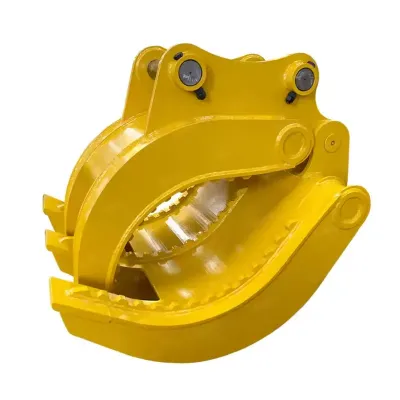
Clamshell Bucket – Precise underwater digging and controlled material recovery
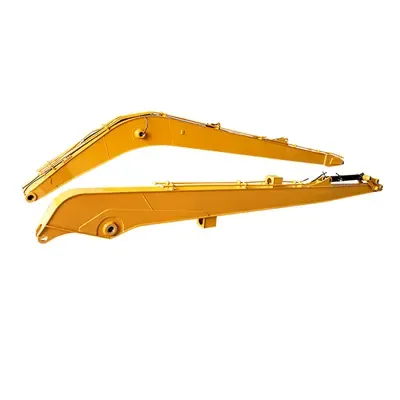
Long Reach Excavator Arm – Extended depth access from stable platforms or shorelines
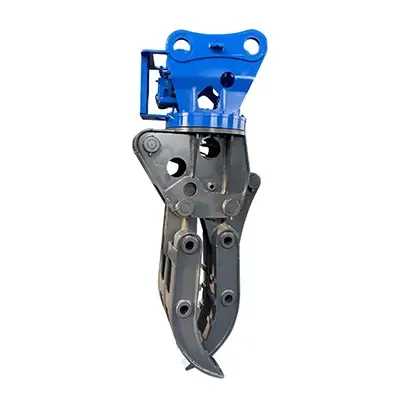
Hydraulic Grapple – Removal of debris, rocks, and underwater obstructions
Core Equipment for Underwater Excavation
Dredge Pump
Dredge pumps are widely used in underwater excavation for continuous removal of sediment and slurry mixtures. They are highly effective in deep dredging, channel maintenance, and large-scale marine earthmoving projects.
Clamshell Bucket
clamshell buckets provide precise underwater digging capability, making them ideal for trenching, localized excavation, and controlled material recovery in confined marine environments.
Long Reach Excavator Arm
Long reach arms extend working distance and allow excavators to operate from safe ground or platforms while reaching deep underwater excavation zones.
Hydraulic Grapple
Hydraulic grapples are used for handling irregular underwater debris, including rocks, timber, metal objects, and construction waste that obstruct excavation work.
Excavator Platform System
Excavators act as the core platform for underwater excavation systems, enabling multi-attachment operation and stable performance across different marine conditions.
Underwater Excavation System Logic
Underwater excavation is not simply about digging below the water surface; it is a controlled engineering process that balances material removal, environmental protection, and structural safety.
Dredge pumps are typically used for continuous large-volume sediment removal, while clamshell buckets provide precision excavation in targeted zones. Long reach systems ensure safe operation from stable ground, minimizing risks associated with underwater instability.
When integrated properly, these systems allow efficient underwater earthmoving while maintaining accuracy, safety, and environmental compliance.
Advantages of Excavator-Based Underwater Excavation Solutions
Efficient underwater dredging and material removal
Flexible operation in rivers, lakes, and coastal zones
Reduced reliance on floating dredging vessels
High precision in controlled excavation areas
Lower operational cost and mobilization time
Suitable for shallow and deep-water environments
Improved safety through remote and long-reach operation
Adaptable to complex marine conditions
Why Choose TianGe Underwater Excavation Equipment
TianGe provides excavator-based underwater excavation solutions designed for dredging, marine construction, river engineering, and infrastructure maintenance projects. Our systems integrate dredge pumps, long reach arms, and specialized attachments for efficient underwater operations.
From port development and river dredging to dam maintenance and subsea excavation, TianGe equipment helps contractors improve productivity, safety, and operational flexibility in challenging underwater environments.
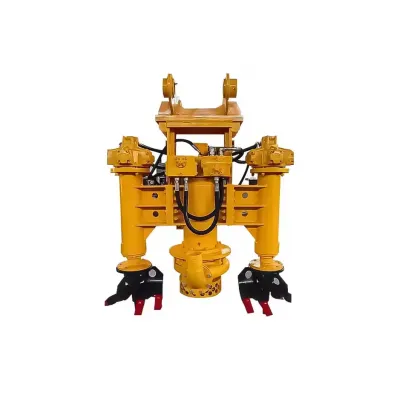
TGEC Dredge Pump System – High-efficiency underwater sediment removal
TGEC Clamshell Bucket – Precision underwater excavation
TGEC Long Reach Arm – Deep water and offshore access solution
TGEC Hydraulic Grapple – Underwater debris handling and cleanup
TGEC Excavator Platform – Multi-attachment marine excavation system