


Utility Line Clearance Equipment & Vegetation Management Solutions
Utility line clearance is a critical part of maintaining electrical transmission lines, distribution networks, communication corridors, pipeline routes, and other utility infrastructure. Vegetation growing near utility lines can create safety hazards, increase outage risks, interfere with inspections, and reduce operational reliability.
To ensure uninterrupted service and regulatory compliance, utility contractors, vegetation management companies, and infrastructure maintenance teams rely on excavators equipped with specialized attachments to remove trees, brush, overgrown vegetation, and hazardous limbs efficiently. Modern attachment solutions improve productivity, reduce labor requirements, and provide safer alternatives to manual clearing methods.
Utility Line Clearance Applications
Power transmission line vegetation management
Electrical distribution corridor maintenance
Utility right-of-way clearing
Communication tower access road clearing
Pipeline corridor vegetation control
Substation perimeter maintenance
Tree hazard removal near utility infrastructure
Storm damage cleanup operations
Rural utility access route maintenance
Wildfire risk reduction around utility networks
Challenges in Utility Corridor Maintenance
Utility line clearance projects often involve difficult terrain, dense vegetation, steep embankments, and limited access areas. Traditional clearing methods can be labor-intensive, time-consuming, and potentially hazardous when working near energized infrastructure.
Contractors must balance vegetation control efficiency with safety requirements, environmental regulations, and operational costs. Large trees, overgrown brush, invasive vegetation, and storm-damaged timber frequently require different removal approaches throughout the same project.
As utility companies expand vegetation management programs and wildfire prevention initiatives, attachment-based clearing solutions have become increasingly important for improving productivity and reducing operational risks.
Recommended Equipment Solution
For most utility line clearance projects, TianGe recommends a four-stage vegetation management workflow:Cutting → Processing → Clearing → Material Handling.This systematic approach improves corridor accessibility, reduces vegetation regrowth issues, and enhances overall maintenance efficiency.
Grapple Saw for Excavator – Controlled tree removal near power lines and utility structures
Tree Shear – Fast cutting of standing trees and dense vegetation
Forestry Mulcher – Ground-level vegetation reduction and brush control
Hydraulic Grapple – Log handling, debris collection, and material loading
Combining multiple attachments enables contractors to safely manage vegetation while minimizing disruption to utility operations.
Core Equipment for Utility Line Clearance
Grapple Saw for Excavator
Grapple saw attachments provide precise tree cutting capabilities for utility corridor maintenance. Operators can securely grip trees before cutting, allowing controlled removal near power lines, substations, communication towers, and other sensitive infrastructure.
Forestry Mulcher
Forestry mulchers efficiently process brush, saplings, overgrown vegetation, and small trees directly into mulch. They are widely used for utility right-of-way maintenance, wildfire prevention programs, and vegetation control along transmission corridors.
Tree Shear
Tree shears deliver rapid cutting performance for standing timber and invasive vegetation. They are ideal for clearing access routes, maintaining corridor widths, and removing hazardous trees threatening utility assets.
Hydraulic Grapple
Hydraulic grapples simplify material handling by collecting logs, branches, storm debris, and vegetation waste. They improve site cleanup efficiency while reducing manual labor requirements.
Utility Line Clearance Workflow
A typical utility vegetation management project begins with identifying hazardous trees and overgrown vegetation within the right-of-way. grapple saws and tree shears are used to remove larger trees safely, particularly in areas where precision is required.
Forestry mulchers then process remaining brush and ground vegetation, creating a clear maintenance corridor while reducing future regrowth. Finally, hydraulic grapples collect and transport logs, branches, and debris for disposal or recycling.
This integrated workflow supports long-term corridor maintenance while improving safety and operational efficiency.
Advantages of Excavator Attachments for Utility Vegetation Management
Improved worker safety near utility infrastructure
Reduced power outage risks caused by vegetation
Higher productivity compared with manual clearing
Efficient vegetation control across large corridors
Reduced wildfire hazards around utility networks
Lower labor and operational costs
Enhanced access for inspection and maintenance crews
Faster storm recovery and emergency response operations
Why Excavator-Based Utility Line Clearance Solutions Work
Unlike traditional vegetation management methods that rely heavily on chainsaws, manual labor, and multiple machines, excavator attachments provide a versatile platform capable of performing cutting, mulching, material handling, and cleanup operations with a single carrier machine.
This approach allows utility contractors to adapt quickly to changing site conditions while improving efficiency across transmission corridors, substations, pipeline routes, and communication infrastructure projects.
For utility companies facing increasing vegetation management requirements, excavator attachment solutions offer a scalable and cost-effective strategy for maintaining critical infrastructure.
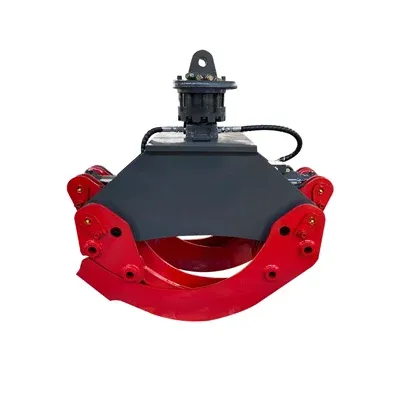
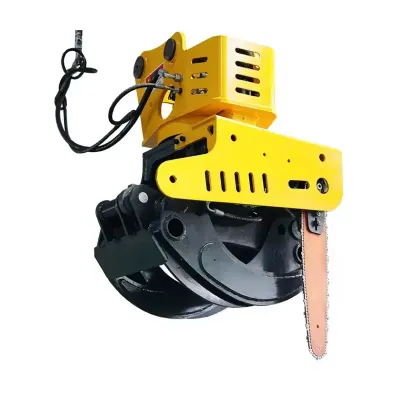
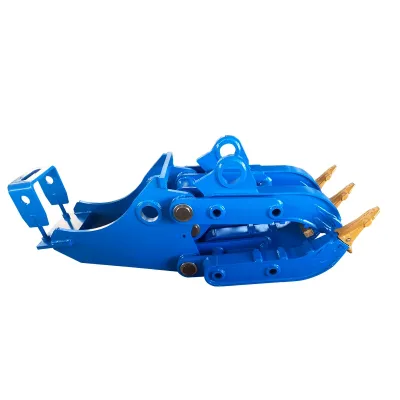
TGEC Grapple Saw for Excavator – Precision tree removal near utility infrastructure
TGEC Forestry Mulcher – Right-of-way vegetation management and brush control
TGEC Tree Shear – Fast tree cutting and corridor maintenance
TGEC Hydraulic Grapple – Debris handling and material transport