


egetation Management Equipment & Land Maintenance Solutions
Vegetation management involves controlling, removing, and maintaining trees, brush, shrubs, weeds, and overgrown vegetation across forests, utility corridors, transportation routes, agricultural land, and public infrastructure. Effective vegetation control improves land accessibility, reduces fire hazards, enhances safety, and supports long-term environmental management.
As vegetation grows rapidly in many regions, contractors, municipalities, utility companies, and landowners require efficient equipment solutions to manage overgrowth while minimizing labor costs and environmental impact. Modern excavator attachments provide a safer and more productive alternative to manual clearing methods.
Vegetation Management Applications
Utility corridor vegetation control
Power line and transmission line maintenance
Roadside vegetation management
Railway right-of-way clearing
Forestry maintenance operations
Wildfire prevention projects
Agricultural land reclamation
Municipal land maintenance
Industrial site vegetation removal
Pipeline corridor maintenance
Challenges in Vegetation Management Projects
Vegetation management projects often involve dense brush, invasive plant species, overgrown trees, uneven terrain, and difficult site access. Traditional clearing methods can be labor-intensive, slow, and costly, particularly across large land areas.
Utility companies and government agencies must also maintain strict safety standards around power lines, transportation networks, and public infrastructure. Failure to control vegetation can result in reduced visibility, equipment damage, operational disruptions, and increased wildfire risks.
To improve productivity and reduce maintenance costs, many contractors utilize excavators equipped with specialized land-clearing attachments that can cut, mulch, process, and handle vegetation efficiently in a single operation.
Recommended Equipment Solution
For most vegetation management projects, TianGe recommends a three-stage workflow:Cutting → Mulching → Material Handling.This approach maximizes clearing efficiency while minimizing debris disposal requirements.
Forestry Mulcher – Convert brush, saplings, and vegetation into mulch directly on-site
Tree Shear – Cut trees and larger woody vegetation quickly and safely
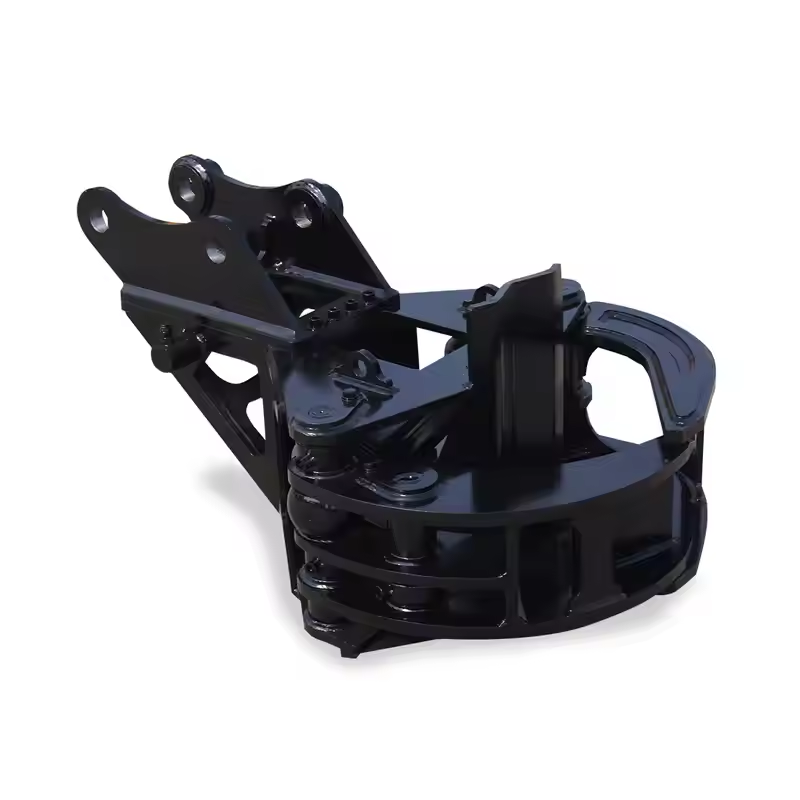
Hydraulic Grapple – Collect, sort, and transport vegetation debris
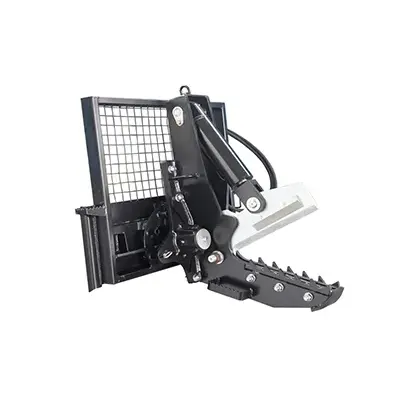
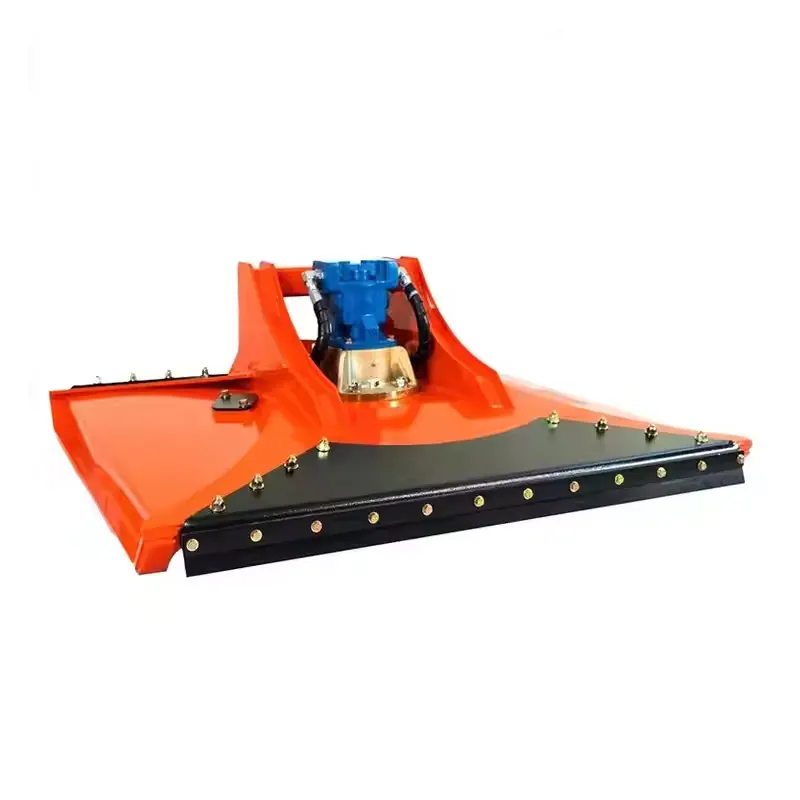
Brush Cutter – Maintain grass, weeds, and light vegetation in open areas
By combining these attachments, operators can clear vegetation faster, reduce hauling costs, and improve overall land management efficiency.
Core Equipment for Vegetation Management
Forestry Mulcher
Forestry mulchers are the primary attachment used for vegetation management. They efficiently process brush, shrubs, saplings, and dense vegetation into fine mulch that remains on-site, reducing disposal costs and improving ground conditions.
Tree Shear
Tree shears provide fast and controlled cutting of standing trees, making them ideal for utility corridors, roadside projects, forestry maintenance, and right-of-way clearing operations.
Hydraulic Grapple
Hydraulic grapples handle cut vegetation, logs, branches, and forestry debris. They help streamline cleanup operations and improve jobsite productivity.
Brush Cutter
Brush cutters are highly effective for managing grass, weeds, undergrowth, and light brush in parks, agricultural properties, roadside areas, and municipal maintenance projects.
Typical Vegetation Management Workflow
Most projects begin with clearing access routes and identifying vegetation requiring removal. Tree shears cut larger trees and woody material while forestry mulchers process dense brush and undergrowth directly into mulch. Brush cutters maintain lighter vegetation zones, and grapples collect or relocate larger debris when necessary.
This integrated approach allows contractors to complete vegetation control operations more efficiently while reducing labor requirements and transportation costs.
Benefits of Excavator Attachments for Vegetation Management
Faster land clearing and vegetation control
Reduced labor and operational costs
Improved wildfire prevention capabilities
Enhanced safety around utilities and infrastructure
Reduced debris hauling and disposal expenses
Better access to difficult terrain
Higher productivity across large project areas
Why Forestry Mulching Is Becoming the Preferred Solution
Many modern vegetation management contractors prefer forestry mulching because it combines cutting, shredding, and site cleanup into a single operation. Instead of transporting vegetation off-site, mulchers convert biomass into ground-cover mulch that helps reduce erosion and suppress future vegetation growth.
This approach significantly lowers project costs while delivering faster completion times compared with conventional clearing methods.
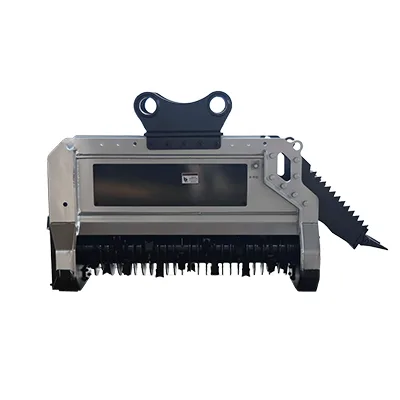
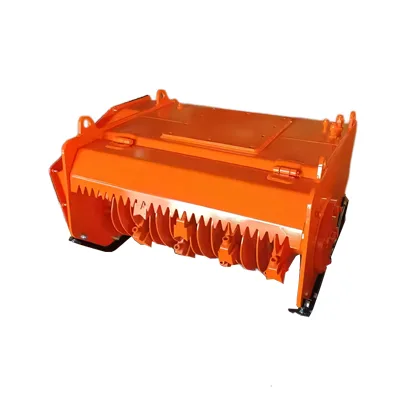
TGEC Forestry Mulcher – Heavy-duty vegetation processing and land clearing
TGEC Tree Shear – Efficient tree cutting and removal
TGEC Hydraulic Grapple – Vegetation handling and debris management
TGEC Brush Cutter – Grass and brush maintenance applications