


Wildfire Prevention Equipment & Forest Fuel Management Solutions
Wildfire prevention has become a critical priority for forestry agencies, utility companies, municipalities, and landowners worldwide. Increasing drought conditions, dense vegetation growth, and accumulated forest fuel loads have significantly raised wildfire risks across many regions.
Effective wildfire prevention focuses on reducing combustible vegetation before fires occur. By creating defensible spaces, maintaining firebreaks, controlling undergrowth, and removing hazardous fuel sources, land managers can reduce fire intensity, improve emergency access, and protect infrastructure, forests, and nearby communities.
Wildfire Prevention Applications
Firebreak construction and maintenance
Forest fuel load reduction projects
Defensible space creation around properties
Utility corridor vegetation management
Powerline right-of-way clearing
Forest access road maintenance
Wildland-urban interface protection
National park vegetation control
Forest restoration and hazard reduction
Emergency wildfire mitigation programs
Challenges in Wildfire Prevention Projects
Many wildfire-prone areas contain years of accumulated brush, deadwood, invasive vegetation, and dense undergrowth. These materials act as fuel sources that can rapidly spread fire across large areas during dry seasons.
Traditional manual clearing methods are often slow, labor-intensive, and costly when managing extensive forested regions. Difficult terrain, limited site access, and environmental considerations further complicate wildfire prevention operations.
To improve efficiency, contractors and land management organizations increasingly utilize excavator attachments that allow large-scale vegetation management while minimizing environmental disturbance.
Recommended Wildfire Prevention Solution
For most wildfire prevention projects, TianGe recommends a four-stage workflow:Fuel Reduction → Vegetation Control → Debris Management → Firebreak Maintenance.
This systematic approach helps reduce combustible material, maintain emergency access routes, and create long-term wildfire resilience across managed landscapes.
Forestry Mulcher – Reduce brush, saplings, and fuel loads
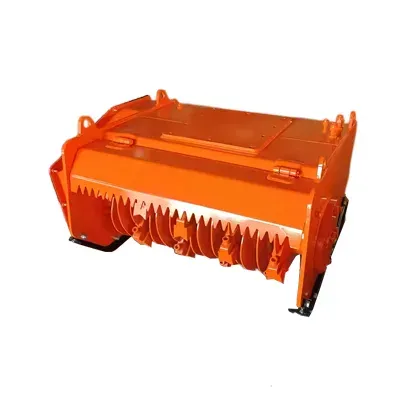
Brush Cutter – Maintain firebreaks and access corridors
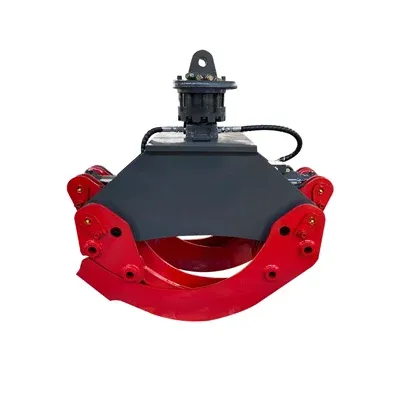
Log Grapple – Handle timber, deadwood, and storm debris
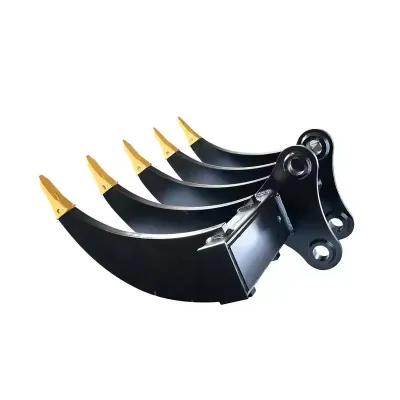
Root Rake – Clear organic material and forest floor debris
Combining multiple attachments allows operators to address wildfire risks proactively while improving overall land management efficiency.
Core Equipment for Wildfire Prevention
Forestry Mulcher
Forestry mulchers are among the most effective wildfire prevention tools available today. They convert dense brush, small trees, invasive vegetation, and combustible undergrowth into mulch directly on-site, dramatically reducing available fuel loads without requiring material transportation.
Brush Cutter
Brush cutters are commonly used to maintain firebreaks, utility corridors, roadsides, and emergency access routes. They provide fast vegetation control while helping prevent the spread of ground fires.
Log Grapple
log grapples enable efficient handling of dead trees, fallen timber, and large woody debris that can contribute to wildfire intensity if left unmanaged.
Root Rake
Root rakes help remove organic debris, accumulated vegetation, and combustible material from forest floors while preserving valuable soil resources.
Typical Wildfire Prevention Workflow
A typical wildfire prevention project begins with risk assessment and fuel mapping. Forestry mulchers are then used to reduce dense vegetation and remove ladder fuels that allow fires to spread into tree canopies.
Brush cutters maintain firebreak corridors and access roads, while grapples remove larger timber and deadwood. Root rakes complete site cleanup by gathering remaining organic debris and reducing potential ignition sources.
This integrated workflow creates safer forest conditions and improves long-term wildfire preparedness.
Benefits of Excavator Attachments for Wildfire Prevention
Reduced forest fuel accumulation
Improved firebreak effectiveness
Enhanced emergency access routes
Faster vegetation management operations
Lower labor requirements
Improved public and property protection
Support for long-term forest health
More efficient large-area treatment programs
Wildfire Prevention Strategy
Successful wildfire prevention is built around continuous vegetation management rather than reactive emergency response. Reducing fuel loads, maintaining defensible spaces, and preserving access routes help minimize wildfire risks before dangerous conditions develop.
By integrating forestry mulching, debris removal, vegetation control, and firebreak maintenance into a comprehensive management strategy, operators can significantly improve landscape resilience and wildfire preparedness.
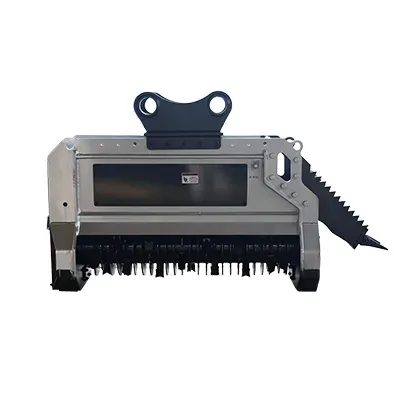
TGEC Forestry Mulcher – Fuel reduction and vegetation management
TGEC Brush Cutter – Firebreak and corridor maintenance
TGEC Log Grapple – Timber and debris handling
TGEC Root Rake – Forest floor cleanup and fuel removal