


Demolition Waste Sorting & Removal Equipment Solutions
Demolition waste sorting and removal is a critical phase of modern demolition, redevelopment, and site rehabilitation projects. After structures are dismantled, contractors must efficiently separate concrete, steel, timber, brick, asphalt, scrap metal, and mixed debris before transportation, recycling, or disposal.
Efficient material sorting directly impacts project profitability, landfill costs, recycling rates, and site safety. Excavators equipped with specialized attachments provide a faster and more economical alternative to manual sorting while helping contractors comply with environmental and waste management regulations.
TianGe excavator attachment solutions support the entire demolition debris handling process, from waste segregation and stockpile management to loading, transportation, recycling preparation, and final site cleanup.
Demolition Waste Sorting & Removal Applications
Building demolition cleanup projects
Commercial structure dismantling
Industrial plant demolition operations
Urban redevelopment projects
Bridge demolition debris handling
Infrastructure removal projects
Road reconstruction waste management
Scrap metal recovery operations
Construction site rehabilitation
Recycling facility material processing
Common Challenges in Demolition Debris Management
Demolition sites often generate large volumes of mixed waste materials that must be processed quickly to maintain project schedules. Concrete rubble, reinforcing steel, timber, pipes, roofing materials, and miscellaneous debris are commonly intermingled, making separation difficult and labor-intensive.
Contractors frequently face challenges such as limited site space, rising disposal costs, increasing recycling requirements, equipment congestion, and strict environmental regulations. Delays in waste removal can disrupt follow-up construction activities and increase operational expenses.
The most successful demolition contractors focus on efficient material flow management rather than simply moving debris. Proper sorting at the source significantly improves recycling efficiency while reducing transportation and landfill costs.
Recommended Demolition Waste Handling Workflow
For most demolition projects, TianGe recommends a systematic workflow:Separation → Sorting → Stockpiling → Loading → Removal → Recycling.
Instead of transporting mixed waste off-site, materials are separated immediately after demolition. This approach increases the value of recyclable materials and minimizes disposal expenses.
Excavator Grapples – Separate and handle mixed demolition debris
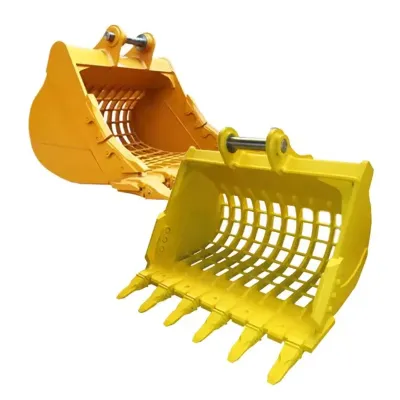
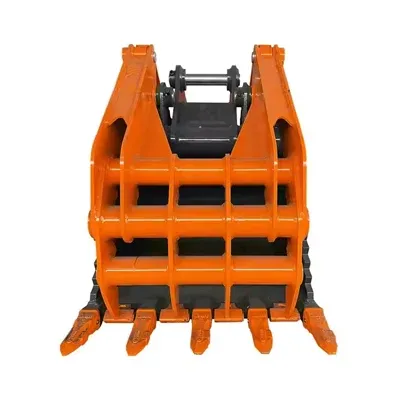
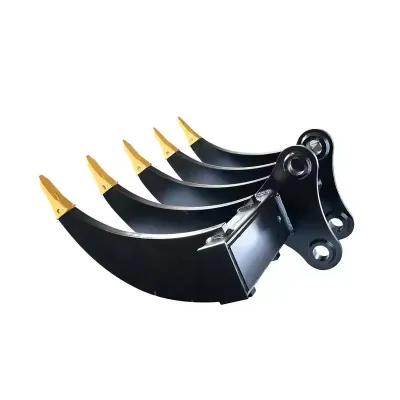
Excavator Rakes – Collect scattered materials and clean site surfaces
Hydraulic Shears – Recover structural steel and scrap metal
Demolition Shears – Reduce oversized debris into manageable sizes
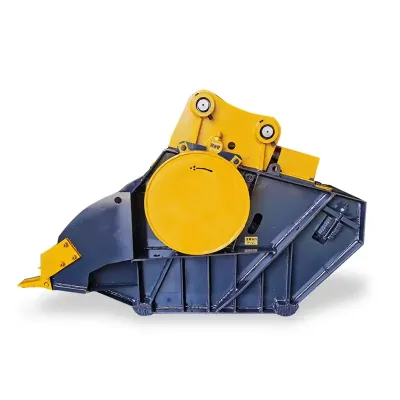
Crusher Buckets – Process concrete waste into reusable aggregate
Material Recovery Strategy
Effective demolition waste management is not only about disposal. It is increasingly focused on material recovery and resource utilization. By separating recyclable materials early, contractors can transform demolition debris into valuable assets.
Steel can be sold as scrap metal, concrete can be crushed into reusable aggregates, timber may be repurposed, and recyclable construction materials can be diverted from landfills. This approach supports both environmental sustainability and project profitability.
Key Excavator Attachments for Demolition Waste Sorting
Excavator Grapples
Excavator grapples are among the most important tools for demolition debris management. They efficiently grab, separate, sort, load, and transport mixed materials. Grapples help operators quickly distinguish recyclable materials from general waste while reducing manual labor requirements.
Excavator Rakes
Excavator rakes are highly effective for final site cleanup and loose debris collection. They separate fine materials from larger debris, gather scattered waste, and improve overall site organization before transportation or recycling.
Hydraulic Shears
Hydraulic shears enable rapid cutting of reinforcing bars, steel beams, pipelines, and structural steel components. They simplify scrap metal recovery operations and improve recycling efficiency.
Demolition Shears
Demolition shears reduce bulky demolition waste into transportable sizes. This improves hauling efficiency and reduces transportation costs throughout the project.
Crusher Buckets
Crusher buckets convert concrete and masonry debris into reusable aggregate directly on-site, reducing waste disposal volumes and creating valuable recycled construction materials.
Benefits of On-Site Waste Sorting
Higher recycling and material recovery rates
Reduced landfill disposal expenses
Lower transportation costs
Faster demolition project completion
Improved site safety and organization
Reduced labor requirements
Better compliance with environmental regulations
Increased profitability from recyclable materials
Demolition Site Cleanup Solutions
After major demolition activities are completed, efficient cleanup becomes essential for project turnover. Excavator grapples handle larger debris piles while excavator rakes remove remaining scattered materials. This combination accelerates site preparation for future construction activities.
Whether working on commercial demolition, industrial dismantling, infrastructure removal, or urban redevelopment projects, proper attachment selection helps contractors achieve cleaner worksites and faster project transitions.
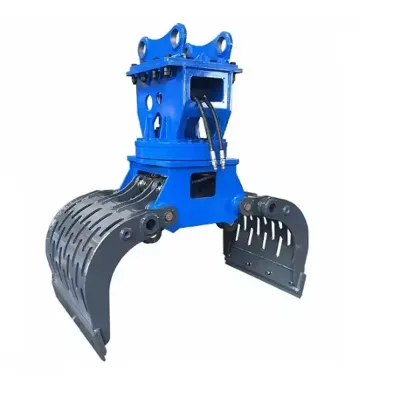
TGEC Excavator Grapples – Demolition debris sorting and material handling
TGEC Excavator Rakes – Site cleanup and loose material collection
TGEC Hydraulic Shears – Scrap metal recovery and steel cutting
TGEC Demolition Shears – Oversized debris reduction
TGEC Crusher Buckets – Concrete recycling and aggregate production
TGEC Quick Couplers – Faster attachment changes during sorting operations