


Land Clearing Equipment & Vegetation Management Solutions
Land clearing is the process of removing trees, brush, stumps, roots, overgrown vegetation, and other obstacles to prepare land for construction, infrastructure development, agriculture, utility installation, and environmental management projects.
Whether preparing a residential development site, creating access roads, installing utility corridors, expanding agricultural land, or reducing wildfire risks, efficient land clearing requires specialized excavator attachments capable of handling vegetation removal, material processing, and site preparation in a safe and cost-effective manner.
Common Land Clearing Applications
Residential and commercial site development
Road and highway construction preparation
Utility corridor and right-of-way clearing
Pipeline and transmission line projects
Forestry management operations
Agricultural land reclamation
Wildfire prevention and fuel reduction
Solar farm and wind farm site preparation
Industrial facility expansion projects
Environmental restoration programs
Challenges in Modern Land Clearing Projects
Land clearing contractors frequently encounter dense vegetation, large tree stumps, tangled roots, uneven terrain, and difficult access conditions. Traditional clearing methods often require multiple machines and extensive labor, increasing project costs and extending completion schedules.
Environmental regulations also require operators to minimize soil disturbance, reduce transportation of organic waste, and improve site sustainability. Simply removing vegetation is no longer sufficient; contractors must also efficiently process biomass, manage debris, and prepare sites for the next construction phase.
As a result, many contractors adopt excavator-based land clearing solutions that combine vegetation removal, mulching, material handling, and ground preparation into a streamlined workflow.
Recommended Land Clearing Workflow
For most land development and vegetation management projects, TianGe recommends the following workflow:Vegetation Removal → Biomass Reduction → Debris Handling → Site Preparation.
This approach helps reduce transportation costs, accelerates project timelines, and creates cleaner work areas for construction activities.
Forestry Mulcher – Process trees, brush, and vegetation into mulch
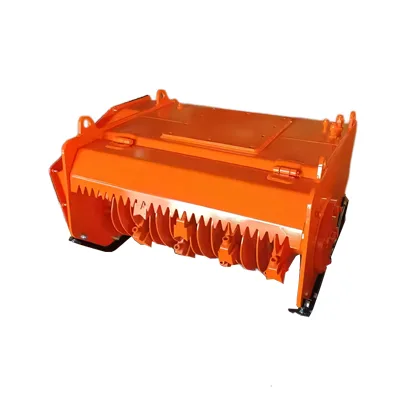
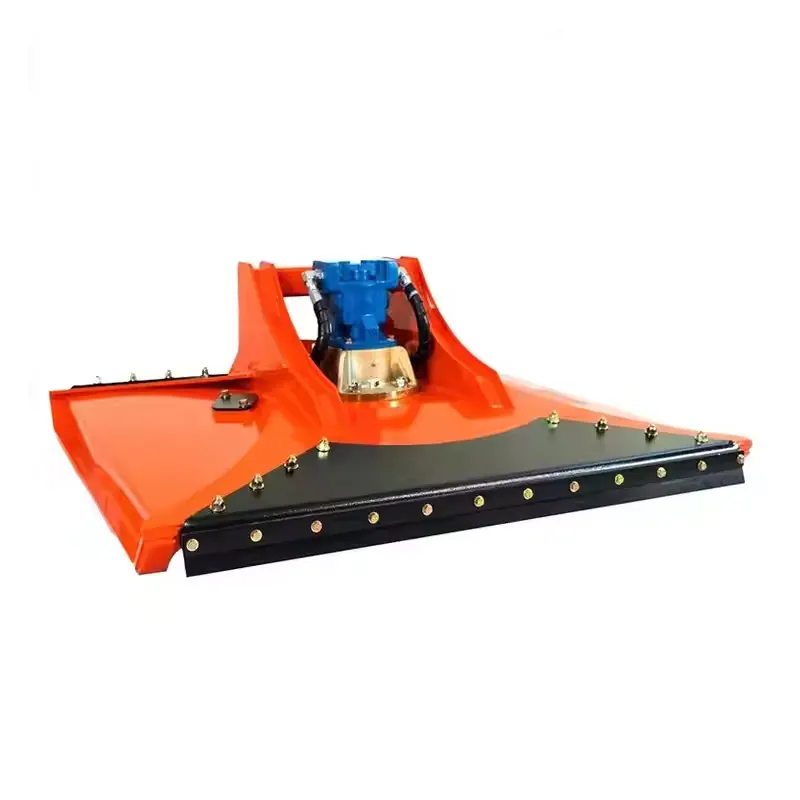
Brush Cutter – Clear grass, shrubs, and light vegetation
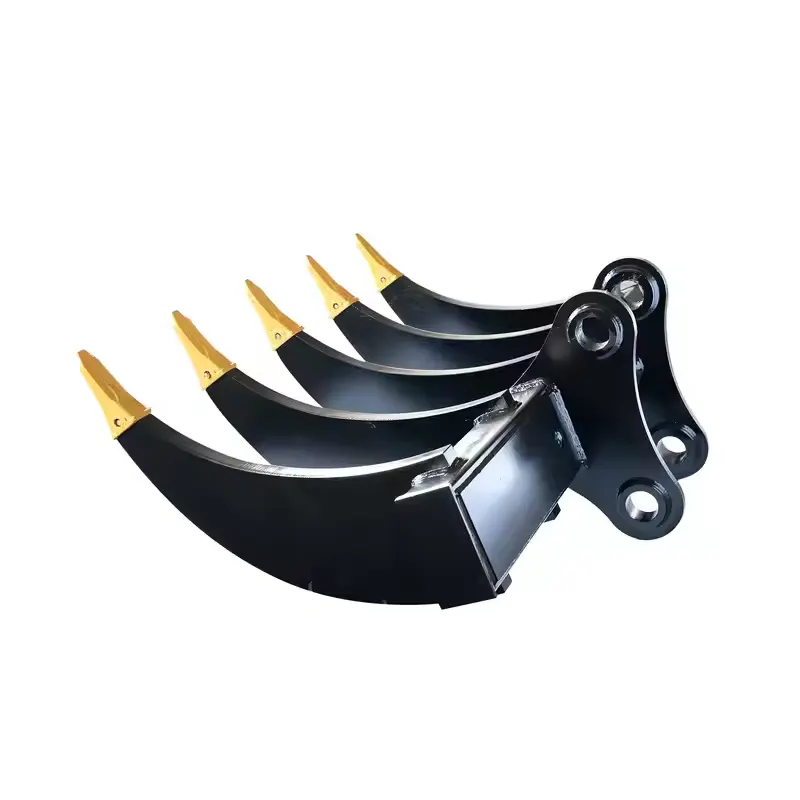
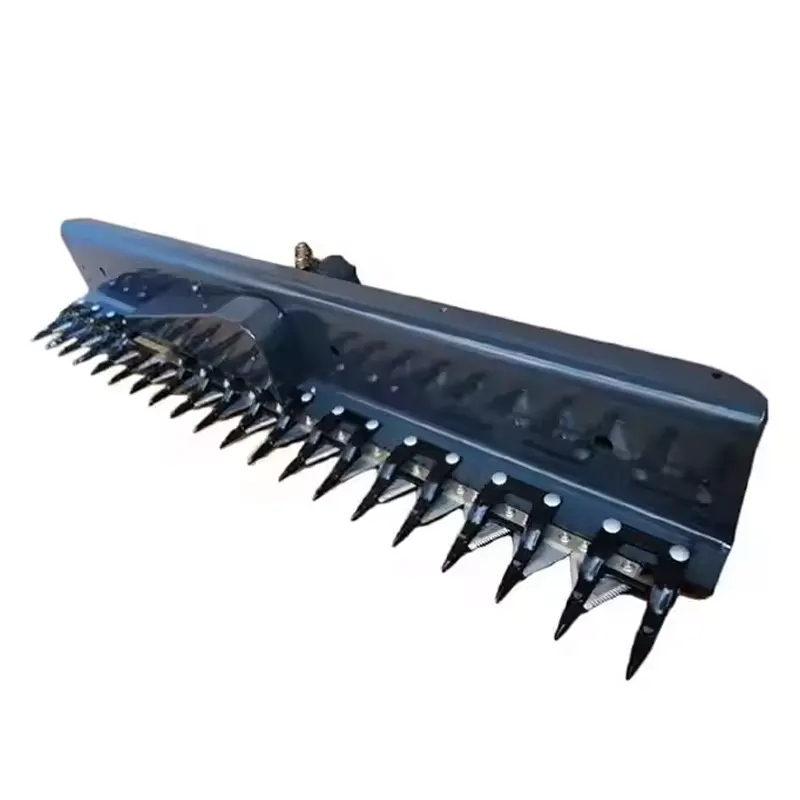
Root Rake – Separate roots, stumps, and debris from soil
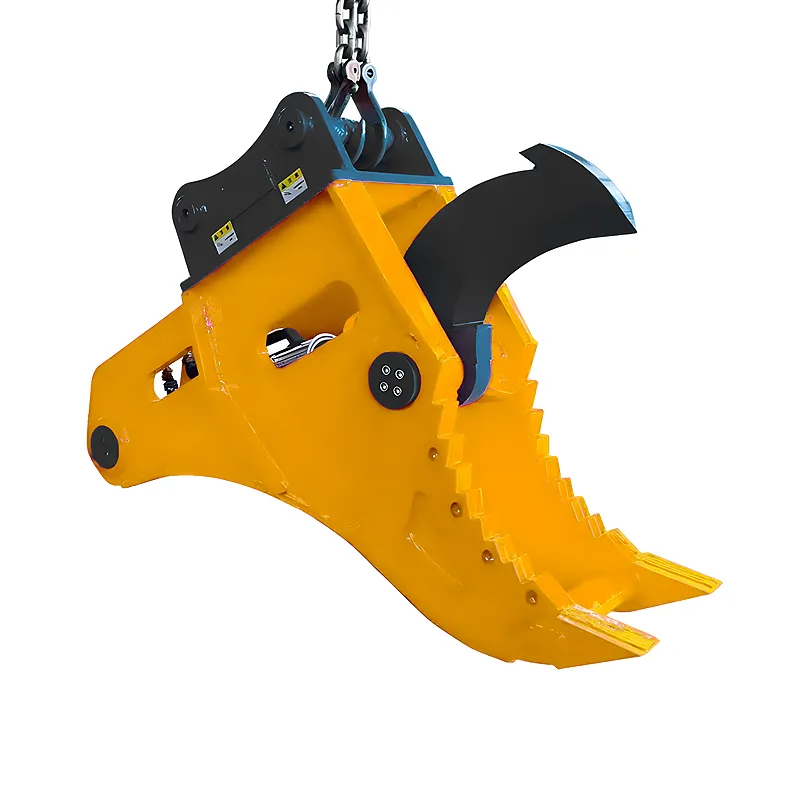
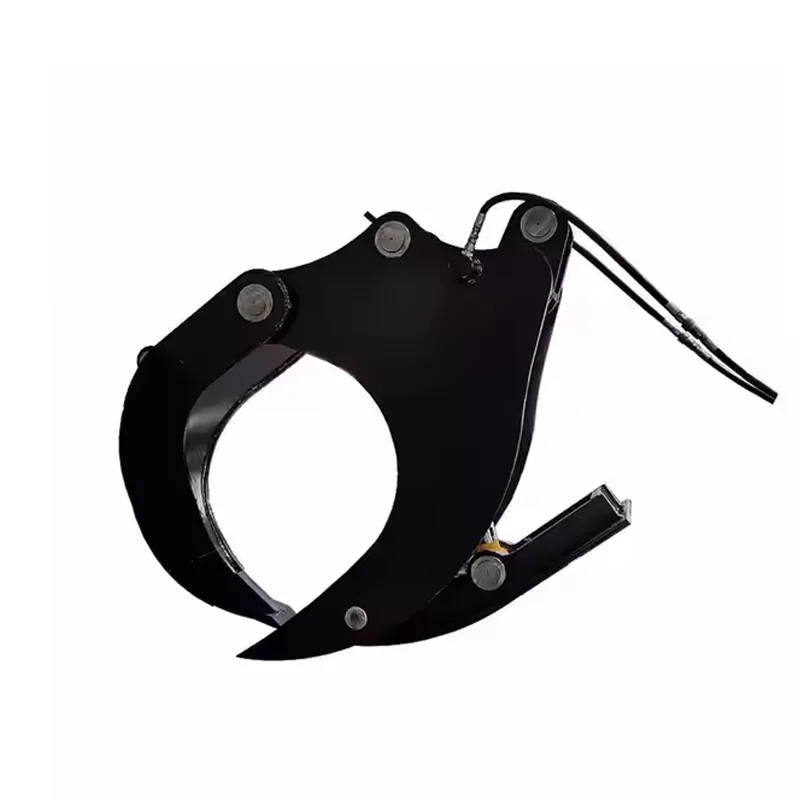
Hydraulic Grapple – Handle logs, brush piles, and clearing waste
By processing vegetation directly on-site, contractors can significantly reduce hauling requirements while improving overall site productivity.
Core Equipment for Land Clearing Operations
Forestry Mulcher
Forestry mulchers are among the most effective attachments for large-scale land clearing projects. They grind trees, brush, saplings, and vegetation into mulch, eliminating the need for burning or transporting large volumes of organic waste. Forestry mulchers are widely used in forestry maintenance, right-of-way clearing, wildfire prevention, and development site preparation.
Brush Cutter
Brush cutters efficiently remove dense grass, weeds, shrubs, and light vegetation. They are ideal for maintaining utility corridors, agricultural land, roadside vegetation, and large undeveloped properties.
Root Rake
Root rakes allow operators to separate roots, stumps, rocks, and debris while leaving valuable topsoil behind. This improves site cleanup efficiency and helps prepare land for grading and construction activities.
Hydraulic Grapple
Hydraulic grapples provide versatile material handling capabilities for logs, branches, stumps, and vegetation debris. They improve loading efficiency and reduce manual labor during cleanup operations.
Stump Removal Attachments
After vegetation removal, stump extraction equipment helps eliminate underground obstacles that may interfere with foundations, roads, utilities, or future landscaping work.
Land Clearing Project Workflow
Most projects begin with vegetation removal using forestry mulchers or brush cutters. Trees, brush, and overgrowth are processed into manageable material directly on-site. Root rakes then collect stumps, roots, and buried debris, while grapples transport remaining material for disposal or recycling.
Once obstacles are removed, the site becomes ready for grading, utility installation, foundation work, road construction, agricultural development, or landscaping activities.
Benefits of Excavator Attachments for Land Clearing
Faster vegetation removal and site preparation
Reduced hauling and disposal costs
Lower labor requirements
Improved wildfire prevention and fuel reduction
Minimal ground disturbance compared to traditional methods
Enhanced productivity on difficult terrain
Efficient biomass processing directly on-site
Better environmental compliance and sustainability
Why Contractors Choose Integrated Clearing Solutions
Successful land clearing projects depend on more than simply removing trees. Contractors increasingly focus on complete vegetation management strategies that combine clearing, mulching, debris handling, and final site preparation.
By integrating multiple excavator attachments into a single workflow, operators can reduce machine movements, minimize project downtime, and complete development-ready sites more efficiently.
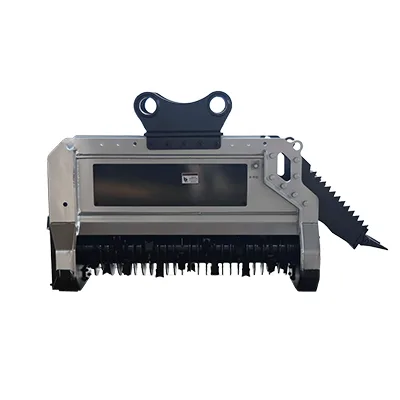
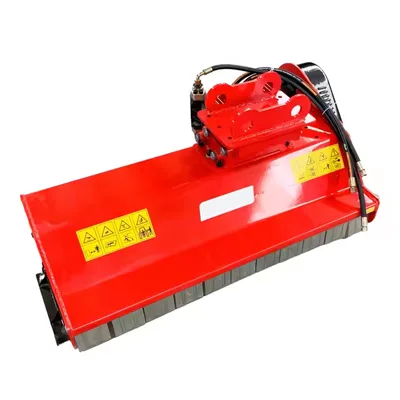
TGEC Forestry Mulcher – Vegetation reduction and biomass processing
TGEC Brush Cutter – Grass and shrub clearing applications
TGEC Root Rake – Root and debris separation
TGEC Hydraulic Grapple – Material handling and cleanup
TGEC Stump Removal Solutions – Ground obstacle elimination