


Marine Construction Equipment Solutions for Port, Coastal & Offshore Infrastructure Development
Marine construction involves engineering and building structures in or near water environments such as rivers, lakes, seas, harbors, and coastal zones. These projects include port terminals, seawalls, breakwaters, dredging works, and offshore foundations that require specialized equipment to operate in unstable and wet conditions.
Due to the complexity of underwater soil, tidal influence, and corrosive environments, marine projects demand high-efficiency excavation, material handling, and stabilization solutions. Excavator-based attachment systems are widely used to improve productivity and ensure safe, controlled construction in marine conditions.
Key Marine Construction Application Scenarios
Port and harbor construction and expansion
Seawall and coastal protection engineering
River dredging and channel deepening
Breakwater and jetty construction
Offshore platform foundation preparation
Shipyard infrastructure development
Marina and waterfront development projects
Flood control and shoreline stabilization works
Bridge pier construction in water environments
Underwater pipeline and cable installation support
Challenges in Marine Construction Projects
Marine construction environments are highly dynamic, with constantly changing water levels, soft or unstable seabed conditions, and limited working stability for heavy machinery. Equipment must perform under water exposure, sediment movement, and corrosive saltwater conditions.
Additional challenges include underwater visibility limitations, sediment variability, strong currents, and the need for precise excavation and placement in difficult-to-access locations.
To overcome these challenges, contractors rely on excavator-based marine attachment systems designed for dredging, excavation, and underwater material handling.
Excavator-Based Marine Construction Solutions
Hydraulic Dredge Pump for Underwater Excavation
Hydraulic dredge pumps are essential for marine dredging operations. They remove sediment, sand, and silt from underwater areas to deepen channels, maintain ports, and prepare foundations for marine structures.
Hydraulic Grapple for Marine Material Handling
Marine grapples are used for handling rocks, debris, timber, and construction materials in waterfront environments. They improve efficiency in loading and placement operations near water zones.
Hydraulic Bucket for Coastal Excavation
Buckets are used for shoreline shaping, trenching, and excavation in wet soil conditions. They support seawall construction and coastal reinforcement projects.
Hydraulic Breaker for Rock and Seabed Fracturing
Hydraulic breakers are used to break rock formations in coastal and underwater environments, enabling foundation preparation for breakwaters, piers, and offshore structures.
Auger Attachment for Marine Foundation Drilling
Augers are used for drilling foundation holes for docks, piers, and offshore support structures where precise underwater or near-water piling is required.
System Approach to Marine Construction Projects
Marine construction requires a continuous and adaptive workflow where excavation, dredging, material handling, and foundation installation occur in a coordinated system. Excavators equipped with specialized marine attachments function as multipurpose units operating along coastal or floating work zones.
This system-based approach improves efficiency in unstable environments and reduces downtime caused by changing tides, sediment conditions, or limited access.
It also allows contractors to switch between dredging, breaking, and handling tasks without deploying multiple specialized machines.
Typical Marine Construction Workflow
A standard workflow begins with seabed surveying and site preparation, followed by dredging operations using hydraulic pumps to remove sediment and deepen channels. Breakers are then used for rock removal if required.
Excavation and shaping of coastal structures are completed using buckets, while grapples handle material transport and placement. Foundation drilling is performed using augers for docks, piers, and offshore supports.
Final stages include structural installation, shoreline reinforcement, and environmental stabilization measures.
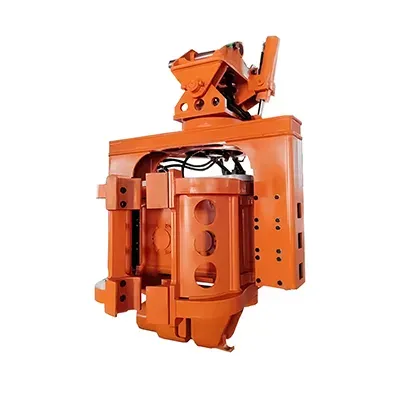
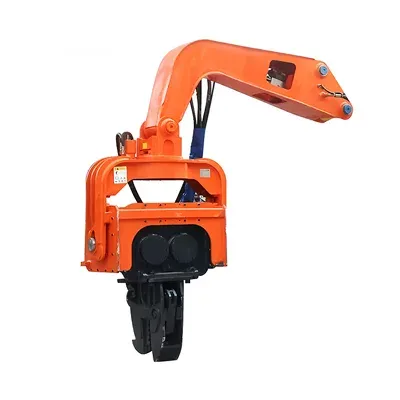
TGEC Hydraulic Dredge Pump – Efficient underwater dredging and sediment removal
TGEC Hydraulic Grapple – Marine material handling and placement
TGEC Hydraulic Bucket – Coastal excavation and shoreline shaping
TGEC Hydraulic Breaker – Rock and seabed fragmentation
TGEC Auger Attachment – Marine foundation drilling and piling support
As a professional attachment manufacturer, :contentReference[oaicite:0]{index=0} provides advanced excavator solutions for marine, port, and coastal engineering projects, helping contractors achieve higher efficiency, stability, and performance in challenging underwater environments.