


Scrap Metal Collection & Recycling Material Handling Solutions
Scrap metal collection is a critical stage in modern recycling operations. Whether recovering steel from demolition sites, handling industrial manufacturing waste, processing abandoned equipment, or managing recycling yards, efficient collection directly affects productivity, transportation costs, and material recovery rates.
Excavators equipped with specialized scrap handling attachments allow operators to collect, separate, load, and transport ferrous and mixed metal materials safely and efficiently. By combining magnetic recovery, sorting, and bulk handling functions, recycling businesses can maximize resource utilization while reducing manual labor requirements.
Common Scrap Metal Collection Applications
Demolition scrap metal recovery
Industrial manufacturing waste collection
Steel structure dismantling projects
Automotive recycling facilities
Construction site metal cleanup
Railway and infrastructure recycling
Scrap yard material management
Shipyard and marine metal recovery
Abandoned machinery removal projects
Municipal recycling center operations
Challenges in Scrap Metal Collection Operations
Unlike standard material handling, scrap metal collection often involves irregular shapes, sharp edges, mixed materials, and scattered debris. Operators must efficiently recover valuable metals while minimizing contamination from wood, concrete, plastic, and other non-metallic materials.
High-volume recycling facilities also require fast loading cycles, reduced machine downtime, and accurate material separation to improve downstream processing efficiency and maximize recycling profits.
Key Equipment Solutions for Scrap Metal Collection
Excavator Magnet
Excavator magnets are among the most effective tools for recovering ferrous metals from mixed waste streams. They quickly collect steel scrap, rebar, structural steel, nails, metal fragments, and demolition debris while reducing manual sorting requirements.
Magnetic handling significantly increases recovery rates and improves workplace safety by minimizing direct worker contact with sharp or hazardous materials.
Scrap Grapple
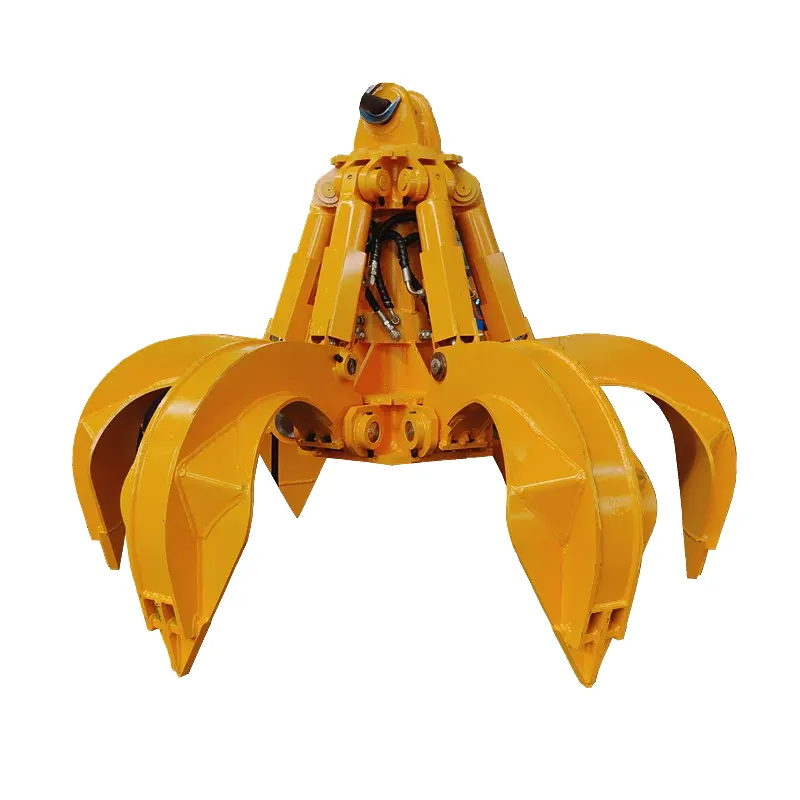
scrap grapples are designed for loading, sorting, stacking, and transferring bulky metal materials. They handle oversized scrap, machinery parts, steel beams, pipes, and mixed recycling materials that magnets cannot efficiently manage alone.
Demolition Grapple
Demolition grapples assist with site cleanup following building dismantling and industrial demolition projects. They allow operators to separate recyclable metal from concrete, wood, and other waste materials before transportation.
Hydraulic Shear
Large steel structures and oversized scrap materials often require cutting before transportation or processing. Hydraulic shears reduce material size, simplify handling, and improve transport efficiency.
Sorting Grapple
When dealing with mixed recycling streams, sorting grapples help separate valuable metal fractions from general waste, improving recycling plant productivity and reducing contamination levels.
How Modern Recycling Operations Improve Material Recovery
Successful scrap metal collection is no longer simply about moving material from one location to another. Modern recycling facilities focus on maximizing recovery value through efficient collection, separation, classification, and transportation processes.
A properly equipped excavator can perform multiple tasks throughout the recycling workflow, reducing the need for additional machines while increasing operational flexibility across changing material streams.
By integrating magnets, grapples, and shears into daily operations, recycling companies can improve throughput, reduce labor costs, and increase the percentage of reusable material recovered from every project.
Integrated Solutions for Different Scrap Sources
Demolition Sites – magnet and demolition grapple combinations for rapid metal recovery
Recycling Yards – Scrap grapples and magnets for bulk material handling
Industrial Plants – Efficient collection of manufacturing scrap and steel offcuts
Vehicle Recycling – Sorting grapples and shears for dismantling operations
Infrastructure Projects – Recovery of rebar, rail components, and structural steel
Typical Scrap Metal Collection Workflow
A typical operation begins with collection and concentration of scrap materials from demolition sites, industrial facilities, or recycling centers. Excavator magnets recover ferrous metals from mixed debris, while grapples separate larger components and organize stockpiles.
Oversized steel sections can then be processed using hydraulic shears before loading into trucks, containers, or recycling equipment. This integrated workflow improves productivity while maximizing recyclable material recovery.
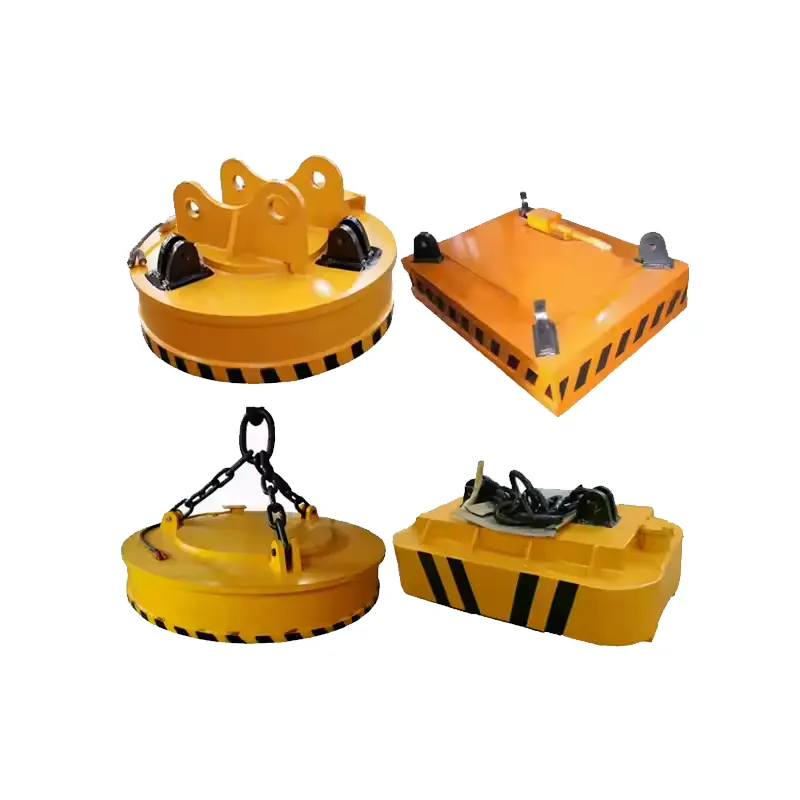
TGEC Excavator Magnet – Ferrous metal recovery and scrap collection
TGEC Scrap Grapple – Bulk metal handling and loading operations
TGEC Demolition Grapple – Material separation and site cleanup
TGEC Hydraulic Shear – Steel cutting and scrap size reduction
TGEC Sorting Grapple – Recycling material classification and processing
TGEC excavator attachment solutions are designed to help recycling contractors, demolition companies, scrap yards, and industrial operators improve collection efficiency, material recovery rates, and overall profitability across demanding scrap handling environments.