


Ship Breaking Equipment & Marine Vessel Dismantling Solutions
Ship breaking involves the controlled dismantling of end-of-life vessels, including cargo ships, tankers, fishing boats, and offshore structures. This process requires powerful and reliable excavator attachments capable of cutting thick steel hulls, removing internal structures, and handling large-scale marine scrap materials.
Modern ship recycling yards rely on hydraulic excavators equipped with specialized attachments to improve cutting efficiency, enhance safety, and maximize material recovery. From hull cutting to engine room dismantling, advanced tools ensure efficient and environmentally responsible ship breaking operations.
Ship Breaking Applications
Cargo ship dismantling and recycling
Oil tanker and chemical vessel breaking
Fishing vessel and small boat recycling
Offshore platform and marine structure removal
Port yard ship recycling operations
Marine engine and equipment dismantling
Steel hull cutting and segmentation
Ship superstructure demolition
Scrap metal recovery from marine vessels
End-of-life vessel decommissioning projects
Core Equipment for Ship Breaking
Hydraulic Shears
Hydraulic shears are used for precise cutting of ship hull plates, steel beams, and internal structural components. They are essential for controlled dismantling in confined shipyard environments.
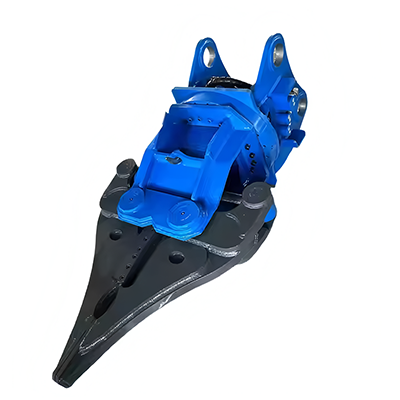
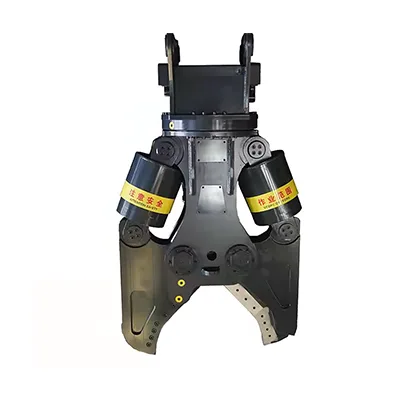
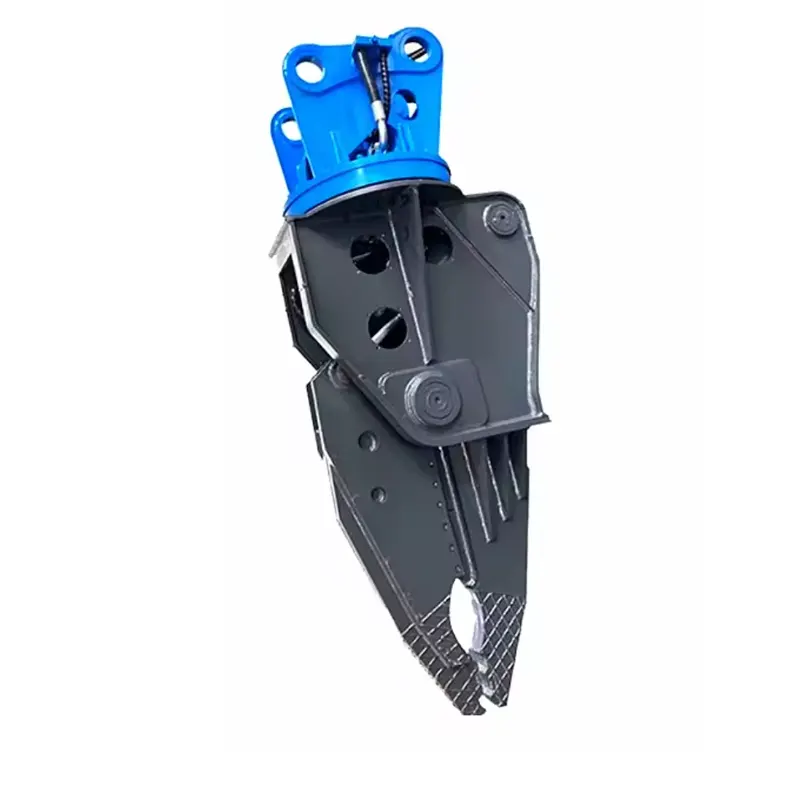
Demolition Shears
Demolition shears provide high crushing and cutting force for thick steel hull sections and reinforced marine structures. They are ideal for primary breakdown of large vessel sections.
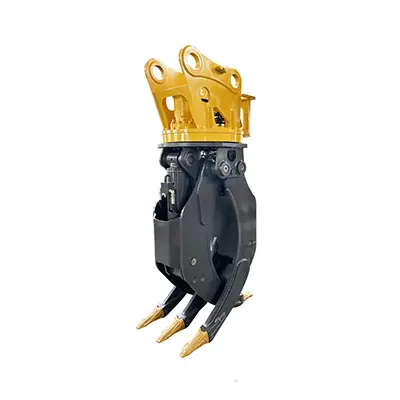
Hydraulic Grapple
Grapples are used for handling heavy ship components, sorting scrap materials, and loading steel sections for transport and recycling.
Hydraulic Breaker
Hydraulic breakers assist in removing concrete ballast, engine foundations, and reinforced structures commonly found in large vessels and offshore platforms.
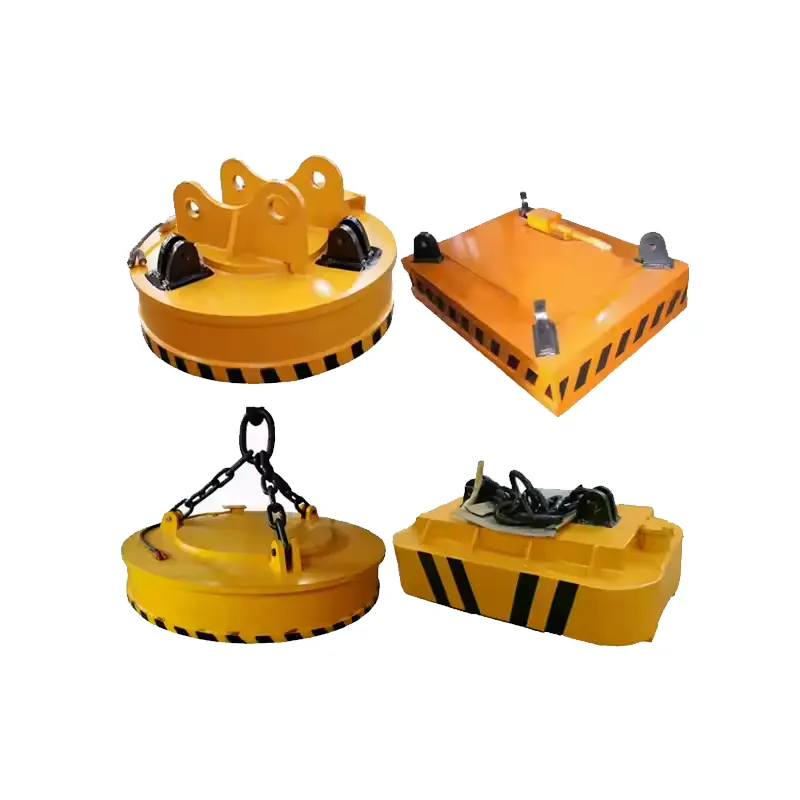
Magnet Attachment
magnet systems are used to efficiently separate ferrous steel from mixed marine scrap, improving sorting speed and recycling efficiency in shipyards.
Ship Breaking Workflow
A typical ship breaking process begins with hull cutting and structural segmentation using hydraulic or demolition shears. Large sections of the vessel are dismantled progressively from superstructure to hull base. Hydraulic grapples handle heavy material removal and sorting, while breakers remove reinforced concrete and embedded structures. Magnetic systems assist in separating steel for recycling.
This structured workflow ensures safe dismantling, efficient material recovery, and compliance with environmental and industrial safety standards in ship recycling operations.
Advantages of Excavator Attachments in Ship Breaking
Efficient cutting of thick marine steel structures
Improved safety in hazardous shipyard environments
Reduced reliance on manual torch cutting
Faster material handling and recycling
High productivity in large-scale vessel dismantling
Better separation of reusable steel materials
Equipment Selection Strategy for Ship Breaking Projects
Hydraulic Shears – Precision hull cutting and structural segmentation
Demolition Shears – Heavy steel hull crushing and dismantling
Hydraulic Grapple – Scrap handling and vessel material sorting
Hydraulic Breaker – Concrete ballast and foundation removal
Magnet Attachment – Steel separation and recycling optimization
Ship breaking operations typically require a combination of cutting, lifting, sorting, and recycling attachments to complete vessel dismantling efficiently and safely.
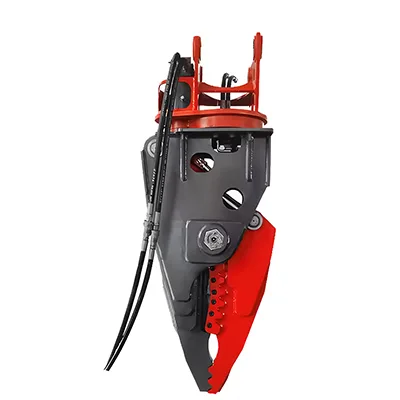
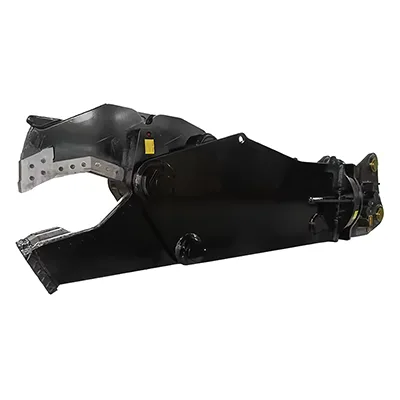
TGEC Hydraulic Shears – Precision ship hull cutting and dismantling
TGEC Demolition Shears – Heavy-duty marine steel structure removal
TGEC Hydraulic Grapple – Vessel scrap handling and sorting
TGEC Hydraulic Breaker – Reinforced concrete and ballast removal
TGEC Magnet Attachment – Efficient marine steel recycling