


Zoomlion Excavator Attachments by TGEC
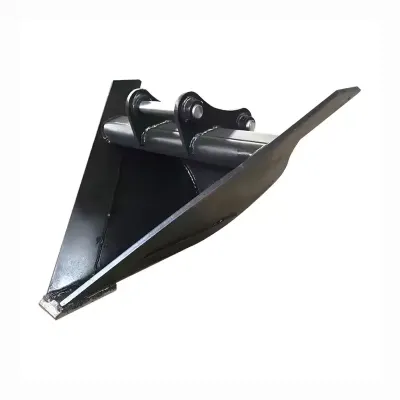
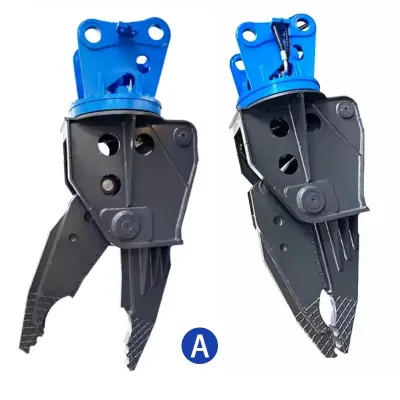
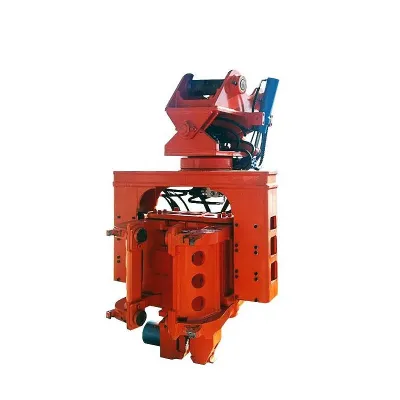
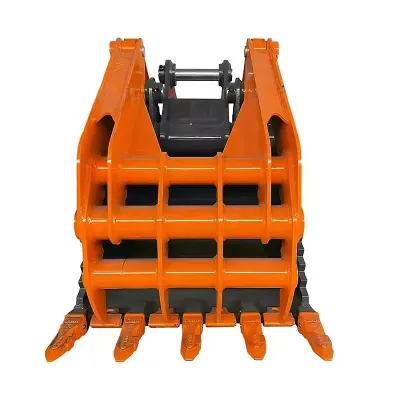
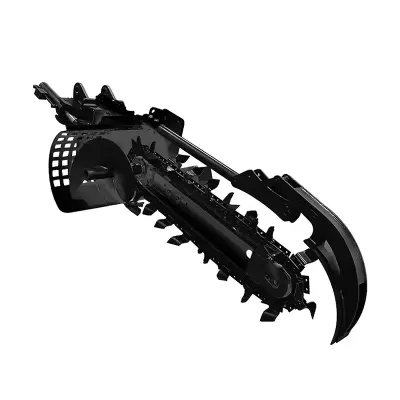
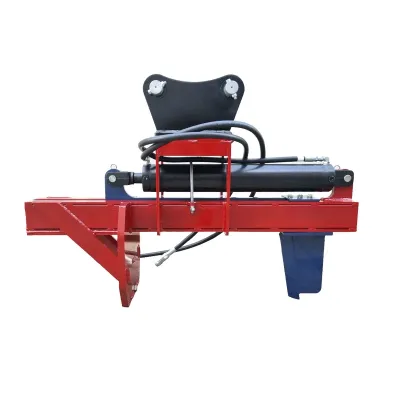
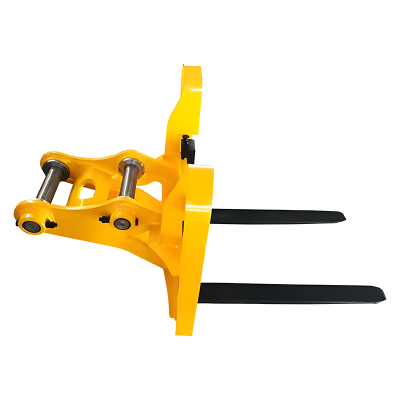
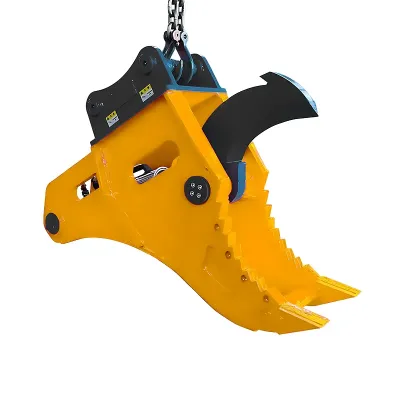
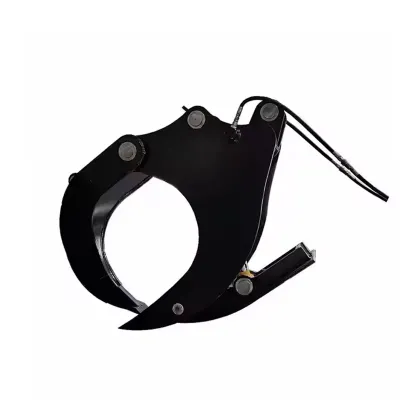
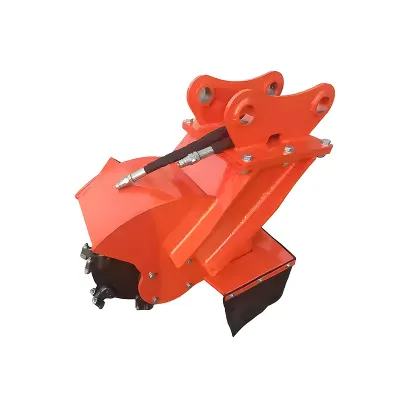
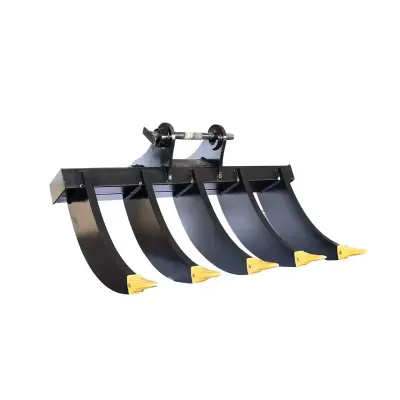
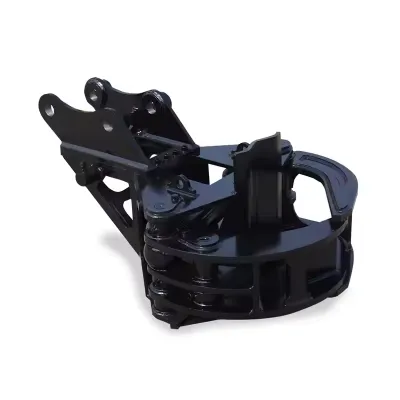
Zoomlion's ZE‑series excavators are built for 12‑hour quarry shifts and extreme conditions. TGEC attachments — buckets, breakers, grapples, rippers, and pulverizers — match that toughness with thicker steel, oversized pins, and double‑sealed bearings that shrug off dust and grit. Each tool is machined to your Zoomlion's exact arm geometry, so you bolt on and go.
We offer three durability tiers: Standard, Heavy, and Extreme (AR600 steel, 20‑tonne‑rated teeth). Dynamic balancing reduces shock loads on the boom, extending machine life by up to 30%. Every attachment comes with a wear‑tracking logbook — because in heavy industry, maintenance is science, not guesswork.
Zoomlion's high‑pressure hydraulics (up to 350 bar) demand attachments with correct orifice sizing and cushion valves. TGEC adds pressure‑relief cartridges and extra locking dogs on coupler plates to prevent rattle and protect the carrier from spikes. The result: a weld‑tight partnership between tool and machine.
Zoomlion Excavator Models
Mini Excavators — Standard
Zoomlion ZE18 · Zoomlion ZE26 · Zoomlion ZE35 · Zoomlion ZE55 · Zoomlion ZE60 · Zoomlion ZE75
Mini Excavators — Compact Radius (SR)
Zoomlion ZE60SR · Zoomlion ZE75SR
Medium Excavators
Zoomlion ZE135 · Zoomlion ZE145 · Zoomlion ZE205 · Zoomlion ZE215 · Zoomlion ZE245 · Zoomlion ZE285
Large & Mining Excavators
Zoomlion ZE335 · Zoomlion ZE375 · Zoomlion ZE490 · Zoomlion ZE550
Older Zoomlion models and non‑standard couplers are supported with custom adapters — send us your serial number for a free compatibility verification.
TGEC Attachments for Zoomlion Excavators
How to Choose the Right Zoomlion Attachment
Forget generic flow charts — start by classifying your typical material hardness and daily operating hours. If you are blasting and loading granite (Mohs hardness 6‑7), you need a heavy rock bucket with a reinforced heel and a breaker with a 2500‑3000 ft‑lb impact class. If you are handling soft limestone or overburden, a standard bucket with a bolt‑on cutting edge will suffice and save on weight. For demolition of reinforced concrete, a pulverizer with rebar‑cutting jaws and a rotation motor is more efficient than a breaker alone, as it separates steel from aggregate in one pass.
Next, consider the machine’s operating weight. The ZE18 and ZE26 are sub‑2‑tonne micros — they need tools under 80 kg to retain stability. The ZE55‑ZE75 range (5‑7 tonnes) can handle buckets up to 300 kg and breakers in the 150‑250 kg class. Medium ZE135‑ZE285 (13‑28 tonnes) are the sweet spot for multi‑purpose work — they can swing a 500‑600 kg breaker and a 1‑2 m³ bucket without breaking a sweat. The large ZE335‑ZE550 (33‑55 tonnes) are purpose‑built for production — they demand attachments weighing 1‑3 tonnes, with pin diameters exceeding 80 mm. TGEC provides a weight‑to‑capacity calculator on request, taking into account your machine’s lift chart and centre‑of‑gravity shift.
Finally, verify your coupler system. Zoomlion has evolved from pin‑on to wedge‑style couplers over the years, and some larger models feature a dual‑lock system for extra safety. TGEC supplies both direct‑mount plates and conversion brackets, and we can even match non‑Zoomlion couplers if you have a third‑party system. A simple photo of your arm end or a serial number is enough for us to recommend the correct bracket set — no guesswork, no costly returns.
Frequently Asked Questions
How does Zoomlion’s heavy‑duty design influence attachment selection?+
What is the benefit of TGEC’s Extreme‑duty grade for mining applications?+
Can I use a TGEC attachment on a Zoomlion equipped with a non‑Zoomlion coupler?+
What maintenance schedule does TGEC recommend for high‑hour Zoomlion operations?+
Does TGEC offer custom attachments for specialised Zoomlion applications?+
Zoomlion Excavators Are Built to Last — and So Are Our Attachments.
Share your Zoomlion model, serial number, or a description of your toughest applications. We'll analyze your operating conditions and recommend a custom attachment package with wear-life and cost-per-ton estimates — because in heavy industry, the right tool isn't just an expense; it's an investment that pays for itself.