Welcome to the Official Website of TianGe Attachments.

Excavator Wood Splitter

Excavator Wood Splitter

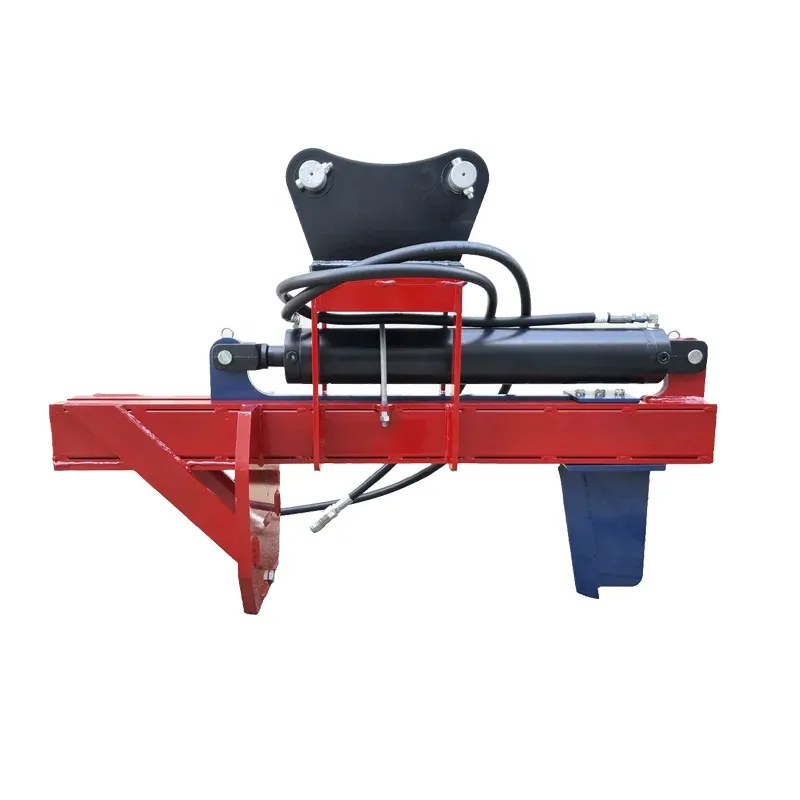
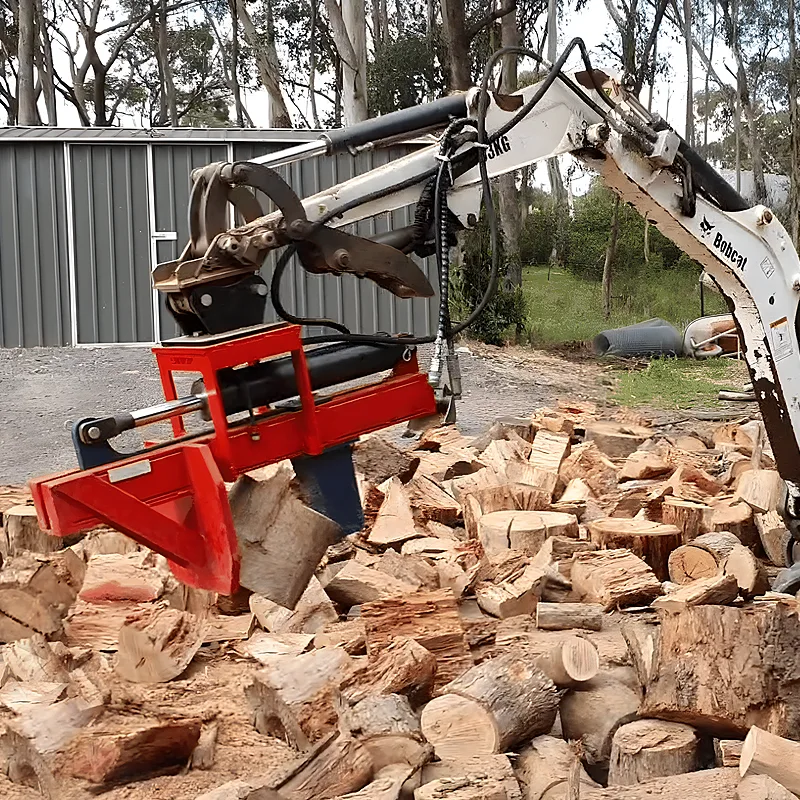
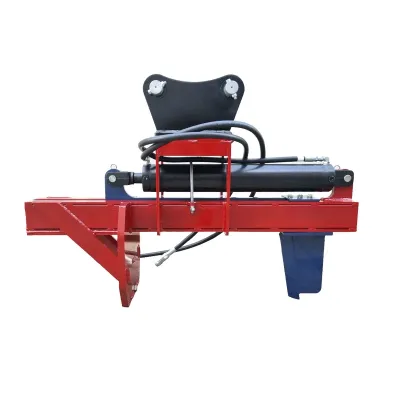
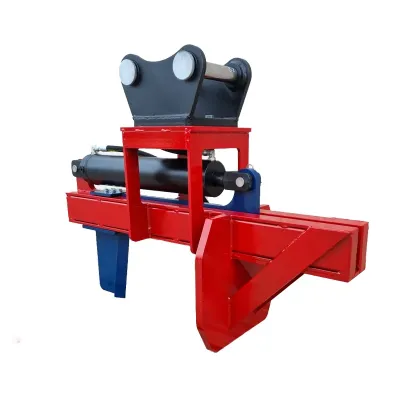
Conventional hydraulic log splitter with a Hardox wedge driven by a hydraulic ram, producing clean splits for firewood and timber processing. Two models cover excavators from 2 to 8 tons with splitting capacities of 470 mm and 610 mm.
Product Name: Hydraulic log splitter / Excavator wood splitter / Log splitter attachment / Excavator-mounted log splitter / Timber splitter
Type: Log Splitters
After-sales Service: Provided
Warranty: 1 Year
Customization: Available
Shipping Cost: Negotiate with us about shipping cost and estimated delivery time.
Get a quote
Overview
FAQ

Product Overview

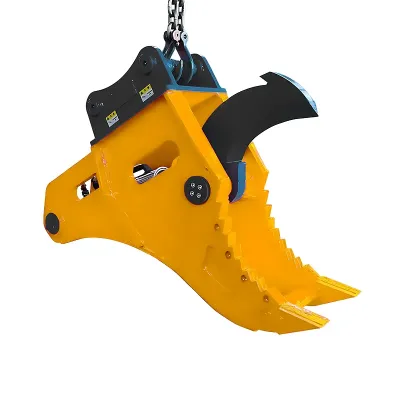
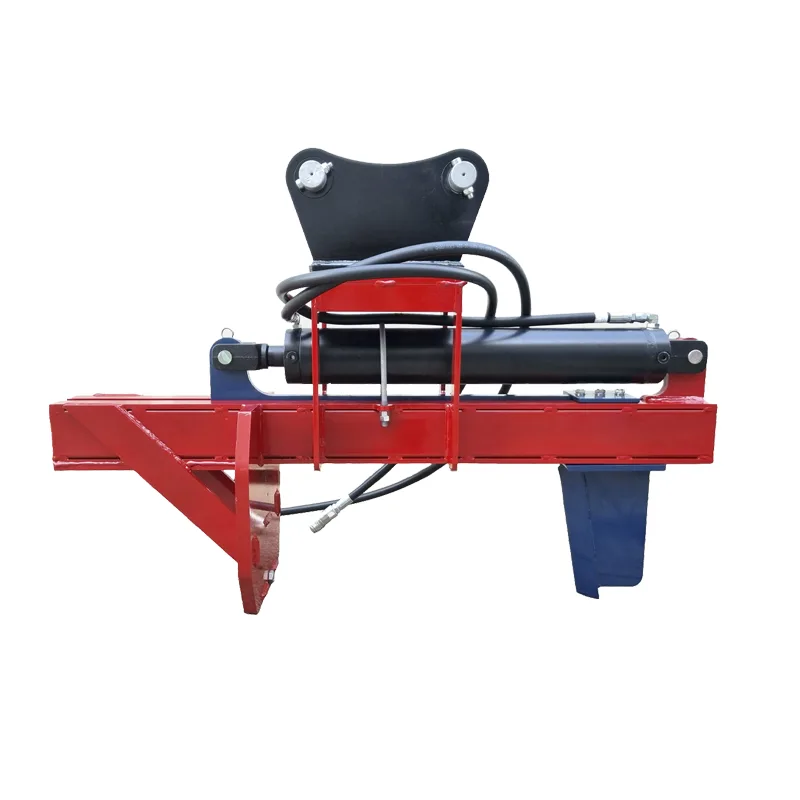
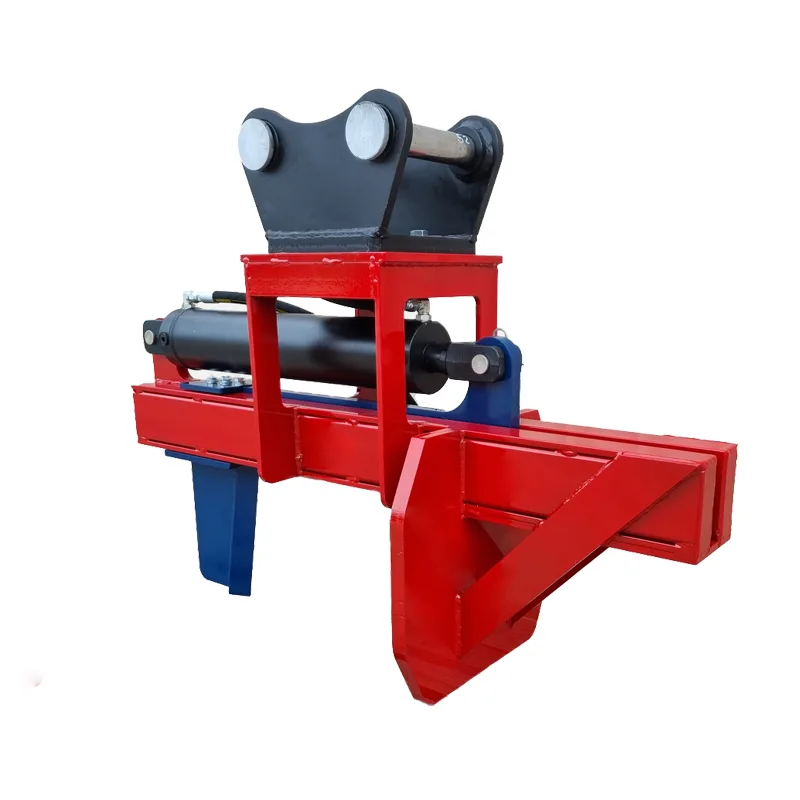
The TGEC excavator log splitter is a conventional hydraulic splitting attachment in the Excavator Log Splitters range, purpose-built for on-site wood processing, firewood production, land clearing, and forestry work. It pins onto the excavator boom with standard pin-on or quick coupler brackets and ties into the machine's auxiliary hydraulic circuit, so operators can split logs right where they fall—no hauling to a stationary splitter. The attachment uses a hydraulic ram to drive a hardened Hardox wedge into the end of a log, forcing it apart along the grain with straightforward linear force. Two models are available: the SL-WS 470 with a 470 mm split capacity and 21 tonne rating for 2–8 ton excavators, and the SL-WS 610 with a 610 mm split capacity and 25 tonne rating for 5–8 ton excavators.

Both models feature high-strength steel construction, a replaceable Hardox cutting wedge, sealed hydraulic components, and heavy-duty mounting brackets built to take the abuse of forestry and land-clearing work. The hydraulic ram is sized to deliver consistent splitting force across the full stroke, and the wedge geometry is designed to produce clean, uniform splits that are ideal for firewood and timber processing. The compact design minimizes boom overhang and preserves the excavator's lift capacity and stability—especially important when working at full extension or on uneven ground. The SL-WS 470 is a great fit for mini excavators and smaller-scale firewood operations, while the SL-WS 610 steps up the capacity for bigger logs and higher-volume processing. For large-diameter logs and hardwoods, the rotating Excavator Cone Splitter offers an alternative splitting approach.

Technical Specifications

ModelSL-WS 470SL-WS 610
Overall Width400 mm / 15.7 in400 mm / 15.7 in
Overall Length1150 mm / 45.3 in1300 mm / 51.2 in
Overall Height700 mm / 27.6 in700 mm / 27.6 in
Split Capacity470 mm / 18.5 in610 mm / 24.0 in
Excavator Range2–8 T5–8 T
Required Hydraulic Flow30 L/min / 7.9 GPM75 L/min / 19.8 GPM
Maximum Hydraulic Flow80 L/min / 21.1 GPM100 L/min / 26.4 GPM
Working Pressure3000 PSI / 207 bar3000 PSI / 207 bar
Cutting WedgeHardox WedgeHardox Wedge
Splitting Force21 tonne25 tonne

Specifications may vary by configuration. Contact TGEC for custom mounting brackets and hydraulic flow options.

How It Works

The excavator log splitter runs off the machine's auxiliary hydraulic circuit to power a hydraulic ram that drives a hardened Hardox wedge into the end of a log. When the operator engages the auxiliary hydraulic control, pressurized fluid extends the ram, forcing the wedge into the log and splitting it apart along the grain with direct linear force. Once the log is split, the operator reverses the hydraulic flow to retract the ram, bringing the wedge back to its starting position for the next log. The excavator's boom and arm controls let you position the splitter against the log precisely, while the wedge geometry keeps the log from shifting or binding during the stroke.

Application Scenarios

  • Firewood production: Split logs into firewood-sized pieces directly at the cutting site, eliminating transport to a stationary splitter.

  • Land clearing: Process fallen trees and brush into manageable pieces for removal, mulching or disposal on construction and development sites.

  • Forestry operations: Split logs for further processing, reduce log volume for transport, and process thinning material in managed woodlands.

  • Tree service: Process removed trees on site, reducing hauling costs and enabling on-site firewood or mulch production.

  • Farm and rural maintenance: Clear fallen trees, split firewood for personal use, and maintain woodlots and fence lines on rural properties.

  • Municipal park maintenance: Process storm-damaged trees, maintain park woodlands, and produce mulch or firewood from routine maintenance operations.

  • Timber yard processing: Split and process logs at timber yards and sawmills for secondary processing or firewood resale.

Installation & Mounting

The excavator log splitter mounts to the boom using standard pin-on or quick coupler brackets, with mounting plates fabricated to match your machine's pin-to-pin spacing, pin diameter, and coupler interface. Hydraulic hoses connect the splitter's ram to the excavator's auxiliary circuit, with routing planned to avoid interference with boom and arm movement and to prevent pinching or abrasion during work. Before first use, verify that your machine's auxiliary flow and pressure fall within the attachment's specified range, that all hydraulic connections are secure and leak-free, and that the mounting pins are properly installed and secured with retaining clips or bolts.

Wear & Service

The main wear component is the Hardox cutting wedge—check it regularly for dullness, chipping, or cracking, and replace or re-sharpen it when cutting performance drops off. Inspect the hydraulic ram seals for leaks or damage, and replace seal kits as needed to keep splitting force consistent and prevent fluid contamination. Check hydraulic hoses and fittings for abrasion, cracking, or leaks—replace damaged hoses immediately to avoid catastrophic failure under pressure. Grease mounting pins and bushings on schedule and inspect them for excessive wear; replace worn pins or bushings to maintain proper attachment alignment and prevent structural stress. Also inspect the steel frame and welds periodically for cracks or deformation, especially after heavy use or impacts, and have any structural damage repaired by a qualified welder before putting the splitter back to work.

Dealer & Bulk Orders

TGEC supplies excavator log splitters to forestry equipment dealers, tree service contractors, land-clearing firms, municipal maintenance departments, and OEM partners worldwide. We offer dealer and bulk-supply programs based on model selection, order volume, machine specs, and project needs. OEM and private-label arrangements can also be explored based on partner requirements and production feasibility.

Request a Quote

To get a quote, send us your excavator make and model, operating weight, auxiliary flow and pressure, pin spacing and diameter, coupler type, preferred model (SL-WS 470 or SL-WS 610), typical log diameter and wood type, and what you'll be using it for. We'll check compatibility, recommend the right setup, and send back a factory-direct quote with delivery terms.
Frequently Asked Questions

What is an excavator log splitter used for?+

An excavator log splitter is used to split logs into smaller pieces for firewood, timber processing, land clearing and forestry operations. It mounts to the excavator's boom and uses hydraulic power to drive a wedge into logs, allowing on-site processing without transporting logs to a stationary splitter. Common applications include firewood production, fallen tree processing on construction sites, tree service operations, farm maintenance and municipal park management. The attachment is particularly valuable for remote or difficult-to-access sites where transporting whole logs is impractical or costly.

How does an excavator log splitter split wood?+

An excavator log splitter uses the excavator's auxiliary hydraulic circuit to power a hydraulic ram that drives a hardened Hardox wedge into the end of a log. When the operator activates the auxiliary hydraulic control, pressurized hydraulic fluid extends the ram, forcing the wedge into the log and splitting it apart along the grain with direct linear force. Once the log is split, the operator reverses the hydraulic flow to retract the ram, returning the wedge to its starting position. The excavator's boom and arm controls position the splitter against the log, while the wedge geometry ensures clean, controlled splitting without the log shifting or binding during the stroke.

What type of excavator can operate a log splitter attachment?+

Excavator log splitters can be operated by mini and full-size excavators within the attachment's specified tonnage range, provided the machine has an auxiliary hydraulic circuit with adequate flow and pressure. The SL-WS 470 is designed for 2–8 ton excavators, while the SL-WS 610 is designed for 5–8 ton excavators. The excavator must have sufficient lift capacity at working reach to handle the attachment weight plus the log being split, and must have compatible mounting brackets with the correct pin-to-pin spacing and pin diameter. Excavators with high-flow auxiliary hydraulic circuits are preferred for faster cycle times, though standard-flow circuits can operate the attachment within the specified flow range.

How should an excavator log splitter be matched to auxiliary hydraulics?+

An excavator log splitter should be matched to the auxiliary hydraulic circuit by verifying that the machine's hydraulic flow rate and working pressure fall within the attachment's specified range. The SL-WS 470 requires 30 L/min minimum flow with a maximum of 80 L/min, while the SL-WS 610 requires 75 L/min minimum with a maximum of 100 L/min, both operating at 3000 PSI. If the excavator's flow exceeds the attachment's maximum, a flow regulator or pressure-compensating valve should be installed to prevent damage to the hydraulic ram and seals. If the flow is below the minimum, the ram will extend slowly, reducing productivity. The hydraulic circuit should also have adequate reservoir capacity and cooling to handle continuous operation.

What log size and wood conditions should be considered when selecting a log splitter?+

When selecting a log splitter, consider the maximum log diameter, log length, wood species and moisture content, as these factors directly affect the required splitting force and capacity. The SL-WS 470 handles logs up to 470 mm in diameter, while the SL-WS 610 handles logs up to 610 mm. Hardwoods such as oak, maple and ash require more splitting force than softwoods like pine and poplar, and green or freshly cut wood is generally easier to split than seasoned or dried wood due to higher moisture content. Logs with knots, twisted grain or irregular shapes require more force and may cause the wedge to bind, so a higher-capacity model is recommended for difficult wood conditions. The log length should also be considered, as longer logs may require additional support or a log cradle to prevent shifting during splitting.

How is an excavator log splitter mounted to the machine?+

An excavator log splitter is mounted to the excavator's boom using standard pin-on or quick coupler brackets, with mounting plates fabricated to match the specific excavator model's pin-to-pin spacing, pin diameter and coupler interface. For pin-on mounting, the attachment's mounting bracket aligns with the boom's mounting ears, and mounting pins are inserted through the bracket and boom ears, then secured with retaining clips or bolts. For quick coupler mounting, the attachment's bracket is designed to interface with the excavator's quick coupler system, allowing the operator to attach and detach the splitter without manually inserting or removing pins. Hydraulic hoses are then connected from the attachment's hydraulic ram to the excavator's auxiliary hydraulic circuit, with hose routing planned to avoid interference with boom and arm movement.

What mounting information is needed for an excavator log splitter?+

To ensure proper mounting compatibility, provide the excavator make and model, operating weight, pin-to-pin spacing between the boom mounting ears, pin diameter, and coupler type (direct pin-on or quick coupler brand and model). Also specify whether the excavator has a standard or long-reach boom, as this can affect the attachment's swing radius and lift capacity. For quick coupler systems, provide the coupler manufacturer and model number to ensure the mounting bracket is compatible with the coupler's locking mechanism. If the excavator has been modified with aftermarket boom extensions or arm modifications, disclose these modifications as they may affect mounting compatibility and require custom bracket fabrication. Providing complete and accurate mounting information ensures the attachment fits properly and operates safely without modification or adapter plates.

What parts of an excavator log splitter are subject to wear?+

The primary wear parts of an excavator log splitter are the Hardox cutting wedge, hydraulic ram seals, hydraulic hoses and fittings, mounting pins and bushings, and the steel frame and welds. The cutting wedge is the most frequently replaced component, as it dulls or chips from repeated wood contact and should be re-sharpened or replaced when cutting performance declines. Hydraulic ram seals degrade from pressure cycling and contamination, leading to leaks and reduced force, and should be replaced with a seal kit as needed. Hydraulic hoses, mounting pins and bushings should be inspected regularly for abrasion, leaks or excessive play and replaced when worn. The steel frame and welds should be inspected periodically for cracks or deformation, particularly after heavy use or impact.

How does a conventional hydraulic log splitter differ from a cone splitter?+

A conventional hydraulic log splitter uses a ram to drive a Hardox wedge with direct linear force, producing clean, uniform splits ideal for firewood production. A cone splitter uses a rotating conical screw that bores into the log and splits it with rotational torque, making it more effective for large-diameter logs and hardwoods. Conventional splitters have fewer moving parts and simpler maintenance, while cone splitters require a hydraulic motor and case drain line, adding complexity. The choice depends on log diameter, wood type, desired split quality, available hydraulics and intended application. For a detailed comparison, refer to the Excavator Log Splitter vs Cone Splitter guide.

What should operators check before using an excavator log splitter?+

Before using an excavator log splitter, verify that mounting pins are secured, hydraulic hose connections are tight and leak-free, and the excavator's hydraulic fluid level is within range. Inspect the Hardox cutting wedge for dullness, chipping or cracking, and check that the hydraulic ram extends and retracts smoothly without binding. Verify the excavator's lift capacity at working reach is sufficient for the attachment plus log weight, and clear the work area of bystanders and obstacles. Ensure all personnel are trained in safe operation and wear appropriate personal protective equipment. Finally, confirm the log is stable and properly positioned with no risk of rolling or shifting during splitting.
Please make sure to include your phone number with the country code (e.g., 86 for China, 1 for USA).