Welcome to the Official Website of TianGe Attachments.

Skid Steer Hydraulic Logging Winch

Skid Steer Hydraulic Logging Winch

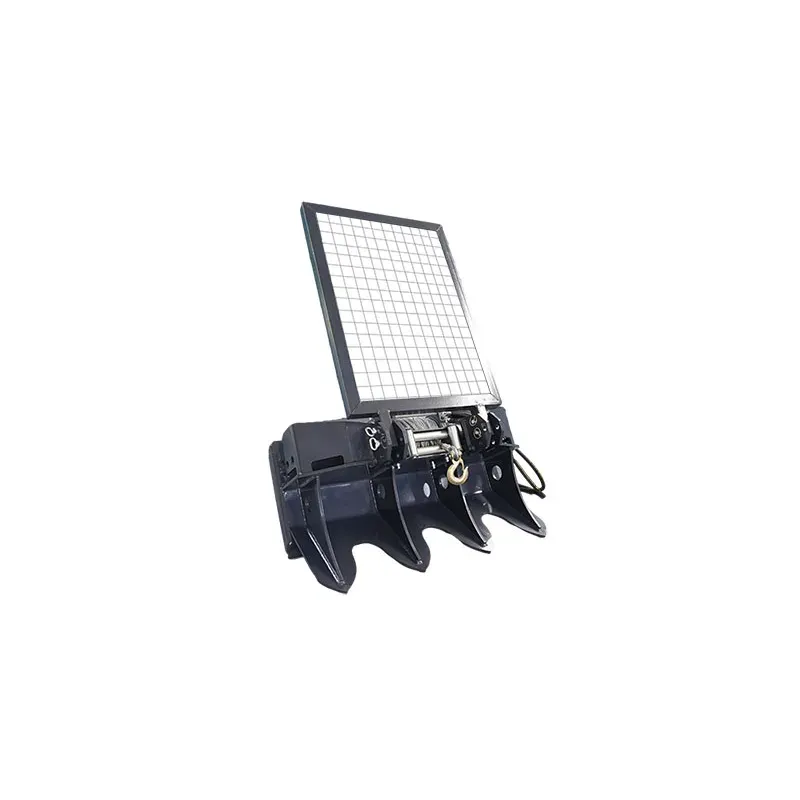
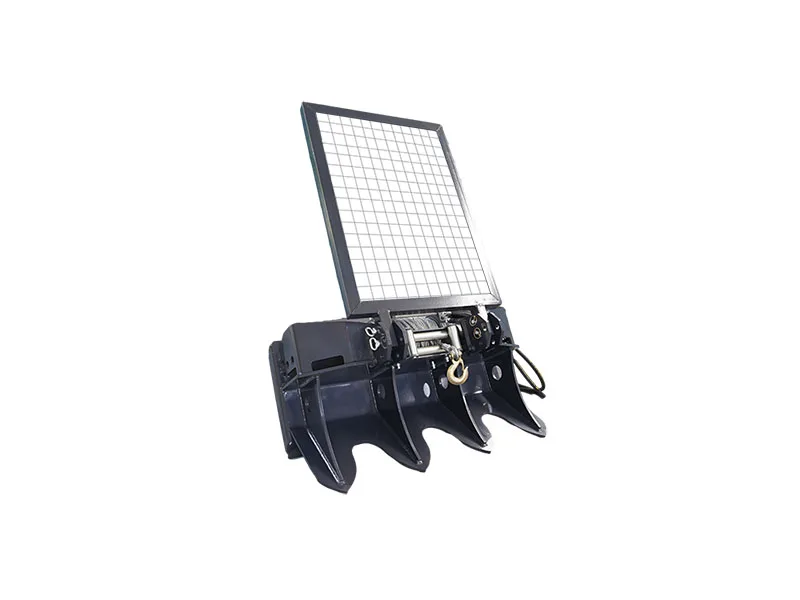
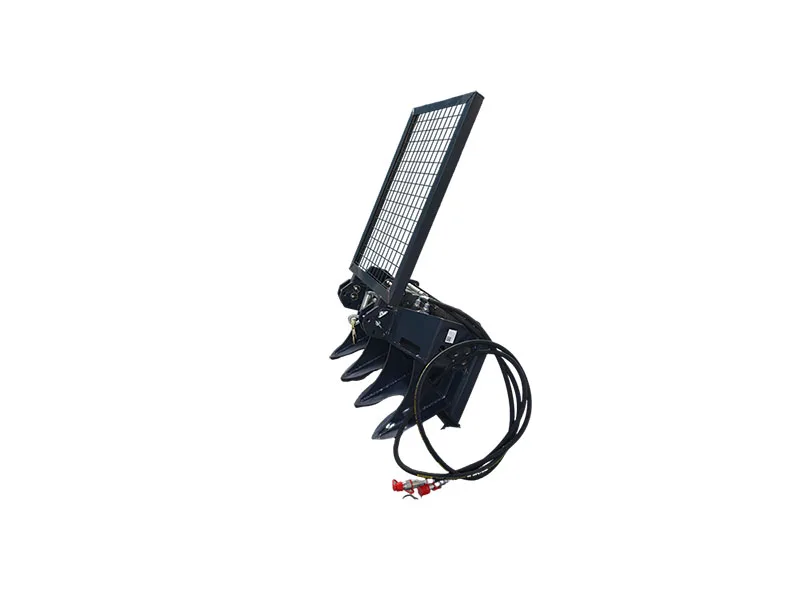
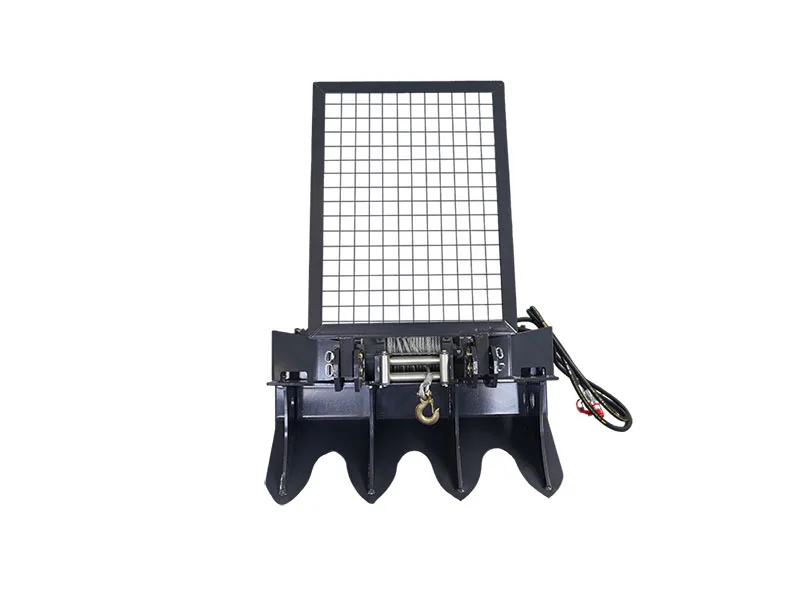
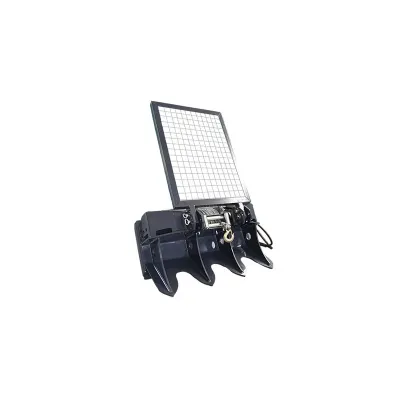
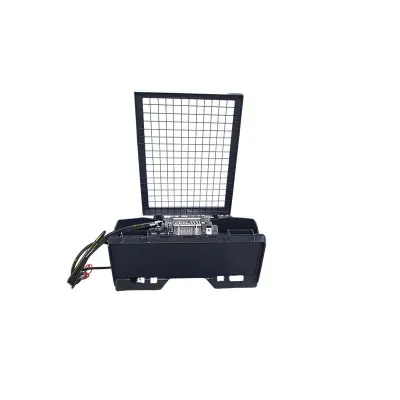
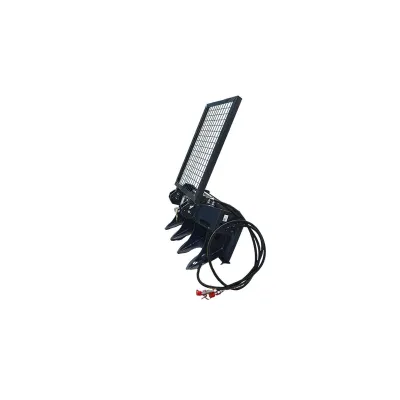
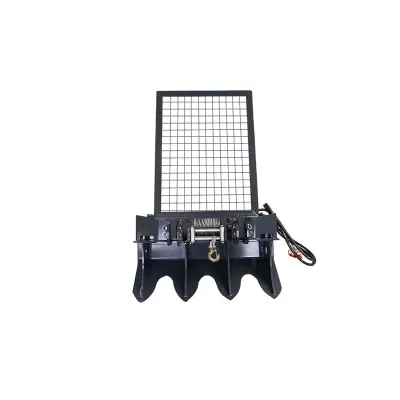
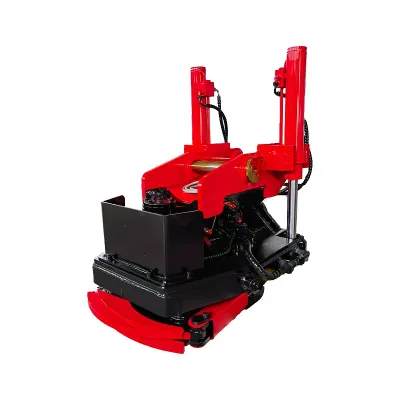
TG-FW6T skid steer hydraulic logging winch delivers 6-ton pulling capacity with 30 m cable, 13 MPa operating pressure, and 60 L/min hydraulic flow. Available with MP1140 universal quick-attach or EURO / SMS tractor bracket for forestry, skidding, and recovery work.
Product Name: Logging Winch / Skid Steer Logging Winch / Hydraulic Logging Winch / Forestry Winch / Skidding Winch / Tractor Logging Winch / Cable Winch / Dragging Winch
Type: Winches
After-sales Service: Provided
Warranty: 1 Year
Customization: Available
Shipping Cost: Negotiate with us about shipping cost and estimated delivery time.
Get a quote
Overview
FAQ

Product Overview

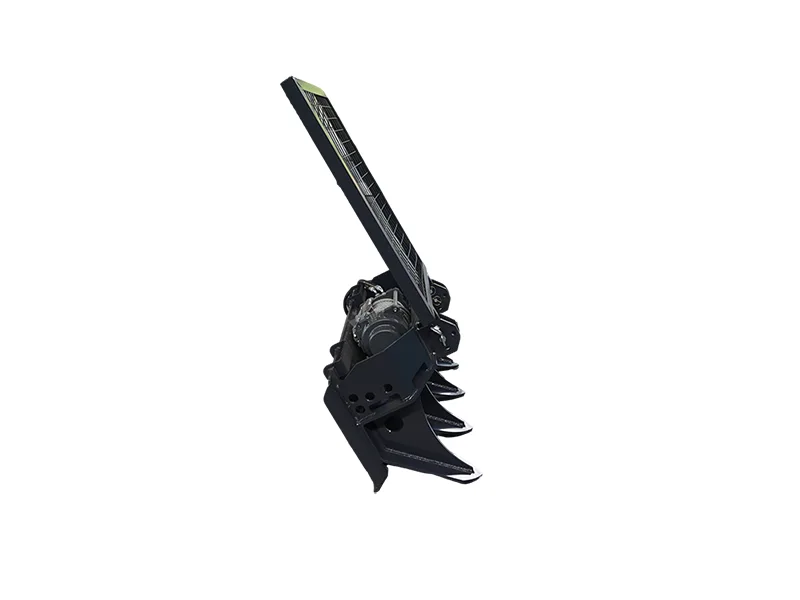
The TG-FW6T hydraulic logging winch is a heavy-duty pulling attachment built for forestry, timber skidding, land clearing, and equipment recovery. It runs off the carrier's auxiliary hydraulics, delivering a rated 6-ton pulling capacity through a 30 m cable — enough to extract logs from steep terrain, recover stuck equipment, and handle heavy pulling on the job site.

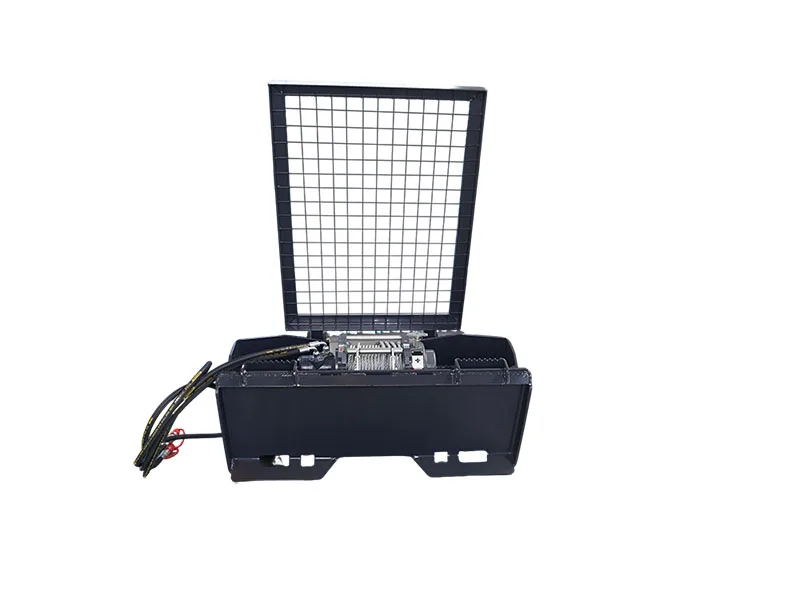
Two mounting configurations cover different carriers: the TG-FW6T-30-MP1140 with a universal quick-attach plate for standard skid steer loaders, and the TG-FW6T-30-SH with a EURO / SMS tractor bracket for dedicated forestry tractors. Both share the same hydraulic performance, 12 mm main plate construction, and integrated brake system. Every unit is built and tested in the TianGe factory as part of our skid steer winch attachments line.

Technical Specifications

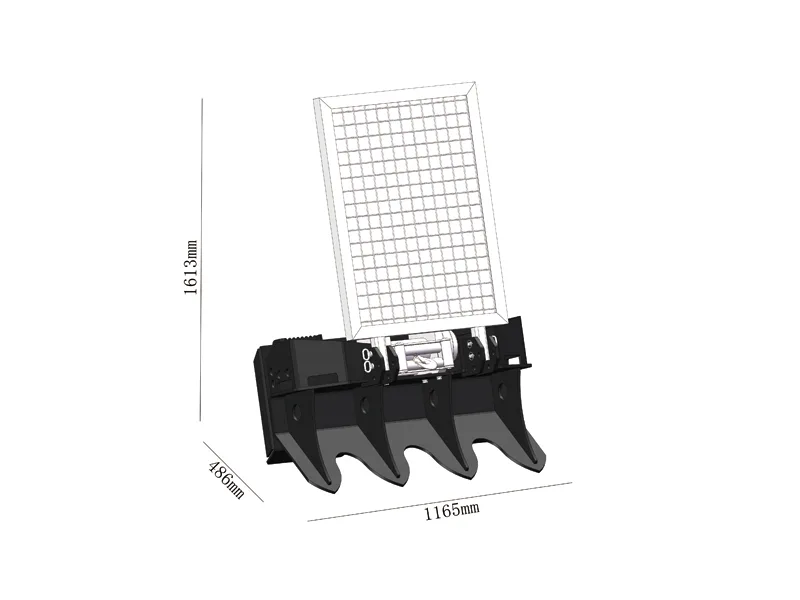
ParameterTG-FW6T-30-MP1140TG-FW6T-30-SH
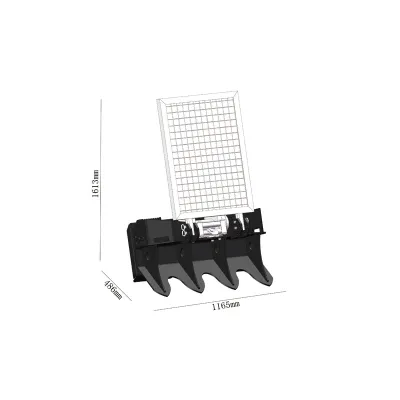
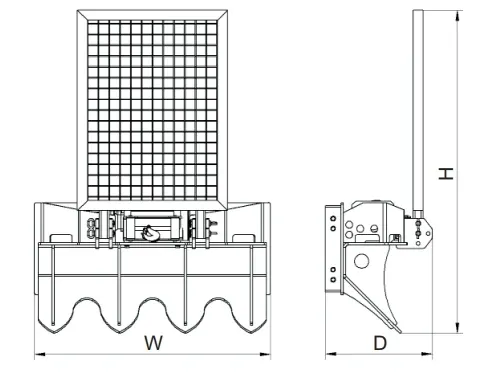
Dimensions (L×W×H)1165 × 531 × 1613 mm (45.9 × 20.9 × 63.5 in)1180 × 535 × 1613 mm (46.5 × 21.1 × 63.5 in)
Main Plate Thickness12 mm (0.47 in)12 mm (0.47 in)
Rated Pulling Capacity6 T (6,000 kg / 13,228 lb)6 T (6,000 kg / 13,228 lb)
Cable Length30 m (98 ft)30 m (98 ft)
Operating Pressure13 MPa13 MPa
Hydraulic Flow Required60 L/min60 L/min
Mounting TypeMP1140 Universal Quick-AttachEURO / SMS Tractor Bracket
Product Weight260 kg (573 lb)265 kg (584 lb)

Table data is for reference only. Actual specifications may vary based on the final configuration. Please contact the TianGe technical team for details.
TGEC Skid Steer Hydraulic Logging Winch – 6 Ton Forestry Skidding Winch

How It Works

The winch connects to the skid steer's auxiliary hydraulic circuit, driving a hydraulic motor coupled to a planetary gear reduction. The gearbox transfers torque to the drum, winding or unwinding the cable to pull or release the load. An integrated brake holds the load securely when hydraulic pressure is removed or during static pulling, preventing unintended cable payout. The operator controls winch in, winch out, and speed through the carrier's auxiliary controls, allowing precise modulation of pulling force and line speed.

Application Scenarios

  • Log skidding and timber extraction in forestry and woodlot operations

  • Pulling felled trees from steep, muddy, or inaccessible terrain

  • Vehicle and equipment recovery on construction sites and off-road trails

  • Land clearing and brush removal during site preparation

  • Firewood harvesting and biomass collection

  • Recovering stuck ATVs, trucks, and farm machinery

Installation & Mounting

The MP1140 model slides onto a standard universal skid steer quick-attach plate and locks in place with the carrier's existing quick-attach levers — no tools required for attachment swapping. The SH model mounts to a EURO / SMS tractor bracket using the tractor's front loader linkage. Both configurations connect to the carrier's auxiliary hydraulic couplers; confirm the hydraulic flow matches the 60 L/min requirement and that relief pressure is set to the 13 MPa operating pressure before use. For a detailed overview of configuration choices, see our guide on skid steer winch mounting options.

Wear & Service

Regular maintenance focuses on the cable, drum, hydraulic connections, and brake system. Inspect the cable for fraying, kinks, and corrosion before each use, and replace it when strand breakage exceeds safe limits. Lubricate the cable periodically with a suitable wire rope lubricant to prevent rust and reduce internal wear. Check hydraulic hoses and fittings for leaks or abrasion, and ensure all mounting bolts remain torqued to specification. The gearbox and brake assembly are sealed for long service life but should be inspected annually or after heavy-duty use. If you are sizing a winch for a new carrier, our choosing the right skid steer winch guide covers hydraulic flow and capacity requirements.

OEM & Bulk Supply

TianGe offers OEM and private-label programs for the TG-FW6T winch, including custom branding, modified cable lengths, alternative mounting plates, and tailored packaging. Dealers and distributors can order in bulk with consolidated shipping and volume pricing. Contact our sales team to discuss your OEM or bulk supply requirements.

We'll need your configuration, quantity, and destination. We'll confirm the specs and reply with a quote and estimated delivery timeline.

Let us know whether you need the MP1140 quick-attach or EURO / SMS bracket version, any custom cable length requirements, your order quantity, and where the shipment is going. Our team will verify the fit for your carrier and send you factory-direct pricing with delivery details.
Frequently Asked Questions

What is a skid steer hydraulic logging winch used for?+

A skid steer hydraulic logging winch is used for pulling and skidding logs, extracting timber from difficult terrain, recovering stuck vehicles and equipment, land clearing, and other heavy-pulling tasks. It mounts to a skid steer loader or tractor and runs on the carrier's auxiliary hydraulic system.

Can this winch be used for both logging and recovery work?+

Yes. The TG-FW6T is designed to serve both logging and recovery applications. Its 6-ton pulling capacity, 30 m cable, and hydraulic control make it suitable for log skidding in forestry as well as vehicle and equipment recovery on job sites. The same winch platform handles both use cases without modification.

What skid steer hydraulic flow is required?+

The TG-FW6T requires a hydraulic flow of 60 L/min. Most mid-to-large frame skid steer loaders with standard or high-flow auxiliary hydraulics can meet this requirement. Check your carrier's auxiliary flow rating before installation to ensure optimal winch performance and line speed.

What hydraulic pressure does the winch require?+

The winch operates at a 13 MPa operating pressure. Ensure your carrier's auxiliary hydraulic relief pressure is set within this range. Operating at significantly lower pressure reduces pulling capacity, while excessive pressure can damage the winch's hydraulic motor and seals.

How is the winch mounted to a skid steer?+

The MP1140 model mounts using a universal quick-attach plate. The operator aligns the winch's mounting frame with the skid steer's quick-attach interface, lowers the locking levers, and connects the auxiliary hydraulic couplers. No tools are required for attachment swapping. The SH model uses a EURO / SMS tractor bracket for tractor-mounted applications.

Does the winch use a universal skid steer quick-attach system?+

Yes, the TG-FW6T-30-MP1140 model uses an MP1140 universal quick-attach mounting system, compatible with most standard skid steer loaders. This allows the winch to be swapped with other skid steer attachments quickly. For tractors, the TG-FW6T-30-SH model uses a EURO / SMS bracket instead.

How is pulling capacity determined for a hydraulic skid steer winch?+

Pulling capacity is determined by the hydraulic motor displacement, gear reduction ratio, and operating pressure. The TG-FW6T is rated at 6 tons (6,000 kg) of pulling force at its 13 MPa operating pressure. Actual pulling force may vary based on cable layer diameter on the drum, hydraulic flow, and operating pressure. The first layer of cable on the drum provides the maximum rated pull.

What cable or rope options are available for a logging winch?+

The TG-FW6T comes standard with a 30 m steel wire rope suitable for logging and skidding. Custom cable lengths are available on request for applications requiring longer reach, such as deep-forest extraction. Synthetic rope options can be discussed for operators seeking reduced weight and increased safety, though steel wire rope remains standard for heavy-duty forestry use.

How does the winch brake system control the load?+

The winch uses an integrated brake that engages automatically when hydraulic pressure is removed or when the load is static. The brake holds the drum in place, preventing the cable from paying out under load. During active pulling or releasing, the brake releases proportionally with hydraulic flow, allowing the operator to control line speed. This design ensures the load remains secure even if hydraulic pressure drops unexpectedly.

What ground anchoring or stabilizing features are used during heavy pulls?+

During heavy pulls, the skid steer or tractor itself serves as the primary anchor, with its weight and tire traction resisting the reaction force. For extreme pulling scenarios, operators can use the carrier's bucket or blade to dig into the ground for additional anchoring. The winch's mounting frame is engineered to distribute pulling forces evenly across the quick-attach plate or tractor bracket. Always ensure the carrier is on stable ground and the cable is aligned with the direction of pull to minimize side loading.

What wear parts should be inspected regularly?+

Key wear parts to inspect include the steel wire rope (check for fraying, broken strands, kinks, and corrosion), the drum and fairlead (check for grooves and wear), hydraulic hoses and fittings (check for leaks, abrasion, and cracking), mounting bolts and pins (check for tightness and wear), and the brake assembly (verify holding power). The cable is the most frequently replaced wear item and should be inspected before every use.

How should a skid steer winch be maintained after heavy pulling operations?+

After heavy pulling, inspect the entire cable length for damage and rewind it evenly onto the drum to prevent bird-nesting. Clean the cable and apply wire rope lubricant if it appears dry. Check hydraulic hoses for heat damage or leaks and allow the system to cool before storage. Inspect mounting bolts for loosening and retorque if necessary. Wipe down the winch frame to remove mud, sap, and debris, and store the unit in a dry area. Periodically verify brake holding power with a static load test.
Please make sure to include your phone number with the country code (e.g., 86 for China, 1 for USA).