Welcome to the Official Website of TianGe Attachments.

Skid Steer Pick-Up Hopper Broom

Skid Steer Pick-Up Hopper Broom

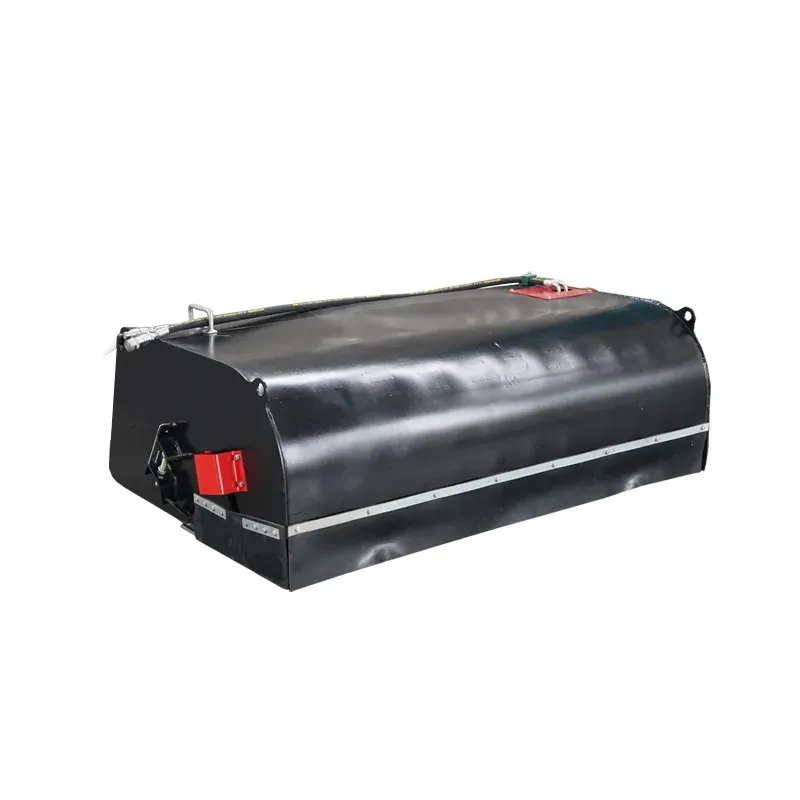
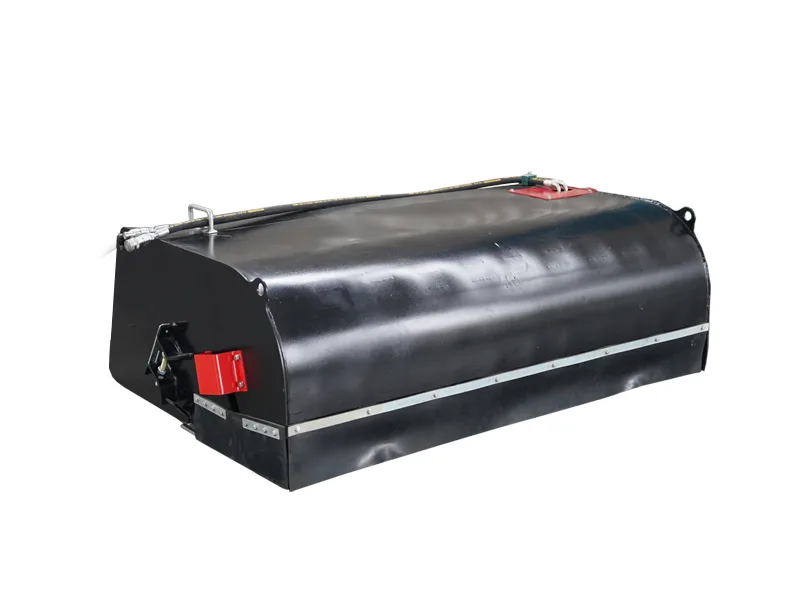
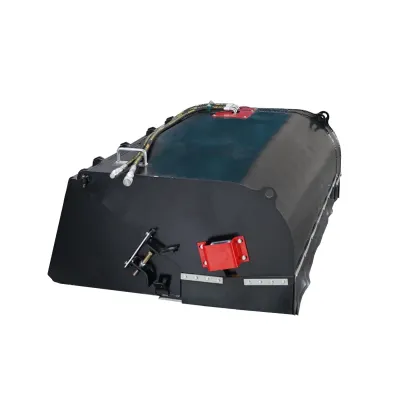
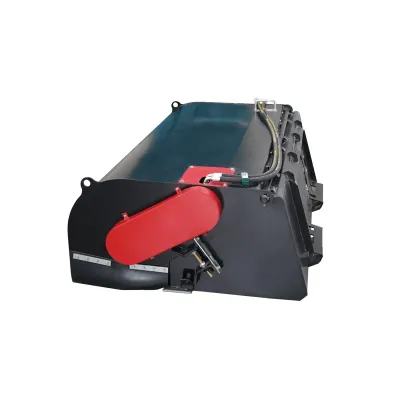
TGEC skid steer pick-up hopper broom sweeps and collects debris into an integrated dump hopper for complete one-pass cleanup. Available in 44 to 83 inch widths with universal quick-attach mounting for parking lots, streets, and construction sites.
Product Name: Pickup sweeper / Hopper sweeper / Collector sweeper / Catcher broom / Pick-up broom
Type: Brooms & Sweepers
After-sales Service: Provided
Warranty: 1 Year
Customization: Available
Shipping Cost: Negotiate with us about shipping cost and estimated delivery time.
Get a quote
Overview
FAQ

Product Overview

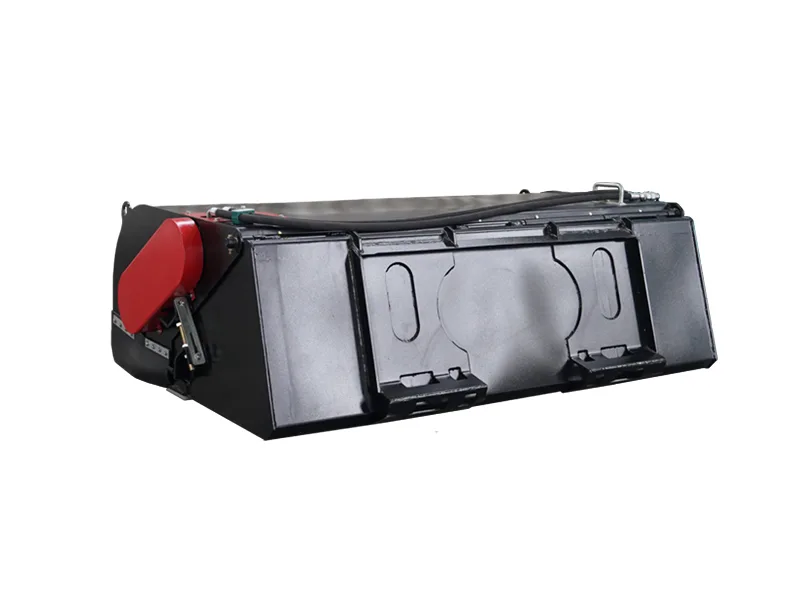
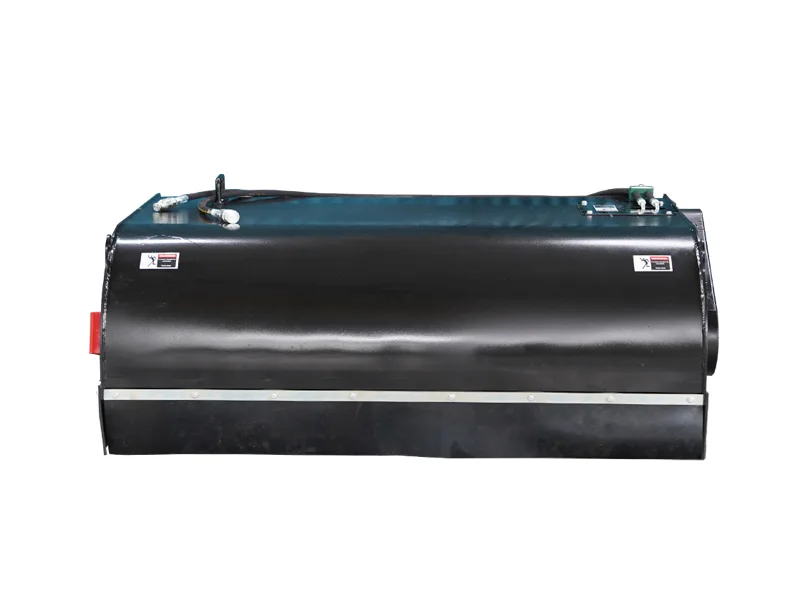
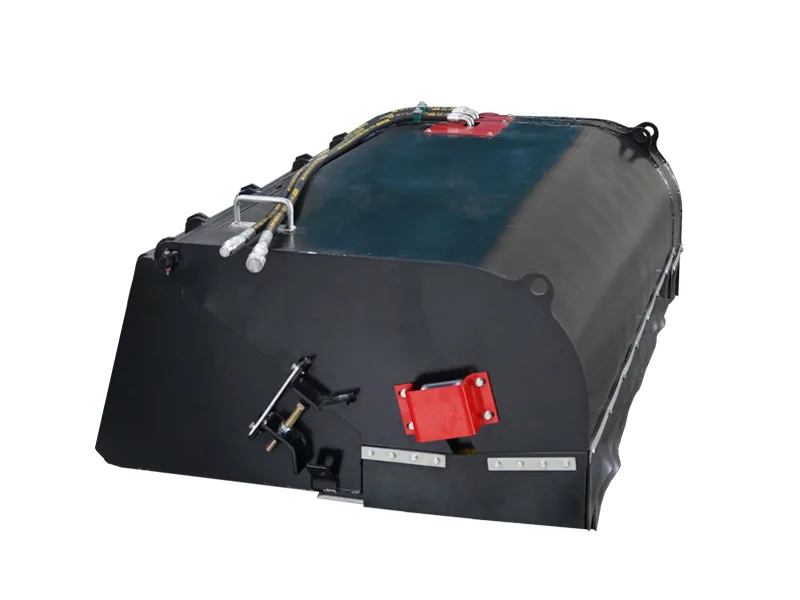
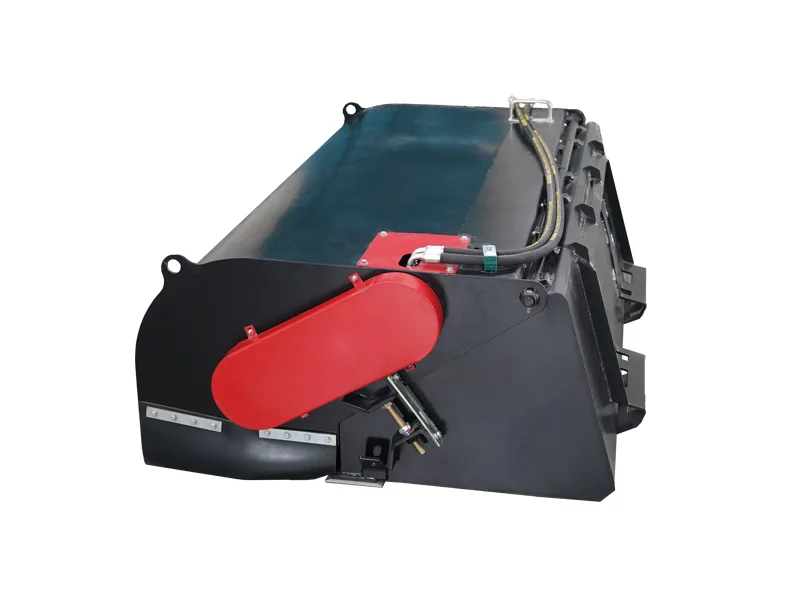
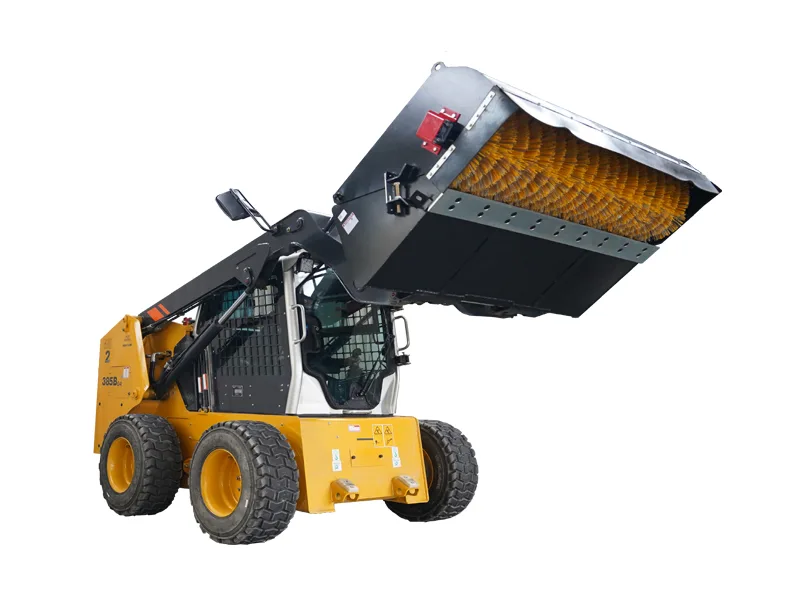
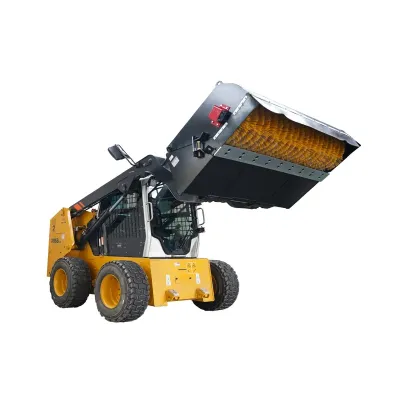
The TGEC skid steer pick-up hopper broom is a hydraulic sweeper with an integrated collection hopper that mounts to the universal quick-attach plate on skid steers and compact track loaders. It uses a 550 mm diameter rotating brush to sweep debris into the hopper, providing complete one-pass cleanup without leaving windrows. The hopper can be hydraulically dumped to empty collected debris into a truck, dumpster, or pile, making it ideal for applications where debris must be removed from the site.

Available in three widths from 1120 mm (44 inch) to 2110 mm (83 inch), each pickup hopper broom features a heavy-duty brush core, hydraulic drive motor, integrated collection hopper with hydraulic dump, and universal quick-attach mounting frame. The 44 inch model uses the MP910 frame, while 72 and 83 inch models use the MP1140 frame. As a direct manufacturer, TGEC supplies these pickup brooms to dealers and contractors worldwide with factory-direct pricing and custom configuration options.

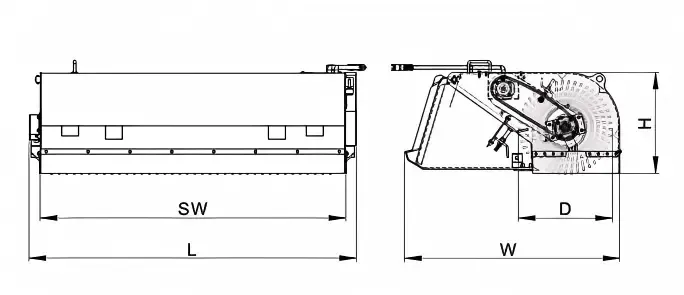
SpecificationTG-BB1120 (44IN)TG-BB1830 (72IN)TG-BB2110 (83IN)
Sweeping Width1120 mm (44 in)1830 mm (72 in)2110 mm (83 in)
Dimensions (L×W×H)1230 × 1290 × 605 mm (48.4 × 50.8 × 23.8 in)1955 × 1290 × 605 mm (77.0 × 50.8 × 23.8 in)2270 × 1290 × 605 mm (89.4 × 50.8 × 23.8 in)
Brush Diameter550 mm (21.7 in)550 mm (21.7 in)550 mm (21.7 in)
Weight301 kg (664 lb)439 kg (968 lb)492 kg (1085 lb)
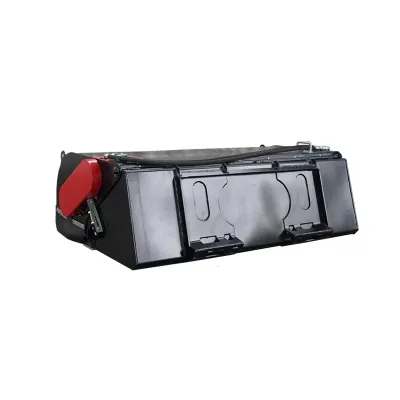
Mounting TypeMP910 Universal Quick-AttachMP1140 Universal Quick-AttachMP1140 Universal Quick-Attach
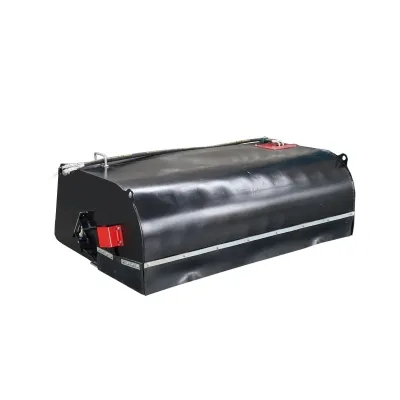
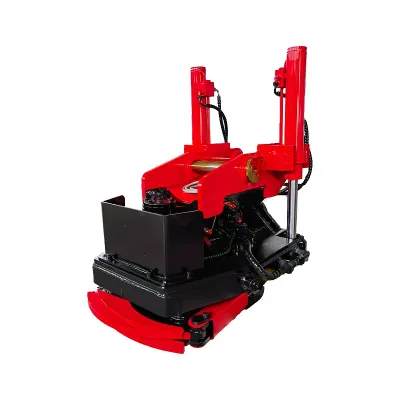
TGEC Skid Steer Pickup Broom – Bi-Directional Sweeper with Collection Hopper

Specifications are subject to change without notice. Contact TGEC for the latest technical data and custom configuration options.

How It Works

The pickup hopper broom connects to the skid steer's auxiliary hydraulic circuit through quick-disconnect couplers. Hydraulic flow powers the drive motor, rotating the 550 mm brush core at high speed. The rotating brush sweeps debris upward and backward into the integrated collection hopper, which holds material until dumped. A separate hydraulic circuit controls the hopper dump cylinder, allowing the operator to raise and tilt the hopper to empty collected debris. The loader arms control brush height and down pressure. Unlike angle brooms that windrow material, the pickup broom collects debris for complete one-pass removal.

Installation & Mounting

Align the quick-attach plate on the pickup hopper broom with the skid steer's attachment interface, lower the loader arms to engage the mounting pins, and secure the latch. Connect the auxiliary hydraulic hoses to the quick-disconnect couplers, ensuring brush drive and hopper dump circuits connect to the correct ports. Cycle both controls slowly to purge air and verify smooth brush rotation and hopper dump movement before work. Check that the hopper latches securely in the closed position. Mounting takes a few minutes and requires no tools, allowing fast attachment changes.

Application Scenarios

  • Parking lot sweeping with debris collection and removal.

  • Street and road sweeping with one-pass cleanup.

  • Construction site cleanup of dust, silt, and aggregate.

  • Warehouse and industrial floor sweeping with collection.

  • Property maintenance and contractor cleanup services.

  • Municipal and facility maintenance sweeping programs.

Wear & Service

Regular inspection extends pickup hopper broom service life. The polypropylene brush bristles are the primary wear item; replace when bristle length drops below effective depth. The brush core bearings should be greased regularly and checked for play. Hydraulic hoses and fittings should be inspected for cracks, abrasion, and leaks and replaced if damaged. The hopper dump cylinder pins and bushings should be checked for wear and greased regularly. The hopper body should be inspected for dents, cracks, or rust that could affect capacity or dumping. The mounting frame should be checked for cracks or bending at high-stress points.

Dealer & Bulk Orders

TGEC supplies skid steer pickup hopper brooms to equipment dealers, rental companies, and distributors worldwide with volume pricing and mixed-order consolidation. OEM and private-label programs are available for qualified partners, including custom paint colors, nameplates, packaging, and configuration modifications. Custom jobs are subject to engineering review and production feasibility. Contact the OEM sales team with your branding specifications, target configurations, and estimated annual volume to discuss supply terms. Visit the skid steer brooms hub. Consider the angle broom. Read angle broom vs pickup broom. See how to choose a skid steer broom.

Tell Us About Your Collection Needs

Share your skid steer model and available hydraulic flow, the type and volume of debris you typically collect, and the width you need. Also let us know if you have specific hopper capacity requirements or need a particular dump configuration—such as full hydraulic dump or manual latch release. We'll check compatibility and provide a quote with pricing and delivery timing for your operation.
Frequently Asked Questions

What is a skid steer pick-up hopper broom?+

A skid steer pick-up hopper broom is a hydraulic sweeper with an integrated collection hopper that sweeps debris into the hopper for complete one-pass cleanup. Unlike angle brooms that windrow material to the side, the pickup broom collects debris into a hopper that can be hydraulically dumped into a truck, dumpster, or pile. This design eliminates the need for a secondary cleanup pass and is ideal for parking lots, streets, construction sites, and facilities where debris must be removed from the site immediately.

How does a pickup broom collect swept debris?+

A pickup broom uses a high-speed rotating brush that sweeps debris upward and backward into an integrated collection hopper mounted behind or above the brush. The brush rotation creates a sweeping action that lifts material off the surface and directs it into the hopper opening. The hopper holds collected debris until it is full, at which point the operator uses a hydraulic dump cylinder to raise and tilt the hopper, emptying the contents. This collection mechanism provides complete debris removal in a single pass without leaving windrows.

What types of debris can a pickup hopper broom handle?+

A pickup hopper broom handles dry debris such as dirt, dust, sand, gravel, leaves, litter, paper, and small aggregate on asphalt, concrete, and packed surfaces. It works well for general parking lot and street sweeping, construction site cleanup, and facility maintenance. It can handle light snow and slush, though wet material may stick to the hopper and brush. It is not designed for heavy mud, wet sticky clay, large rocks, or debris that could damage the brush core or jam the hopper mechanism. Debris size and moisture content affect collection efficiency.

What is the difference between a pickup broom and an angle broom?+

A pickup broom sweeps debris into an integrated collection hopper for complete one-pass removal and dumping. An angle broom sweeps debris sideways across the surface, creating windrows that require a secondary pickup operation. The pickup broom is better for applications where debris must be collected and removed immediately, such as parking lots and streets. The angle broom is better for directional sweeping, light snow removal, and applications where windrowing is acceptable. The pickup broom is heavier and more complex due to the hopper and dump mechanism, while the angle broom is simpler and lighter. TGEC manufactures both as separate products.

How does the hopper affect cleanup operations?+

The integrated hopper eliminates the need for a secondary cleanup pass by collecting debris as it is swept. This reduces total job time and labor compared to windrow-and-pickup methods. The hopper capacity determines how often the operator must stop to dump, with larger areas requiring more frequent dumps or a larger hopper. The hydraulic dump cylinder lets the operator empty the hopper without leaving the cab, improving efficiency. Hopper design also affects dust control, as contained material produces less airborne dust than open windrowing. Proper hopper maintenance ensures smooth dumping and prevents material buildup.

What should be checked before mounting a pickup broom?+

Before mounting, verify the skid steer's auxiliary hydraulic flow and pressure meet the broom's requirements, including a separate circuit for hopper dump if required. Inspect the quick-attach plate for damage or excessive wear. Check that hydraulic couplers are clean and free of debris. Inspect brush bristle length and condition. Verify the hopper dump cylinder moves freely without binding. Check that the hopper latches securely in the closed position. Ensure all mounting pins and locking levers are in good condition. Verify the skid steer's auxiliary hydraulic circuit has sufficient flow for both brush drive and dump functions.

How should broom height be adjusted?+

Broom height, controlled by the loader arms, should be adjusted so the brush bristles contact the surface with slight deflection, typically 10 to 20 mm of bristle bend. Too much down pressure causes excessive bristle wear and can damage the surface. Too little pressure leaves debris behind and reduces sweeping efficiency. The operator should adjust height based on surface type, bristle wear, and debris density. As bristles wear, the operator must lower the broom to maintain contact. The brush should be lifted when traveling between jobs to prevent unnecessary wear. Proper height adjustment maximizes cleaning performance and extends bristle life.

Which broom components require regular inspection?+

Key components requiring regular inspection include: (1) brush bristles, which wear from surface contact and should be replaced when length drops below effective depth; (2) brush core bearings, which should be greased regularly and replaced when play or noise develops; (3) hydraulic hoses and fittings, checked for cracks, abrasion, and leaks; (4) hopper dump cylinder pins and bushings, greased and checked for wear; (5) the hopper body, inspected for dents, cracks, rust, and material buildup; and (6) the mounting frame and quick-attach plate, checked for cracks or bending. Bristles and bearings are serviced most often.

How should the brush system be maintained?+

The brush system should be maintained by inspecting bristle length before each use and replacing when worn below effective depth. Brush core bearings should be greased every 10 to 20 operating hours and replaced when play, noise, or rough rotation is detected. The brush core should be checked for wobble indicating bearing failure. Debris wrapped around the brush core or shaft should be removed regularly to prevent bearing damage. The hydraulic drive motor should be checked for leaks and unusual noise. Proper brush maintenance ensures consistent performance, reduces downtime, and extends broom assembly service life.

What factors affect pickup broom performance on different surfaces?+

Key factors affecting pickup broom performance include auxiliary hydraulic flow and pressure, determining brush rotation speed and torque; brush height and down pressure, affecting surface contact and debris pickup; bristle material and wear length, impacting sweeping effectiveness; surface texture, with smooth concrete allowing better pickup than rough asphalt or gravel; debris type and moisture content, with dry material collecting more efficiently than wet or sticky debris; ground speed, matching debris density and hopper capacity; and hopper fill level, as a nearly full hopper reduces collection efficiency. Proper adjustment ensures optimal performance.
Please make sure to include your phone number with the country code (e.g., 86 for China, 1 for USA).