Welcome to the Official Website of TianGe Attachments.

Skid Steer Trencher

Skid Steer Trencher

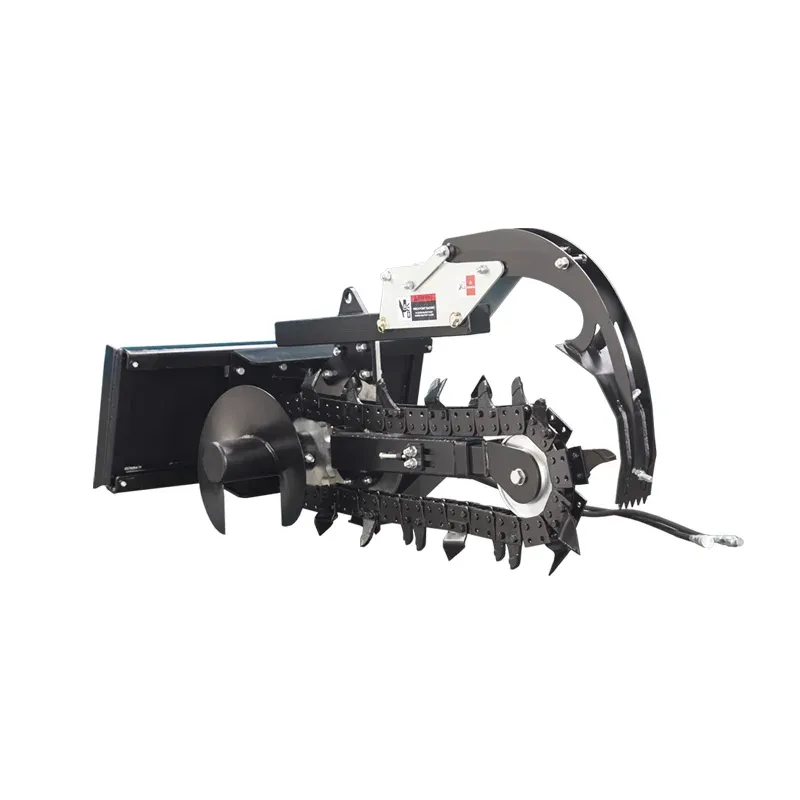
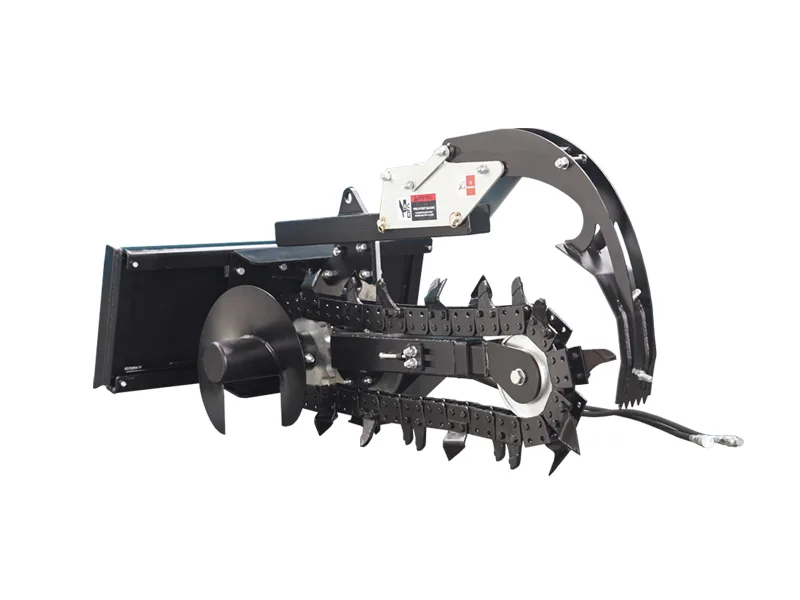
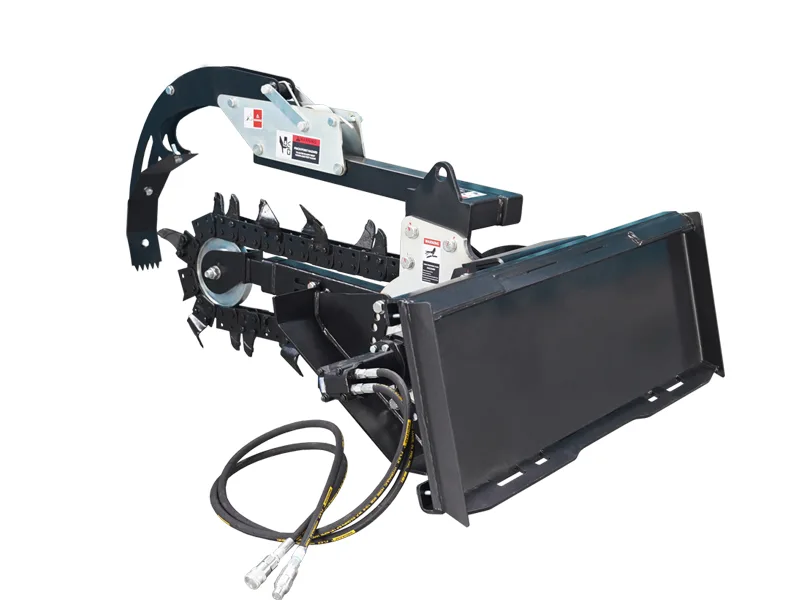
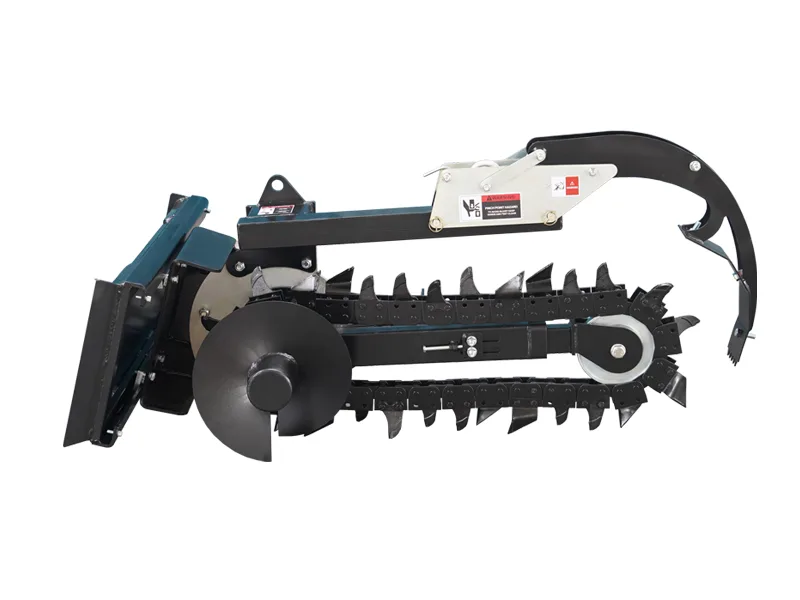
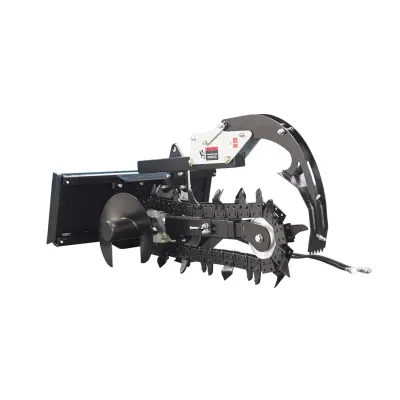
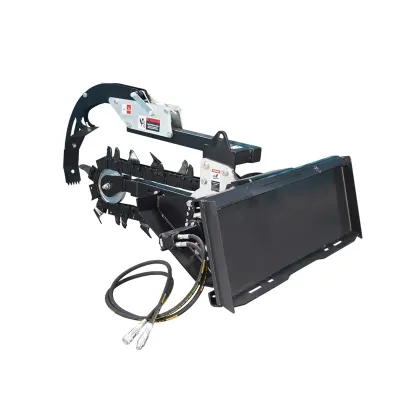
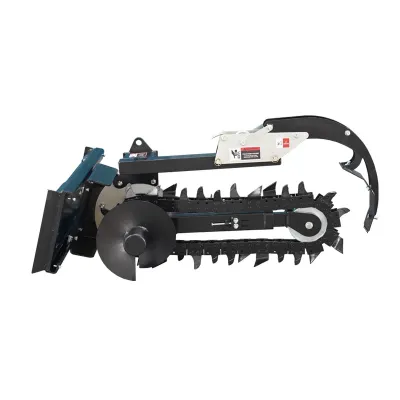
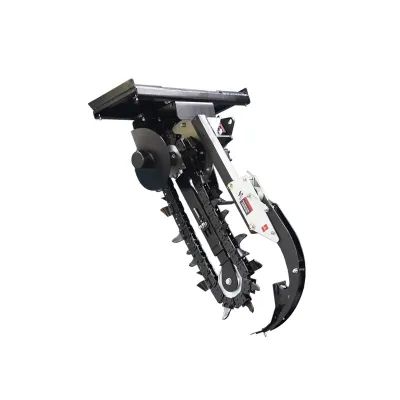
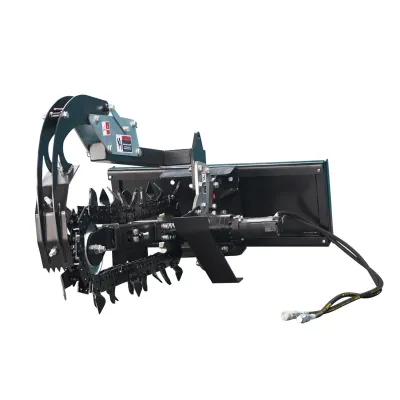
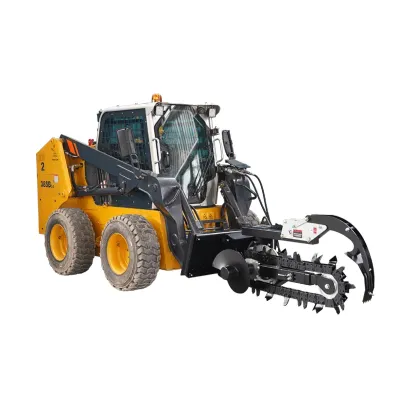
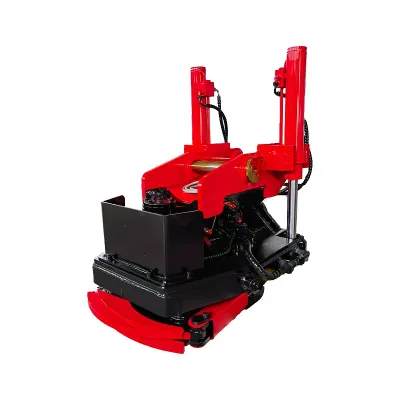
TGEC skid steer trencher with TG-TCR910, TG-TCR960 and TG-TCR1220 configurations. 150 mm cutting width, depths from 500 mm to 1220 mm, MP600/MP910/MP1220 mounting. For utility installation, irrigation and drainage trenching.
Product Name: Trencher / Skid Steer Trencher / Chain Trencher / Ditch Witch Attachment / Trenching Attachment / Utility Trencher
Type: Trenchers
After-sales Service: Provided
Warranty: 1 Year
Customization: Available
Shipping Cost: Negotiate with us about shipping cost and estimated delivery time.
Get a quote
Overview
FAQ

Product Overview

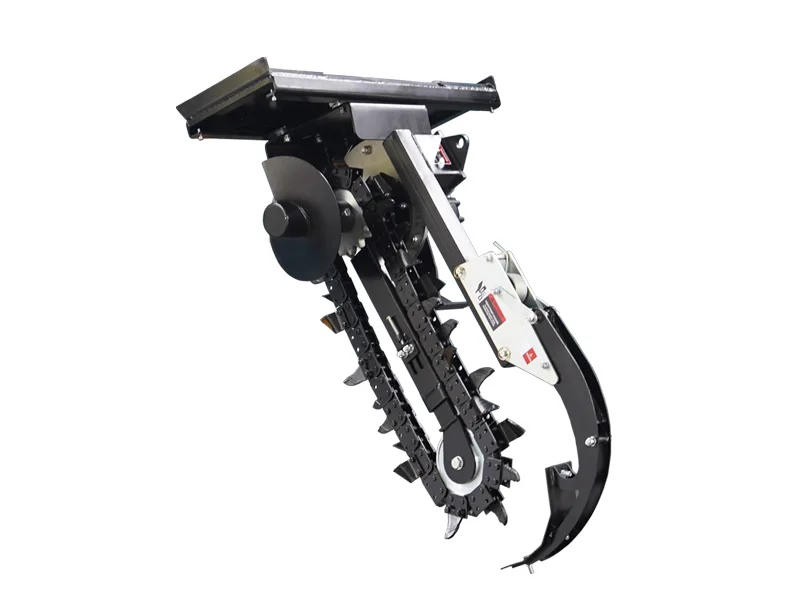
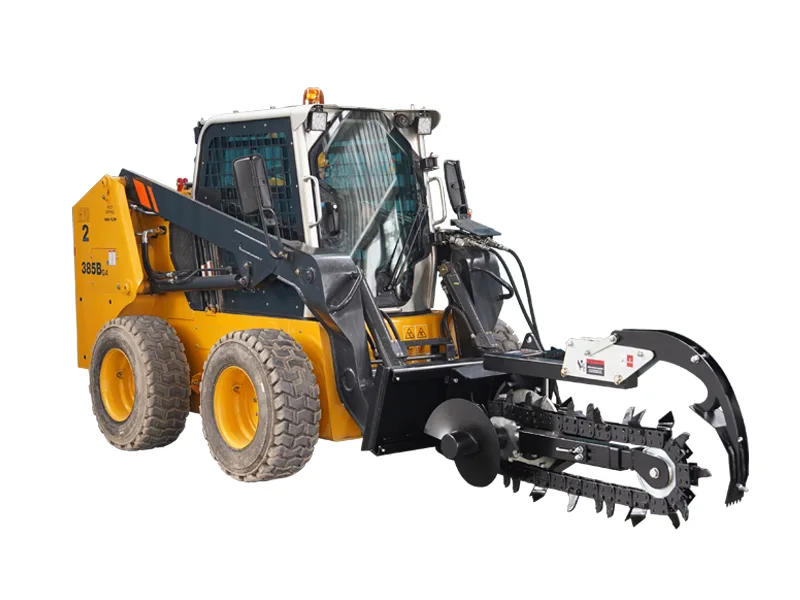
A trencher turns your skid steer into a precision digging machine for utility lines, irrigation pipes, and drainage systems. It cuts narrow, straight trenches at consistent depths—something a standard bucket can't do. The TGEC trencher uses a hydraulic-driven chain fitted with replaceable cutting teeth, with boom configurations available to match your depth requirements and machine size.

Four configurations cover the spectrum: TG-TCR910(36IN)-MP600 and TG-TCR910(36IN)-MP910 for mini and compact loaders, TG-TCR960(38IN)-MP1220 for mid-frame machines, and TG-TCR1220(48IN)-MP1220 for deeper trenching on larger carriers. Every model in the skid steer trenchers range includes a heavy-duty chain drive, replaceable teeth, and configurable hydraulic hose lengths.

Technical Specifications

ParameterTG-TCR910(36IN)-MP600TG-TCR910(36IN)-MP910TG-TCR960(38IN)-MP1220TG-TCR1220(48IN)-MP1220
Overall Width957 mm (37.7 in)1067 mm (42.0 in)1232 mm (48.5 in)1232 mm (48.5 in)
Cutting Width150 mm (5.9 in)150 mm (5.9 in)150 mm (5.9 in)150 mm (5.9 in)
Cutting Depth500 / 650 / 800 / 960 mm (19.7 / 25.6 / 31.5 / 37.8 in)500 / 650 / 800 / 960 mm (19.7 / 25.6 / 31.5 / 37.8 in)500 / 650 / 800 / 960 mm (19.7 / 25.6 / 31.5 / 37.8 in)690 / 890 / 1070 / 1220 mm (27.2 / 35.0 / 42.1 / 48.0 in)
Unit Weight292 kg (644 lb)308 kg (679 lb)317 kg (699 lb)350 kg (772 lb)
Mounting InterfaceMP600 Quick-AttachMP910 Quick-AttachMP1220 Universal Quick-AttachMP1220 Universal Quick-Attach

Table data is for reference only. Actual specifications may vary based on the final configuration. Please contact the TianGe technical team for details.
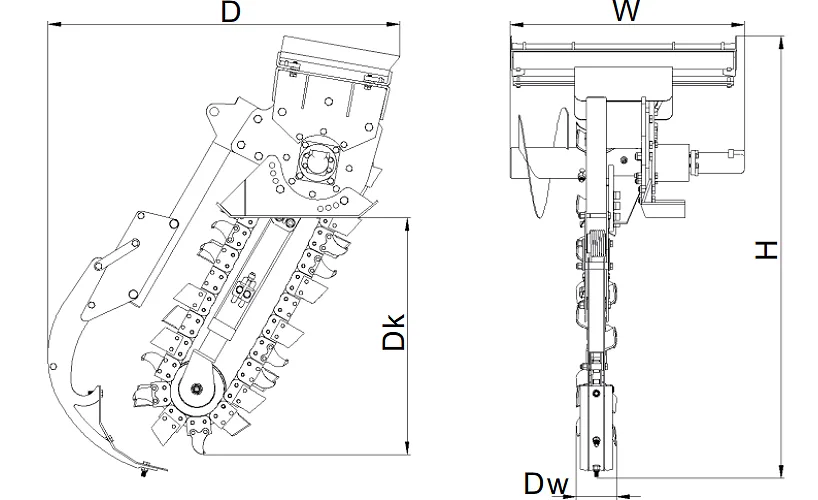
TGEC Skid Steer Trencher CAD drawing showing boom, chain and mounting frame

How It Works

Hydraulic power drives a heavy-duty roller chain fitted with carbide-tipped cutting teeth. As the chain rotates, the teeth cut and lift soil from the trench while the boom assembly controls digging depth through adjustable stops. Lower the trencher to depth, drive forward at a steady pace, and the chain continuously excavates a clean, narrow trench. Depth adjustments are made by setting the boom position or using optional depth control kits.

Application Scenarios

  • Utility installation: Digging narrow trenches for electrical conduit, fiber optic cable, gas lines and water mains on residential, commercial and municipal projects.

  • Irrigation installation: Creating consistent-depth trenches for sprinkler systems, drip irrigation lines and agricultural water distribution on farms, golf courses and landscapes.

  • Landscape drainage: Trenching for French drains, surface drainage systems and underground downspout extensions on residential and commercial properties.

  • Road and highway construction: Cutting edge trenches for road drainage, cable conduits and utility relocations along highway and street construction projects.

  • Fencing and signage: Digging narrow trenches for underground fence wiring, security systems and illuminated signage on commercial and industrial sites.

  • Agricultural field drainage: Installing subsurface drainage tile lines to improve field drainage and crop yields on poorly drained farmland.

Installation & Mounting

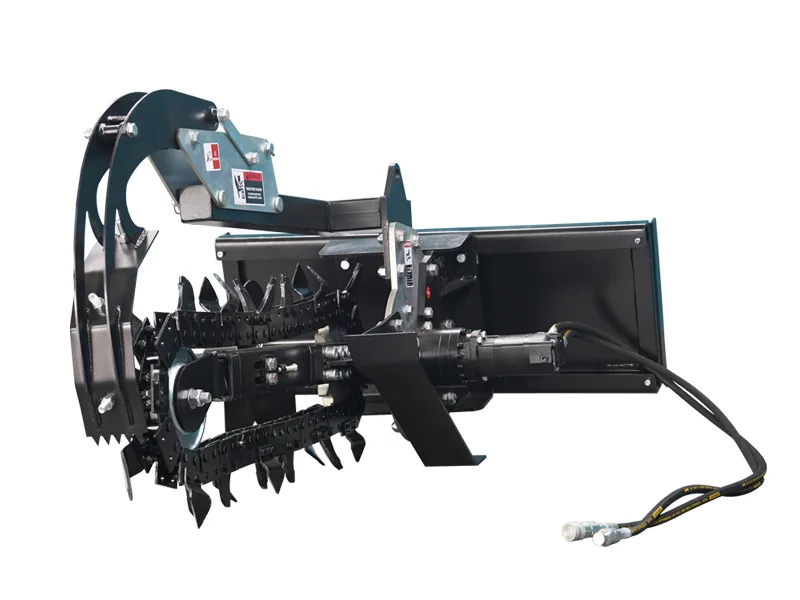
The trencher attaches to your skid steer using the appropriate quick-attach mount — MP600, MP910, or MP1220 depending on the model. Align the mounting frame with the machine quick-attach, lock it in place, then connect the auxiliary hydraulic hoses to the machine couplers. Verify that your auxiliary flow and pressure fall within the specified range before operation. Check chain tension and tooth condition before first use. Custom mounting plates and hose kits are available for non-standard interfaces.

Wear & Service

Primary wear items include cutting teeth, trencher chain, boom wear strips, hydraulic motor and hoses, and mounting plate pins. Inspect cutting teeth regularly for wear, cracking or missing carbide tips, and replace individual teeth as needed. Check chain tension and lubrication per the maintenance schedule. Inspect the hydraulic motor and hoses for leaks or unusual noise, and grease all pivot points. Genuine replacement parts — teeth, chain sections, seal kits, and hose assemblies — are available for all four configurations.

OEM & Bulk Supply

TGEC supplies skid steer trenchers to equipment dealers, rental fleets, landscape contractors and utility contractors through OEM and bulk-supply programs. Private-label branding, custom paint colors, modified mounting plates, and alternative boom or chain configurations are available for qualified partners. Dealers can combine trencher orders with other TGEC attachments to simplify sourcing and shipping. Contact our OEM sales team with your specifications and estimated quantities.

Installing utilities, laying irrigation, or cutting drainage trenches — what's your primary job with the trencher?

We'll need your machine make and model, operating weight, auxiliary flow and pressure, target trench depth and width, and a description of your typical soil conditions. Also let us know which TG-TCR configuration you're considering — 910, 960, or 1220. We'll confirm compatibility, recommend the right setup, and get back with a quote and delivery timing.
Frequently Asked Questions

What is a skid steer trencher used for?+

A skid steer trencher is used to dig narrow, consistent-depth trenches for utility installation, irrigation lines, landscape drainage, road construction, fencing and agricultural field drainage. It mounts to a skid steer or compact track loader via quick-attach and uses a hydraulic-driven chain with cutting teeth to excavate soil. The attachment is ideal for projects requiring precise trench dimensions in confined or established areas where larger excavation equipment cannot operate efficiently.

What types of soil can a skid steer trencher handle?+

Skid steer trenchers handle a wide range of soil types including loam, clay, sandy soil, compacted fill and moderately rocky ground. Standard carbide-tipped teeth perform well in most soil conditions. For hard-packed clay or rocky ground, heavier-duty tooth configurations or rock chains may be required. In extremely hard rock or concrete, a rock saw or concrete saw attachment is more appropriate than a standard chain trencher. Always match the tooth type and chain configuration to your specific ground conditions.

How do I match a trencher to my skid steer?+

Match a trencher to your skid steer by checking three factors: operating weight and rated operating capacity, auxiliary hydraulic flow and pressure, and quick-attach mount type. The TG-TCR910(36IN)-MP600 weighs 292 kg and fits mini skid steers with MP600 mounts. The TG-TCR910(36IN)-MP910 weighs 308 kg and fits compact machines with MP910 mounts. The TG-TCR960 and TG-TCR1220 weigh 317 kg and 350 kg respectively, fitting mid-frame machines with universal MP1220 quick-attach. Verify that the attachment weight plus dynamic operating forces stay within your machine rated operating capacity.

Does auxiliary hydraulic flow affect trencher performance?+

Yes. Auxiliary hydraulic flow directly affects trencher chain speed and cutting performance. Insufficient flow results in slow chain rotation, reduced cutting efficiency and poor productivity, especially in harder soil. Excessive flow can over-speed the chain, causing premature tooth wear and potential damage to the hydraulic motor. Check your skid steer auxiliary flow rating in the operator manual and confirm it falls within the trencher specified range. Standard-flow machines typically handle lighter trenchers, while high-flow machines are required for larger boom configurations and heavier digging conditions.

Can a mini skid steer use a trencher attachment?+

Yes. The TG-TCR910(36IN)-MP600 is specifically designed for mini skid steers with MP600 quick-attach mounts. It weighs 292 kg and provides cutting depths from 500 mm to 960 mm, making it suitable for light utility work, irrigation installation and landscape drainage on compact job sites. Mini skid steer operators should verify that their machine rated operating capacity can handle the attachment weight plus dynamic digging forces, and that the auxiliary hydraulic flow meets the model requirements. Larger trenchers may overload mini machines.

What trench widths are available for skid steer trenchers?+

All TGEC trencher configurations provide a standard 150 mm (5.9 in) cutting width. This width is suitable for most utility conduit, irrigation tubing, drainage pipe and electrical cable installations. The cutting width is determined by the chain and tooth configuration, and alternative widths may be available through custom configuration for specialized applications. When selecting trench width, consider the outer diameter of the pipe or cable being installed, plus required clearance for backfill and compaction. Narrower trenches minimize soil disturbance and reduce backfill volume.

How is a skid steer trencher mounted?+

The trencher mounts using a quick-attach plate compatible with your skid steer model (MP600, MP910 or MP1220 depending on configuration). Align the mounting frame with the machine quick-attach, engage the locking levers, and verify the attachment is fully secured. Connect the auxiliary hydraulic hoses to the machine couplers, then cycle the attachment briefly at low flow to check for leaks and confirm smooth chain operation. Custom mounting plates are available for non-standard interfaces or specific machine brands.

What should be checked before operating the trencher?+

Before operating the trencher, verify that the mounting plate is securely locked and all pivot pins are in place. Check chain tension and confirm all cutting teeth are present and undamaged. Inspect hydraulic hoses for abrasion, leaks or loose fittings, and confirm the auxiliary flow and pressure match the trencher requirements. Set the trench depth using the boom adjustment or depth stops. Cycle the chain at low flow to confirm smooth rotation before beginning full-depth trenching. Always wear appropriate personal protective equipment including eye and hearing protection.

How do chain and cutting teeth affect trenching performance?+

The chain and cutting teeth are the primary cutting components of a trencher. Carbide-tipped teeth provide long wear life and efficient cutting in most soil types. Worn or damaged teeth reduce cutting speed, increase hydraulic load and produce uneven trench walls. Chain tension must be properly maintained: a loose chain can derail or wear prematurely, while an overtightened chain stresses the drive motor and bearings. Different tooth configurations are available for specific soil conditions, including standard teeth for general digging and rock teeth for harder or rocky ground. Regular inspection and replacement of worn teeth maintains optimal trenching performance.

What wear parts require regular inspection?+

Primary wear parts requiring regular inspection include the cutting teeth, trencher chain, boom wear strips, hydraulic motor, hydraulic hoses and mounting plate pins. Inspect cutting teeth before each use for wear, cracking or missing carbide tips, and replace individual teeth as needed. Check chain tension and lubrication every 10 operating hours. Inspect boom wear strips for excessive grooving or wear. Check the hydraulic motor and hoses for leaks or unusual noise, and grease all pivot points per the maintenance schedule. replace worn parts promptly to maintain cutting efficiency and prevent further damage to the attachment.

Can a skid steer trencher be configured for different trenching conditions?+

Yes. TGEC trenchers can be configured for different trenching conditions through several options. Boom length determines maximum cutting depth, with configurations ranging from 36 in to 48 in. Cutting tooth type can be selected based on soil conditions, including standard carbide teeth for general use and rock teeth for harder ground. Mounting interface options include MP600, MP910 and MP1220 quick-attach plates to fit different machine sizes. Custom hydraulic hose lengths and coupler types are also available. Contact the TGEC technical team to discuss configuration options for your specific application and soil conditions.

What factors affect the maximum digging depth?+

Maximum digging depth is primarily determined by boom length. The TG-TCR910 and TG-TCR960 models provide depths from 500 mm to 960 mm, while the larger TG-TCR1220 provides depths from 690 mm to 1220 mm. Additional factors affecting achievable depth include machine size and lift capacity, soil type and compaction, chain and tooth condition, and operator technique. Harder or more compacted soil may reduce practical digging depth even if the boom is physically capable of reaching deeper. Always verify that your skid steer rated operating capacity can handle the attachment at full depth, and that the hydraulic system provides sufficient flow for efficient cutting at maximum depth.
Please make sure to include your phone number with the country code (e.g., 86 for China, 1 for USA).