Welcome to the Official Website of TianGe Attachments.

Skid Steer Garden Tiller

Skid Steer Garden Tiller

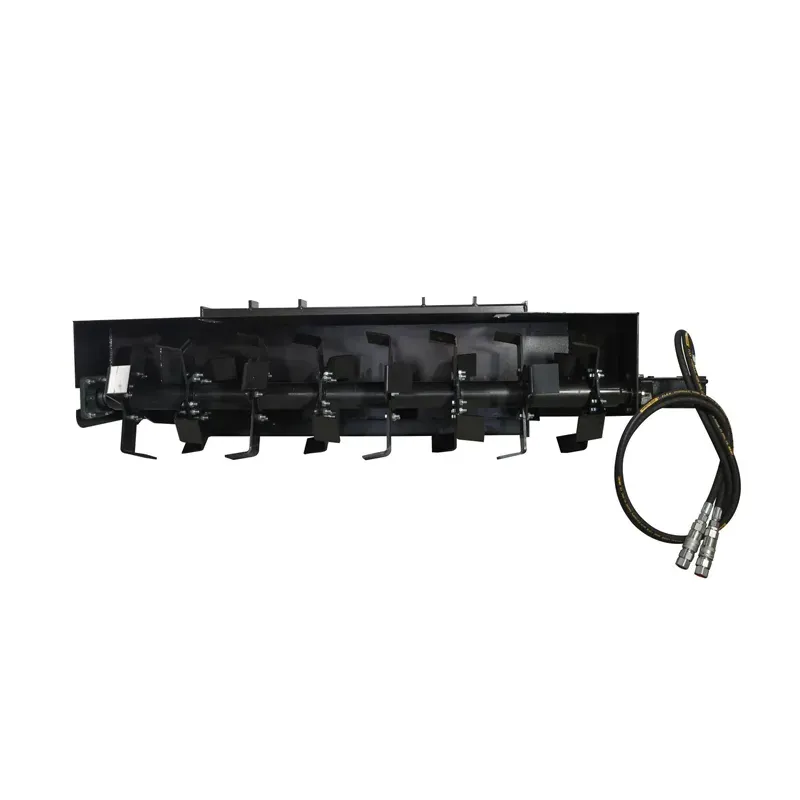
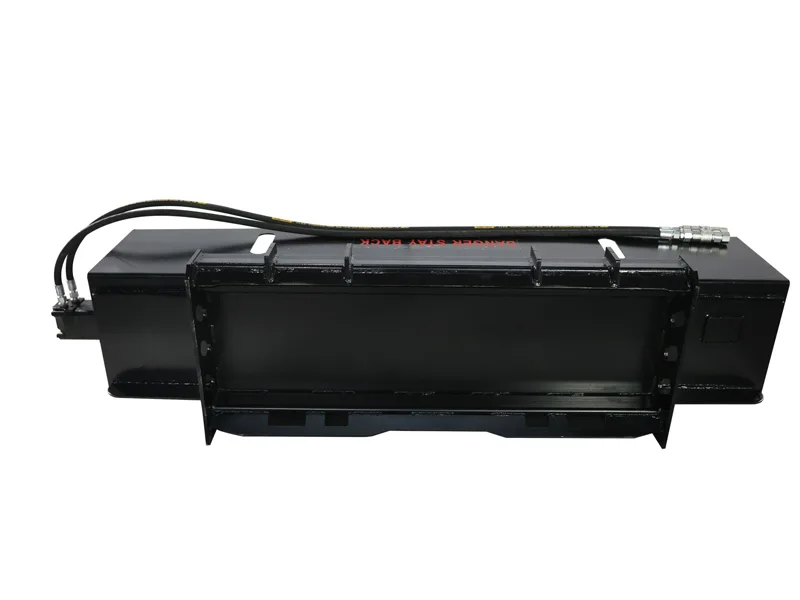
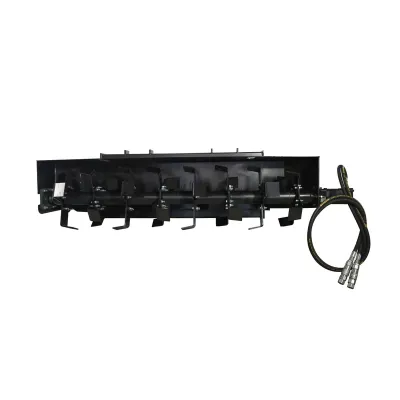
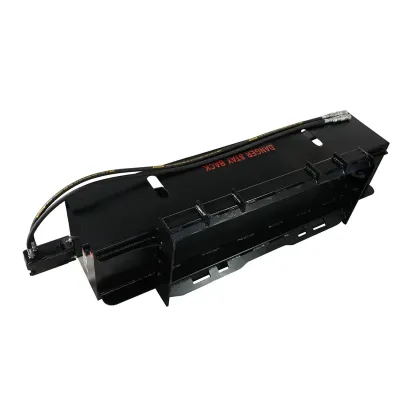
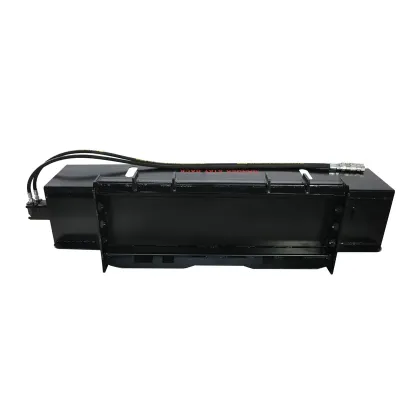
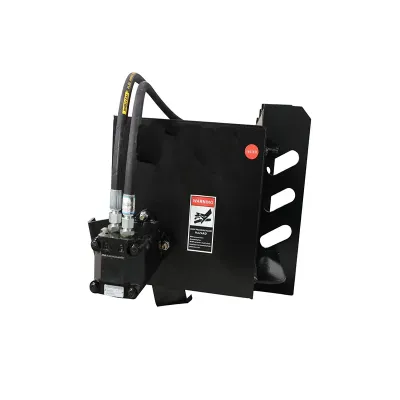
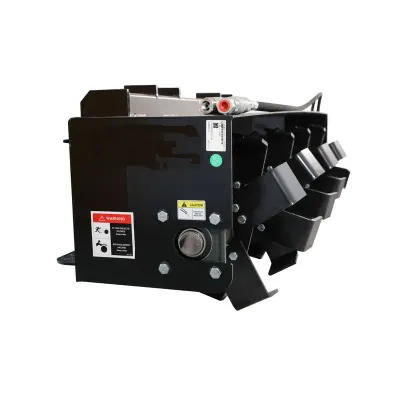
TGEC skid steer garden tiller with 1830 mm (72 in) width and 100 mm (4 in) depth. Direct-drive spline gear, bi-directional, 32 or 48 flails. Universal quick-attach, 75 L/min, 20 MPa, 195–311 kg. For seedbed prep, garden tilling and landscaping.
Product Name: Ground Tiller / Farm Tiller Attachment / Hydraulic Rototiller / Soil Cultivator / Garden Rototiller / Power Tiller / Cultivator / Soil Tiller
Type: Tillers
After-sales Service: Provided
Warranty: 1 Year
Customization: Available
Shipping Cost: Negotiate with us about shipping cost and estimated delivery time.
Get a quote
Overview
FAQ

Product Overview

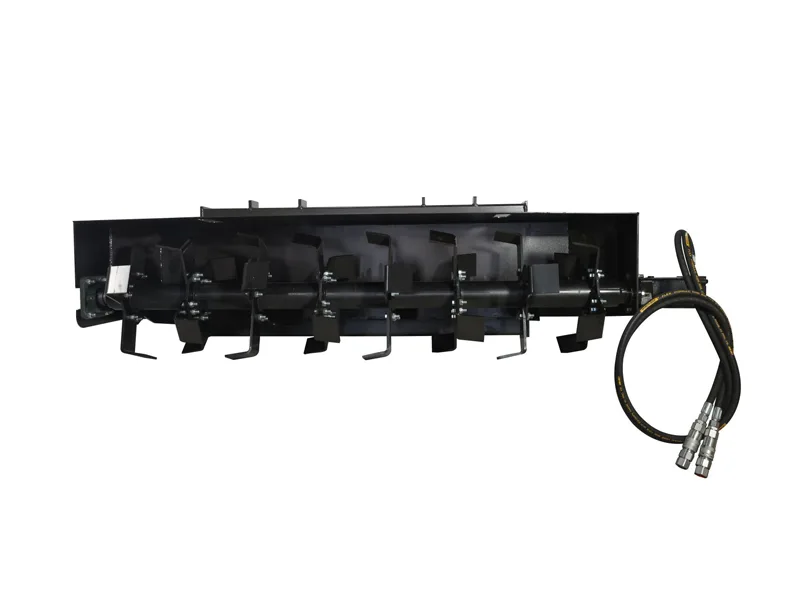
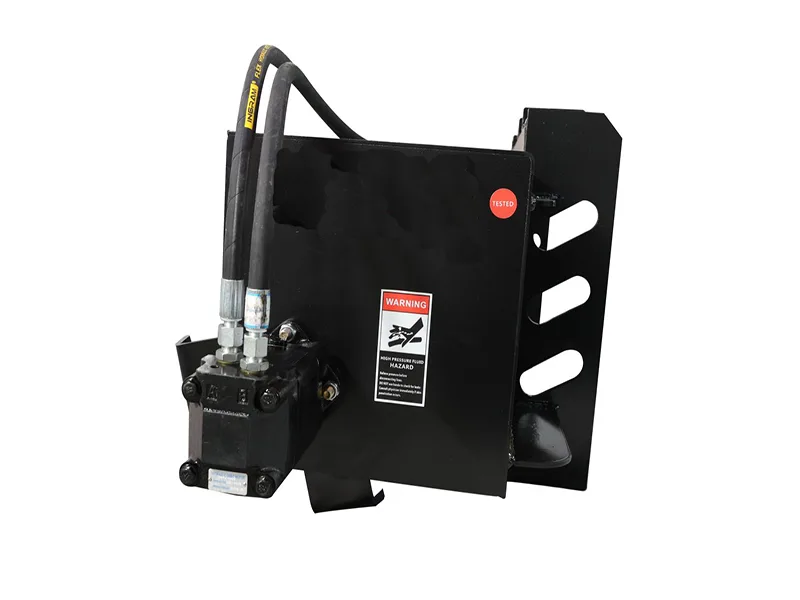
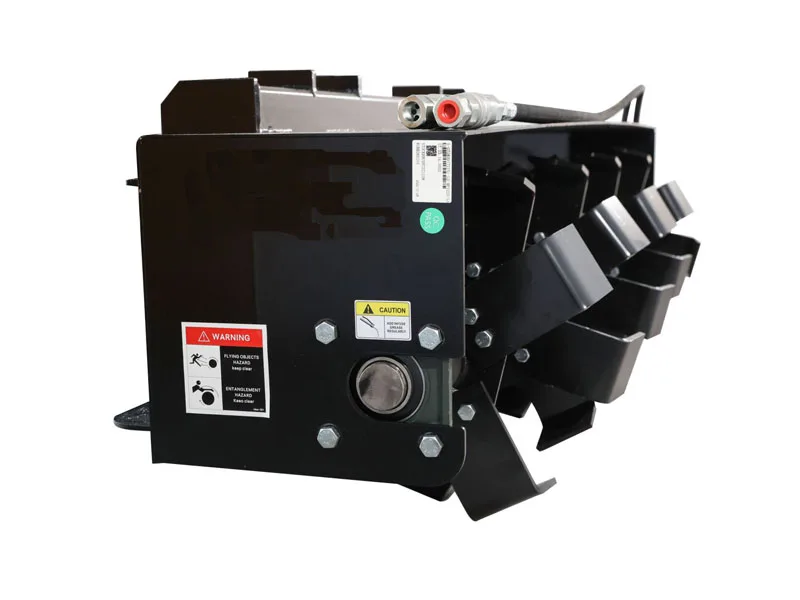
The TGEC garden tiller is a hydraulic rotary tiller attachment built for seedbed preparation, garden tilling, soil conditioning, and landscaping work on skid steers and compact track loaders. A direct-drive spline gear system transfers hydraulic power to the rotor. Bi-directional rotation allows the rotor to operate in either direction, subject to the carrier's auxiliary hydraulic control system — useful for breaking up tougher ground and clearing material buildup.

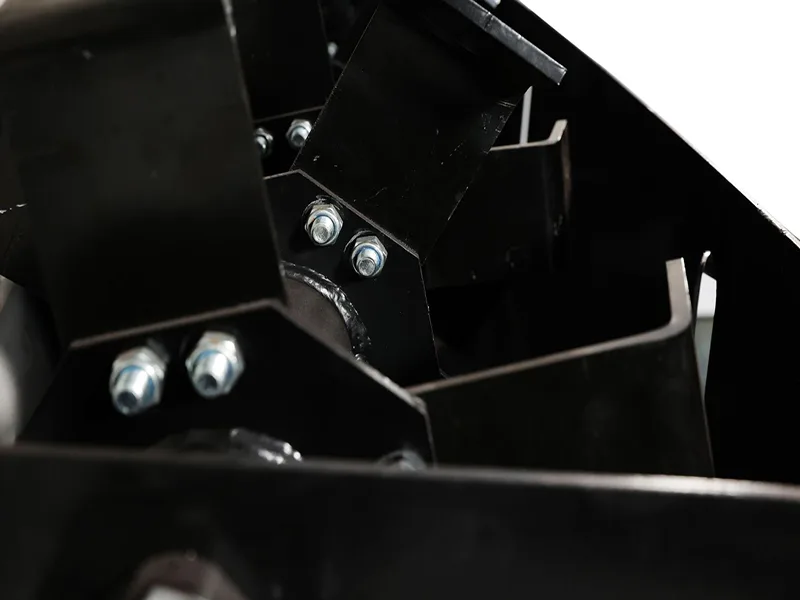
The TG-GT1830-LD uses 32 flails and weighs 195 kg (430 lb), while the TG-GT1830-MP uses 48 flails for a denser cutting arrangement across the same working width and weighs 311 kg (686 lb). Both share the same 1830 mm (72 in) width, 100 mm (4 in) depth, 75 L/min flow, 20 MPa pressure, and universal quick-attach mounting. See the broader skid steer tiller attachment range for additional tiller configurations.

Technical Specifications

ParameterTG-GT1830-LDTG-GT1830-MP
Working Width1830 mm (72 in)1830 mm (72 in)
Cutting Depth100 mm (4 in)100 mm (4 in)
Overall Dimensions (W×D×H)1830 × 645 × 587 mm (72 × 25.4 × 23.1 in)1830 × 645 × 605 mm (72 × 25.4 × 23.8 in)
Flail Quantity3248
Flail Thickness8 mm (0.31 in)8 mm (0.31 in)
Drive SystemDirect drive, spline gearDirect drive, spline gear
RotationBi-directionalBi-directional
Operating Pressure20 MPa20 MPa
Required Hydraulic Flow75 L/min75 L/min
Unit Weight195 kg (430 lb)311 kg (686 lb)
Mounting SystemUniversal Quick Attach (MP1140)Universal Quick Attach (MP1140)

Table data is for reference only. Actual specifications may vary based on the final configuration. Please contact the TianGe technical team for details.
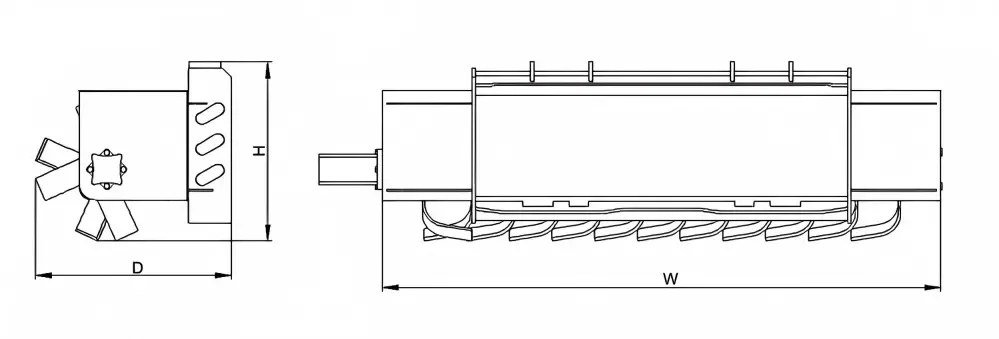
TGEC Skid Steer Garden Tiller – 72 in Bi-Directional Hydraulic Rototiller with Direct-Drive Spline Gear

How It Works

The tiller draws pressurized hydraulic fluid from the skid steer auxiliary circuit to drive a spline-gear motor, which transfers torque directly to the rotor shaft. As the rotor turns, the flails strike and break up soil to the 100 mm (4 in) cutting depth. Cutting depth depends on the attachment setup, operating conditions and carrier operation. The rotor can operate in either direction, subject to the carrier's auxiliary hydraulic control system — handy for heavier soil or clearing wrapped debris. For guidance on matching flail count to your carrier and soil type, see our tiller selection guide.

Application Scenarios

  • Seedbed preparation: Tilling and conditioning soil for planting, seeding and transplanting in agricultural fields and garden plots.

  • Garden tilling: Breaking compacted soil and incorporating compost or amendments into planting beds for residential and commercial landscapes.

  • Soil conditioning: Mixing fertilizer, compost or soil amendments into the top layer to improve structure, drainage and fertility.

  • Landscaping renovation: Preparing soil for lawn installation, garden beds and site renovation.

  • Food plot preparation: Tilling wildlife food plots before planting seasonal forage crops, where maneuverability and access matter.

  • Nursery bed preparation: Cultivating outdoor nursery beds to improve aeration, drainage and root penetration for stock production.

Installation & Mounting

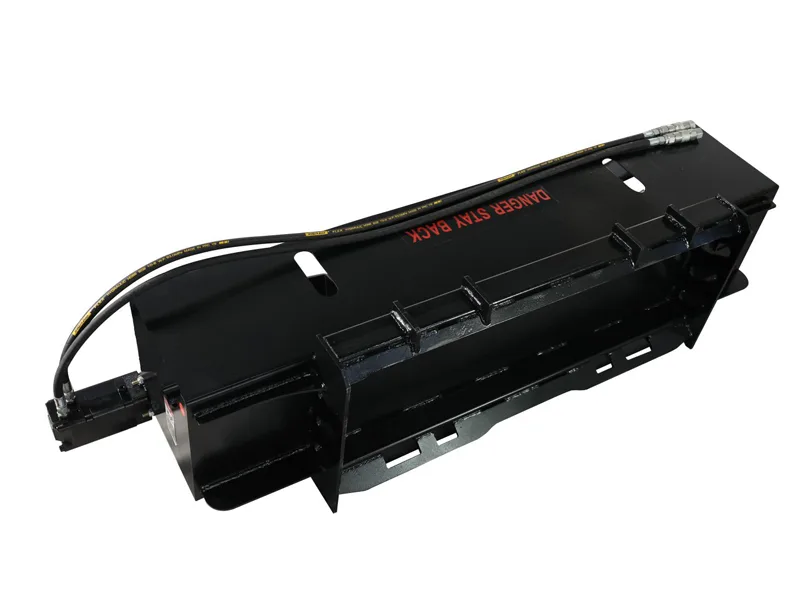
The tiller mounts to a standard universal quick-attach plate (MP1140) on most skid steers and compact track loaders. Hydraulic hoses connect to the auxiliary circuit. Confirm that the carrier's auxiliary hydraulic circuit meets the attachment requirements of 75 L/min and 20 MPa before operation. Verify the quick-attach interface, coupler type and hose length. Verify the carrier's rated operating capacity, lift capacity and stability according to the carrier manufacturer's specifications.

Wear & Service

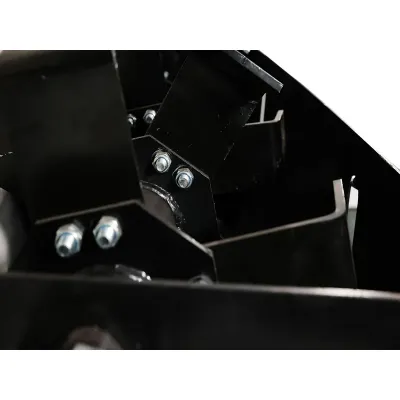
Primary wear components include the tiller flails, spline-gear motor, rotor bearings, hydraulic hoses and mounting pins. Inspect flails regularly for wear, cracking or bending. Check the motor and bearings for leaks or unusual noise, and inspect hydraulic hoses for abrasion or cracks. Grease mounting pins and bushings according to the maintenance schedule. Replace worn or damaged components according to the manufacturer's recommendations.

OEM & Bulk Supply

TGEC supplies the skid steer garden tiller to equipment dealers, rental companies and agricultural distributors through OEM and bulk-supply programs. Contact our OEM sales team with your expected volume.

Not Sure Which Garden Tiller — 32 or 48 Flails — Fits Your Carrier?

Start with your machine model, operating weight, and auxiliary flow and pressure. Tell us your typical soil type and tilling depth. We'll cross-check the specs against both configurations (TG-GT1830-LD and TG-GT1830-MP) and get back to you with the right match, along with pricing and estimated availability.
Frequently Asked Questions

What applications is a skid steer garden tiller designed for?+

A skid steer garden tiller is designed for seedbed preparation, garden tilling, soil conditioning, landscaping renovation, food plot preparation and nursery bed cultivation. It breaks up compacted soil, incorporates amendments and prepares soil for planting. The 1830 mm (72 in) working width and 100 mm (4 in) cutting depth are suitable for a range of agricultural and landscaping applications.

What type of soil can a skid steer tiller work in?+

The tiller can be used in previously cultivated soils and a range of common soil conditions, subject to carrier capability and operating conditions. Heavily compacted or rocky ground may require preliminary soil preparation with another attachment. The tiller is intended for soil tilling applications. Heavy rock, concrete and severely compacted ground are outside typical tilling conditions. The 32-flail configuration handles general tilling, while the 48-flail configuration provides a denser cutting arrangement across the same working width.

How do I match a tiller to my skid steer?+

Match a tiller to your skid steer by checking three key factors: auxiliary hydraulic flow and pressure, operating weight and lift capacity, and quick-attach compatibility. The TGEC garden tiller requires 75 L/min at 20 MPa. The 195 kg (430 lb) LD model and 311 kg (686 lb) MP model should be selected based on the carrier's hydraulic requirements, lift capacity, stability and attachment interface. Confirm your carrier meets these specs before selecting a configuration.

Can a skid steer tiller be used with a mini skid steer?+

The TGEC garden tiller uses a universal quick-attach interface and requires 75 L/min hydraulic flow at 20 MPa. Mini skid steers typically have lower hydraulic flow and smaller mounting interfaces, so this 1830 mm (72 in) tiller may not be compatible. Compatibility with mini skid steers depends on their hydraulic system and mounting interface. If you operate a mini skid steer, contact TGEC to discuss available configurations and mounting options.

What hydraulic requirements should I check before installing a tiller?+

Before installing a tiller, confirm your skid steer auxiliary circuit meets the attachment requirements of 75 L/min flow at 20 MPa operating pressure. Check that your auxiliary couplers are compatible with the tiller hose fittings, and verify that the carrier has a case-drain or return-line connection if required. Ensure the hydraulic system is clean and free of contamination before connecting. If your flow or pressure falls below the requirement, tiller performance will be reduced.

What is the difference between a rotary tiller and a rototiller?+

"Rotary tiller" and "rototiller" are commonly used terms for the same general type of soil-tilling equipment. "Rototiller" is more commonly used in general or consumer-oriented language, while "rotary tiller" is common in equipment specifications and product descriptions. The TGEC product is a hydraulic rotary tiller attachment for skid steers and compact track loaders.

Can a skid steer tiller be used for seedbed preparation?+

Yes. Seedbed preparation is one of the primary applications for the TGEC skid steer garden tiller. The 100 mm (4 in) cutting depth allows the tiller to work the upper soil layer for seedbed preparation, depending on soil conditions and operating setup. The rotating flails break up soil and incorporate amendments to prepare the seedbed for planting, seeding or transplanting.

What tiller width should I consider for a skid steer?+

The TGEC garden tiller has an 1830 mm (72 in) working width. When selecting an attachment, consider carrier width, site access, hydraulic requirements, lift capacity and the desired working coverage.

What should I check when mounting a tiller attachment?+

Before operation, check that the quick-attach connection is secure, hydraulic couplers are clean and fully seated, and hoses are routed without pinch or abrasion points. Check that hose routing does not pinch or rub against the carrier frame or attachment during full boom articulation. Follow the carrier and attachment manufacturer's operating and safety instructions when testing the attachment.

What maintenance does a hydraulic tiller require?+

A hydraulic tiller requires regular inspection of flails, spline-gear motor, rotor shaft and bearings, hydraulic hoses and fittings, and mounting pins and bushings. Inspect flails for wear, cracking or bending. Check the gear motor for oil leaks or unusual noise, and inspect hoses for abrasion, cracks or loose connections. Grease mounting pins and bushings according to the maintenance schedule. Check hydraulic fluid level and cleanliness in the carrier per the manufacturer schedule. Replace worn or damaged components according to the manufacturer's recommendations. Store the tiller indoors or under cover when not in use.
Please make sure to include your phone number with the country code (e.g., 86 for China, 1 for USA).