Welcome to the Official Website of TianGe Attachments.

Skid Steer Ripper

Skid Steer Ripper

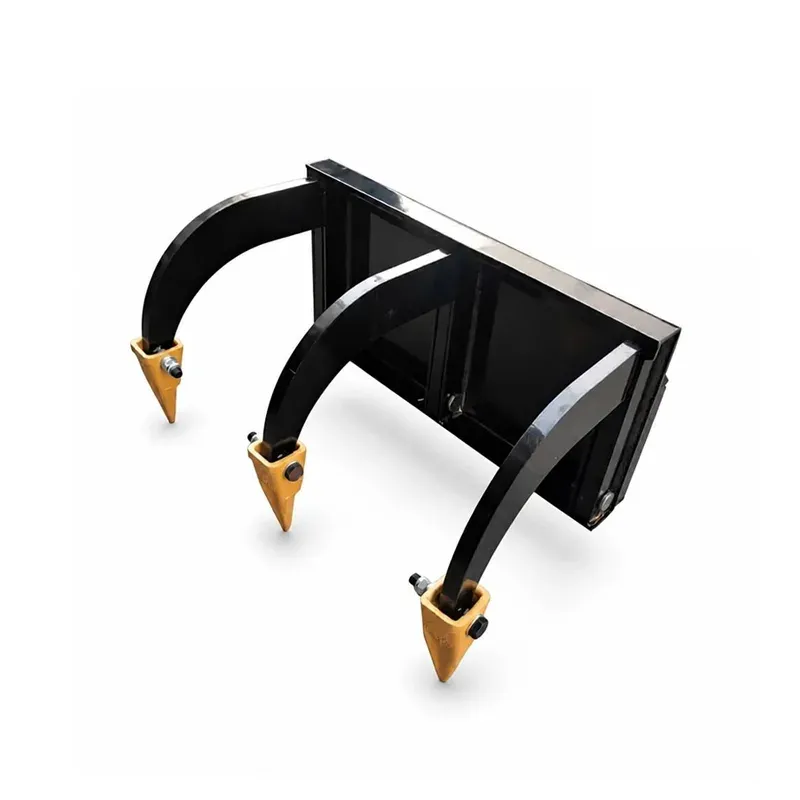
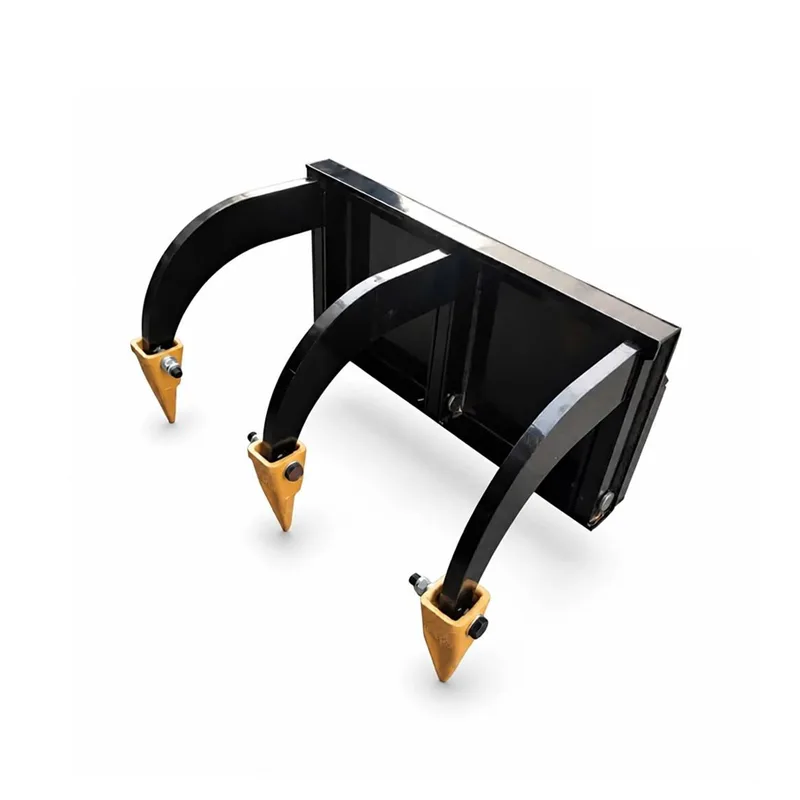
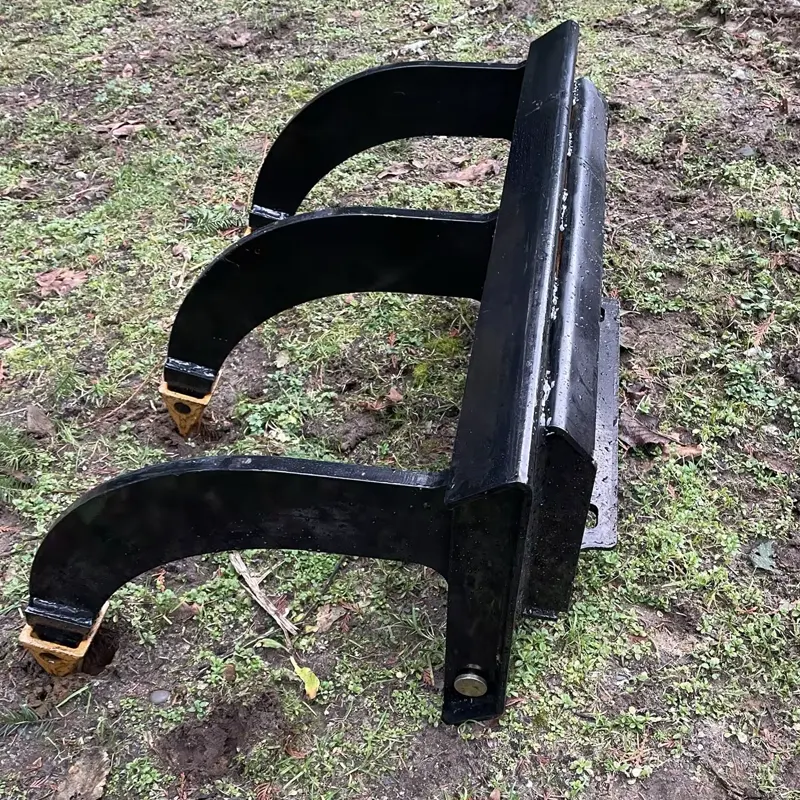
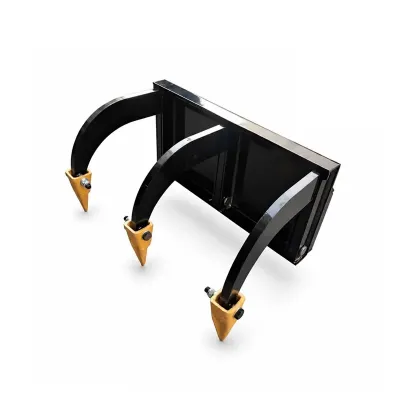
TGEC TG-RIP3 skid steer ripper with 3 replaceable bolt-on high-carbon boron steel teeth. 635 mm length, 28 kg, universal quick-attach. For breaking compacted soil, root removal and ground preparation.
Product Name: Ripper / Skid Steer Ripper / Scarifier / Soil Ripper / 3-Tine Ripper / Ripper Attachment / Ground Ripper / Hardpan Ripper
Type: Rippers
After-sales Service: Provided
Warranty: 1 Year
Customization: Available
Shipping Cost: Negotiate with us about shipping cost and estimated delivery time.
Get a quote
Overview
FAQ

Product Overview

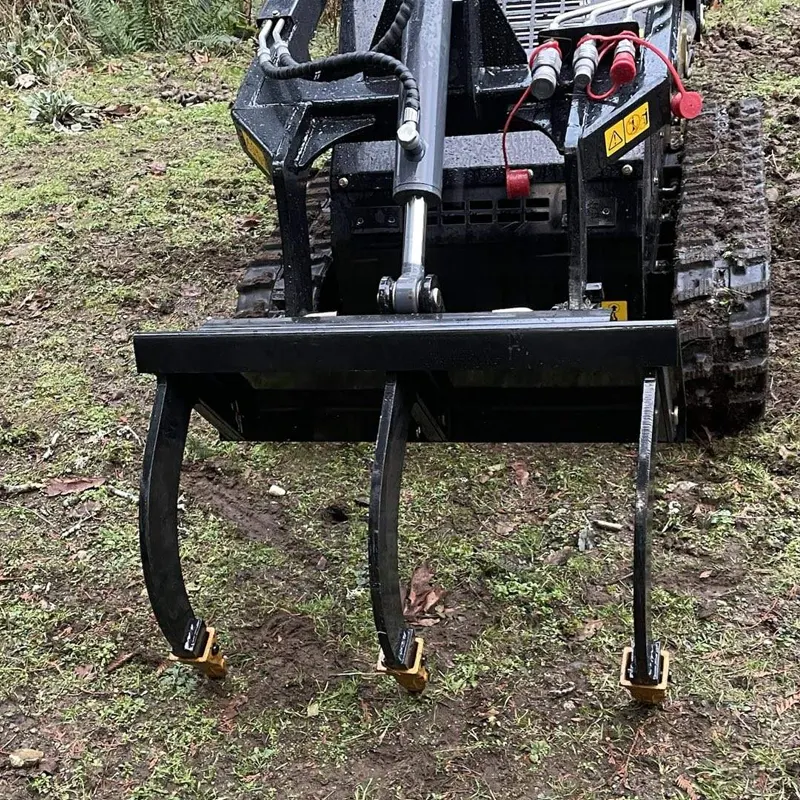
A skid steer ripper turns your loader into a ground-breaking machine for compacted soil, hardpan, and root-infested ground. The TG-RIP3 uses three heat-treated teeth that penetrate where standard buckets won't go, fracturing and loosening material for grading, planting, or excavation. Mounts via universal quick-attach and works with mini skid steers up to mid-frame loaders.

The reinforced steel frame carries three bolt-on teeth made from high-carbon boron steel, heat-treated for wear resistance in abrasive ground. At 28 kg, the TG-RIP3 is light enough for compact machines while delivering enough ripping force for landscaping, agricultural prep, and light construction. It's part of the broader skid steer ripper attachment range and is compatible with universal quick-attach mounting.

Technical Specifications

ParameterValue
ModelTG-RIP3
Number of Tines3
Tine MaterialHigh-carbon boron steel (heat-treated)
Tine ConfigurationReplaceable, bolt-on
Overall Length635 mm (25.0 in)
Overall Width480 mm (18.9 in)
Overall Height250 mm (9.8 in)
Operating Pressure6–10 MPa
Product Weight28 kg (62 lb)
Mounting TypeUniversal Quick-Attach (MP1140 compatible)

Table data is for reference only. Actual specifications may vary based on the final configuration. Please contact the TianGe technical team for details.

How It Works

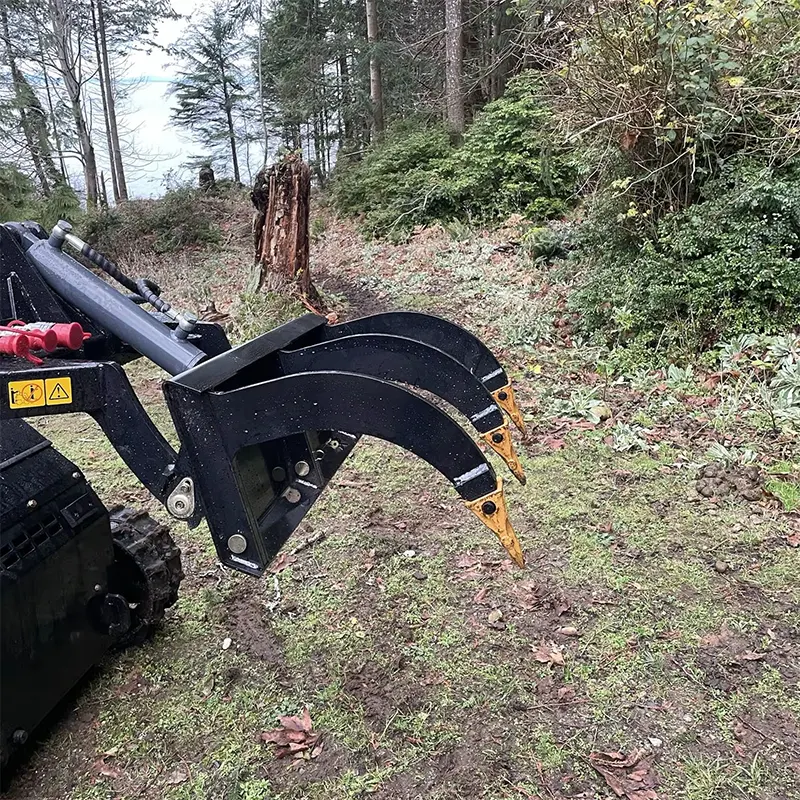
Ripping action comes from a combination of loader arm down pressure and forward machine motion. The hardened steel teeth penetrate the ground surface, fracturing and lifting compacted soil as the machine moves ahead. The operator adjusts ripping depth by raising or lowering the loader arms, and the three-tooth design delivers consistent penetration across the full working width.

Application Scenarios

  • Compacted soil breaking: Loosening hard-packed clay, hardpan and construction-compacted ground before grading, excavation or landscape installation.

  • Root removal: Ripping through tree roots and thick root systems to clear land for building pads, fence lines and property development.

  • Agricultural field prep: Breaking plow pans and compacted farm soil to improve drainage and prepare ground for planting or tillage.

  • Road and trail maintenance: Scarifying packed dirt roads and trails to restore surface drainage and prepare for gravel resurfacing.

  • Landscaping site prep: Ripping ground for new lawns, garden beds and irrigation trenching on residential and commercial properties.

  • Frozen ground penetration: Breaking through frozen topsoil in winter where standard buckets cannot gain penetration.

  • Stump and debris clearing: Ripping around stumps and embedded debris to loosen material for removal.

Installation & Mounting

The TG-RIP3 attaches to any skid steer with a universal quick-attach plate, including MP1140-compatible mini skid steer mounts. Align the mounting frame with the machine quick-attach, lock it in place, and verify the attachment is secure before operation. No hydraulic connections are required for standard ripping, though models with hydraulic angle adjustment require connection to the auxiliary circuit.

Wear & Service

Primary wear items are the three ripper teeth, made from heat-treated high-carbon boron steel for extended service life. Inspect teeth regularly for wear, cracking or loosening, and replace individual teeth as needed using the bolt-on mounting system. Check frame welds and mounting plate for cracks after heavy use, and keep all bolts torqued to specification. Genuine replacement teeth and hardware are available directly from TGEC. For detailed tooth wear and replacement guidance, see our skid steer ripper teeth maintenance guide.

OEM & Bulk Supply

TGEC supplies the TG-RIP3 ripper to equipment dealers, rental fleets and landscape contractors through OEM and bulk-supply programs. Private-label branding, custom paint colors, modified tooth configurations and mixed-product container orders are available for qualified partners. For help selecting the right ripper configuration for your fleet, see our ripper selection guide.

Ripping Hardpan, Clearing Roots, or Prepping Frozen Ground — What's Your Primary Job?

Your machine make and model, operating weight, rated operating capacity, and typical soil conditions are where we start. Also let us know your preferred tooth configuration and mounting plate type. We'll confirm the right setup and reply with a quote and estimated ship date.
Frequently Asked Questions

What jobs is a skid steer ripper designed for?+

A skid steer ripper is designed for breaking compacted soil, hardpan and packed clay, removing tree roots, preparing agricultural fields, scarifying dirt roads and trails, and loosening ground for landscaping and construction. It uses hardened steel teeth and machine down pressure to penetrate ground that standard buckets cannot.

What types of soil and ground conditions can a skid steer ripper handle?+

Skid steer rippers handle compacted soil, hardpan, clay, packed dirt, moderately rocky ground and frozen topsoil. Very hard rock or heavily reinforced ground may require larger equipment. Performance depends on machine weight, down pressure and tooth condition. Worn teeth significantly reduce penetration in hard ground.

Can a skid steer ripper be used for removing roots?+

Yes. A ripper is effective for cutting through and loosening tree roots, especially when used at an angle to get under the root mass. The operator uses the loader arms to lift and fracture roots as the machine moves forward. Large diameter roots may require multiple passes or a single-tooth configuration for concentrated force.

What skid steer size is suitable for a ripper attachment?+

The TG-RIP3 at 28 kg fits mini skid steers and compact track loaders with universal quick-attach mounting. Larger rippers require mid-frame to large-frame machines with sufficient operating weight for down pressure. The key factors are machine operating weight, rated operating capacity and the ability to generate enough down force for the soil conditions.

What should be checked before mounting a ripper on a skid steer?+

Before mounting, verify that the machine quick-attach plate is compatible, inspect the ripper frame and teeth for cracks or excessive wear, confirm all mounting bolts are tight, and check that the machine rated operating capacity exceeds the attachment weight plus dynamic ripping forces. Ensure the work area is clear of underground utilities and obstacles.

How is a skid steer ripper mounted to the loader?+

The ripper mounts using a universal quick-attach plate compatible with standard skid steer and compact track loader mounting interfaces. Align the plate with the machine quick-attach, engage the locking mechanism, and verify the attachment is fully secured. The TG-RIP3 is also compatible with MP1140 mini skid steer mounts. No hydraulic connections are required for standard ripping operation.

What operating conditions affect ripper performance?+

Soil type and moisture content are the biggest factors. Dry, hard clay and frozen ground require more down pressure and slower forward speed. Rocky ground can damage teeth if operated too aggressively. Machine weight, tooth sharpness and ripping depth also affect performance. Operating at the correct depth for the soil maximizes productivity and tooth life.

How many ripper teeth should an attachment have?+

The TG-RIP3 uses three teeth, which provides a balance between penetration force and working width. More teeth cover more ground per pass but require more machine down pressure. Fewer teeth concentrate force for harder ground. The optimal count depends on soil conditions, machine size and the desired ripping width.

What is the difference between a single ripper and a multi-tooth configuration?+

A single ripper concentrates all machine down pressure into one tooth, providing maximum penetration for hard ground, large roots and rocky conditions. A multi-tooth configuration like the TG-RIP3 covers more width per pass and is more efficient for general soil loosening and scarifying in moderate ground. Single rippers are typically used for heavy-duty work, while multi-tooth units suit general landscaping and agriculture.

When should ripper teeth be inspected for wear?+

Inspect ripper teeth before each use, especially after working in rocky or abrasive soil. Look for excessive wear on the tooth tips, cracks, bending or loose mounting bolts. Teeth that are worn down significantly reduce penetration and increase strain on the machine. replace individual teeth as needed rather than waiting for all three to wear out.

How should a skid steer ripper be maintained after use?+

After use, clean dirt and debris from the frame and teeth, inspect all welds for cracks, check mounting bolt torque, and examine teeth for wear or damage. Lubricate any pivot points if equipped. Store the attachment indoors or under cover to prevent corrosion. replace worn teeth promptly to maintain performance and protect the frame from excessive stress.

What factors should be considered when selecting a ripper configuration?+

Consider the primary soil type, machine operating weight and down pressure, the desired working width, tooth count and replaceability, mounting interface compatibility, and whether hydraulic angle adjustment is needed. Also factor in tooth material and heat treatment for abrasive conditions. The right configuration matches the attachment to the machine capacity and the most common jobsite conditions.
Please make sure to include your phone number with the country code (e.g., 86 for China, 1 for USA).