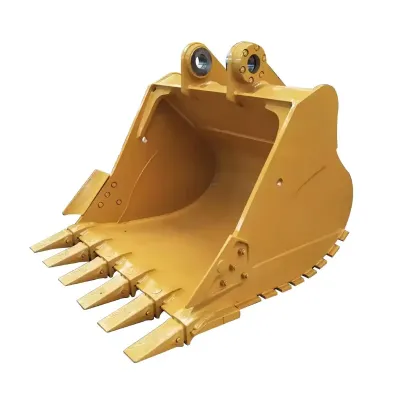
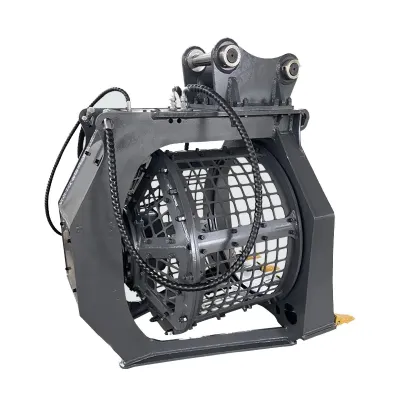
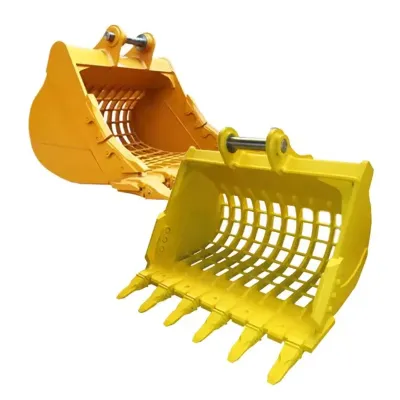
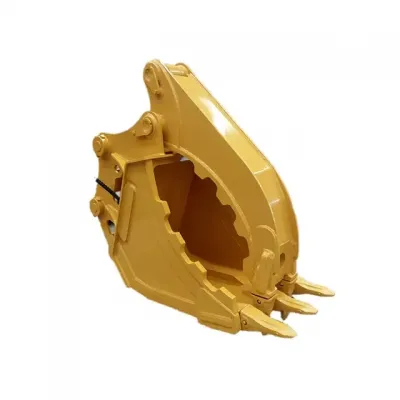
Picking a skid steer ripper comes down to three things: the ground you work in, the machine you're running, and how deep and wide you need to rip. A light ripper on hard clay will bounce and scratch the surface, while an oversized unit on a compact loader wastes capacity and can make the machine unstable. Here's what to look at when matching a ripper to your typical jobsite.
Assess Your Primary Soil Conditions
Soil type drives ripper selection more than anything else. Soft topsoil and loose loam don't take much force—a light multi-tooth attachment handles those just fine. Hard clay, hardpan, and compacted construction fill demand more down pressure and tougher teeth. Rocky or frozen ground needs maximum penetration, often favoring a single-tooth configuration that puts all the machine's force onto one point.
Moisture content changes the game too. Wet clay is soft and rips easily but tends to clog teeth, while dry clay is hard and brittle. If you move between different soil types, look for a ripper with replaceable teeth so you can swap between general-purpose and pointed configurations without swapping the whole attachment.
Match the Ripper to Your Machine
Your skid steer's operating weight and rated operating capacity determine how much down force you can put into the ground. A 28 kg compact ripper like the skid steer ripper attachment from TGEC works well on mini skid steers and compact loaders for landscaping and light construction. Mid-size and large-frame machines can handle heavier rippers with more teeth and wider working widths.
Mounting interface matters too. Most skid steers use a universal quick-attach plate, but some mini skid steers run proprietary mounts like the MP1140 pattern. Double-check that the ripper mounting frame matches your machine before you buy, or plan for an adapter plate. The full skid steer ripper attachments range from TGEC supports both standard and mini skid steer mounts.
Choose Tooth Count and Configuration
Multi-tooth rippers with three or more teeth cover more ground per pass and are the go-to for general soil loosening, scarifying, and agricultural field prep. A wider working width means fewer passes to get the job done, which boosts productivity in moderate ground. Three-tooth setups are the most common all-purpose configuration.
Single-tooth rippers concentrate all the machine's down pressure onto one point, giving you maximum penetration for hard ground, big roots, and rocky conditions. They're slower for covering wide areas but essential when multi-tooth attachments just can't get through. Some operators keep both on hand and swap based on the day's work.
Evaluate Ripping Depth and Width
Ripping depth comes from loader arm position and tooth length. Most compact rippers get 100 to 200 mm of penetration in a single pass, with deeper results from multiple passes. If you need deep ripping for drainage or subsoil work, look for longer teeth and a frame that gives you more arm reach without bottoming out.
Working width determines how much ground you cover per pass. A three-tooth ripper on a 480 mm wide frame handles a manageable swath for landscaping and small acreage. Wider frames with more teeth suit large agricultural fields but need heavier machines to keep consistent penetration.
Consider Durability and Wear Parts
Ripper teeth are consumables—they wear faster in rocky or sandy soil. Look for attachments with heat-treated high-carbon steel teeth that resist abrasion and bending. Bolt-on replaceable teeth beat welded ones hands down because you can swap individual worn teeth in minutes without breaking out the welder. For more detail on tooth types, wear patterns, and replacement timing, see our skid steer ripper teeth maintenance guide.
Frame construction is worth a close look too. A reinforced frame with gusseted mounting points handles the twisting forces that ripping generates. Check that the frame uses thick steel plate with full welds, and inspect for cracks after heavy use.
Final Selection Recommendations
For general landscaping, residential construction, and small agricultural work with a mini or compact skid steer, a three-tooth compact ripper with replaceable heat-treated teeth is your best all-around bet. For hard clay, rocky ground, or major root removal, go with a single-tooth heavy-duty ripper on a mid-size or larger machine. Always match the attachment weight to your machine's rated operating capacity, and verify mounting compatibility before you pull the trigger.