Clearing rocks from a field is a tough, time-consuming job—one that a skid steer rock picker can shrink from days of manual labor to a few hours of steady machine work. The catch is that the attachment has to match your soil, your rock volume, and your skid steer's hydraulic output. Pick the wrong one and you'll fight clogging, weak pickup, or a machine that simply can't lift a full load.
This guide walks through the key decisions: box-style versus rotary, hydraulic flow and pressure, working width and machine capacity, wear-part durability, and mounting compatibility. Whether you're maintaining pasture, reclaiming cropland, or prepping a construction site, getting these variables right keeps the job moving. For a quick look at what's available, browse our lineup of skid steer rock picker attachments.
Assess Your Rock Removal Requirements
Start by taking stock of what you're dealing with. Rock size and density vary widely—scattered softball-sized field stones call for a different setup than a field full of pea gravel or mixed construction debris. Also note how deeply the rocks are embedded. Hard-packed clay holds rocks tight, requiring more torque and heavier tine construction than loose topsoil where rocks sit near the surface.
Think about total acreage and how fast you need to clear it. A small hobby farm with a few acres per year can manage with a lighter-duty model, but a commercial land-clearing operation working dozens of acres weekly needs higher capacity—wider working widths and larger collection volumes. And don't overlook what happens after collection. If you need to dump rocks into a pile or truck, a hopper-style picker with quick full-open dumping is essential. If windrowing rocks for later pickup fits your workflow, a rotary design may serve you better.
Box-Style vs. Rotary: Which Design Fits Your Operation
These two designs are built for different work patterns. A box-style rock picker uses a rotating tine reel to sweep rocks into a large hopper, then dumps the entire load through a full-open rear door. It's the go-to choice for high-volume collection where rocks get hauled away, and it handles everything from gravel to large field stones. The big hopper means fewer dump cycles—a real advantage on large sites.
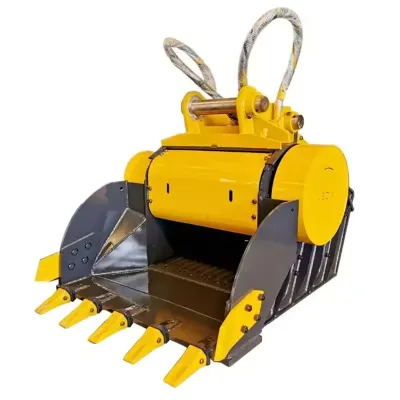
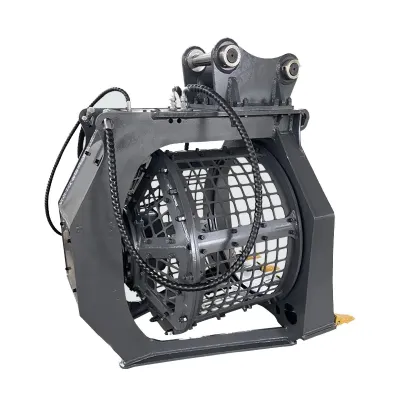
A rotary rock picker works differently: a horizontal screening drum rotates to separate rocks from soil as you move. Fine material passes through replaceable screen panels and drops back to the ground, while rocks stay inside and discharge to the rear. This design shines when you need to keep topsoil on site—especially valuable in agricultural fields—or when you're separating reusable fill from rock debris. The continuous screening also suits operations where windrowing rocks for later pickup is more efficient than hopper dumping.
So the choice is straightforward: if your priority is bulk collection and hauling, go box-style. If you need in-field soil separation and continuous processing, go rotary. Some contractors keep both on hand for different sites, but if you're buying one attachment, let the majority of your work dictate the choice.
Hydraulic Flow and Operating Pressure
Mismatching hydraulic flow and pressure to your skid steer is the fastest way to get poor performance from a rock picker. Auxiliary flow controls the rotation speed of the tine reel or screening drum; pressure provides the torque to turn it under load. Too little flow means slow, weak rotation that won't lift rocks effectively. Too much flow overspeeds the mechanism, causing premature wear and potentially throwing material out of the attachment.
Box-style pickers typically need around 75 L/min at 21 MPa; rotary models often call for about 80 L/min at 14 MPa. Check your skid steer's auxiliary circuit specs in the operator's manual or on the machine's ID plate. If your machine is a high-flow model, you may need a flow limiter or pressure-reducing valve to bring output within the attachment's recommended range. Most standard-flow machines meet these requirements, but older or compact-frame skid steers can fall short. In that case, look for a smaller or lower-demand model—it's the safer, more productive bet.
Working Width and Machine Capacity
Working width is a direct lever on productivity. A wider picker covers more ground per pass, cutting down the number of passes across a large field. But wider attachments are heavier, demand more hydraulic power, and get clumsier in tight spots around trees, buildings, or other obstacles. A 72-inch box-style picker sits in a sweet spot for many operators—good coverage without sacrificing maneuverability. Compact rotary models often have narrower drums for smaller machines, while larger rotary units offer wider screening surfaces for high-throughput work.
Your skid steer's rated operating capacity (ROC) is just as critical. The attachment's own weight plus the weight of collected rocks must stay within the machine's safe lifting capacity—especially when the hopper or drum is full and you raise the arms to dump. Take a box-style picker with a 1,200 kg safe working load: that's significant weight on top of the attachment's 646 kg base. Verify that your skid steer can handle the combined load at full lift before you buy. Overloading leads to instability, rapid tire wear, and even structural damage to the machine.
Durability, Wear Parts, and Maintenance Access
Rock pickers work in one of the most abrasive environments you'll find, so build quality and wear-part availability have a big impact on long-term cost. Look for tines and screen panels made from hardened or high-carbon steel that resist bending and abrasion. Heavy-duty drive components—like No. 60 roller chain on box-style models or rugged drum bearings on rotary units—signal an attachment built for continuous use. Check whether wear parts are individually replaceable. Rotary pickers with replaceable screen panels let you swap out worn sections without replacing the entire drum, which saves a lot on maintenance over time.
Think about how easy it is to inspect and service the attachment in the field. Grease points should be reachable without removing guards. Hydraulic hoses should be routed away from abrasion points. Fasteners should use standard sizes you can find at any hardware supplier. Attachments that need special tools or proprietary parts for routine maintenance will cost you more to keep running, especially if you're working in a remote area where parts availability and shipping time are real concerns.
Mounting Compatibility and Custom Options
Most modern skid steers use a universal quick-attach mounting plate, and nearly all rock pickers are built to fit that standard. If your machine has a non-standard interface, check whether the manufacturer offers an adapter plate or custom mounting option. Some manufacturers also provide customizations like alternative tine spacing, different screen panel apertures, reinforced hoppers, or private-label branding for dealers and resellers.
Before you finalize your purchase, confirm the attachment's overall dimensions against your storage and transport constraints. A picker that's too tall or too long might not fit through a barn door, on your trailer, or in your equipment storage area. Measure width, length, and height in both transport and operating positions, then compare those numbers to your available space.
Making the Final Selection
Start by settling the box-style versus rotary question based on whether you need bulk hauling or soil separation. Then confirm that your skid steer's hydraulic flow, operating pressure, and rated capacity meet the attachment's requirements. Compare working widths and overall weights to find the largest model your machine can safely handle without compromising maneuverability. Finally, inspect construction quality, wear-part design, and maintenance access to ensure the attachment will deliver reliable service over hundreds of hours of work.
Still unsure after working through these factors? Document your specific conditions—soil type, average rock size, acreage, skid steer make and model—and share them with the manufacturer or dealer. A good supplier will recommend the configuration that fits your operation, not just the most expensive model. Taking the time to choose the right rock picker upfront pays off in faster field cleanup, fewer breakdowns, and lower operating costs over the long haul.