Hydraulic flow is the single most important spec when pairing a stump grinder with a skid steer. Standard-flow and high-flow attachments are built for different hydraulic output ranges, and picking the wrong one leads to slow grinding, overheating, and early component failure. Knowing how flow affects stump-grinding performance helps contractors choose the right attachment and avoid expensive compatibility mistakes.
This guide covers the technical differences between standard-flow and high-flow stump grinders, the limitations of low-flow machines, and a practical way to match hydraulic flow to your attachment. Whether you run one skid steer or manage a mixed fleet, these principles apply across all major brands.
What Is Standard Flow vs. High Flow
Standard-flow skid steers typically put out between 50 and 80 liters per minute of auxiliary hydraulic flow. This is the default output on most mid-size skid steers and compact track loaders, and it powers most common attachments — buckets, forks, grapples, and many augers. Standard-flow stump grinders are designed to work efficiently in this range, with hydraulic motors sized to produce adequate wheel speed and torque at 50 to 80 L/min.
High-flow skid steers deliver 100 L/min or more of auxiliary flow, often with higher system pressure as well. These machines are built for demanding attachments like mulchers, cold planers, large augers, and high-performance stump grinders. High-flow stump grinders use larger hydraulic motors and more aggressive cutting wheels that take advantage of the extra flow to spin faster and maintain speed under heavy load. The tradeoff: they require a high-flow machine to deliver their rated performance.
How Flow Affects Stump-Grinding Performance
Hydraulic flow directly controls how fast the cutting wheel spins. A stump grinder running at its rated flow will spin the wheel within the manufacturer's designed speed range, typically 1,000 to 2,000 rpm depending on the model. At that speed, the carbide teeth engage the wood cleanly, producing consistent chips rather than tearing or burning the stump. Adequate flow also keeps the wheel speed up when it hits dense hardwood or buried roots, reducing the tendency to stall or bog down.
When flow is insufficient, the cutting wheel slows down under load. The teeth start rubbing instead of cutting, generating excessive heat and friction that dulls the carbide tips early. The operator has to use less downforce, which stretches out grinding time and cuts productivity. In severe cases, sustained low-flow operation can overheat the hydraulic motor, degrade the fluid, and cause seal failure. On the other side, when flow exceeds the attachment's maximum rating, the wheel spins too fast, the teeth can't engage the wood properly, and the motor risks overspeed damage.
Can a Low-Flow Skid Steer Operate a Stump Grinder
Low-flow skid steers — typically compact or mini machines delivering less than 50 L/min of auxiliary flow — face real limits when running stump grinders. Most standard-flow stump grinders need a minimum of 50 to 60 L/min to spin the cutting wheel at an effective speed. A machine putting out only 30 to 40 L/min won't maintain wheel speed under load, resulting in slow, frustrating grinding that may not even get the stump below grade.
That said, some manufacturers offer compact stump grinders designed specifically for low-flow mini skid steers. These units use smaller cutting wheels, lighter frames, and hydraulic motors sized for lower flow ranges. If you run a mini skid steer and need stump-grinding capability, look for a model explicitly rated for your machine's flow output, and check that the attachment weight doesn't exceed the skid steer's rated operating capacity. Also expect reduced productivity compared to a full-size machine — you may need multiple shallow passes rather than one deep cut.
Matching Hydraulic Flow to a Stump Grinder
The first step in matching flow is finding your skid steer's exact auxiliary hydraulic output. That information is in the operator's manual or on the manufacturer's spec sheet, and it may be listed as standard flow, high flow, or both if the machine has a selectable high-flow circuit. Keep in mind that advertised flow figures are sometimes measured at the pump rather than at the auxiliary couplers, so actual usable flow may be slightly lower due to system losses.
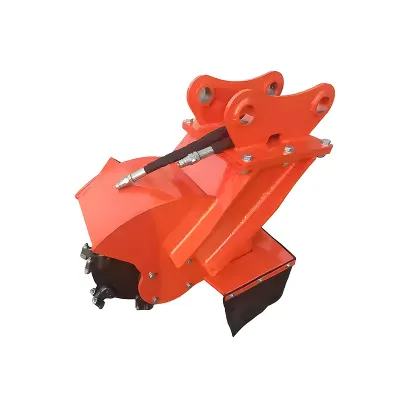
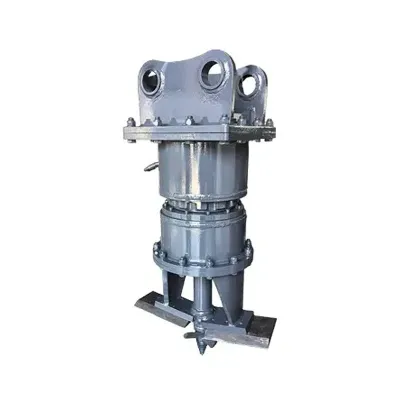
Once you know your machine's flow, pick a stump grinder whose rated flow range covers that figure with roughly a 10 percent margin. For example, if your skid steer delivers 65 L/min, a grinder rated for 55 to 75 L/min is a good match. Avoid a grinder whose minimum flow requirement exceeds your machine's output, even if the manufacturer says it will work. Also check pressure compatibility — some high-flow systems run at higher pressures that may exceed a standard-flow attachment's rating. The TGEC skid steer stump grinder specifies a 60 L/min flow requirement and 16 MPa operating pressure, making it suitable for standard-flow machines that meet those thresholds.
Practical Recommendations for Mixed Fleets
Contractors running multiple skid steers with different hydraulic outputs face a common question: buy one stump grinder and move it between machines, or get separate attachments for standard-flow and high-flow units? In most cases, a single standard-flow stump grinder can work on both standard-flow and high-flow machines, provided the high-flow machine can be switched to a standard-flow mode or the attachment includes a flow regulator. Running a standard-flow grinder on an unregulated high-flow circuit risks overspeed damage, so always verify that the machine can limit flow to the attachment's rated range.
For contractors who primarily run high-flow machines and handle large-diameter stumps in forestry or land-clearing work, a dedicated high-flow stump grinder delivers real productivity gains. The extra flow allows a wider cutting wheel, more aggressive tooth pattern, and faster grinding speeds. But for residential and commercial stump removal where standard-flow machines are the norm, a well-matched standard-flow grinder provides solid performance at a lower purchase price. For broader selection guidance, the best skid steer stump grinder selection guide covers additional factors beyond hydraulic flow, including cutting width, build quality, and maintenance.
Key Takeaways
Matching hydraulic flow isn't optional when picking a stump grinder. A grinder that runs outside its rated flow range will underperform, wear out early, and may damage the hydraulic system. Start by confirming your skid steer's exact auxiliary flow and pressure, then pick an attachment whose specs cover those values. Standard-flow grinders work well for most mid-size skid steers handling residential and commercial stumps, while high-flow units are justified for large-scale forestry and land-clearing operations on high-flow machines. Low-flow mini skid steers require compact, purpose-built attachments and will deliver reduced productivity regardless of the grinder chosen.
When evaluating suppliers, prioritize those that provide clear, verifiable flow and pressure specifications rather than vague claims about universal compatibility. The skid steer stump grinder attachments range from TGEC includes standard-flow configurations with documented hydraulic requirements, making it straightforward to confirm compatibility before purchase. Always test the attachment on your specific machine before committing to a large order, and verify that replacement parts and technical support are readily available for the model you select.