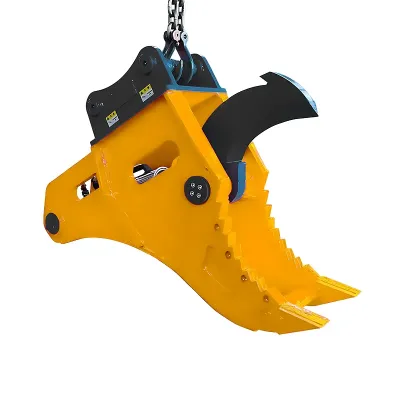
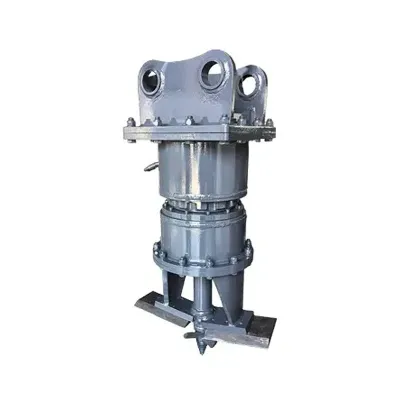
Mini skid steers and compact track loaders are popular choices for fencing, landscaping, and light construction because they fit through standard gates, work in tight yards, and leave less track marks than larger machines. The question that keeps coming up is whether these compact loaders can effectively run a hydraulic post driver. The short answer is yes—for light to medium post work—as long as your machine meets the minimum hydraulic flow and operating weight requirements for the driver you're looking at.
Hydraulic Flow Requirements
Auxiliary hydraulic flow is the single most important compatibility factor. Compact post drivers need at least 25 L/min, with the smallest models operating best in the 25 to 50 L/min range. Most mini skid steers deliver 30 to 50 L/min of standard auxiliary flow, which puts them right in the sweet spot for entry-level drivers. If your machine puts out less than 25 L/min, you won't generate enough impact energy for consistent driving—even T-posts will take too long.
High-flow mini skid steers that deliver 60 to 80 L/min can handle mid-size post drivers, which opens up the ability to drive larger wood and steel posts. Before you pick a model, check your machine's auxiliary flow rating in the operator manual or ask your dealer. A driver that needs more flow than your machine can supply will cycle slowly and leave posts short of grade.
Operating Weight and Capacity
A post driver adds noticeable weight to the front of the machine, and the downforce you apply during driving puts even more load on the loader arms. The lightest post driver weighs 130 kg, which is manageable for most mini skid steers with rated operating capacities above 300 kg. Mid-size drivers in the 300 to 400 kg range need mini skid steers with ROC of 700 kg or more to stay stable during operation.
Machine weight also affects traction and down pressure. Heavier machines can push down harder during driving, which helps in compacted soil. Very light mini skid steers may lift the rear wheels when driving larger posts in hard ground, which hurts both safety and productivity. Counterweights or rear-mounted attachments can help with stability, but the machine's rated operating capacity is still the hard limit.
Mounting and Interface Compatibility
Most mini skid steers use a universal quick-attach plate that works with standard skid steer attachment mounts. But some compact machine brands have proprietary mounting systems that need an adapter plate. Before you buy, double-check that the post driver mounting plate matches your machine's quick-attach system, or budget for an adapter.
Hydraulic hose connections are another thing to check. Mini skid steers typically use flat-face couplers, and the post driver hose ends need to match. Some drivers come with configurable hose lengths and coupler types, while others need adapters. Proper hose routing is important too—make sure the hoses won't pinch or rub when the loader arms go through their full range of motion.
Performance Expectations on Mini Skid Steers
A compact post driver on a mini skid steer really shines at driving T-posts, small wood fence posts, and sign posts in normal soil conditions. For those applications, the combination of compact size and enough impact energy is hard to beat—especially in fenced yards, urban lots, and vineyard rows where bigger machines simply won't go.
But heavy steel posts, guardrail sections, or large-diameter wood posts are a different story. A mini skid steer with a compact driver will struggle in those cases. The lower impact energy and reduced down pressure mean slower driving and a higher chance of post damage. For those jobs, renting or bringing in a larger skid steer with a mid-size or heavy-duty driver is the smarter move. For more on matching driver size to post type, see our post driver applications guide.
How to Verify Compatibility
Before you buy or rent a post driver for a mini skid steer, gather three key details: your machine's auxiliary hydraulic flow in L/min, its rated operating capacity in kg, and the quick-attach mount type. Then compare those against the post driver spec sheet. The driver's flow range needs to include your machine output, the attachment weight has to be below your machine's ROC, and the mount has to match.
When in doubt, give the attachment supplier or manufacturer your machine make, model, and year. The Skid Steer Post Driver product page lists flow ranges, weights, and carrier classes for all seven TGEC models, so it's easy to spot which ones fit compact machines. For broader selection criteria across all carrier sizes, our post driver selection guide covers the full decision process.
Practical Recommendations
If you own a mini skid steer and mostly install T-posts and small wood posts, a 130 to 300 kg post driver with a 25 to 70 L/min flow range is the right call. These models are affordable, easy to maneuver, and productive for residential fencing, farm maintenance, and landscaping. If your work regularly includes steel posts or posts larger than 150 mm in diameter, consider stepping up to a mid-size skid steer with a higher-capacity driver instead of pushing a compact machine past its limits.
The full skid steer post driver category from TGEC includes compact models specifically designed for mini skid steers, with universal quick-attach plates and configurable hydraulic connections. Factory-direct support means replacement drive rods, seal kits, and hoses are available when routine maintenance comes due.