Selecting a skid steer post driver comes down to four things: the posts you drive, your machine's hydraulic capacity, the ground you work in, and how many posts you need per day. Pick a driver that's too small and it'll stall in hard soil; go too big and you're wasting flow and possibly overloading the loader. This guide walks through each decision point so you can narrow down the options with confidence.
Match the Driver to Your Carrier
First, confirm your skid steer can supply the hydraulic flow and pressure the driver requires. Every model has a specified flow range in L/min and working pressure in MPa. Standard-flow machines usually put out 50 to 80 L/min, while high-flow units deliver 100 L/min or more. If your auxiliary output falls below the minimum for a given driver, the impact mechanism won't hit its rated energy, and you'll notice slower driving right away.
Operating weight is the other carrier spec to check. The combined weight of the attachment plus the downforce from the loader arms must stay within the machine's rated operating capacity. Bigger post drivers weigh 780 kg or more and need mid- to large-frame skid steers. For smaller carriers, our mini skid steer post driver compatibility guide covers which models fit and what tradeoffs to expect.
Evaluate Post Type and Diameter
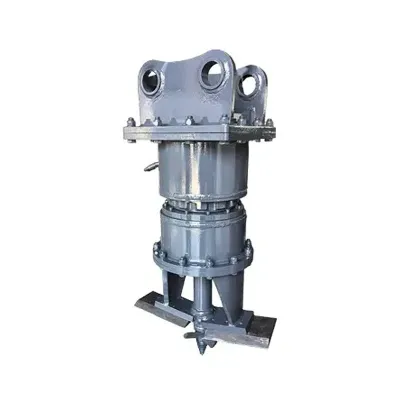
Post material and diameter drive the impact energy you'll need. T-posts and light wood posts work fine with compact drivers, but heavy steel guardrail posts and large-diameter wood posts require more punch and a thicker drive rod. Rod diameter is a handy shortcut: 53 mm rods suit lighter work, while 100 mm and up handle the heavy steel and guardrail sections.
For a closer look at which driver configurations match specific posts—T-posts, wood, steel, or guardrail—see our guide on post types and applications. Matching the driver to what you install most often keeps you from paying for capacity you don't need or struggling on the jobs that pay the bills.
Assess Soil and Jobsite Conditions
Soil type changes everything. Soft topsoil and moist sand drive fast with moderate energy, but hard clay, rocky ground, or frozen soil demand higher impact rates and more down pressure. If your work moves across different ground types, choose a driver with a flow range wide enough to adjust impact rate from the cab. A wider tolerance makes the attachment more adaptable to changing conditions.
Jobsite access matters too. Tight urban lots and fenced areas may limit how big a skid steer you can bring in, so a compact model on a mini loader can be more practical even if per-post speed is lower. Open agricultural fields and highway projects favor larger machines that can run at full production all day.
Compare Hydraulic Flow and Impact Rate
Impact rate, measured in blows per minute (bmp), tells you how fast the driver cycles. Compact models run 550 to 1000 bmp at lower flow, while heavy-duty units deliver 300 to 600 bmp but with much higher energy per blow. A higher bmp number doesn't always mean faster driving in hard ground—you have to look at the whole picture.
When comparing models, read the full spec sheet: flow range, working pressure, rod diameter, and carrier weight class. Together they tell the real story. The Skid Steer Post Driver product page from TGEC lists all seven models side by side, making the comparison straightforward.
Consider Productivity and Daily Volume
Fencing contractors who set hundreds of posts a day need high impact energy and quick cycle times—that means a mid-to-large driver on a high-flow skid steer. Occasional users and smaller crews working a few dozen posts a week can get by just fine with a compact unit on a standard-flow machine. The sweet spot is the smallest model that handles your biggest common post without straining.
Also think about versatility. A post driver that fits your existing skid steer and uses the same quick-attach plate as your other attachments reduces setup time and lets you switch from digging to driving without leaving the cab.
Final Selection Checklist
Before you commit, verify that your auxiliary flow and pressure overlap the driver's requirements, that the attachment weight is within your machine's capacity, and that the rod diameter matches your largest typical post. Also make sure spare parts and service support are available—drive rods and hydraulic hoses are routine wear items. The full skid steer post drivers lineup from TGEC covers compact to heavy-duty configurations with factory-direct parts backup.