Product Overview
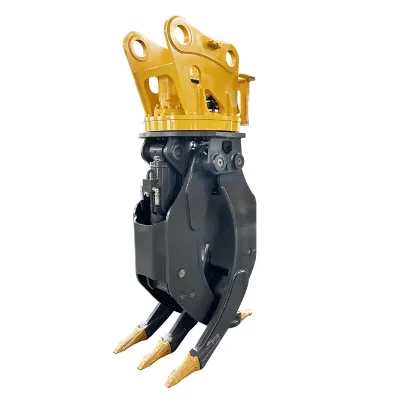
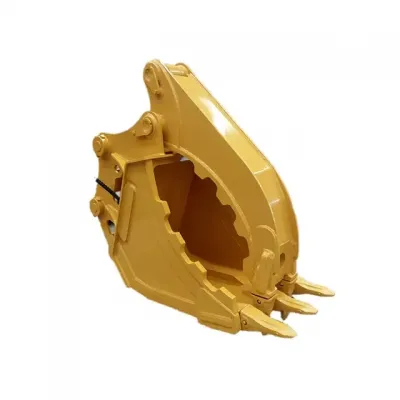
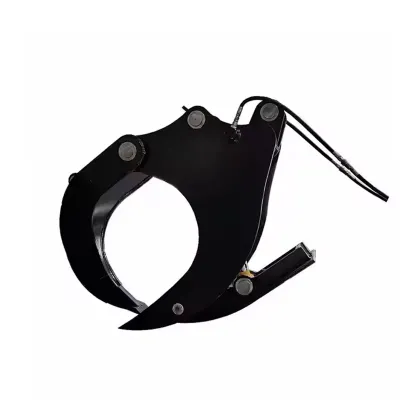
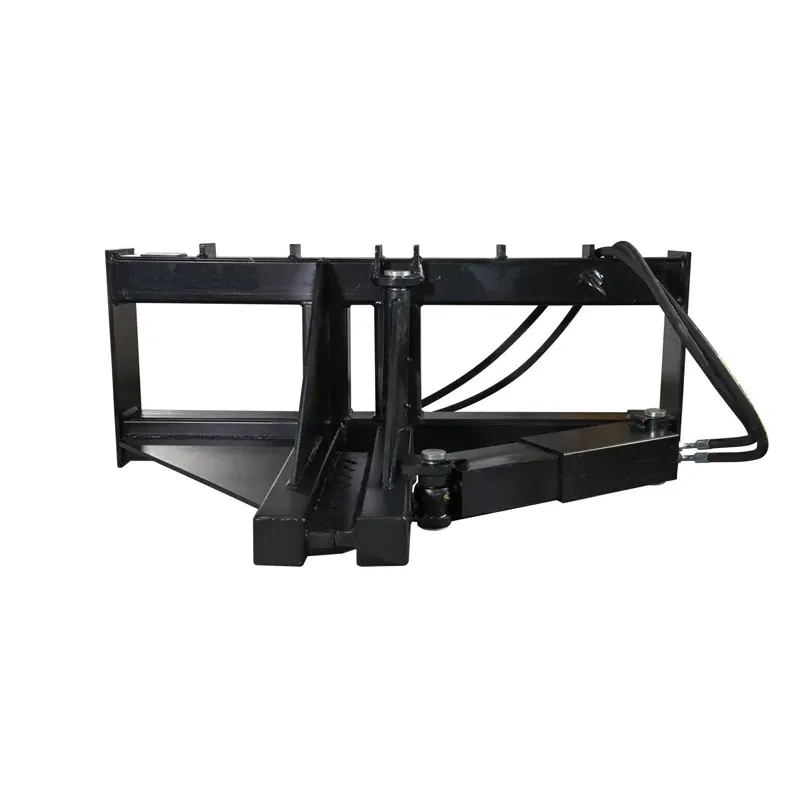
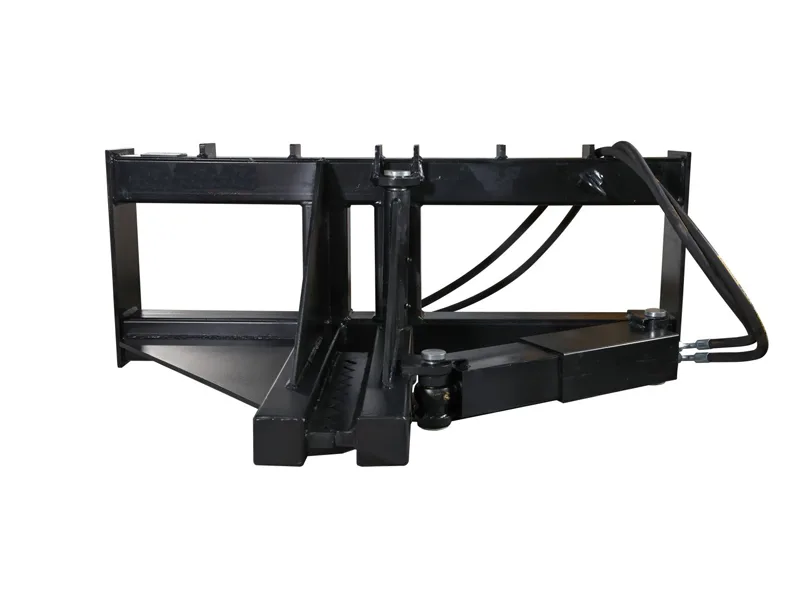
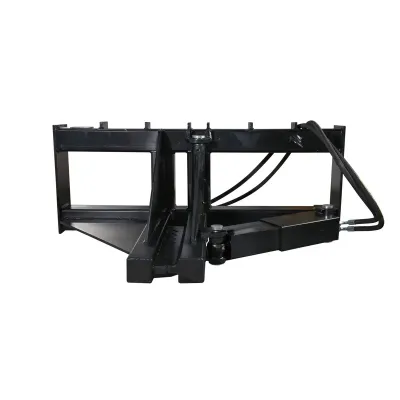
This hydraulic jaw-style puller grips and extracts trees, shrubs, fence posts and T-posts. The hardened steel jaws close around the trunk or post, then the skid steer lift arms supply the upward force to pull the root ball or post out of the ground.
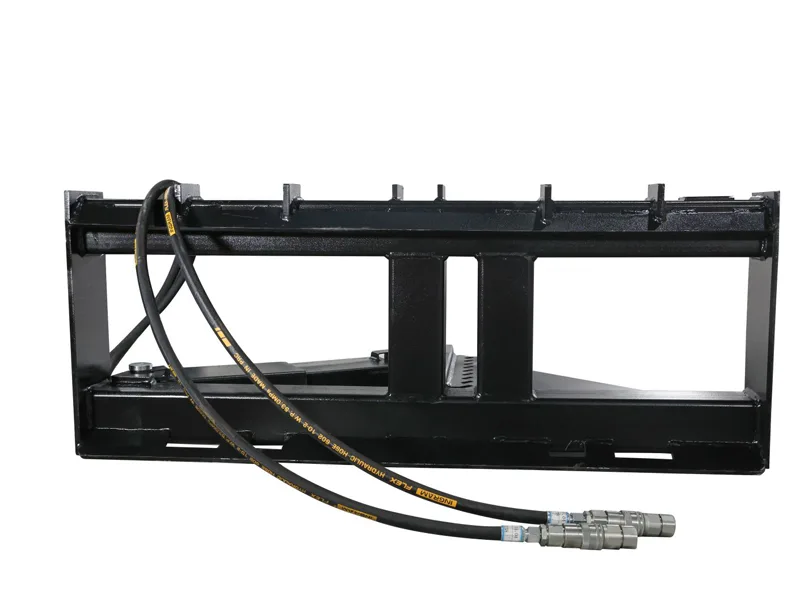
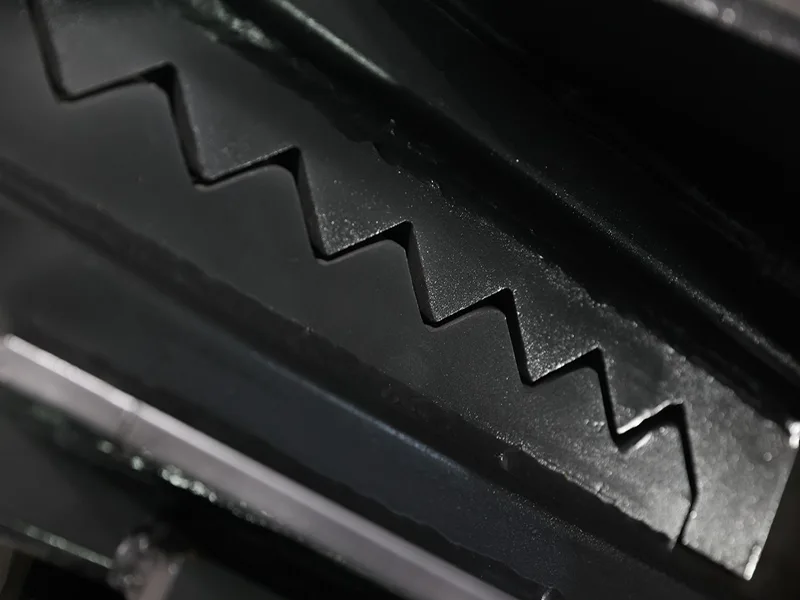
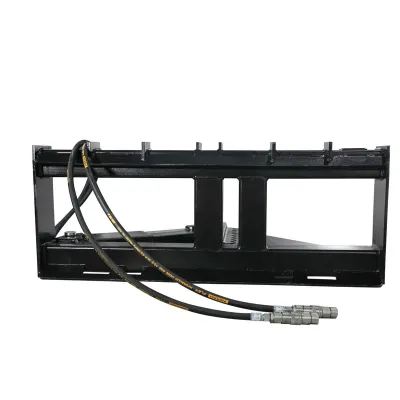
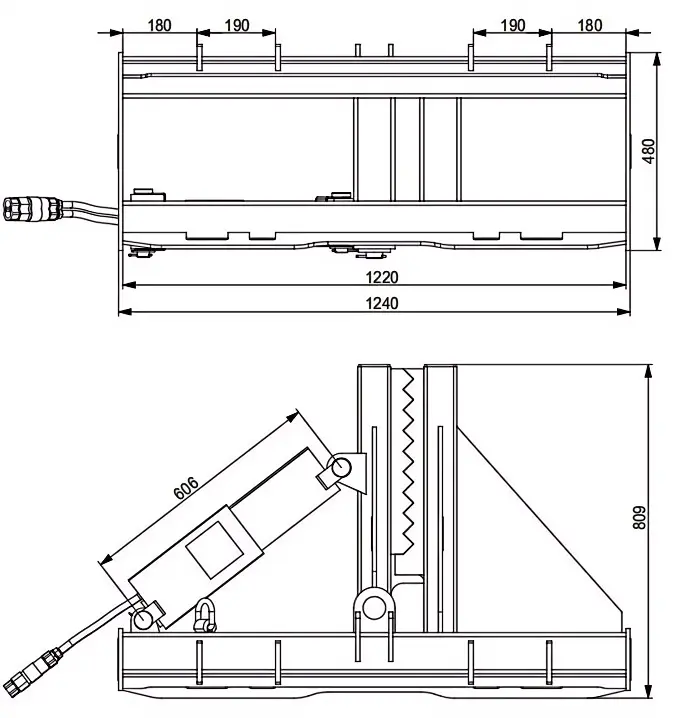
Two frame widths are available for different mounting configurations: 930 mm and 1240 mm. Both models have a 300 mm maximum jaw opening, 24 mm tooth thickness and universal quick-attach mounting. As part of the TGEC skid steer tree puller attachments line, this puller serves contractors, farmers, and land managers. For help matching the right configuration, see our tree puller selection guide.
Technical Specifications
| Parameter | TG-TFP1120(44IN)-MP910 | TG-TFP1240(49IN)-MP1220 |
|---|---|---|
| Overall Frame Width | 930 mm (36.6 in) | 1240 mm (48.8 in) |
| Jaw Maximum Opening Range | 300 mm (11.8 in) | 300 mm (11.8 in) |
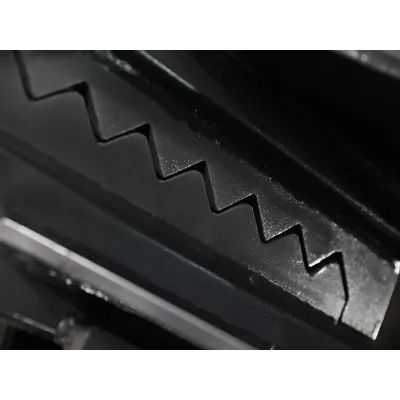
| Teeth Thickness | 24 mm (0.94 in) | 24 mm (0.94 in) |
| Unit Operating Weight | 130 kg (287 lb) | 146 kg (322 lb) |
| Mounting Interface | MP910 universal skid-steer quick-attach | MP1220 universal skid-steer quick-attach |
Table data is for reference only. Actual specifications may vary based on the final configuration. Please contact the TianGe technical team for details.
How It Works
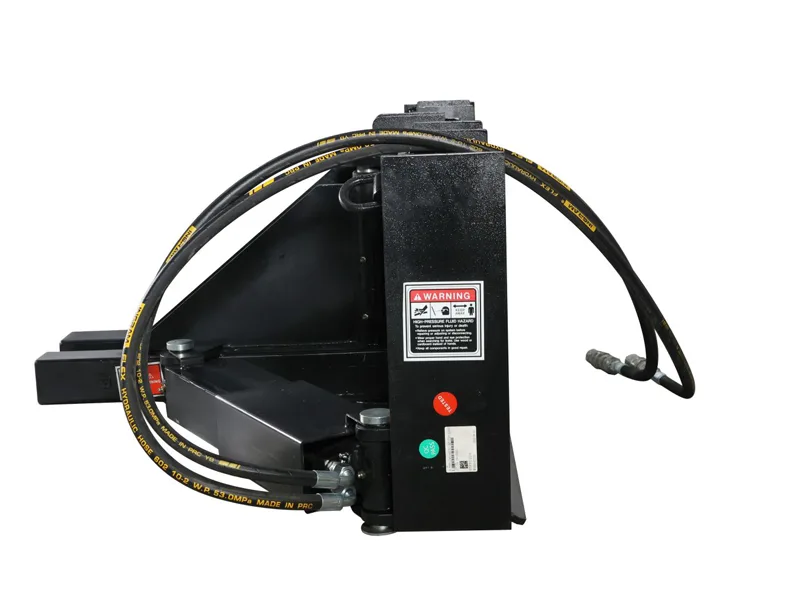
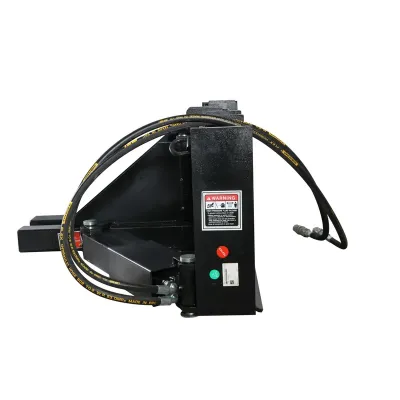
Hydraulic cylinders open and close the jaw assembly. When the jaws close around a trunk or post, hydraulic pressure drives the teeth into the surface and the teeth make contact with the material. The skid steer lift arms then raise the attachment, pulling the root ball or post vertically out of the soil. At the drop location, the operator opens the jaws and releases the extracted material.
Application Scenarios
Small tree and sapling removal: extract trees within jaw capacity without cutting or digging, extracting the tree and root ball when ground conditions allow.
Fence post removal: pull wood posts, steel T-posts and broken stakes when replacing or relocating fencing lines.
Land clearing and lot preparation: remove woody vegetation, small trees and shrub clumps before grading or construction.
Fence line maintenance: clear overgrown rows, remove volunteer trees and extract old posts before new fence installation.
Farm and ranch vegetation management: clear pasture edges, remove woody encroachment and maintain fence lines around fields.
Right-of-way and utility corridor clearing: remove small trees along access roads, pipeline corridors and utility easements.
Storm and demolition site cleanup: pull broken posts, uproot damaged trees and clear debris after storms or demolition.
Installation & Mounting
The puller attaches via the universal quick-attach plate. Align the plate with the carrier interface, lock the engagement levers and connect the auxiliary hydraulic hoses. Before operation, verify hydraulic flow and pressure match the attachment requirements, and confirm the quick-attach pins are fully seated. Compatibility should be verified based on the skid steer model and quick-attach interface.
Wear & Service
Primary wear items are the jaw teeth, hydraulic cylinders, pivot pins, bushings and hydraulic hoses. Inspect teeth regularly for wear or cracking and replace them when necessary. Check cylinders and hoses for leaks or abrasion, and inspect pivot pins and bushings for play. Grease all pivot points per the maintenance schedule and keep the quick-attach plate clean. Genuine replacement teeth, pins, bushings and hose kits are available for all TG-TFP models.
OEM & Bulk Supply
TGEC supplies tree and fence post pullers to dealers, distributors and rental companies through OEM and bulk-supply programs. Standard configurations are produced with consistent jaw geometry, tooth thickness and mounting interfaces. For qualified runs, TGEC can review custom requirements such as modified mounting plates, alternative jaw widths, custom tooth profiles and branding. Dealers can combine tree pullers with other TGEC attachments to simplify sourcing and shipping.
Which Frame Width — 930 mm or 1240 mm — Fits Your Skid Steer and Work?
We'll need your skid steer make and model, operating weight, auxiliary hydraulic flow and pressure, and the primary pulling job (trees, posts, or both). Also let us know whether you're leaning toward the 930 mm or 1240 mm frame. With that, we check carrier compatibility, recommend the right jaw setup, and return a factory-direct quote with estimated availability and shipping details.