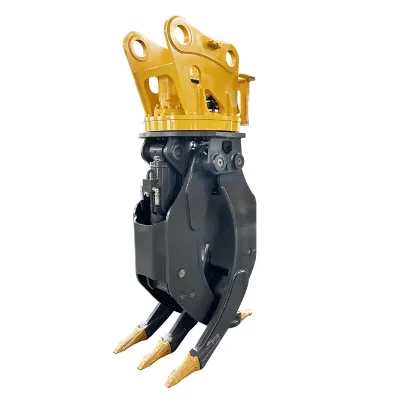
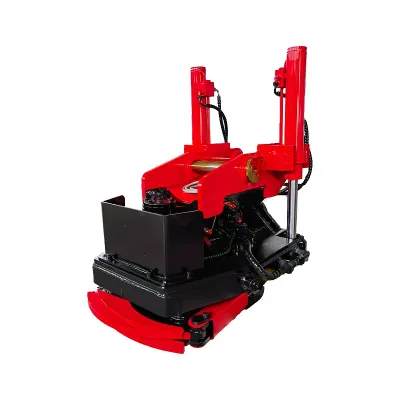
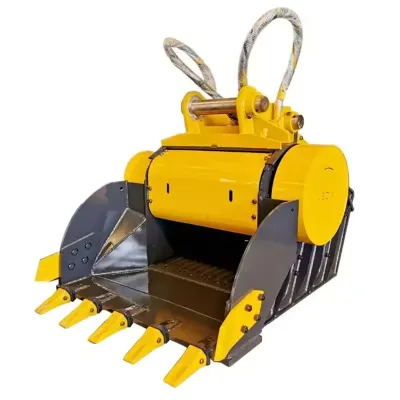
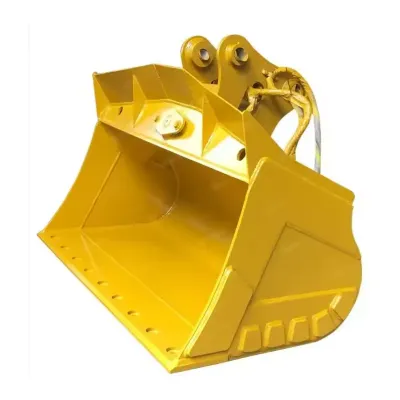
Building a homemade skid steer tree puller can be a worthwhile shop project for experienced fabricators, but it demands close attention to structural strength, hydraulic compatibility, and operator safety. A tree puller works under high lifting forces and sudden load releases, so a design that lacks proper reinforcement can fail without warning. This guide walks through the critical design and safety factors to weigh before starting a DIY build, and helps you decide whether fabrication makes sense for your skill level and equipment.
Before you cut any steel, run the numbers on whether a manufactured tree puller attachment might actually cost less than a homemade build once you add up materials, hydraulic components, welding time, and testing. Factory-built attachments go through engineering analysis and production testing to verify structural safety. If you decide to go the DIY route, treat every design decision as safety-critical and overbuild rather than cut corners.
Structural Considerations for a Homemade Puller
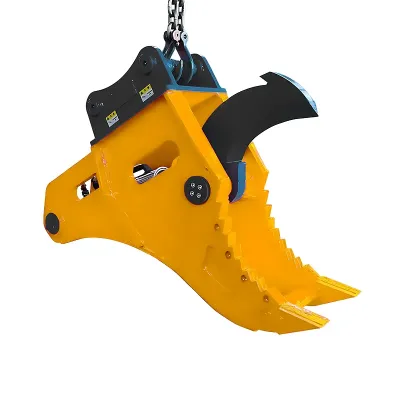
The frame has to resist the combined forces of jaw clamping, vertical lifting, and side loading during extraction. The main frame connects the quick-attach plate to the jaw pivot points and must distribute these forces without bending or cracking. A typical approach uses rectangular steel tubing with welded gussets at all high-stress joints — especially where the quick-attach plate meets the frame and where the jaw pivots attach. Every load-bearing weld should be full penetration, and welds need inspection for porosity, incomplete fusion, or cracks before you put the attachment to work.
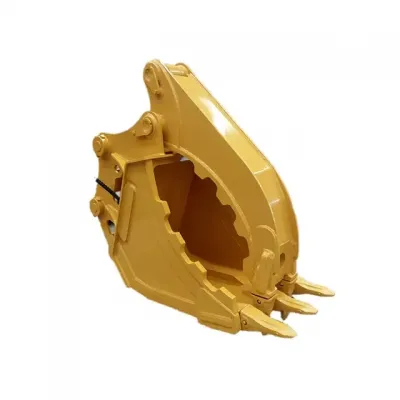
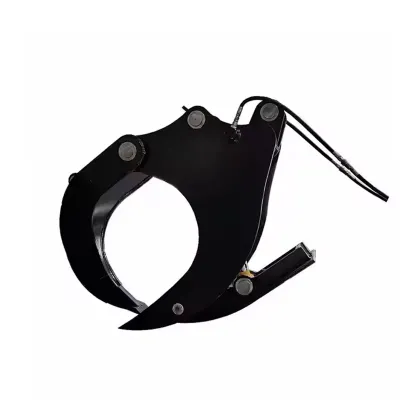
The jaw assembly sees the highest stress of any component. The jaws pivot on pins that have to handle both the clamping force from the hydraulic cylinder and the lifting force from the skid steer. Pivot pin holes should be reinforced with thickened plate or welded bushings to prevent elongation under load. The jaw arms must resist bending when the teeth grip a tree and the lift arms raise the attachment. A design with two parallel jaw arms and cross-bracing provides better torsional rigidity than a single-arm setup. Avoid thin sheet metal or light angle iron for any load-bearing part of the jaw assembly.
Jaw Geometry and Tooth Design
Jaw geometry determines how well the puller grips and holds trees and posts. The jaws should close with a scissor-like motion that concentrates clamping force at the tooth tips. A wider jaw opening lets you handle larger material, but it takes more force to close the jaws and can reduce grip strength on small-diameter material. Pivot point placement affects mechanical advantage: pivots farther from the cylinder attachment point give more clamping force but reduce opening range. Balance opening range against clamping force based on what you expect to pull.
Tooth design is what keeps the puller from slipping during extraction. Teeth should be made from hardened or wear-resistant steel and shaped to bite into wood and steel post surfaces without sliding. Interlocking or offset tooth patterns improve grip on irregular surfaces. Smooth, flat jaw faces tend to slip on wet or round trunks. Teeth should be replaceable or repairable, since they'll dull and wear with use. Weld-on tooth sections made from hardened plate are a practical choice for homemade designs, letting you swap out worn teeth without rebuilding the entire jaw.
Hydraulic Cylinder Sizing and Plumbing
A homemade tree puller needs a hydraulic cylinder to open and close the jaws. The cylinder has to produce enough clamping force to hold trees and posts during extraction, and the bore and rod diameter must match your skid steer's auxiliary hydraulic pressure. A cylinder with too small a bore will give weak clamping force, causing the jaws to slip under load. One that's too large may exceed the auxiliary circuit's flow capacity, resulting in slow jaw operation. Check a hydraulic cylinder sizing guide or talk to a supplier to calculate the required bore based on your machine's operating pressure and desired clamping force.
Hydraulic plumbing must use hoses and fittings rated for the skid steer's maximum auxiliary pressure. Use hydraulic hose with a working pressure rating above the machine's peak pressure, and install protective sleeves or guards where hoses might rub against the frame or jaw assembly. The cylinder should have a pressure relief or load-holding valve if the design needs sustained clamping force without continuous hydraulic flow. Tighten all hydraulic connections to the manufacturer's torque spec and check for leaks before operation. Air in the system causes spongy jaw operation, so bleed the system thoroughly after initial connection.
Mounting Interface and Quick-Attach Compatibility
The mounting plate has to match the universal quick-attach interface used by your skid steer. The universal quick-attach standard defines specific dimensions for the lower hooks, upper engagement pins, and plate geometry. A homemade plate that doesn't match those dimensions won't engage properly, creating a serious safety hazard if the attachment disconnects during operation. The most reliable approach is to buy a pre-fabricated universal quick-attach plate from a reputable supplier and weld it to your homemade frame, rather than trying to fabricate the plate from scratch.
The quick-attach plate must be welded to the frame with full-penetration welds and reinforced with gussets at the top and bottom corners. The plate experiences the full lifting force of the skid steer plus the dynamic load of the tree being pulled, so any weld failure here can separate the attachment from the machine. After welding, test the plate engagement with your skid steer several times before attempting any actual pulling. Verify that the upper engagement pins fully seat and that the locking levers engage correctly. If the attachment feels loose or rattles on the mount, stop and correct the fit before use.
Material Selection and Welding Quality
Load-bearing frame components should use structural steel such as A36 or equivalent, with wall thickness appropriate for the expected loads. Rectangular tubing with a minimum wall thickness of 6 mm to 8 mm is common for the main frame on compact attachment builds, while jaw arms may need thicker plate or heavier tubing. Pivot points should use hardened steel pins with grease fittings, and pin holes should be fitted with weld-in bushings to prevent wear. Don't use bolts as pivot pins in load-bearing locations — bolts aren't designed for the shear and bearing loads that tree pulling creates.
Welding quality directly affects structural safety. All load-bearing welds should be done with a suitable welding process such as MIG or stick welding, using filler metal matched to the base material. Welds should be flat or slightly convex, with good fusion into both base materials and no visible porosity, cracks, or incomplete penetration. After welding, grind any welds that might create stress concentrations, and inspect the entire structure visually and with a wire brush to expose any hidden defects. If you're not confident in your welding ability on load-bearing structures, have a qualified welder inspect or perform the critical welds before using the attachment.
Safety Limitations and Testing
A homemade tree puller doesn't have the engineering analysis, production testing, and certification that manufactured attachments go through. That means you assume additional risk and need to take a conservative approach to use. Never exceed your skid steer's rated operating capacity, and always assume your homemade attachment has a lower safe working load than a comparable manufactured unit. Start with small trees and light posts to test the design, gradually increasing load size only after you confirm that the frame, jaws, pins, and welds show no signs of stress or deformation.
During testing, inspect the attachment after each pull for bending, cracking, weld failure, pin elongation, or hydraulic leaks. Pay special attention to the jaw pivot points, quick-attach plate welds, and cylinder mounting brackets. If any component shows permanent deformation or cracking, stop using the attachment immediately and repair or replace the affected part. Never operate a damaged tree puller — structural failure under load can cause the attachment or tree to fall unexpectedly, creating a serious hazard for the operator and bystanders. Wear appropriate personal protective equipment during operation, and keep all personnel clear of the work area during extraction.
When a Manufactured Attachment Makes More Sense
For most users, a manufactured tree puller is the safer and more practical choice. Factory-built attachments include engineered structural design, tested hydraulic components, replaceable wear parts, and manufacturer support. When you add up the cost of steel, hydraulic cylinder, hoses, fittings, quick-attach plate, welding consumables, and shop time, a homemade build may not save you much compared with an entry-level manufactured unit. The safety advantage of a tested, certified attachment is hard to put a price on — but it's substantial for anyone using the puller regularly or in commercial work.
If you decide a manufactured attachment is the right call, review the selection guide for choosing the right tree puller to match the configuration to your carrier and applications. That guide covers jaw opening, operating capacity, hydraulic requirements, and soil conditions in detail. For supply and manufacturer information, explore the TGEC skid steer tree puller category and product specifications to compare available configurations and find the model that fits your equipment and job requirements.