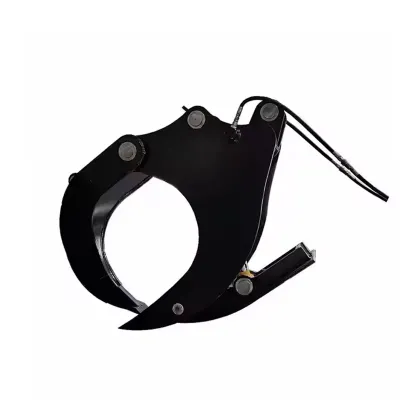
Root grapple and rock grapple are terms that often describe the same skeleton-style dual-clamp skid steer attachment, but subtle design differences and naming conventions reflect distinct application priorities. Understanding these differences helps you select the optimal configuration for your specific materials and working conditions, whether you are clearing land, removing roots, handling rocks or sorting demolition debris. This guide compares the design characteristics, application strengths and configuration considerations for each grapple type.
Design and Naming Conventions
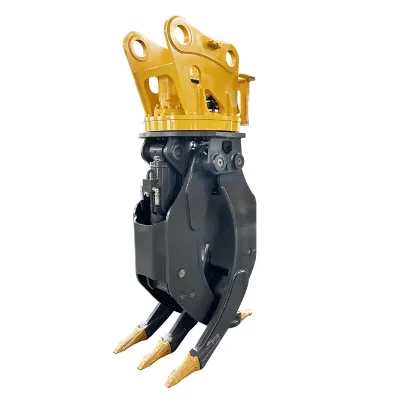
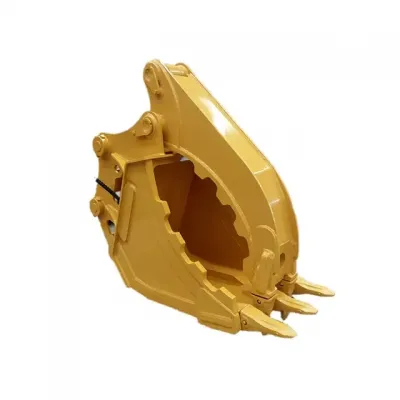
The term root grapple typically refers to a skeleton grapple with longer, more widely spaced tines designed specifically for pulling and removing roots, stumps and brush during land clearing operations. The wider tine spacing allows maximum soil sifting and debris passage, while the longer tines provide greater reach for extracting roots from the ground. Root grapples often feature aggressive tine tips and reinforced leading edges for prying and pulling underground materials. The dual independent clamps conform to irregular root balls and brush piles, providing secure grip during extraction and transport.
The term rock grapple typically describes a skeleton grapple with slightly closer tine spacing designed to retain smaller rocks and stones while still sifting soil and fine debris. Rock grapples prioritize material retention for loading and transporting rocks, boulders and concrete chunks, with tine spacing calibrated to prevent smaller rocks from slipping through during lifting and transport. The construction emphasizes abrasion resistance on tine tips and contact surfaces, with thicker steel for withstanding repeated impact with hard rock and concrete. Both grapple types use the same basic dual-clamp skeleton frame architecture, with differences primarily in tine spacing, tine length and reinforcement details.
Application Strengths
Root grapples excel in land clearing, root removal, stump extraction, brush clearing and vegetation management where pulling underground materials and sifting soil is the primary objective. The widely spaced tines allow the operator to dig into the ground, clamp onto roots and stumps, and lift while soil falls away, reducing load weight and preventing soil buildup. The longer tines provide better reach for extracting deep roots and prying stumps loose. For professional land clearing contractors and vegetation management operations, the root grapple configuration offers superior extraction capability and soil sifting efficiency.
Rock grapples are optimized for rock and stone handling, boulder placement, concrete chunk removal, demolition debris sorting and construction site cleanup where retaining smaller rocks is important. The closer tine spacing prevents fist-sized and smaller rocks from slipping through during loading and transport, improving material retention and reducing spillage. The abrasion-resistant construction withstands repeated impact with hard rock and concrete, extending service life in demanding applications. For operations handling primarily rocks, concrete and hard demolition debris, the rock grapple configuration provides better material retention and durability than a wider-spaced root grapple.
Tine Spacing and Material Retention
Tine spacing is the primary functional difference between root and rock grapple configurations. Root grapples typically feature wider spacing, often 150-200 mm between tines, allowing maximum soil passage and debris sifting. This spacing is ideal for land clearing where the goal is to separate roots and brush from soil, but may allow smaller rocks and stones to fall through during transport. Rock grapples typically feature narrower spacing, often 100-150 mm between tines, retaining smaller rocks while still allowing soil and fine particles to sift. The optimal spacing depends on the smallest material size you need to retain versus the amount of soil sifting required.
For mixed operations handling both roots/brush and rocks, consider the primary material type and select spacing accordingly. If rocks smaller than your fist are common, narrower rock grapple spacing prevents loss during transport. If soil sifting and root extraction dominate, wider root grapple spacing improves efficiency. Many manufacturers offer custom tine spacing configurations on qualified production orders, allowing you to specify the exact spacing for your typical material sizes. The TGEC skid steer rock grapple uses 10 mm thick tines with spacing optimized for general-purpose rock and debris handling, balancing retention and sifting for most common applications.
Hydraulic and Machine Considerations
Both root and rock grapple configurations require similar auxiliary hydraulic specifications, typically 40-80 L/min flow with operating pressure up to 20 MPa. The dual independent clamps require sufficient flow for responsive simultaneous operation, especially when clamping irregular loads that cause uneven cylinder extension. Wider and heavier grapple models require larger skid steers with sufficient ROC to handle the attachment plus maximum material load. Root grapples with longer tines may place more weight further from the machine, increasing load moment and reducing effective payload compared to shorter-tine rock grapples of the same width.
When matching to your machine, verify that your skid steer's ROC accommodates the attachment weight plus your typical maximum load, with particular attention to extended reach operations such as loading trucks or stacking materials. Ensure your auxiliary hydraulic circuit provides adequate flow and cooling for continuous operation in heavy land clearing or rock handling applications. Both configurations use the universal quick-attach mounting system compatible with standard skid steer and compact track loader brands. For mini loader or compact equipment applications, dedicated mini loader grapple configurations with narrower mounting frames may be available from manufacturers like TGEC skid steer grapples.
Configuration and Durability Factors
Durability requirements differ between root and rock applications. Root grapples experience high pulling forces and prying loads during root and stump extraction, requiring reinforced pivot points, strong cylinder mounting and robust tine-to-frame welds. The leading edges of tines may encounter rocks and hard ground during extraction, benefiting from abrasion-resistant reinforcement. Rock grapples experience repeated impact with hard rock and concrete, requiring abrasion-resistant tine tips, thicker steel construction and reinforced clamp contact surfaces. Both configurations benefit from greaseable pivot pins and bushings, replaceable wear components and regular maintenance to extend service life.
Width selection should balance material throughput with machine capacity and working space. Narrower 59-66 inch grapples work well in confined spaces, fence lines and tight job sites, while wider 72-84 inch models move more material per cycle in open areas. The 72-inch model is often the most versatile general-purpose choice for mid-size skid steers handling both root and rock materials. For specialized applications requiring specific tine spacing, width or reinforcement, custom configurations are available on qualified production orders, subject to engineering review and minimum order quantities. Evaluate your daily operating hours and duty cycle to determine whether heavy-duty construction justifies the additional investment over standard-duty models.
Making the Selection
Choose a root grapple configuration when your primary work involves land clearing, root removal, stump extraction, brush clearing or any application where maximizing soil sifting and root extraction capability is the priority. The wider tine spacing and longer tines provide superior extraction performance and debris passage for vegetation management operations. Choose a rock grapple configuration when your primary work involves rock handling, boulder placement, concrete removal, demolition debris sorting or any application where retaining smaller rocks and hard materials is important. The narrower tine spacing and abrasion-resistant construction provide better material retention and durability for hard material handling.
For mixed operations handling both roots/brush and rocks, evaluate which material type dominates your daily work and select the configuration optimized for that primary material. A general-purpose rock grapple with moderate tine spacing often handles both root and rock applications effectively for most contractors, while specialized root or rock configurations provide superior performance for dedicated professional operations. For specific product configurations and specifications, explore the skid steer rock grapple product page, which includes complete specifications, hydraulic requirements and available widths to help you compare configurations and make an informed decision.