Welcome to the Official Website of TianGe Attachments.

Skid Steer Rock Grapple

Skid Steer Rock Grapple

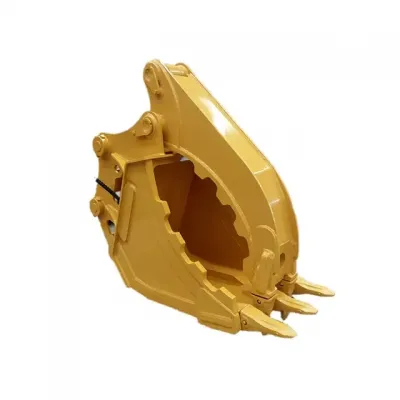
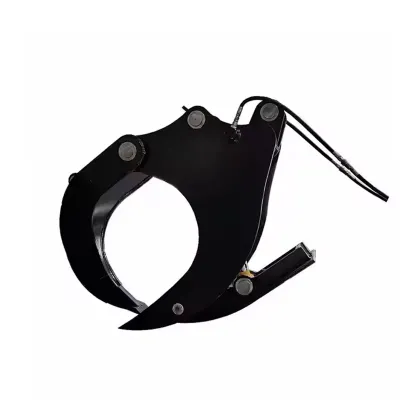
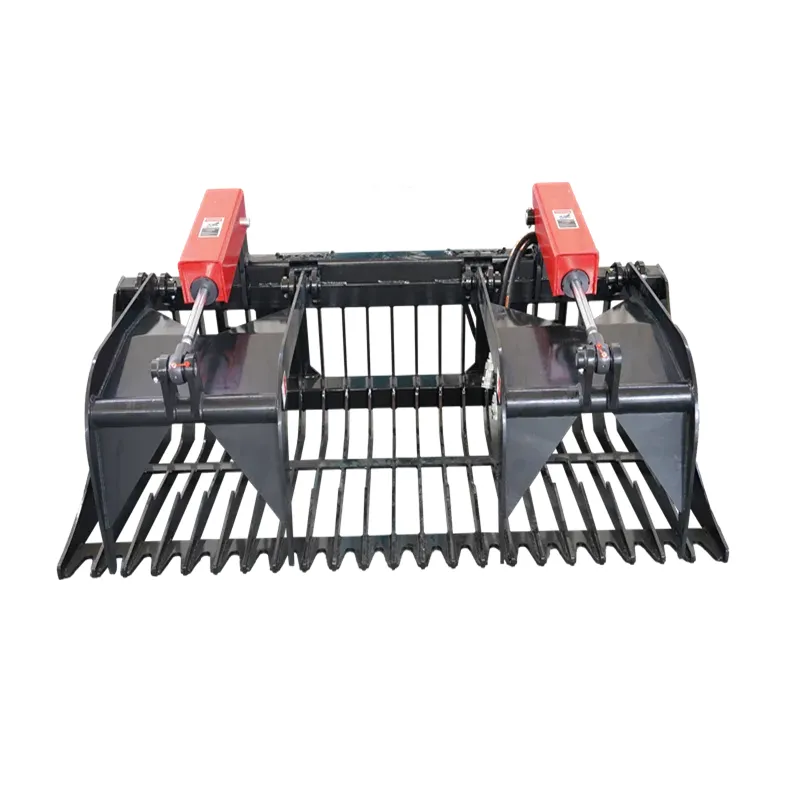
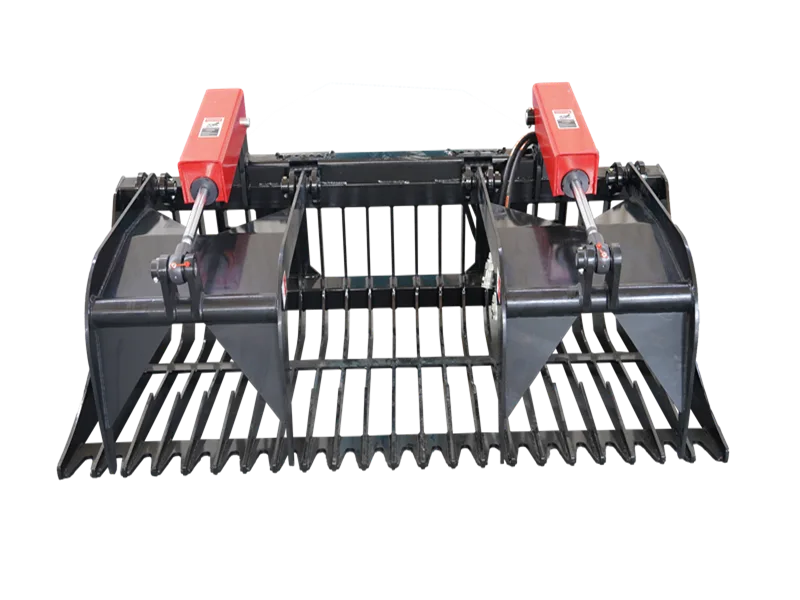
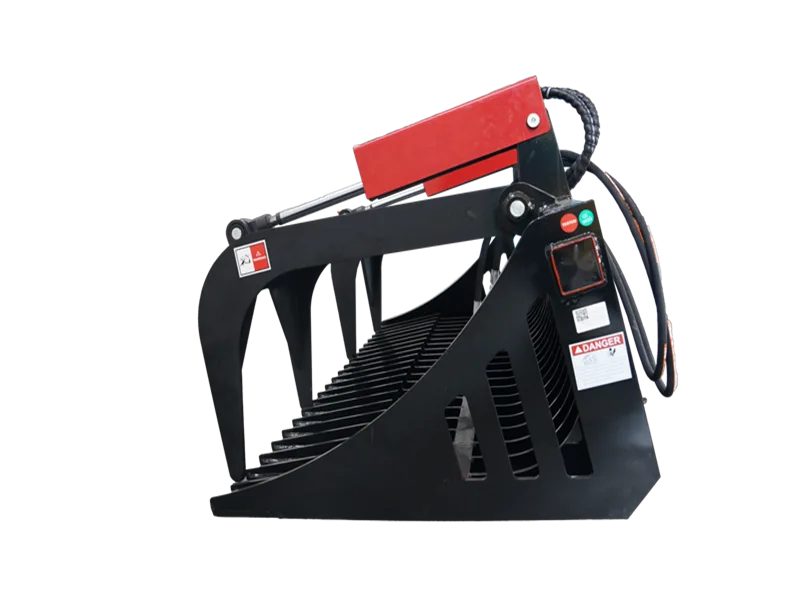
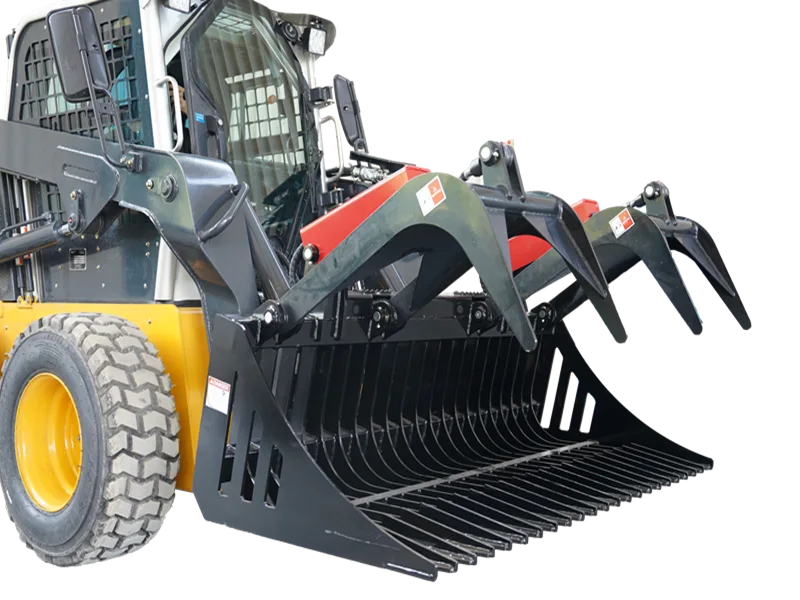
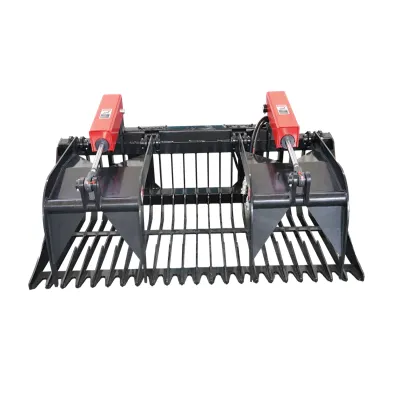
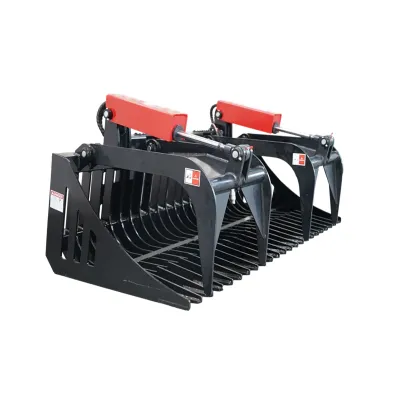
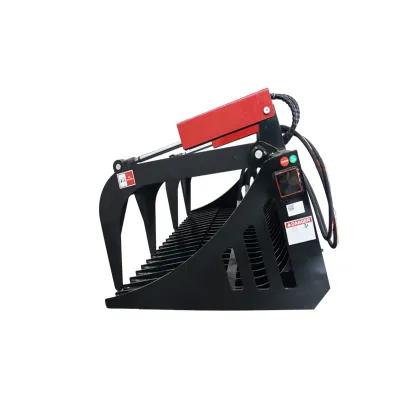
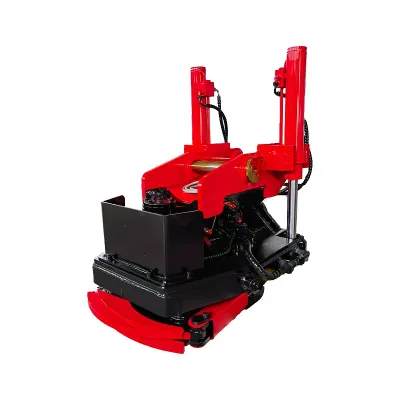
TGEC skid steer rock grapple with dual independent hydraulic clamps, skeleton open-bottom design, 10 mm thick tines, available in 7 widths from 59 to 84 inch (1500-2130 mm). Universal quick-attach, 293-353 kg, for rocks, roots, brush, debris and land clearing.
Product Name: Skeleton grapple / Grapple rake / Root rake grapple / Industrial grapple rake / Sorting grapple
Type: Grapples
After-sales Service: Provided
Warranty: 1 Year
Customization: Available
Shipping Cost: Negotiate with us about shipping cost and estimated delivery time.
Get a quote
Overview
FAQ

Product Overview

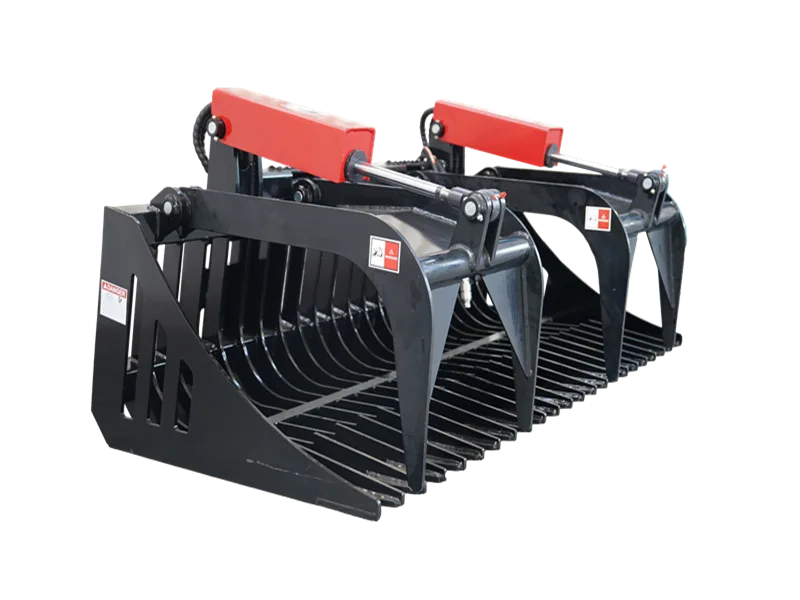
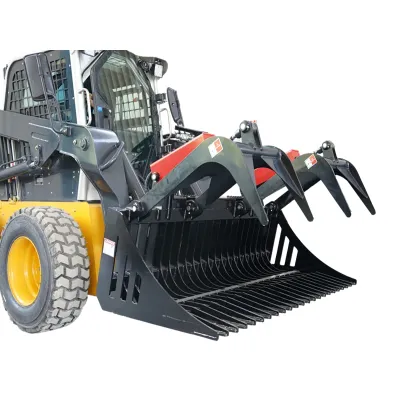
The skid steer rock grapple is a skeleton-style dual-clamp hydraulic attachment designed for handling rocks, roots, brush, stumps, demolition debris and bulky land-clearing materials. It mounts via the universal quick-attach plate on skid steers and compact track loaders, using auxiliary hydraulic flow to operate two independent clamping arms that secure irregularly shaped materials while the open-bottom skeleton frame allows soil, sand and fine debris to sift through.

TGEC builds the rock grapple with heavy-duty steel construction, dual hydraulic clamps that operate independently for uneven loads, and 10 mm thick skeleton tines spaced to retain rocks and bulky debris while sifting soil. The lineup includes seven widths from 59 to 84 inches (1500 to 2130 mm), with opening ranges up to 1050 mm and weights from 293 to 353 kg. Every unit ships with a universal quick-attach mounting frame and hydraulic hose kit with flat-faced couplers, ready to connect to standard skid steer hydraulic systems.

Technical Specifications

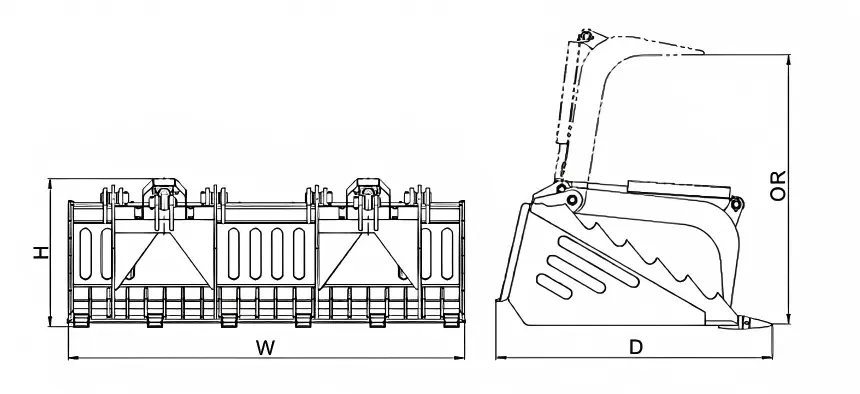
ModelClampsWidthTine ThicknessOpening RangeWeight
TG-PRGB1500(59IN)-MP1220259" / 1500 mm10 mm / 0.39 in0 – 1050 mm / 0 – 41.3 in293 kg / 646 lb
TG-PRGB1580(62IN)-MP1220262" / 1580 mm10 mm / 0.39 in0 – 1050 mm / 0 – 41.3 in298 kg / 657 lb
TG-PRGB1680(66IN)-MP1220266" / 1680 mm10 mm / 0.39 in0 – 1050 mm / 0 – 41.3 in308 kg / 679 lb
TG-PRGB1730(68IN)-MP1220268" / 1730 mm10 mm / 0.39 in0 – 1050 mm / 0 – 41.3 in315 kg / 694 lb
TG-PRGB1830(72IN)-MP1220272" / 1830 mm10 mm / 0.39 in0 – 1050 mm / 0 – 41.3 in321 kg / 708 lb
TG-PRGB1980(78IN)-MP1220278" / 1980 mm10 mm / 0.39 in0 – 1050 mm / 0 – 41.3 in338 kg / 745 lb
TG-PRGB2130(84IN)-MP1220284" / 2130 mm10 mm / 0.39 in0 – 1050 mm / 0 – 41.3 in353 kg / 778 lb

Table data is for reference only. Actual specifications may vary based on the final configuration. Please contact the TianGe technical team for details.
TGEC Skid Steer Skeleton Rock Grapple – Dual Cylinder Open-Bottom Rock & Debris Grapple

Application Scenarios

  • Rock and stone handling: Lifts, moves and loads rocks, boulders and stone of various sizes with dual independent clamps that conform to irregular shapes.

  • Root and stump removal: Pulls and removes roots, stumps and underground debris with strong clamping force and skeleton tines that sift away soil.

  • Land clearing: Clears brush, small trees, vines and vegetation from construction sites, fence lines and property boundaries with efficient material handling.

  • Demolition debris: Sorts and moves concrete chunks, brick, wood and mixed demolition debris while sifting dust and fine particles through the open bottom.

  • Construction site cleanup: Removes scrap material, waste and bulky items from job sites with precise hydraulic control and stable load handling.

  • Landscaping and hardscape: Places boulders, retaining wall stones and landscape features with controlled grip and precise positioning capability.

Which Rock Grapple Width — 59" to 84" — Suits Your Skid Steer and Job Site?

To narrow down the right width and tine configuration, we need your machine specs, typical rock or debris size, and how you plan to use it — clearing, sorting, or placing. We'll check fitment, recommend the best width, and get back to you with pricing and availability.
Frequently Asked Questions

What's the difference between a skeleton rock grapple and a solid grapple bucket?+

A skeleton rock grapple has an open bottom with evenly spaced tines that allow dirt, sand, and fine debris to fall through during transport. A solid grapple bucket has a closed bottom that carries everything including soil. Key differences: (1) Dirt sifting — skeleton grapple's open bottom reduces unnecessary weight and makes material disposal cleaner; solid bucket retains all material. (2) Material retention — skeleton grapple retains rocks, roots, wood, and large debris; solid bucket retains everything including fine material. (3) Weight — skeleton grapple is lighter (293-353 kg) due to open bottom; solid bucket is heavier. (4) Penetration — skeleton grapple's tines can penetrate loose soil and gravel; solid bucket's flat bottom cannot. For rock removal, land clearing, and demolition where you need to separate coarse material from dirt, the skeleton grapple is more efficient. For general material handling where you need to carry fine material (soil, sand, gravel), a solid bucket is appropriate. Compare with solid grapple bucket →

Will the skeleton rock grapple fit my Bobcat or Caterpillar skid steer?+

Yes — the TG-PRGB uses the universal skid steer quick-attach plate (1220mm inner width), fitting Bobcat, Caterpillar, John Deere, Case, New Holland, Kubota, Gehl, Mustang, Takeuchi, and most other skid steer and compact track loader brands manufactured after the mid-1990s. The 293-353 kg weight range fits compact through full-size machines. For compact loaders under 800 kg ROC, choose the 59" or 62" model (293-298 kg). Custom mounting brackets available for tractor front-end loaders and mini excavators — provide your machine make, model, and pin dimensions for a direct-fit quote. View compatibility →

What hydraulic flow does the skeleton rock grapple require?+

The dual hydraulic clamps operate on standard auxiliary flow — 40-80 LPM (10-21 GPM) at 16-21 MPa (2320-3045 PSI). No high-flow circuit needed. The clamps only use flow when opening or closing — once clamped, no flow is consumed. Clamping force is determined by hydraulic pressure, not flow, so even lower-flow compact machines provide full clamping force. A case drain is not required for this dual-cylinder circuit. The skeleton rock grapple is one of the lower hydraulic-demand attachments, making it suitable for a wide range of skid steer models from compact to full-size. View hydraulic specs →

What's the difference between a skeleton rock grapple and a root grapple (manure fork)?+

Both have open bottoms that sift dirt, but they're designed for different materials. A skeleton rock grapple has flat, wide tines (10mm thick) with a skeleton-style frame — designed for rocks, demolition debris, and bulky construction waste. The flat tines provide a stable base for carrying large rocks and concrete chunks. A root grapple (manure fork) has round tines (φ36mm diameter) with wider spacing (206mm) — designed for roots, brush, manure, and woody debris. The round tines penetrate soil better for prying out roots. Key differences: (1) Tine shape — flat vs. round. (2) Tine spacing — skeleton grapple has narrower spacing for retaining smaller rocks; root grapple has wider spacing for faster dirt sifting. (3) Primary material — rocks/demolition vs. roots/manure/brush. (4) Model range — skeleton grapple has 7 widths (59"-84"); root grapple has 1 size (72"). For rock removal and demolition, choose skeleton rock grapple. For land clearing roots and farm manure, choose root grapple. Compare with root grapple →

How do I choose the right width from the 7 available sizes?+

Match width to your skid steer's ROC and primary application: (1) 59"-62" (293-298 kg) — for compact skid steers (600-900 kg ROC), residential work, and tight spaces. (2) 66"-72" (308-321 kg) — for mid-size skid steers (1000-1400 kg ROC), general construction, and land clearing. This is the most popular range. (3) 78"-84" (338-353 kg) — for full-size skid steers (1500+ kg ROC), high-volume rock removal, and demolition cleanup. Always use the 80% ROC rule: attachment weight + maximum load ≤ 80% of your machine's ROC. A wider grapple moves more material per pass but only if your machine can safely lift a full load — oversizing means you'll never fill it completely, negating the width advantage. For most operations, the 66"-72" range offers the best balance of throughput and maneuverability. View width options →

What size rocks can the skeleton grapple handle?+

The 0-1050mm opening range accommodates rocks up to approximately 1000mm (40") in diameter. The 10mm thick flat tines provide a stable base for carrying large rocks and boulders. For typical construction and land clearing work — where most rocks range from 100-500mm — the skeleton grapple handles them easily, sifting out dirt as it transports. For very large boulders (600mm+), verify the rock weight against your machine's ROC — a 600mm granite boulder weighs approximately 300-400 kg, and combined with the 293-353 kg attachment, you need a machine with 800+ kg ROC for safe operation. The dual clamps provide secure grip on irregular rock shapes, preventing shifting during transport. Avoid prying against solid bedrock with the tines — this can bend or damage the 10mm tines. View rock handling capacity →

How durable are the 10mm tines in rocky soil?+

The 10mm thick flat tines are designed for heavy-duty use in rocky soil and demolition debris. The flat profile distributes load across a wider surface, reducing the risk of bending compared to thinner or round tines. In typical rock removal and land clearing applications, the tines last 800-1500 hours before showing significant wear. Factors that reduce tine life: (1) Prying against solid bedrock or large boulders — this creates extreme leverage that can bend tines. (2) Demolition work with rebar and metal — sharp metal can nick or gouge the tine surface, creating stress points. (3) Abrasive sandy soil — accelerates wear on the tine edges. If a tine bends, it can be straightened with a hydraulic press or replaced individually — the tines are bolted or welded to the frame depending on the model. For extreme heavy-duty applications, consider hardfacing the tine tips with a wear-resistant welding rod. View tine durability →

What maintenance does the skeleton rock grapple require?+

Routine maintenance: Daily — inspect tines for bending or cracks, check hydraulic hoses for damage, verify cylinder rods for scoring, ensure all mounting bolts are tight. Every 25 hours — grease all pivot points (2-3 shots per zerk with high-temperature grease), inspect cylinder mounting bolts, check grapple arm alignment. Every 100 hours — full inspection of frame and mounting plate for cracks, retorque all mounting bolts, inspect hydraulic cylinder seals for leakage, check tines for wear at the tips and edges. Every 500 hours or annually — replace hydraulic hoses, inspect and replace pivot pins and bushings if worn, straighten or replace bent tines. The 10mm flat tines are heat-treated alloy steel — do not weld or heat-bent tines unless using proper preheating and post-heating procedures, as this can reduce strength. Always use high-quality lithium grease for pivot points. View maintenance →

What is the factory-direct price for a TG-PRGB skeleton rock grapple?+

TGEC factory-direct pricing is typically 30-50% lower than North American premium brands for comparable build quality. The 59" compact model starts at the lowest price point; the 84" heavy-duty model is at the top. Tiered dealer pricing starts at 5+ units, with additional discounts at 10+ and 20+ units. Mixed container orders combine skeleton rock grapples with log grapples, hay bale grabs, fork grapples, root grapples, and other skid steer attachments to reduce per-unit freight. Standard models ship within 15-25 business days from our China manufacturing facility. Ocean freight to US West Coast takes 25-35 days; to East Coast 35-45 days. Replacement tines, hydraulic hoses, seal kits, and pivot pins are stocked as wear parts and ship within 5 business days. View all TGEC grapples →

Do you offer custom tine spacing or heavy-duty upgrades?+

Yes — custom options are available for OEM and volume orders: (1) Custom tine spacing — narrower spacing (30-50mm) for retaining smaller rocks and debris; wider spacing (80-120mm) for faster dirt sifting in very rocky soil. (2) Heavy-duty tines — thicker tines (12-15mm) for extreme heavy-duty applications in demolition and mining. (3) Hardfaced tines — wear-resistant welding on tine tips and edges for extended service life in abrasive soil. (4) Tractor loader mounting — custom brackets for John Deere, Kubota, New Holland, Case IH, and Massey Ferguson front-end loaders. (5) Mini excavator mounting — custom brackets for 3-8 ton mini excavators. (6) Private labeling — your brand name, logo, and color scheme on the attachment and packaging. Custom options require a minimum order of 5+ units for most modifications. Contact TGEC with your specific requirements for a custom quotation. Request custom quote →
Please make sure to include your phone number with the country code (e.g., 86 for China, 1 for USA).