Welcome to the Official Website of TianGe Attachments.

Skid Steer Hay Bale Grab

Skid Steer Hay Bale Grab

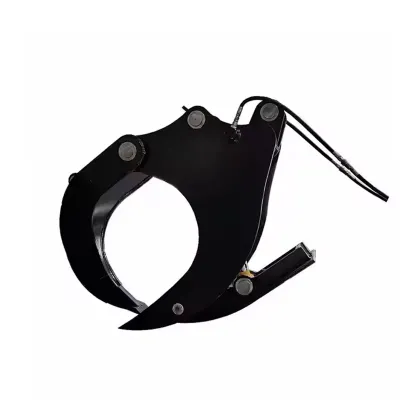
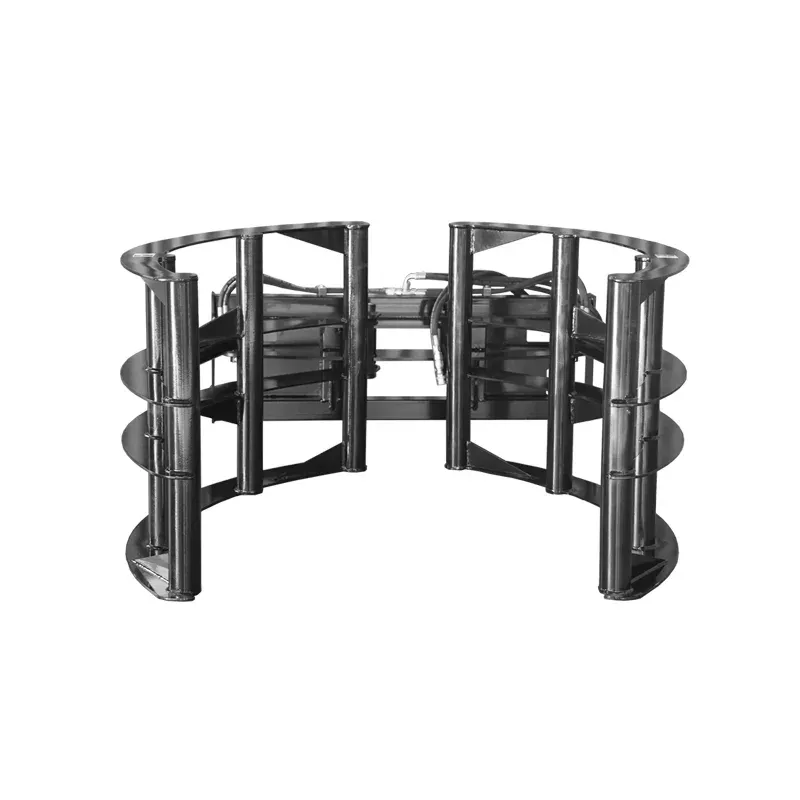
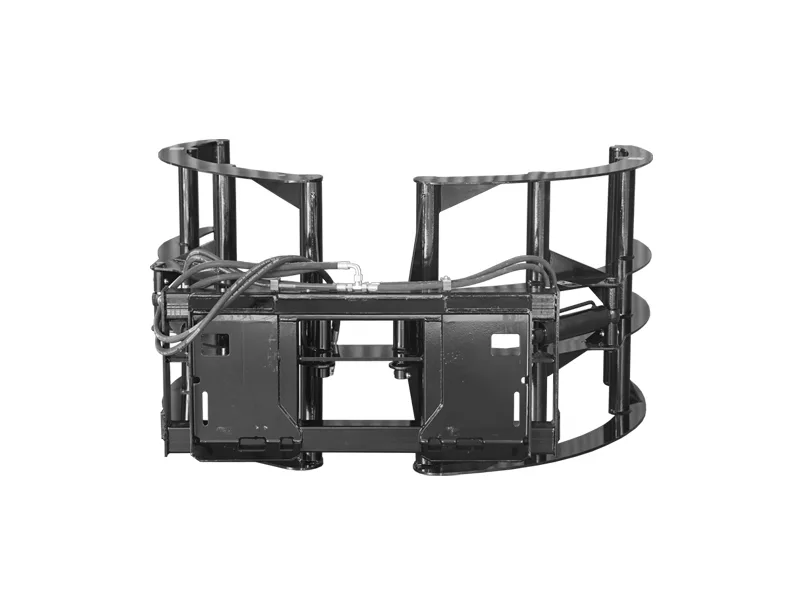
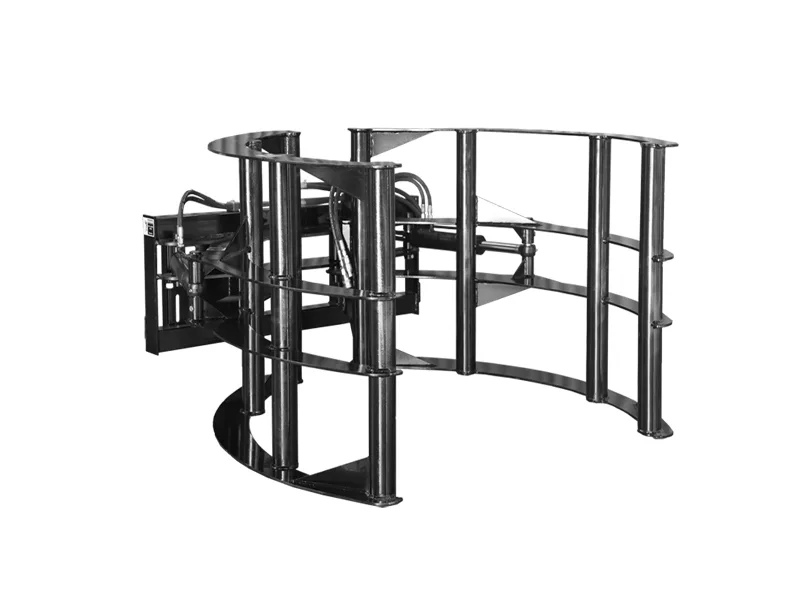
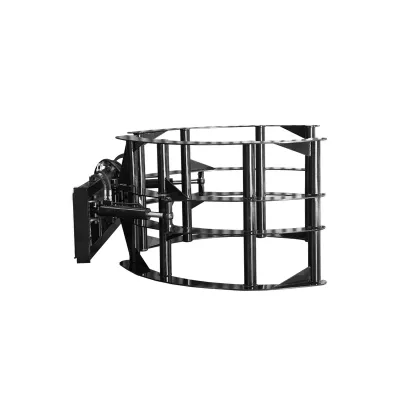
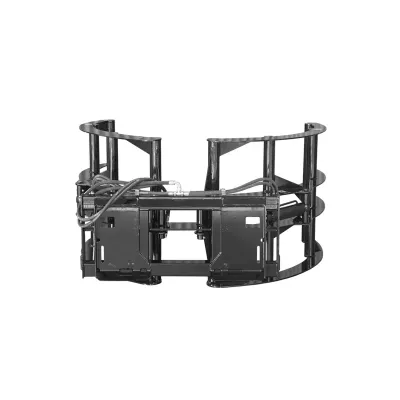
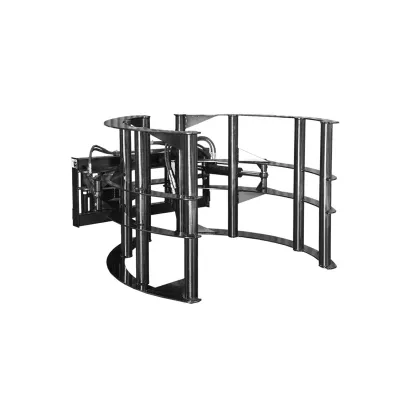
TGEC TG-HBG1300 skid steer hay bale grab with dual 2-inch hydraulic cylinders, 1300 kg lifting capacity, 950-2000 mm opening range for 4-6 foot bales. Universal quick-attach, 359 kg, for round and square bale handling in agricultural and farming operations.
Product Name: Hay Bale Grab / Skid Steer Hay Bale Grab / Bale Grapple / Round Bale Handler / Hydraulic Bale Grab
Type: Grapples
After-sales Service: Provided
Warranty: 1 Year
Customization: Available
Shipping Cost: Negotiate with us about shipping cost and estimated delivery time.
Get a quote
Overview
FAQ

Product Overview

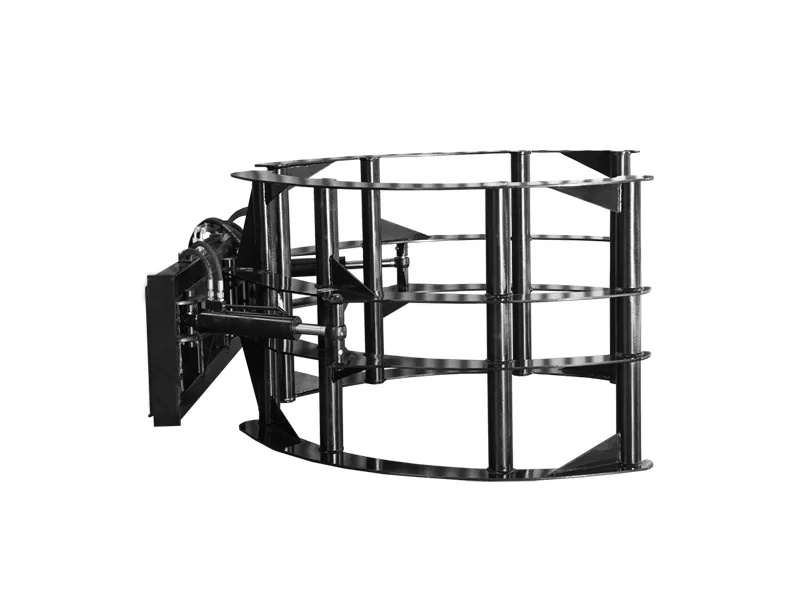
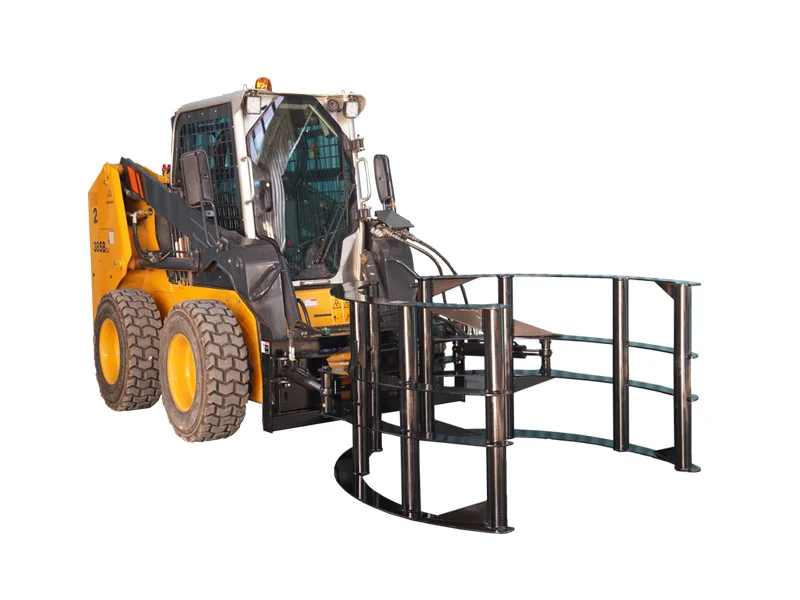
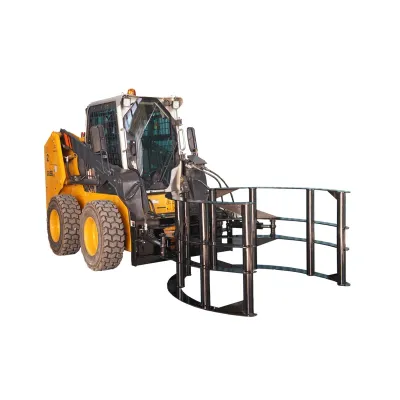
The skid steer hay bale grab is a hydraulic clamping attachment designed specifically for handling round and square hay bales, silage bales and straw bales in agricultural and farming operations. It mounts via the universal quick-attach plate on skid steers and compact track loaders, using auxiliary hydraulic flow to open and close dual clamping arms that secure bales during lifting, transport and stacking.

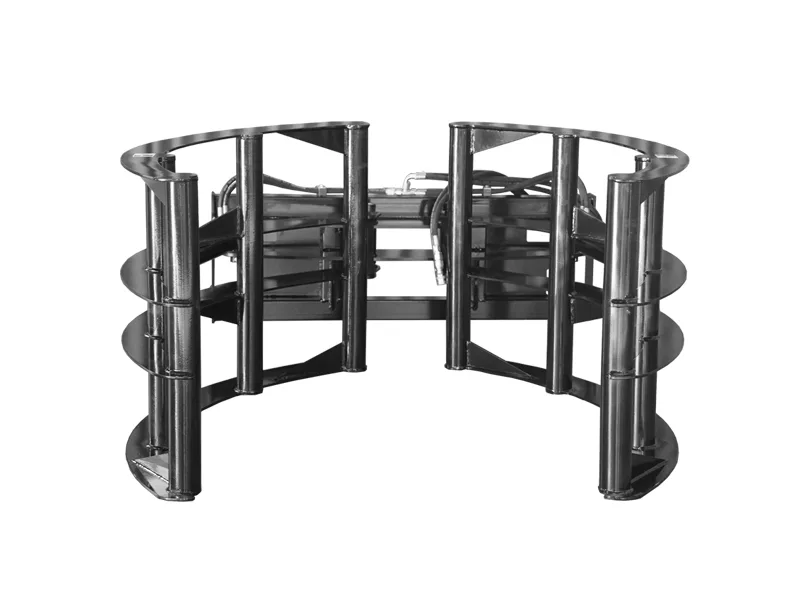
TGEC builds the hay bale grab with heavy-duty steel construction, dual 2-inch bore hydraulic cylinders, and an adjustable opening range of 950 to 2000 mm to accommodate bales from 4 to 6 feet in diameter. The clamping arms feature serrated gripping surfaces that prevent bale slippage during transport, while the balanced frame design keeps loads centered for stable lifting. Every unit ships with a universal quick-attach mounting frame and hydraulic hose kit with flat-faced couplers, ready to connect to standard skid steer hydraulic systems.
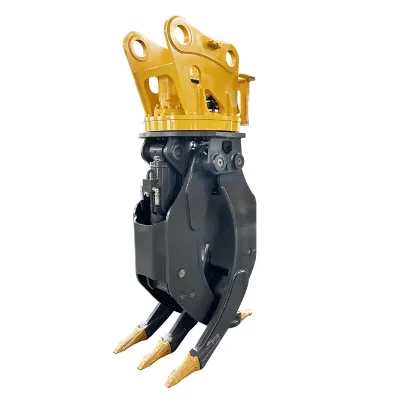
TGEC Skid Steer Hay Bale Grab – Efficient Attachment for Farm Use

Technical Specifications

ModelCylinder SizeLifting CapacityBale SizeOpening RangeWeight
TG-HBG13002" × 10" / 51 × 254 mm1300 kg / 2866 lb4', 5', 6' / 1220, 1520, 1830 mm950 – 2000 mm / 37.4 – 78.7 in359 kg / 791 lb

Table data is for reference only. Actual specifications may vary based on the final configuration. Please contact the TianGe technical team for details.

Application Scenarios

  • Round bale handling: Lifts, transports and stacks round hay bales from 4 to 6 feet in diameter with secure dual-arm clamping.

  • Square bale handling: Handles large square bales and rectangular silage bales with adjustable opening range and serrated grip surfaces.

  • Farm and agricultural operations: Moves bales between storage, feeding areas and transport trucks in dairy, beef and hay production operations.

  • Bale stacking and storage: Stacks bales in barns, sheds and outdoor storage yards with precise hydraulic control and stable load positioning.

  • Silage and wrapped bale handling: Handles wrapped silage bales with controlled clamping pressure that prevents wrap damage while maintaining grip.

  • Feedlot and livestock operations: Distributes hay bales to feeding areas and feed bunks with efficient loading and unloading cycles.

What Size Bales Do You Handle — 4ft, 5ft, or 6ft?

We'll need your skid steer model and ROC to confirm fitment. Also let us know whether you're moving dry hay, wrapped silage, or both — that helps us dial in the right clamp pressure and grip surface. Once we verify the match, we'll return a quote with shipping cost and availability.
Frequently Asked Questions

What type of hay bales can a skid steer hay bale grab handle?+

The TGEC hay bale grab handles both round and square bales, including hay, straw and silage bales. The 950 to 2000 mm opening range accommodates bales from 4 to 6 feet in diameter, while dual hydraulic cylinders provide consistent clamping pressure across different bale sizes and densities. Wrapped bales can be handled with controlled hydraulic pressure to prevent wrap damage.

Can a hay bale grab handle both round and square bales?+

Yes. The dual-arm clamping design and wide opening range allow the attachment to handle both round and square bale formats. Round bales are secured by the curved clamping arms, while square bales are gripped by the flat contact surfaces. The serrated gripping surfaces provide traction on both smooth wrapped bales and rough-textured hay bales, ensuring stable transport regardless of bale shape.

What skid steer size is suitable for a hay bale grab?+

The TG-HBG1300 weighs 359 kg and has a lifting capacity of 1300 kg, making it suitable for mid-size to large skid steers and compact track loaders. As a general guideline, the carrier should have a rated operating capacity of at least 750 kg to safely handle the attachment plus a full bale load. Verify your machine ROC, auxiliary hydraulic flow and mounting interface before installation, and contact the TGEC technical team for compatibility confirmation.

How should the attachment be matched to the skid steer's operating capacity?+

Match the attachment to your skid steer by comparing the combined weight of the attachment (359 kg) plus maximum bale weight against the machine's rated operating capacity (ROC) at 50% tipping load. The hydraulic system should provide sufficient auxiliary flow and pressure to operate the dual 2-inch cylinders effectively. Consider the extended reach when stacking bales, as load moment increases with boom height. Provide your machine make, model and ROC to the TGEC team for a precise compatibility assessment.

How does a bale grab secure a round bale?+

The bale grab uses dual hydraulic clamping arms that close around the circumference of the round bale, applying even pressure from both sides. The serrated gripping surfaces on the inner faces of the arms dig slightly into the bale surface to prevent rotation and slippage during lifting and transport. Hydraulic pressure is maintained by the cylinder check valves, keeping the arms locked in position even if hydraulic flow is interrupted. The balanced frame design keeps the bale centered for stable lifting and transport.

What hydraulic requirements should be checked before installation?+

Before installing the hay bale grab, verify your skid steer's auxiliary hydraulic flow rate and operating pressure. The dual 2-inch bore cylinders require sufficient flow for responsive opening and closing, with typical operating pressure up to 20 MPa. Ensure your machine has a case drain or return line configuration compatible with the attachment's hydraulic circuit. Check that flat-faced couplers match your machine's hydraulic connector type, and verify that the auxiliary circuit has adequate cooling capacity for continuous bale handling operations.

What mounting system is used for a skid steer hay bale grab?+

The TGEC hay bale grab uses the universal skid steer quick-attach mounting system, compatible with most standard skid steer and compact track loader models including Bobcat, Caterpillar, Case, New Holland, John Deere, Kubota and Takeuchi. The mounting frame features the standard two-pin quick-attach interface with locking levers, allowing fast attachment changes without tools. Custom mounting frames are available for non-standard quick-attach interfaces or mini loader configurations, subject to engineering review and production feasibility.

How does bale diameter affect grapple positioning?+

Bale diameter determines how wide the grapple arms must open and where the clamping pressure is applied. For smaller 4-foot bales, the arms close to a narrower position, concentrating grip near the bale equator. For larger 6-foot bales, the arms open wider and apply pressure across a greater surface area. The operator should adjust approach angle and arm opening to center the bale between the arms before clamping, ensuring even pressure distribution and preventing the bale from popping out during lifting. Practice with different bale sizes develops consistent positioning technique.

Can the attachment be used for wrapped or silage bales?+

Yes, the hay bale grab can handle wrapped and silage bales with proper operating technique. The key is to use controlled hydraulic clamping pressure that secures the bale without puncturing or tearing the plastic wrap. Operators should avoid over-clamping, which can deform the bale and damage the wrap. The serrated gripping surfaces provide traction without sharp edges that could puncture plastic. For heavily wrapped or delicate silage bales, consider using protective sleeve covers on the gripping surfaces, available as a custom option on qualified production orders.

Which components are subject to wear during bale handling?+

The primary wear components on a hay bale grab are the serrated gripping surfaces on the clamping arms, the hydraulic cylinder rods and seals, the pivot pins and bushings at the arm joints, and the hydraulic hoses and couplers. Gripping surfaces wear down from repeated contact with rough hay and straw bales, reducing traction over time. Cylinder rods can scratch from debris, causing seal leaks. Pivot pins and bushings experience rotational wear during opening and closing cycles. Regular inspection and lubrication of grease points extends component life and maintains reliable operation.

How should the grapple be inspected and maintained?+

Inspect the hay bale grab before each use by checking hydraulic hoses for cracks, abrasion or leaks, examining cylinder rods for scratches or corrosion, verifying that pivot pins and bushings are properly greased, and inspecting gripping surfaces for excessive wear. Lubricate all grease points on the arm pivots and mounting frame according to the maintenance schedule, typically every 10 operating hours. Check hydraulic fluid levels in the carrier system and replace worn hoses or couplers as needed. Periodically inspect welds on the frame and arms for cracks, especially after heavy use or impact. Store the attachment indoors or under cover when not in use to prevent corrosion.

What factors should contractors and farm operators consider when selecting a bale grab?+

When selecting a hay bale grab, consider the bale types and sizes you handle most frequently (round vs square, 4-foot vs 6-foot), your skid steer's rated operating capacity and hydraulic flow, the volume of bales moved per day, whether you handle wrapped silage bales requiring gentler clamping, and your mounting interface compatibility. Evaluate the opening range to ensure it covers your largest bale size, check cylinder bore size for sufficient clamping force, and consider the attachment weight relative to your machine capacity. For mixed operations handling both bales and other materials, verify that the attachment can be quickly swapped using the universal quick-attach system. Contact the TGEC sales team with your specific requirements for a tailored recommendation.
Please make sure to include your phone number with the country code (e.g., 86 for China, 1 for USA).