The terms skid steer grapple and grapple bucket are often used interchangeably, but they represent distinct attachment designs with different material handling capabilities. Understanding the functional difference helps you select the right tool for your specific materials and applications, avoiding inefficient operation and unnecessary equipment costs. This guide explains the design differences, application strengths and configuration considerations for each attachment type.
Design and Structural Differences
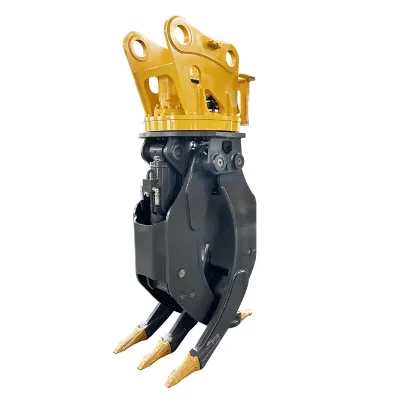
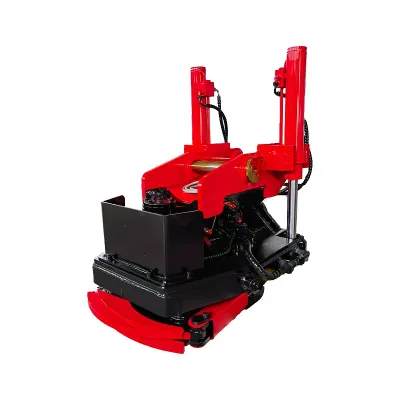
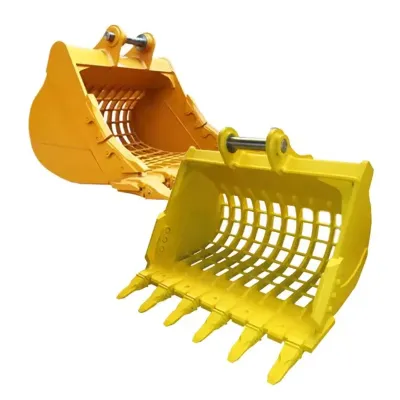
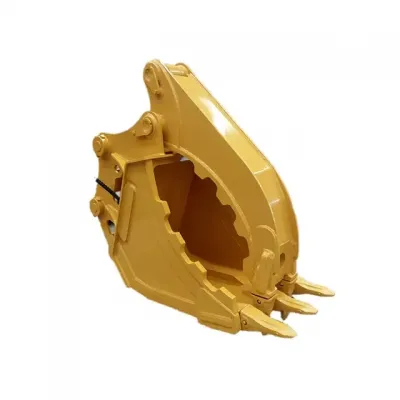
A skid steer grapple, specifically a rock or root grapple, features an open-bottom skeleton frame with spaced tines and two independent hydraulic clamping arms mounted above the frame. The open bottom allows soil, sand, dust and fine debris to sift through while retaining rocks, roots, brush and bulky materials. The independent clamps conform to irregularly shaped loads, providing secure grip on uneven objects. This design prioritizes material sorting, soil sifting and irregular load handling over volume capacity.
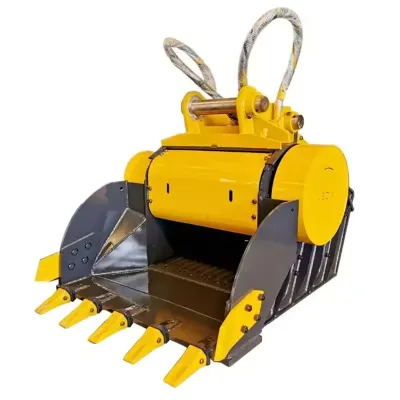
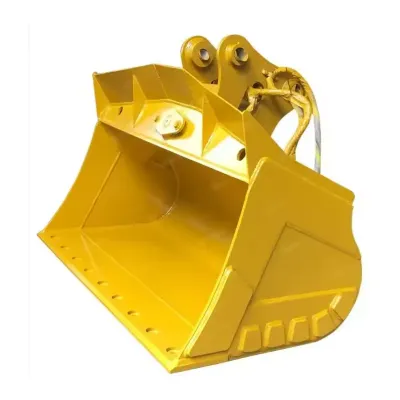
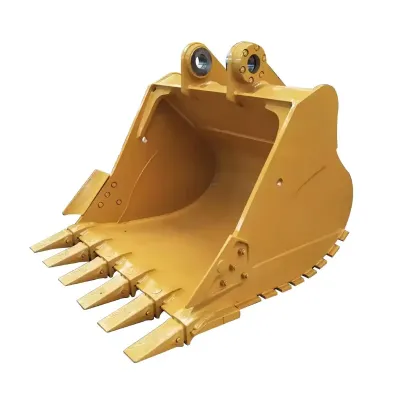
A grapple bucket combines a solid-bottom bucket with one or two hydraulic grapple clamps mounted on the bucket's top edge. The solid bucket bottom retains all material including soil, sand and fine particles, making it suitable for loading and transporting mixed materials without loss. The grapple clamps secure bulky or irregular items on top of the bucket load, preventing spillage during transport. Grapple buckets typically offer greater volume capacity than skeleton grapples but lack the soil sifting capability and independent dual-clamp conformability of dedicated rock grapples.
Application Strengths
Skeleton rock grapples excel in land clearing, root removal, rock picking, demolition debris sorting and construction site cleanup where sifting soil from bulky material is valuable. The open-bottom design reduces attachment weight, allowing more payload capacity for the skid steer, and prevents soil buildup during extended clearing operations. Independent dual clamps provide superior grip on irregularly shaped roots, rocks and brush piles, making the skeleton grapple the preferred choice for professional land clearing and debris handling operations.
Grapple buckets are ideal for loading and transporting mixed materials including soil, gravel, mulch, waste, construction debris and agricultural materials where retaining fine particles is important. The solid bucket bottom allows the attachment to function as a standard bucket for grading, backfilling and material transport, with the added grapple capability for securing bulky loads. This versatility makes grapple buckets popular for general contractors, landscapers and agricultural operations that need one attachment to handle both fine and bulky materials. For operations requiring both bucket functionality and grapple capability, the grapple bucket offers a practical multi-purpose solution.
Hydraulic and Machine Requirements
Both attachment types require auxiliary hydraulic flow for clamp operation, typically 40-80 L/min with operating pressure up to 20 MPa. Skeleton rock grapples with dual independent clamps may require slightly higher flow for responsive simultaneous clamp operation, while single-clamp grapple buckets generally have lower flow requirements. Grapple buckets add the weight of the solid bucket bottom, typically 50-100 kg more than comparable skeleton grapples, which reduces effective payload capacity and may require a larger skid steer for the same material volume.
When matching to your machine, consider that grapple buckets place more weight closer to the skid steer due to the solid bucket design, while skeleton grapples with extended tines may distribute weight further from the machine. Both attachments use the universal quick-attach mounting system compatible with standard skid steer and compact track loader brands. Verify your machine's ROC, auxiliary hydraulic flow and mounting interface before selection, and consider whether the additional weight of a grapple bucket's solid bottom is justified by your need for fine material retention.
Configuration and Cost Considerations
Skeleton rock grapples are available in widths from 59 to 84 inches, with tine thickness typically 10 mm for heavy-duty models. The open-bottom design reduces material and manufacturing costs, making skeleton grapples generally more affordable than comparable grapple buckets. Replacement tines and clamp components are readily available, and the simpler frame design facilitates repair and maintenance. For specialized applications, custom tine spacing and clamp configurations are available from manufacturers like TGEC skid steer grapples on qualified production orders.
Grapple buckets combine bucket and grapple functionality in one attachment, potentially reducing the number of attachments needed and saving changeover time. However, the combined design means the bucket capacity is typically smaller than a dedicated bucket, and the grapple clamping force may be lower than a dedicated skeleton grapple. Evaluate whether your operations truly require both functions in one attachment, or whether separate dedicated attachments would provide better performance for each task. For operations handling primarily fine materials with occasional bulky items, a grapple bucket offers practical versatility. For operations focused on land clearing, rock handling or debris sorting, a dedicated skeleton grapple provides superior performance and durability.
Making the Right Choice
Choose a skeleton rock grapple when your primary work involves land clearing, root removal, rock picking, demolition debris sorting or any application where sifting soil from bulky material adds value. The open-bottom design, independent dual clamps and lighter weight make it the professional choice for irregular material handling. Choose a grapple bucket when you need to retain fine materials like soil, gravel or mulch while occasionally handling bulky items, and when the versatility of combined bucket and grapple functionality justifies the additional weight and potential performance tradeoffs.
For mixed operations where both attachment types would be used regularly, consider purchasing both dedicated attachments rather than compromising with a single multi-purpose design. The performance difference in specialized applications often justifies the additional investment and changeover time. For specific product configurations, explore the skid steer rock grapple for skeleton-style land clearing and debris handling, and the skid steer hay bale grab for specialized agricultural bale handling. Each product page includes complete specifications to help you compare configurations and make an informed decision.