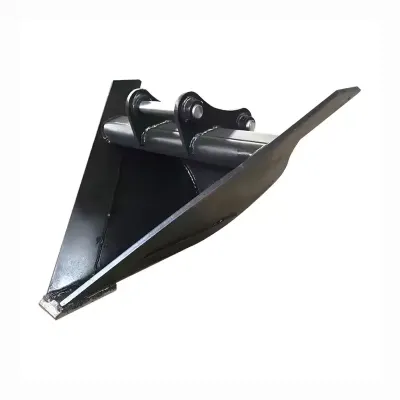
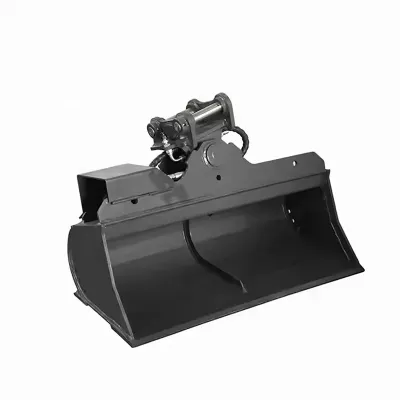
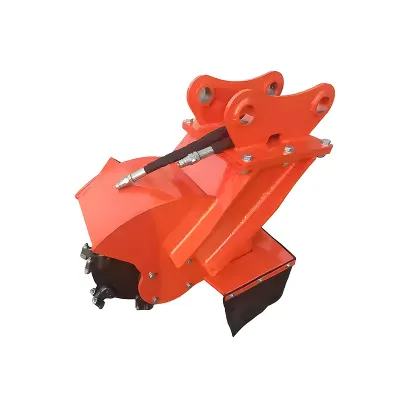
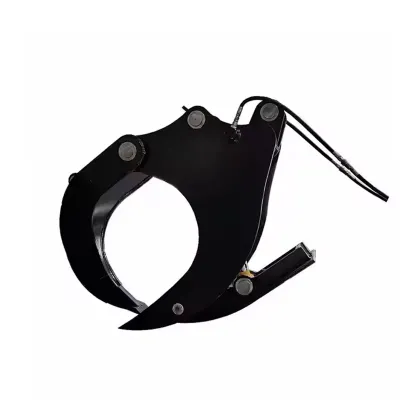
Selecting the right skid steer grapple depends on understanding your primary material, machine capacity, hydraulic flow and working environment. Grapples are among the most versatile skid steer attachments, but choosing the wrong configuration leads to inefficient operation, premature wear and potential safety issues. This guide walks through the key decision factors to help you match a grapple to your specific work.
Understand Grapple Types
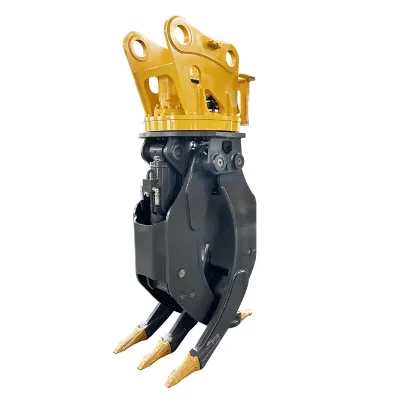
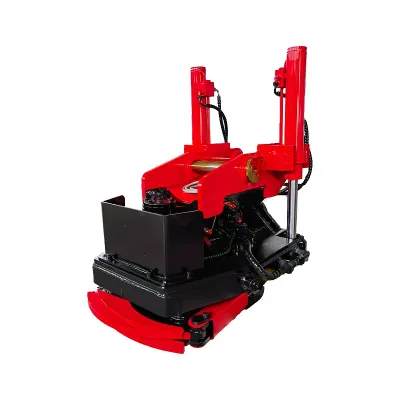
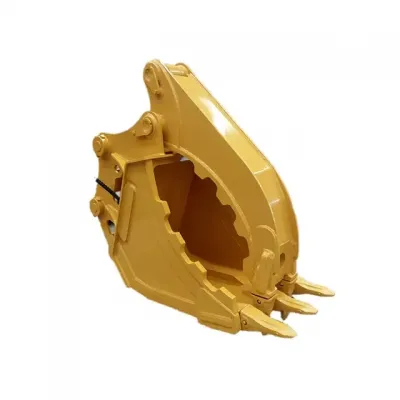
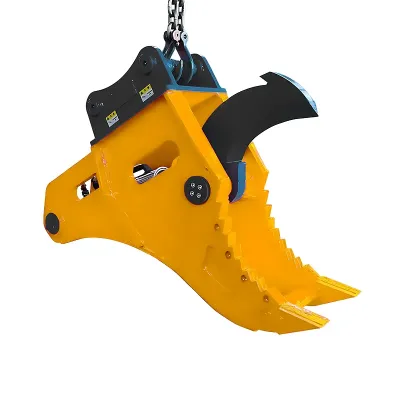
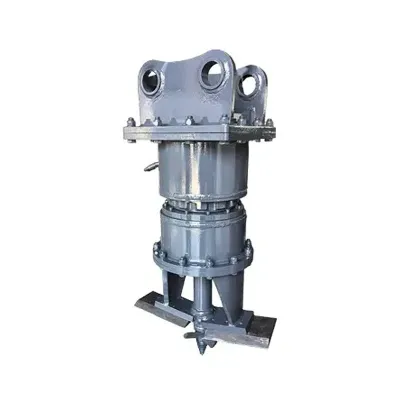
Skid steer grapples come in several configurations, each designed for specific material types. Rock and root grapples feature skeleton open-bottom frames with dual clamps, ideal for rocks, roots, brush and demolition debris where soil sifting is needed. Hay bale grabs use dual clamping arms with wide opening ranges specifically for round and square bale handling in agricultural operations. Log grapples incorporate 180-degree hydraulic rotation for precise positioning of logs, timber and poles in forestry and construction work.
Each grapple type has distinct tine spacing, clamp design and opening range optimized for its target material. Using a rock grapple for hay bales results in poor bale retention and potential wrap damage, while using a bale grab for rock handling lacks the skeleton sifting capability and tine strength needed for abrasive materials. Start your selection by identifying the single most common material you handle, then evaluate whether a second material type occurs frequently enough to justify a more versatile configuration.
Match to Machine Capacity
The attachment weight plus maximum material load must stay within your skid steer's rated operating capacity (ROC) at 50% tipping load. Grapple weights range from approximately 160 kg for compact mini loader models to over 350 kg for heavy-duty wide rock grapples. Wider grapples and rotating log grapples add more weight at the boom end, increasing load moment and reducing effective payload capacity. As a general guideline, your machine ROC should be at least double the combined attachment plus typical load weight for safe, stable operation.
Hydraulic flow is equally important. Most grapples require 40-80 L/min auxiliary flow for responsive clamp operation, with rotating log grapples needing sufficient flow for both clamp and rotator function. Operating pressure typically ranges up to 20 MPa. Verify your machine's auxiliary hydraulic specifications before selecting a grapple, and consider whether continuous operation in heavy applications requires additional hydraulic cooling. Undersized hydraulic systems result in slow clamp response, reduced clamping force and overheating during extended work sessions.
Evaluate Application Requirements
Your primary application determines the ideal grapple configuration. For land clearing and root removal, prioritize skeleton tine strength, wide opening range and independent dual clamps that conform to irregular root and brush shapes. For rock and stone handling, evaluate tine spacing to retain your typical rock sizes while sifting soil efficiently. For agricultural bale handling, look for specialized bale grabs with serrated clamping surfaces and opening ranges covering your bale diameters from 4 to 6 feet.
Forestry and timber operations benefit from 180-degree rotating log grapples that allow precise log positioning without repositioning the skid steer. Construction and demolition sites require durable grapples capable of handling mixed debris including concrete chunks, wood and metal. Landscaping applications may prioritize precise control for placing boulders and landscape features. Consider the daily operating hours and duty cycle: heavy-duty continuous use demands thicker steel, larger cylinders and more robust pivot points than occasional light-duty operation.
Configuration and Mounting Considerations
Nearly all modern skid steer grapples use the universal quick-attach mounting system, compatible with Bobcat, Caterpillar, Case, New Holland, John Deere, Kubota, Takeuchi and most other standard skid steer and compact track loader brands. Verify that your machine uses the standard universal quick-attach interface with the standard pin spacing. Mini loaders and compact utility loaders may require narrower mounting frames, with some grapple manufacturers offering dedicated mini loader configurations with 600 or 910 mm inner width mounting frames.
Width selection balances material throughput with machine maneuverability. Narrower 59-66 inch grapples work well in confined spaces, fence lines and tight job sites, while wider 72-84 inch models move more material per cycle in open areas but require larger skid steers with sufficient ROC. The 72-inch model is often the most versatile general-purpose choice for mid-size skid steers. Custom configurations including modified tine spacing, specialized clamp designs and non-standard mounting frames are available from manufacturers like TGEC skid steer grapples on qualified production orders, subject to engineering review and minimum order quantities.
Final Selection Checklist
Before making a purchase decision, verify the following: your primary material type matches the grapple design, the combined attachment plus load weight is within your machine ROC, auxiliary hydraulic flow and pressure meet the grapple requirements, the mounting interface is compatible with your skid steer, the grapple width suits your typical working space, and the construction quality matches your duty cycle and operating hours. Request detailed specifications and compatibility confirmation from the manufacturer or dealer, and consider demo opportunities when available to evaluate clamp force, opening speed and maneuverability with your actual machine.
For specific product configurations, explore the skid steer rock grapple for land clearing and debris handling, the skid steer log grapple for forestry and timber work, and the skid steer hay bale grab for agricultural bale handling. Each product page includes complete specifications, hydraulic requirements and compatible configurations to help you make an informed decision.