Picking the right skid steer backhoe attachment is about matching specs to your machine's hydraulic capacity and the digging work you do day in and day out. The big ones to get right: hydraulic flow and pressure compatibility, digging depth and reach, bucket width, thumb setup, mounting system, and total attachment weight vs. your machine's operating capacity. Run through each of these and you'll land on a backhoe that delivers reliable performance and keeps productivity high on your jobsites.
Hydraulic Flow and Pressure Compatibility
This is the single most important thing to get right. Every backhoe attachment has a required flow rate (L/min or GPM) and a maximum pressure rating (MPa or PSI). Underfeed it and the attachment runs slow and lacks digging muscle. Over-pressure it and you're looking at blown seals, busted hoses, or damaged cylinders. The numbers have to line up.
Most mid-size and full-size skid steers put out standard-flow auxiliary hydraulics in the 50 to 80 L/min range—plenty for a standard backhoe like the TG-BD1580, which needs 60 L/min flow and handles up to 20 MPa pressure. High-flow machines can push 100 L/min or more, which is great for bigger attachments but overkill for standard backhoe work. Before you buy, pull your skid steer's operator manual or spec sheet, find the auxiliary flow and pressure numbers, and make sure they sit comfortably within the attachment's operating range.
Digging Depth and Reach
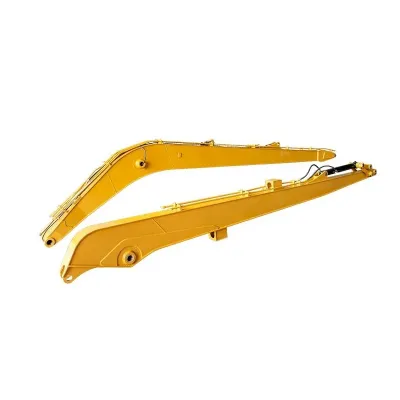
Depth and reach determine what kinds of excavation jobs the attachment can actually handle. Max digging depth comes from the combined length of the boom and arm; reach is how far the bucket can stretch horizontally from the mounting plate. For standard residential and light commercial work—footings, utility trenches, landscaping—a moderate-reach attachment covers it. If you're doing deeper utility trenches or foundation work, you might need a longer boom and arm setup.
Don't just go for the deepest attachment you can find, though. Longer booms and arms add weight, hurt stability, and may push you into a bigger skid steer with higher operating capacity. For most contractors, a standard backhoe that handles typical footing and trench depths strikes the best balance of capability, stability, and ease of use. If you only occasionally need to go deeper, it's worth asking whether a dedicated excavator or a different attachment would make more sense than over-speccing your backhoe.
Bucket Width and Configuration
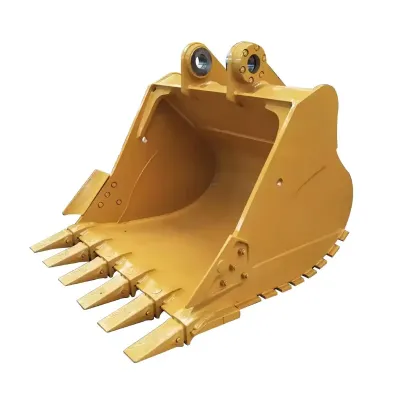
Bucket width drives both how much material you move per cycle and how precise you can be. Wider buckets—450 mm and up—haul more dirt per pass and work well for large excavation areas, but they need more breakout force and can be too wide for narrow trenches or tight footing holes. Narrower buckets—300 to 400 mm—give you better precision for trench work, utility installation, and confined-space digging, but they move less material per pass. The TG-BD1580 lands in the middle with a 380 mm (15 inch) bucket that handles general excavation, footing work, and standard trenching with ease.
Some backhoe attachments let you swap buckets, so you can run narrow for trenching one day and wide for bulk excavation the next. If your work swings between both ends of that spectrum, quick-change bucket capability might be worth the extra cost. Also think about teeth: standard teeth handle general soil and clay; rock teeth or heavy-duty cutting edges are better for rocky or abrasive ground. Most standard backhoes come with general-purpose teeth that handle typical residential and commercial soil just fine.
Thumb Configuration
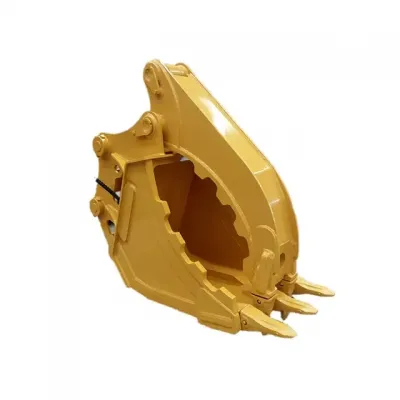
A hydraulic thumb turns a decent backhoe into a much more useful tool. It lets you clamp objects between the thumb and bucket—rocks, stumps, logs, debris, construction materials—stuff that's awkward or impossible to handle with a bucket alone. The thumb also gives you better control when dumping and can hold objects steady during placement. The TG-BD1580 comes with a 635 mm hydraulic thumb that runs independently of the bucket, putting precise clamping control right at your fingertips.
When choosing a thumb, decide between hydraulic and mechanical. Hydraulic thumbs give you variable clamping force and cab control—more versatile and convenient for regular material handling. Mechanical thumbs are simpler and cheaper but need manual adjustment and offer less precision. If you're regularly moving irregular objects, clearing debris, or handling materials, spring for the hydraulic thumb. If you mostly dig and load soil with minimal material handling, a mechanical thumb—or no thumb at all—might be enough.
Mounting System and Compatibility
Almost every modern skid steer and compact track loader uses a universal quick-attach plate—the industry-standard interface that lets you mount and remove attachments in minutes without tools. Make sure your backhoe attachment is built for that system, which ensures it fits your machine and most other standard skid steers out there. Some older or specialty machines use proprietary mounting systems; if that's you, you may need an adapter plate or a custom mounting frame. The TG-BD1580 runs on a universal quick-attach plate, so it fits most standard skid steers and compact track loaders right out of the box.
Beyond the mounting plate, check the hydraulic hose setup against your skid steer's auxiliary couplers. Most use standard flat-face quick-disconnect couplers, but the number of circuits you need varies. A backhoe with a hydraulic thumb typically needs two circuits: one for boom, arm, and bucket functions, and another for the thumb. Make sure your skid steer has enough auxiliary circuits to run everything, or ask the manufacturer about hydraulic kits and configurations if you're not sure.
Weight and Machine Capacity
Total attachment weight has to play nice with your skid steer's rated operating capacity and lift capacity. Too heavy and you'll get instability, reduced lift capacity, and excess stress on loader arms and hydraulics. The TG-BD1580 weighs in at 330 kg—a solid fit for most mid-size and full-size skid steers with sufficient operating capacity. Before you buy, look up your skid steer's ROC and make sure the attachment weight plus your typical bucket load stays well within safe limits.
Also consider overall attachment width and how it affects stability during digging. Wider attachments increase the machine's footprint and may need more room to operate. Heavier attachments shift the center of gravity and can reduce stability when the boom is extended. For smaller or mini skid steers, a lighter, more compact backhoe attachment may be the safer call. Always check your skid steer manufacturer's guidelines for max attachment weight and compatibility.
Making Your Selection
To nail the right skid steer backhoe attachment, start with your skid steer's auxiliary flow and pressure, ROC, and mounting interface. Then match those to an attachment that gives you the digging depth you need, a bucket width that fits your work, a thumb if you handle irregular materials, and a weight your machine can handle comfortably. The TG-BD1580 is a standard configuration that works well for most residential and light commercial excavation—380 mm bucket, 635 mm hydraulic thumb, 60 L/min flow requirement, universal quick-attach mounting.
If you need something non-standard—a custom mounting frame, modified hydraulics, different bucket width, or private-label branding—reach out to the manufacturer directly. Custom work goes through engineering review and feasibility assessment, so plan ahead if you've got specific requirements. For more detail on the skid steer backhoe attachment and its specs, head to the product page. To compare machine types, check out backhoe vs skid steer. For general digging capabilities, see can a skid steer dig. And for the full lineup and manufacturer info, visit the skid steer backhoe attachments category hub.