Picking between a backhoe and a skid steer really comes down to what you dig most, where you're working, and whether you want a one-trick pony or a Swiss Army knife. Backhoes are purpose-built excavators with a rear digging arm and a front loader bucket. Skid steers are compact, nimble loaders that can take on dozens of attachments—including a backhoe setup when you need to dig.
Core Design Differences
A backhoe loader is two machines in one: a front loader bucket for hauling and a rear-mounted backhoe arm for digging. That rear arm gives you serious reach and depth—typically 12 to 16 feet on full-size models—and outriggers keep the machine planted while you're excavating. A skid steer, by contrast, is a compact loader with a front quick-attach plate that accepts all kinds of attachments. Slap a backhoe attachment on the front and you've got digging capability without needing a dedicated excavator.
The tradeoff here is specialization versus Swiss-army-knife versatility. A backhoe loader is dialed in for digging and loading—the rear arm delivers better reach and breakout force for excavation work. A skid steer is built for attachment flexibility and tight-space maneuverability, letting you swap between a bucket, forks, auger, trencher, backhoe, and more in minutes. If you're mostly digging, a backhoe loader probably makes sense. If you're juggling a mix of tasks across different sites, a skid steer with a quiver of attachments offers way more utility.
Digging Performance
Full-size backhoe loaders outmuscle skid steer backhoe attachments when it comes to raw digging capability. The rear-mounted arm on a dedicated backhoe gives you more reach, deeper digging depth, and higher breakout force than a front-mounted skid steer setup. Plus, outriggers keep things stable during digging, which means better precision at depth. For big excavation projects, deep trenches, and heavy-duty digging, a backhoe loader is usually the faster, more productive machine.
That said, a skid steer with a backhoe attachment holds its own for residential and light commercial excavation—footings, standard trenches, utility work, site prep—all well within its wheelhouse. The skid steer's compact footprint lets it get into spots where a backhoe loader simply won't fit: backyards, indoor demolition, tight urban lots. If you only need to dig occasionally but spend most of your time loading, grading, or hauling materials, a skid steer with a backhoe attachment strikes a practical balance between capability and versatility.
Maneuverability and Jobsite Access
Skid steers run circles around backhoe loaders when it comes to maneuverability. Their compact size, zero-turn-radius steering, and short wheelbase let them work in tight spots, pivot within their own length, and snake around obstacles on crowded job sites. Backhoe loaders are bigger machines—longer overall, wider turning radius, more ground clearance needed—which makes them a tougher fit in confined areas. On the flip side, backhoes are generally faster for shuttling between job sites and can be driven on public roads in many places, while skid steers usually need a trailer.
For jobs with limited access—backyard renovations, indoor work, tight urban lots—a skid steer is often the only machine that can even get in there. For wide-open job sites where the machine needs to cover ground and do serious excavation, a backhoe loader's road speed and digging power might win the day. The right call depends on your typical site conditions and whether you need on-site agility or between-site mobility.
Attachment Versatility
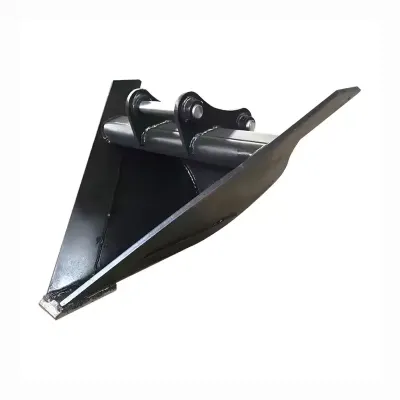
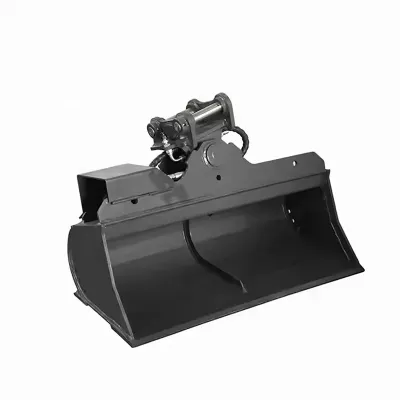
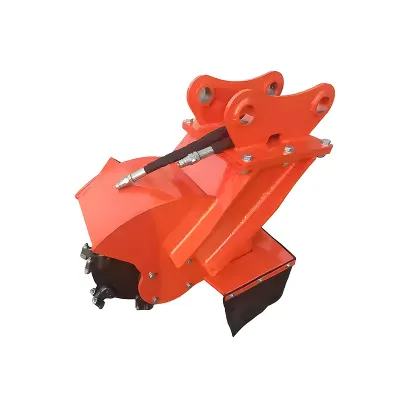
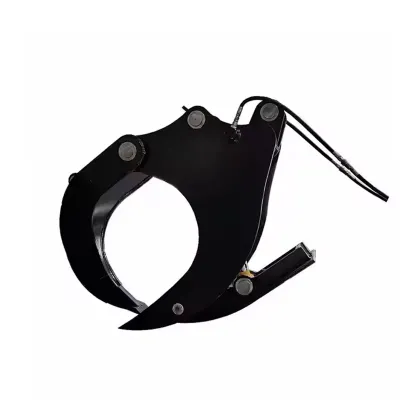
This is where skid steers absolutely shine. One skid steer, through the universal quick-attach interface, can run digging buckets, grading buckets, pallet forks, augers, trenchers, backhoes, brush cutters, snow blowers, and more. That means one machine handles excavation, material handling, landscaping, snow removal—across different seasons and projects. Backhoe loaders can take some front-loader attachments, but they're locked into their primary role as a loader/excavator combo and can't touch the breadth of tools available for a skid steer.
For contractors and rental yards serving diverse customers, a skid steer fleet with a stable of attachments delivers the highest utilization and the widest service offering. For specialized excavation contractors who dig and load all day, a backhoe loader's dedicated design is more efficient. Many operations find that running both types gives the best coverage—backhoe loaders for heavy digging, skid steers for confined-space work, attachment-based tasks, and general site support.
When to Choose a Backhoe Loader
Go with a backhoe loader if excavation is your bread and butter and you need serious digging depth, reach, and breakout force. Backhoes are the go-to for deep trenching, large footings, foundation work, and heavy digging where outrigger stabilization and the rear-mounted arm give you a real edge. They're also a solid choice if you're hopping between job sites often—most backhoe loaders are road-legal. If your work is mostly digging and loading with limited need for other attachments, a backhoe loader is the more productive and cost-effective call.
When to Choose a Skid Steer
Go with a skid steer if you need a versatile machine that can handle a bunch of different task types across various job sites. Skid steers are ideal for contractors who do a mix of excavation, grading, material handling, landscaping, and snow removal—and who work in tight spaces where bigger machines can't go. A skid steer with a skid steer backhoe attachment gives you capable digging for residential and light commercial work while keeping the ability to swap to other attachments on the fly. For rental yards and contractors serving diverse customer needs, a skid steer's attachment flexibility delivers higher utilization and broader service capability than a dedicated backhoe loader.
To get a sense of what a skid steer can handle with the right attachments, check out our guide on can a skid steer dig. If you've landed on a skid steer backhoe attachment as the right fit, dive into choosing a backhoe attachment for a skid steer. For the full product lineup and manufacturer details, visit the skid steer backhoe attachments category hub.