When you're turning logs into firewood, the first big decision is whether to go with a standalone splitter or a combined cutter-and-splitter setup. A standalone splitter does one job — splitting pre-cut logs. A cutter-and-splitter or processor attachment combines cutting, splitting, and sometimes conveying into a single workflow. The choice affects your labor cost, production speed, and equipment requirements. This guide breaks down the differences and helps you figure out which configuration fits your operation.
Current skid steer attachments include units that grab, cut, and split in one pass — not just split logs. A combined setup reduces handling time and labor significantly, but it also demands more hydraulic flow, costs more upfront, and has more moving parts to maintain. This guide compares standalone splitters with cutter-and-splitter and processor configurations across workflow, productivity, equipment needs, and cost. The best log splitter attachment for skid steer guide covers standalone splitter selection in more detail.
Standalone Log Splitters
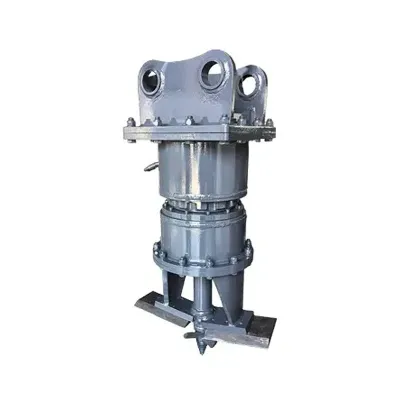
A standalone skid steer log splitter does exactly one thing: it splits logs that have already been cut to length. You position each round on the splitter's bed or cradle, engage the wedge or cone, and pull the split pieces off. These splitters come in hydraulic wedge, inverted, cone, and screw designs — covered in the skid steer log splitter types guide. They're the most common and affordable option, with a wide range of force ratings and wedge configurations.
What works well: lower cost, simpler operation, easier maintenance, and versatility across log sizes and species. They typically need 40 to 80 L/min of hydraulic flow, so they work with a broad range of skid steers. The downside: more manual labor. Each log has to be positioned by hand, and the split pieces need to be cleared away. Cutting and splitting are separate operations, which slows overall production. Standalone splitters are best for small to medium firewood operations, residential use, and contractors who need a flexible attachment for different job sites. The TGEC skid steer log splitter is a 25-ton inverted standalone model.
Log Cutter and Splitter Combinations
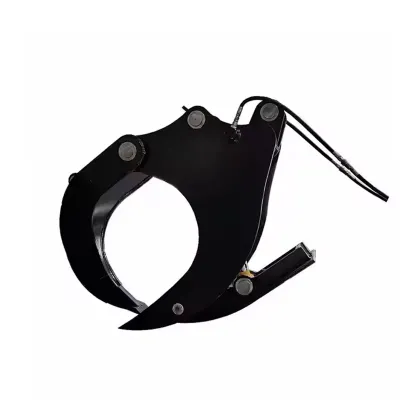
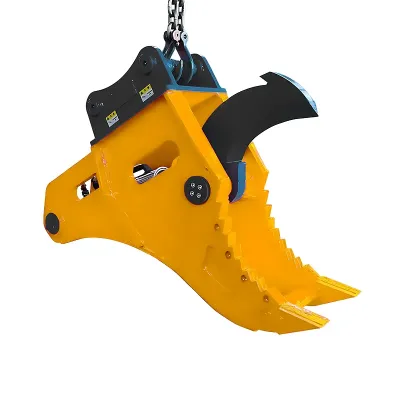
A cutter-and-splitter attachment integrates a cutting mechanism — typically a chainsaw bar or circular saw — with a splitting wedge or cone on a single skid steer mount. You grab a full-length log with the attachment's grapple or clamp, cut it to firewood length, and split it — all without changing attachments or repositioning the log. This workflow cuts handling time way down, since you go from a full-length log to split firewood in one setup. Some models even include a conveyor or discharge chute to move the split firewood away from the work area.
The upsides: higher productivity, less labor, and the ability to process full-length logs without pre-cutting. These attachments shine in high-volume firewood operations where every minute of handling time costs money. The tradeoffs: higher purchase price, greater hydraulic demand (typically 80 to 120 L/min or more), and more complex maintenance with the added cutting mechanism, chain or blade, and drive components. Cutter-and-splitter attachments also need a larger, heavier skid steer with enough lift capacity and stability to handle the combined weight and forces. They're best for dedicated high-volume firewood production, not occasional or multi-use contracting.
Firewood Processors
A firewood processor takes the cutter-and-splitter concept to the next level — it's a fully automated system designed for commercial-scale production. A typical processor includes a log infeed conveyor or table, a hydraulic saw or chainsaw for cutting to length, a splitting wedge or cone, and an outfeed conveyor to discharge split firewood. Some processors are standalone machines with their own engine and hydraulics; others mount on or are powered by a skid steer or tractor. A good processor can crank out several cords of firewood per hour.
The advantages: maximum productivity, minimal labor, and consistent firewood sizing. For large-scale commercial operations processing hundreds or thousands of cords annually, a processor is the most efficient option. The downsides: very high initial cost, significant maintenance, large footprint and weight, and the need for a dedicated power source or a high-capacity skid steer. Processors are also less versatile than standalone splitters — they're designed for a specific production workflow, not general attachment use. They're best for dedicated firewood businesses with steady high-volume log supply and established distribution channels.
Hydraulic and Equipment Requirements
Hydraulic requirements climb as you move from standalone splitters to cutter-and-splitter combinations to processors. A standalone 25-ton wedge splitter typically runs on 40 to 80 L/min of auxiliary flow and standard system pressure, which works with most mid-size and larger skid steers. A cutter-and-splitter combination needs extra flow to power both the splitting cylinder and the cutting mechanism — usually 80 to 120 L/min or more — and may require a high-flow skid steer with enhanced cooling. A skid-steer-mounted processor can demand 120 L/min or more, along with higher pressure and additional cooling capacity.
Beyond flow, think about lift capacity and stability. Cutter-and-splitter attachments and processors are heavier than standalone splitters, and the dynamic forces from cutting and splitting stress the skid steer's boom and frame. A larger, heavier machine with adequate rated operating capacity is essential for safe, stable operation. Also check how many auxiliary circuits your skid steer has — some cutter-and-splitter combinations need separate circuits for the grapple, saw, and splitter. The full skid steer log splitter attachments range from TGEC includes standard standalone configurations for mid-size skid steers, with OEM and bulk options for dealers and distributors.
Choosing the Right Configuration
Your choice depends on production volume, log supply, available equipment, and budget. For occasional firewood, residential use, or a contractor who needs a versatile attachment across different job sites, a standalone splitter offers the best mix of affordability, simplicity, and flexibility. For medium to high-volume production where reducing labor and handling time pays off, a cutter-and-splitter combination boosts productivity while staying skid-steer-mounted and relatively portable. For a dedicated commercial firewood business with consistent log supply, a processor delivers the lowest labor cost per cord and the highest output, despite the larger upfront investment.
Before you decide, run the numbers on your current and projected firewood volume, and estimate the labor savings a combined or processor setup would generate. Check your skid steer's hydraulic flow, pressure, and lift capacity, and consider whether you'd need to upgrade machines. Look at total cost of ownership — maintenance, replacement parts, and fuel — not just the purchase price. If you can, test different configurations on your typical logs to see cycle times, ease of operation, and firewood quality. A decision based on your specific operation will help you pick a configuration that maximizes productivity and return on investment.