Welcome to the Official Website of TianGe Attachments.

Skid Steer Log Splitter

Skid Steer Log Splitter

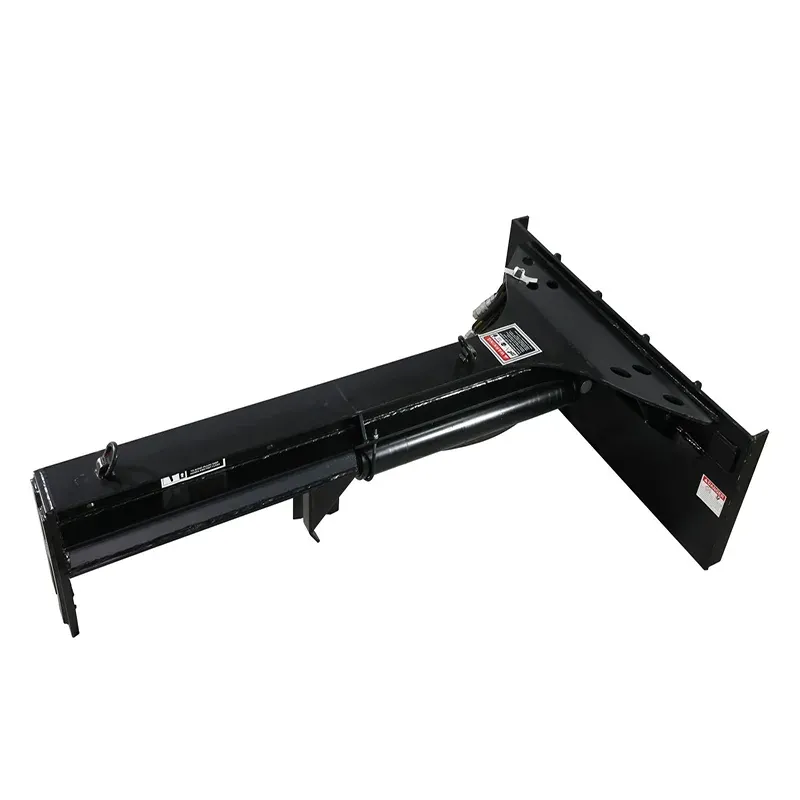
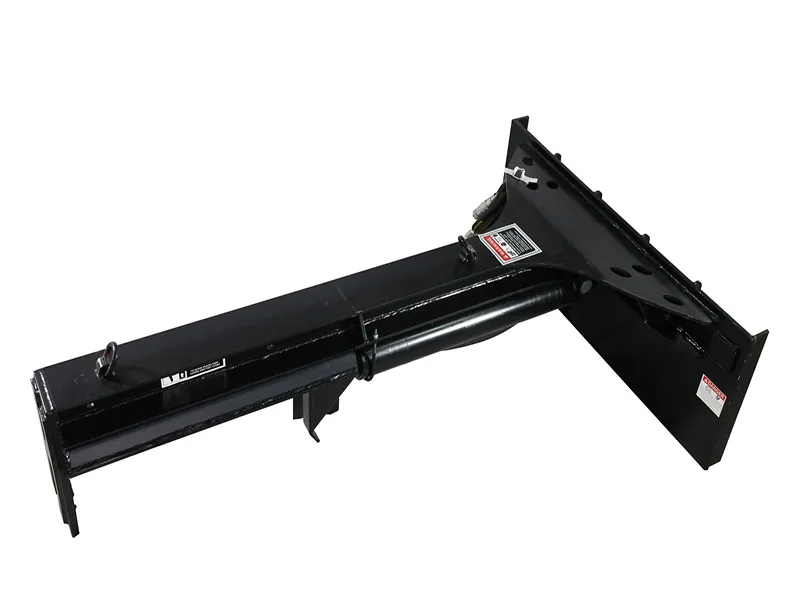
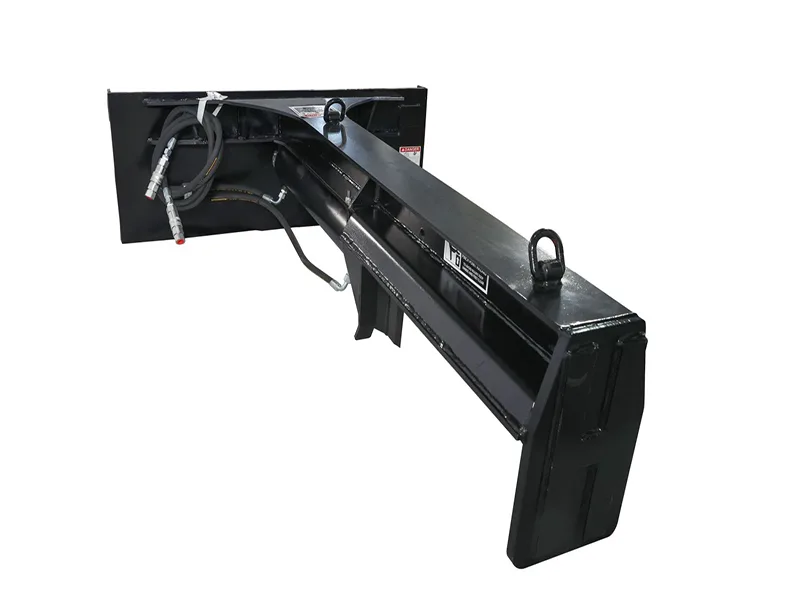
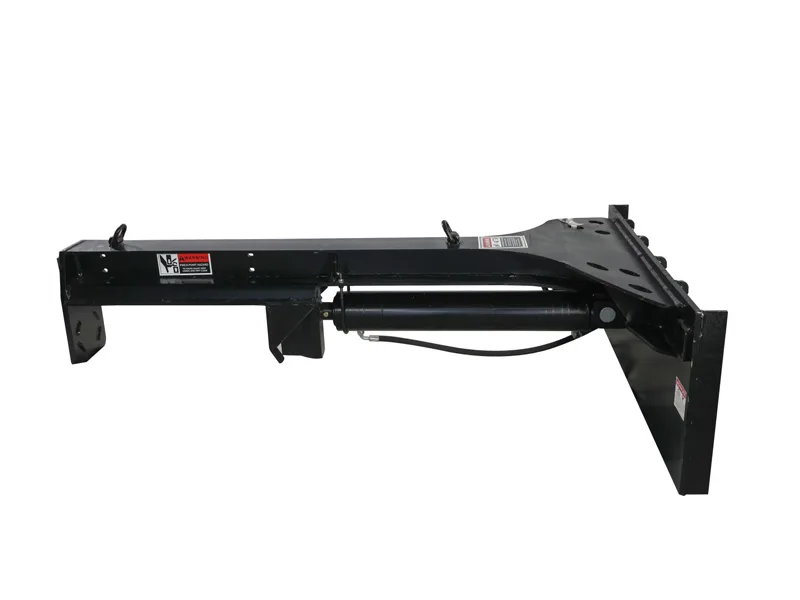
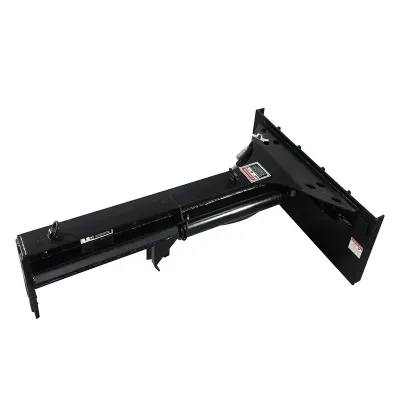
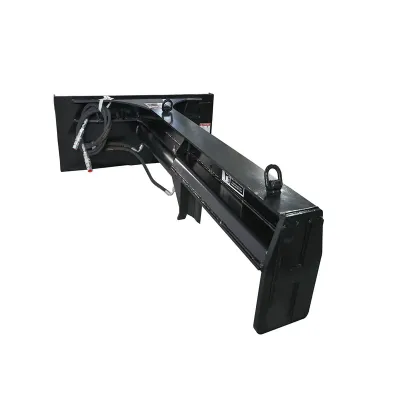
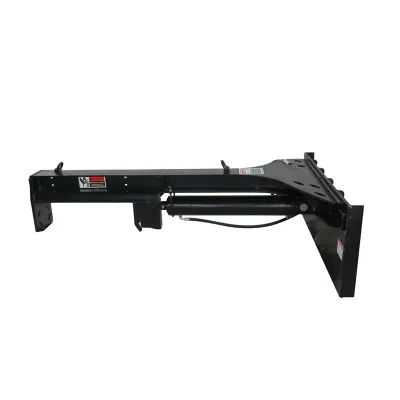
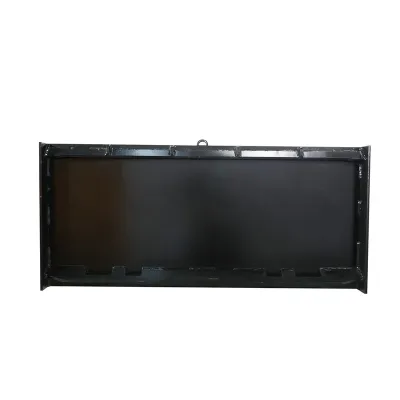
TGEC TG-LS25 skid steer log splitter with 25-ton splitting force, 760 mm max log length and reinforced 6-inch by 10-inch steel frame. Universal quick-attach in 910 mm and 1220 mm widths, 263 to 282 kg. For firewood production, tree service and farm use.
Product Name: Wood Splitter / Hydraulic Log Splitter / Timber Splitter / Firewood Splitter / Log Splitter Attachment / Wood Splitter Attachment
Type: Log Splitters
After-sales Service: Provided
Warranty: 1 Year
Customization: Available
Shipping Cost: Negotiate with us about shipping cost and estimated delivery time.
Get a quote
Overview
FAQ

Product Overview

A 25-ton hydraulic log splitter that runs off your skid steer's auxiliary hydraulics turns firewood processing into a one-machine operation. The TG-LS25 mounts via universal quick-attach, and its inverted wedge design lets you split logs from the cab without getting out. Firewood producers use it for high-volume hardwood splitting, tree services bring it to job sites for on-site processing, and farmers rely on it for winter heating and fence-post prep.

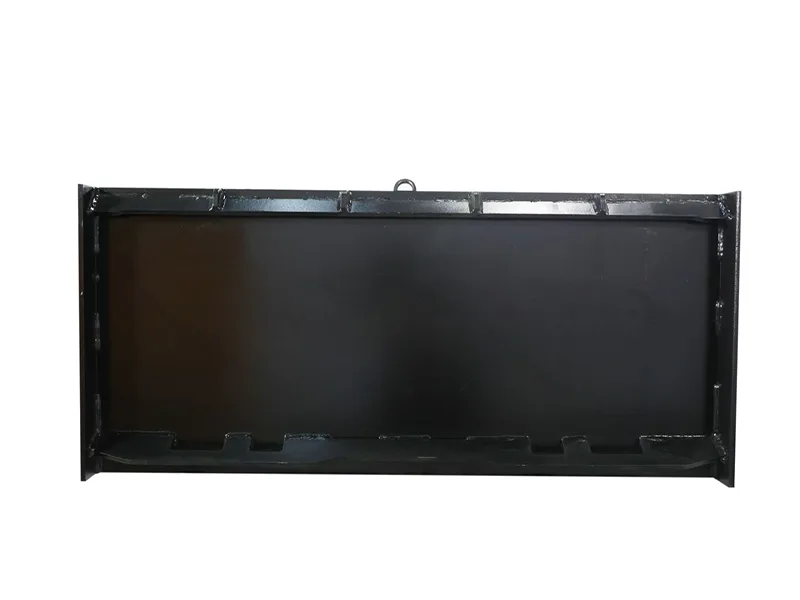
Two mounting widths are available: the TG-LS25-MP910 with a 910 mm plate (263 kg) and the TG-LS25-MP1220 with a 1220 mm plate (282 kg). Both deliver the same 25-ton force and 760 mm log length capacity, with a reinforced 6-inch by 10-inch steel frame that stands up to repeated splitting cycles. For a broader view of available configurations, see the full skid steer log splitter attachments range.

Technical Specifications

The TG-LS25 series offers two universal quick-attach mounting widths to match different skid steer loader platforms.

ParameterTG-LS25-MP910TG-LS25-MP1220
ModelTG-LS25-MP910TG-LS25-MP1220
Splitting Force25 ton-force (≈25,000 kgf / ≈55,000 lbf)25 ton-force (≈25,000 kgf / ≈55,000 lbf)
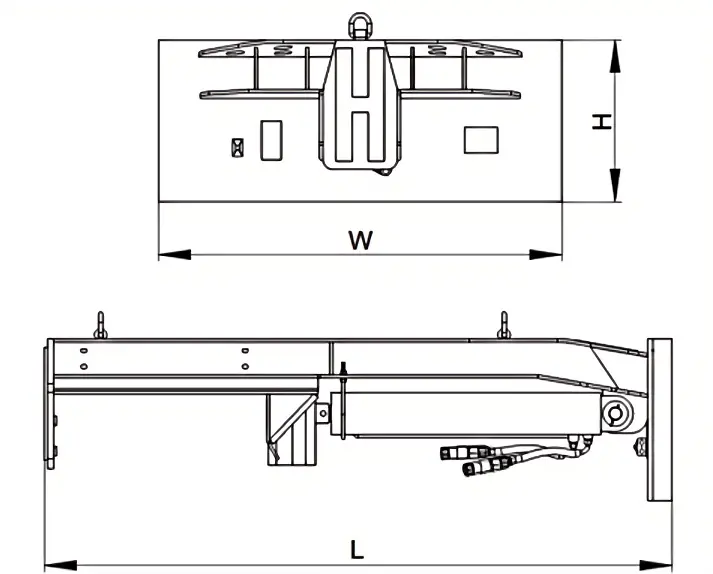
Overall Length1945 mm (76.6 in)1945 mm (76.6 in)
Overall Width940 mm (37.0 in)1250 mm (49.2 in)
Overall Height500 mm (19.7 in)500 mm (19.7 in)
Weight263 kg (580 lb)282 kg (622 lb)
Max Log Length760 mm (29.9 in)760 mm (29.9 in)
Frame ConstructionReinforced 6 in × 10 in steelReinforced 6 in × 10 in steel
Mounting SystemUniversal quick-attach (910 mm / 35.8 in)Universal quick-attach (1220 mm / 48.0 in)

TGEC 25-Ton Inverted Skid Steer Log Splitter CAD Dimension Drawing

Table data is for reference only. Actual specifications may vary based on the final configuration. Please contact the TianGe technical team for details.

Series-Wide Technical Highlights

  • 25-ton hydraulic splitting force through a heavy-duty cylinder, capable of splitting dense hardwood including oak, hickory and maple.

  • Inverted wedge design positions the wedge above the log for overhead splitting, allowing the operator to remain in the cab during the entire cycle.

  • Reinforced 6-inch by 10-inch steel frame with welded construction provides rigidity and resistance to bending under full-load forces.

Skid Steer Compatibility Guidance

The TG-LS25 series fits universal quick-attach mounting systems common to major skid steer and compact track loader brands. It requires sufficient auxiliary hydraulic flow and pressure to deliver the rated 25-ton splitting force, suitable for mid-size and larger skid steers. The 910 mm width fits standard universal plates, while the 1220 mm width suits wider loader platforms. To confirm compatibility, provide your skid steer make and model, auxiliary flow and pressure, coupler type and mounting plate width. The TGEC team will confirm the appropriate match.

Typical Applications

  • Firewood production: Split hardwood and softwood logs into firewood-sized pieces for residential heating, commercial sales and seasonal distribution.

  • Tree service and landscaping: Process fallen trees and removed logs on-site after tree removal, storm cleanup or land-clearing to reduce hauling.

  • Farm and ranch maintenance: Split logs for farm heating, fence post preparation, agricultural waste processing and general property maintenance.

Working Principle

The TG-LS25 uses hydraulic pressure from the skid steer's auxiliary circuit to extend a cylinder that drives the splitting wedge into the log. In the inverted configuration, the wedge is positioned above the log and pushes downward through the wood along the grain. The operator controls cylinder extension and retraction from the cab using the auxiliary hydraulic controls, allowing a complete split-and-retract cycle without leaving the seat.

Wear & Service

Primary wear components include the splitting wedge, hydraulic cylinder seals, hydraulic hoses and mounting plate pins. Inspect the wedge regularly for dullness or cracking, and resurface or replace it as needed. Check the cylinder for leaks and inspect hoses for abrasion. Grease the mounting pins per the maintenance schedule. Genuine replacement wedges, seal kits and hose assemblies are available for all TG-LS25 models.

Dealer & Bulk Orders

TGEC supplies the TG-LS25 series to equipment dealers, distributors and fleet operators through OEM and bulk-supply programs. Standard configurations are produced with verified hydraulic components and quality inspection at each stage. For qualified orders, TGEC can review custom requirements such as modified mounting widths or branded packaging. Dealers can combine log splitter orders with other TGEC attachment products to simplify sourcing.

What Log Sizes Are You Splitting — and What's Your Skid Steer Setup?

We'll need your skid steer make and model, auxiliary hydraulic flow and pressure, and the typical log diameter and species you process — hardwood, softwood, or a mix. Also let us know whether you need the 910 mm or 1220 mm mounting width and if you require custom paint or branding. We'll check the TG-LS25 against your machine specs, confirm compatibility, and return a factory-direct quote with estimated delivery timing.
Frequently Asked Questions

What type of skid steer can operate a log splitter attachment?+

A log splitter requires a skid steer or compact track loader with a universal quick-attach mounting system and sufficient auxiliary hydraulic flow and pressure to deliver the rated splitting force. Mid-size and larger skid steers typically provide adequate capacity for 25-ton splitters. Operators should verify auxiliary flow, pressure, mounting plate width and rated operating capacity before selection. Mini skid steers may have limited hydraulic capacity and require a separate compatibility review.

How does a hydraulic skid steer log splitter work?+

A hydraulic log splitter uses pressurized fluid from the skid steer's auxiliary circuit to extend a heavy-duty cylinder that drives a splitting wedge into the log. The operator controls extension and retraction from the cab using the auxiliary hydraulic controls. In an inverted configuration, the wedge is positioned above the log and pushes downward through the wood along the grain. The splitting force is determined by the cylinder bore and system hydraulic pressure, with 25-ton models capable of splitting dense hardwood logs.

What log diameter and length can a skid steer log splitter handle?+

The TG-LS25 series handles logs up to 760 mm in maximum length, covering standard firewood rounds and most tree-length sections cut to firewood size. Log diameter capacity depends on wood species and density: 25 tons can split most hardwood logs of moderate to large diameter, while softer woods may be split at larger diameters. Very large or exceptionally dense logs may require splitting in sections or a higher-force configuration. Operators should assess log size and species before committing to a production schedule.

What is the difference between a standard and inverted log splitter configuration?+

A standard log splitter typically positions the wedge horizontally or at the end of a beam, pushing the log against a fixed wedge or the wedge into the log from the side. An inverted log splitter positions the wedge above the log and pushes downward through the wood, allowing the operator to split logs from the cab without leaving the seat. Inverted designs often provide better visibility of the splitting area and faster cycle times because the log remains positioned while the wedge descends. The TG-LS25 series uses an inverted configuration for cab-operated efficiency.

When should a 2-way, 4-way, or 6-way splitting wedge be used?+

When selecting wedge configurations for log splitting operations, a 2-way wedge splits into two pieces and is best for large-diameter hardwood where maximum concentrated force is needed. A 4-way wedge splits into four pieces in one pass, increasing productivity for medium-diameter softwood or mixed hardwoods. A 6-way wedge splits into six pieces and is ideal for high-volume firewood production with small to medium-diameter softwood, but requires more force and may stall on dense hardwood. Choose the wedge based on typical log diameter, wood species and desired production rate.

How does splitting force affect skid steer log splitter performance?+

Splitting force directly determines the maximum log diameter and wood density a splitter can handle. A 25-ton splitter provides sufficient force for most residential and commercial firewood production, including dense hardwoods like oak and hickory up to moderate diameters. Higher force models handle larger or denser logs with fewer stalls, while lower force models may require pre-splitting or multiple passes on hardwood. Force is generated by the cylinder bore and hydraulic pressure, so adequate machine pressure is essential to achieve the rated force. Insufficient force results in stalled cuts, increased cycle time and premature wedge wear.

Can a mini skid steer operate a log splitter attachment?+

Mini skid steers may be able to operate a log splitter, but compatibility depends on the machine's auxiliary hydraulic flow, pressure and rated operating capacity. Most full-size 25-ton splitters require mid-size or larger skid steers with adequate hydraulic output. Mini skid steers with limited auxiliary hydraulic flow may produce slow cycle times or fail to deliver full splitting force. Operators should consult the machine's specifications and contact the manufacturer for a compatibility review before attempting to use a full-size splitter on a mini machine.

How is a skid steer log splitter mounted to the machine?+

The TG-LS25 series mounts to a skid steer using the universal quick-attach system, standard on most modern skid steers and compact track loaders. The operator aligns the quick-attach plate with the splitter's mounting frame, tilts the plate forward to engage the lower hooks, and secures the locking pins or levers. The 910 mm model fits standard universal plates, while the 1220 mm model suits wider loader platforms. Once mounted, the hydraulic hoses connect to the skid steer's auxiliary hydraulic couplers to power the splitting cylinder.

Which wear parts should be inspected regularly on a log splitter?+

Key wear components to inspect include the splitting wedge (check for dullness, cracking or deformation), hydraulic cylinder seals (look for oil leaks around the rod), hydraulic hoses (check for abrasion, cuts, bulging or loose fittings), mounting plate pins and bushings (check for excessive play or wear), and wedge retention hardware (ensure bolts are tight and undamaged). Also inspect the frame for cracks or bending, especially at high-stress weld points. Regular inspection prevents catastrophic failure and maintains splitting efficiency. replace worn components promptly with genuine TGEC replacement parts.

How should a skid steer log splitter be maintained for repeated firewood production?+

For high-volume firewood production, establish a regular maintenance schedule: inspect the wedge daily and resurface or replace it when dull, check hydraulic fluid levels and filter condition per the skid steer manufacturer's recommendations, inspect hoses and fittings weekly for leaks or abrasion, grease mounting pins and bushings every 10 to 20 hours of operation, and inspect cylinder seals monthly for leakage. Keep the frame clean of wood debris and sap buildup, which can retain moisture and accelerate corrosion. Store the attachment in a dry, covered area when not in use. Following this schedule extends service life and maintains consistent productivity during peak firewood season.
Please make sure to include your phone number with the country code (e.g., 86 for China, 1 for USA).