Welcome to the Official Website of TianGe Attachments.

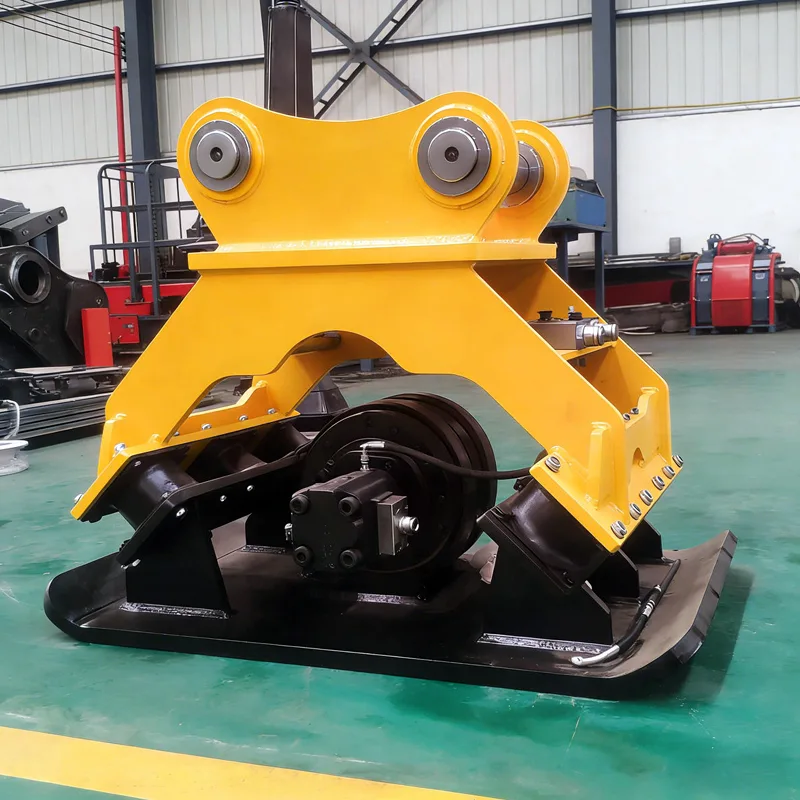
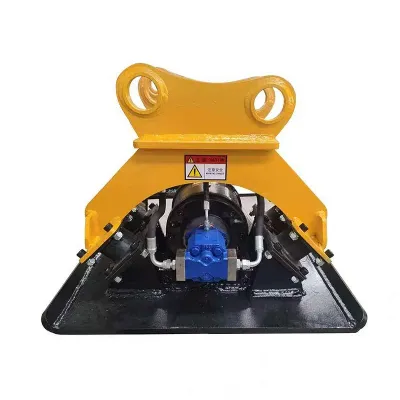
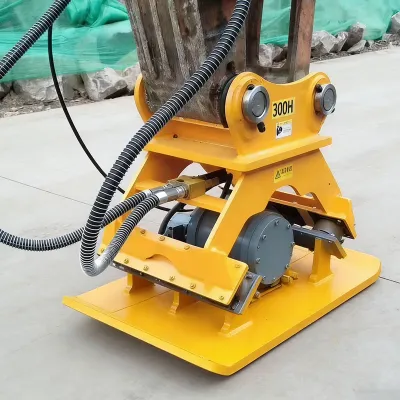
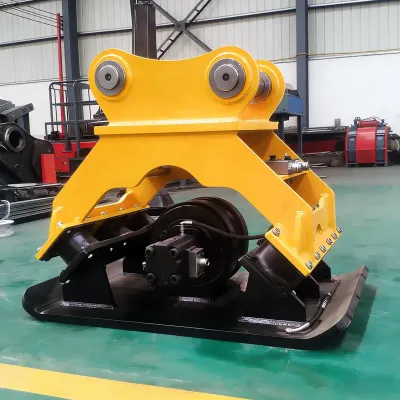
hydraulic plate compactor

hydraulic plate compactor

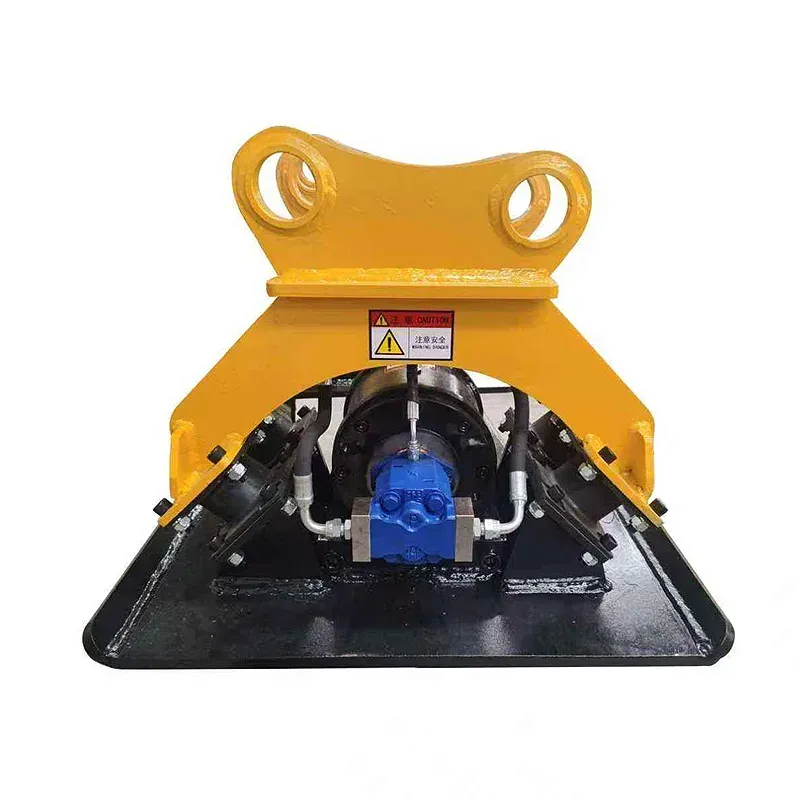
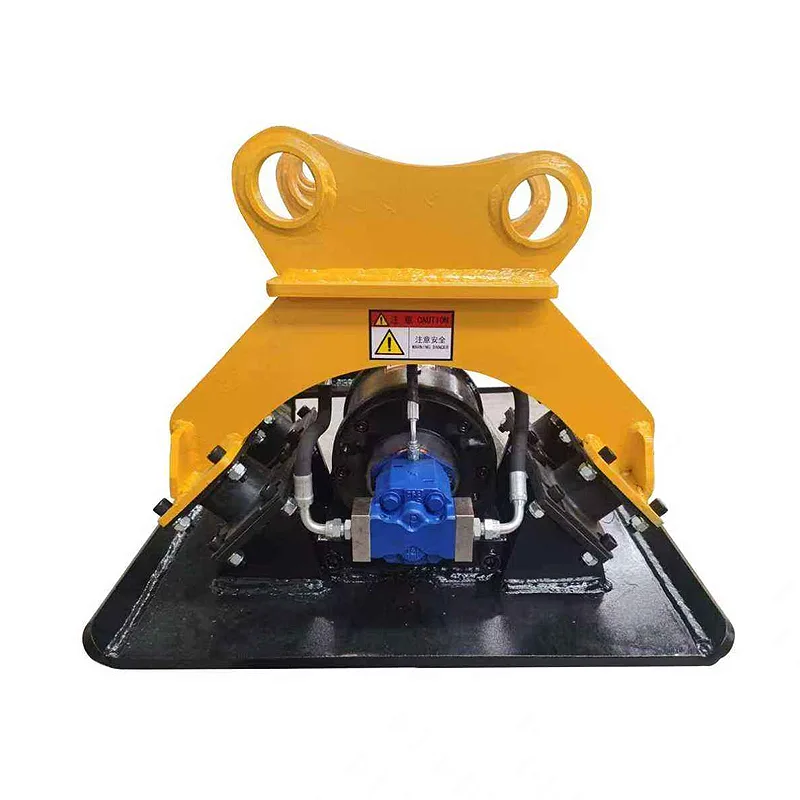
TGEC hydraulic plate compactors deliver high-frequency vibratory compaction for uniform soil densification across open areas, trenches and foundation work. Five models cover 1.5–40 ton excavators.
Product Name: Hydraulic plate compactor / Vibratory plate compactor / Compaction plate attachment / Tamper plate
Type: Compactors
After-sales Service: Provided
Warranty: 1 Year
Customization: Available
Shipping Cost: Negotiate with us about shipping cost and estimated delivery time.
Get a quote
Overview
FAQ

Product Overview

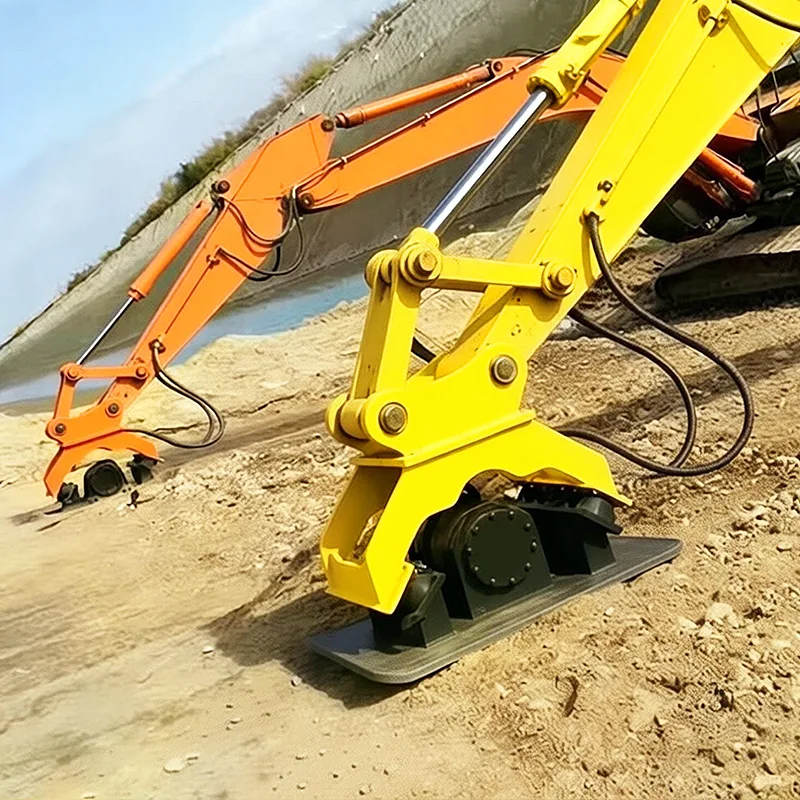
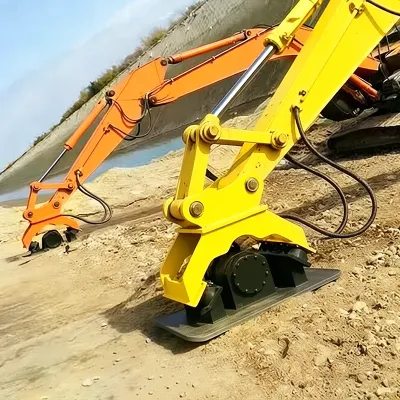
The TGEC excavator hydraulic plate compactor is a vibratory attachment that densifies soil through high-frequency vibration delivered to the surface by a steel base plate. It is designed for uniform surface compaction on granular and mixed soils, making it suitable for road subbase preparation, foundation backfill, parking lot construction and trench shoulder compaction. The attachment connects to the excavator's auxiliary hydraulic circuit and mounts to the bucket linkage, allowing the operator to reach areas that ride-on rollers cannot easily access.

The product line includes five models covering excavators from 1.5 to 40 tons, with impulse force ranging from 3 to 15 tons and base plate sizes up to 1500 mm by 1000 mm. Each model is calibrated to match the hydraulic flow and pressure of its target excavator class. As part of the TGEC excavator compaction attachments line, the hydraulic plate compactor complements the compaction wheel, which is well suited to narrow trenches and cohesive soils. For guidance on matching a plate compactor to your machine, see our plate compactor sizing article.
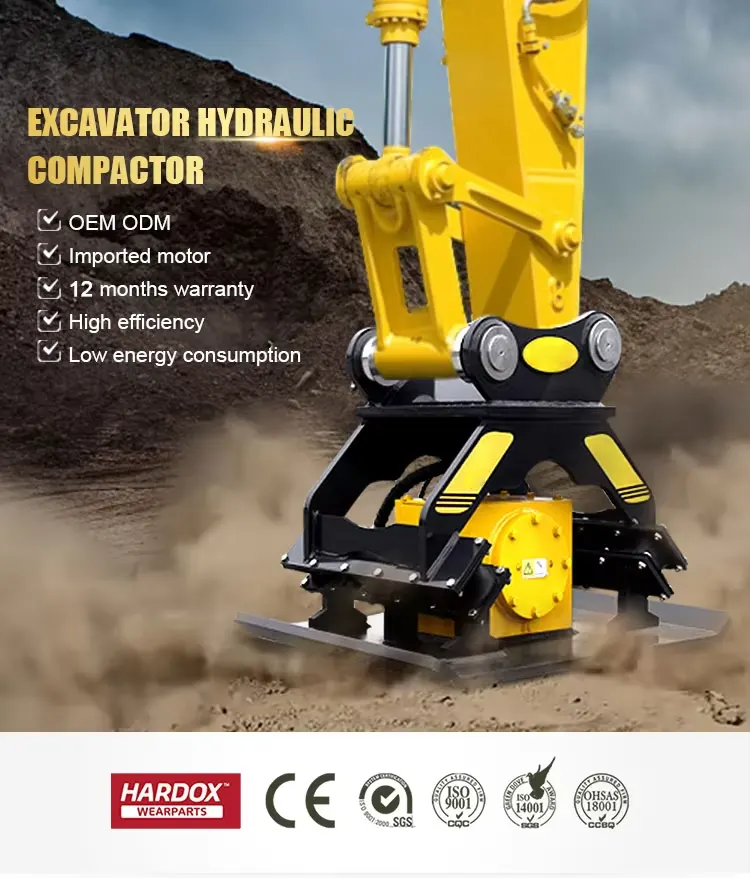
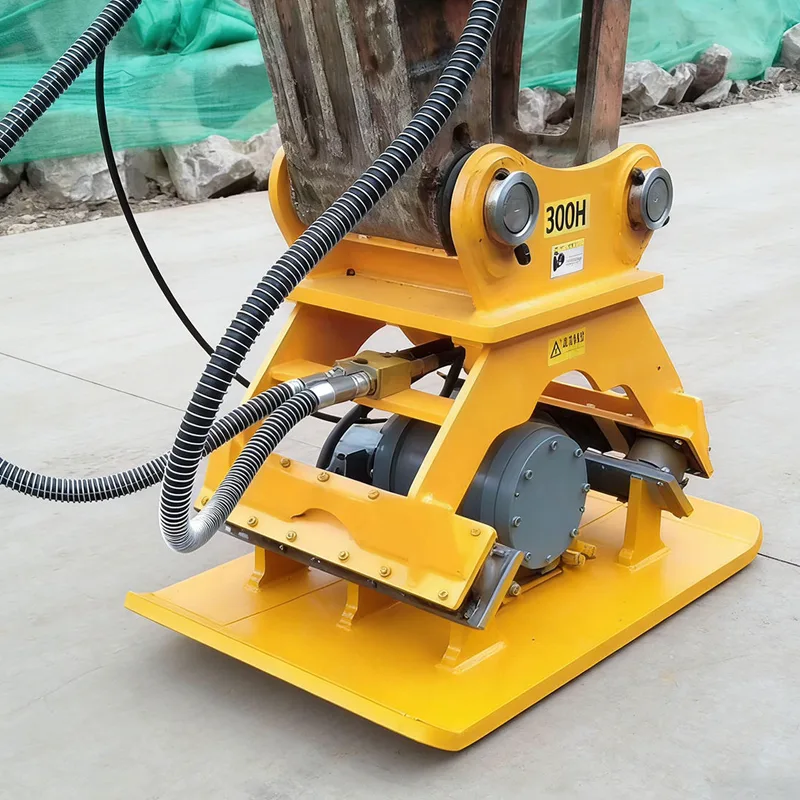
TGEC excavator plate compactor compacting shallow yard backfill soil

Technical Specifications

ParameterTG-VPC02TG-VPC04TG-VPC06TG-VPC08TG-VPC10
Compatible Excavator Class1.5–3 t (1.7–3.3 ton)4–10 t (4.4–11 ton)12–16 t (13.2–17.6 ton)18–24 t (19.8–26.5 ton)30–40 t (33–44 ton)
Unit Height610 mm (24.0 in)750 mm (29.5 in)930 mm (36.6 in)1000 mm (39.4 in)1100 mm (43.3 in)
Unit Width420 mm (16.5 in)550 mm (21.7 in)700 mm (27.6 in)900 mm (35.4 in)900 mm (35.4 in)
Impulse Force3 t (3.3 ton)4 t (4.4 ton)6.5 t (7.2 ton)11 t (12.1 ton)15 t (16.5 ton)
Vibration Frequency2000 rpm2000 rpm2000 rpm2200 rpm2200 rpm
Rated Hydraulic Flow30–60 L/min (8–16 GPM)45–85 L/min (12–22 GPM)85–105 L/min (22–28 GPM)120–170 L/min (32–45 GPM)120–170 L/min (32–45 GPM)
Working Pressure100–130 bar (1450–1885 psi)100–130 bar (1450–1885 psi)100–150 bar (1450–2175 psi)150–200 bar (2175–2900 psi)150–200 bar (2175–2900 psi)
Base Plate Size (L×W)800×420 mm (31.5×16.5 in)900×550 mm (35.4×21.7 in)1160×700 mm (45.7×27.6 in)1350×900 mm (53.1×35.4 in)1500×1000 mm (59.1×39.4 in)
Unit Weight350–400 kg (772–882 lb)500–600 kg (1102–1323 lb)750–850 kg (1653–1874 lb)900–1000 kg (1984–2205 lb)1100–1300 kg (2425–2866 lb)

Table data is for reference only. Actual specifications may vary based on the final configuration. Please contact the TianGe technical team for details.
TGEC excavator plate compactor compacting trench backfill

How It Works

The hydraulic plate compactor uses pressurized fluid from the excavator's auxiliary circuit to drive a hydraulic motor, which spins an eccentric weight inside the compactor housing. As the offset weight rotates, it generates centrifugal force that creates high-frequency vertical vibration, typically between 2000 and 2200 rpm. This vibration transfers through the housing into the steel base plate, which contacts the soil surface and transmits rapid impact energy that rearranges soil particles and expels air voids. The excavator's boom provides downward pressure and positioning, while the operator controls hydraulic flow to adjust vibration intensity and compaction depth.

Application Scenarios

  • Road subbase compaction: Densify gravel, crushed stone and soil subbase layers during road construction and repair.

  • Foundation backfill: Compact soil layers around building foundations, basement walls and structural footings.

  • Parking lot and site preparation: Uniformly compact fill material on commercial parking areas, driveways and development sites.

  • Trench shoulder and side compaction: Compact the upper layers and shoulders of utility trenches where the plate can reach.

  • Landscaping and groundworks: Densify topsoil and fill material on residential yards, parks and recreational areas.

  • Embankment and slope stabilization: Compact soil layers on road embankments, levees and retaining wall backfill.

  • Granular soil compaction: Achieve high density on sand, gravel and mixed granular soils where vibration is most effective.

Installation & Mounting

The hydraulic plate compactor mounts to the excavator bucket linkage using the existing bucket pins and connects to the auxiliary hydraulic circuit via quick-disconnect hydraulic hoses. Before installation, verify that the excavator's auxiliary hydraulic flow and pressure fall within the specified range for the selected model, as insufficient flow reduces vibration frequency while excessive pressure can damage the hydraulic motor. Confirm the pin-to-pin spacing, pin diameter and coupler type to ensure the mounting bracket fits correctly. Hydraulic hose routing should be checked for clearance and abrasion protection, and a case drain line may be required depending on the motor configuration.

Wear Parts & Service

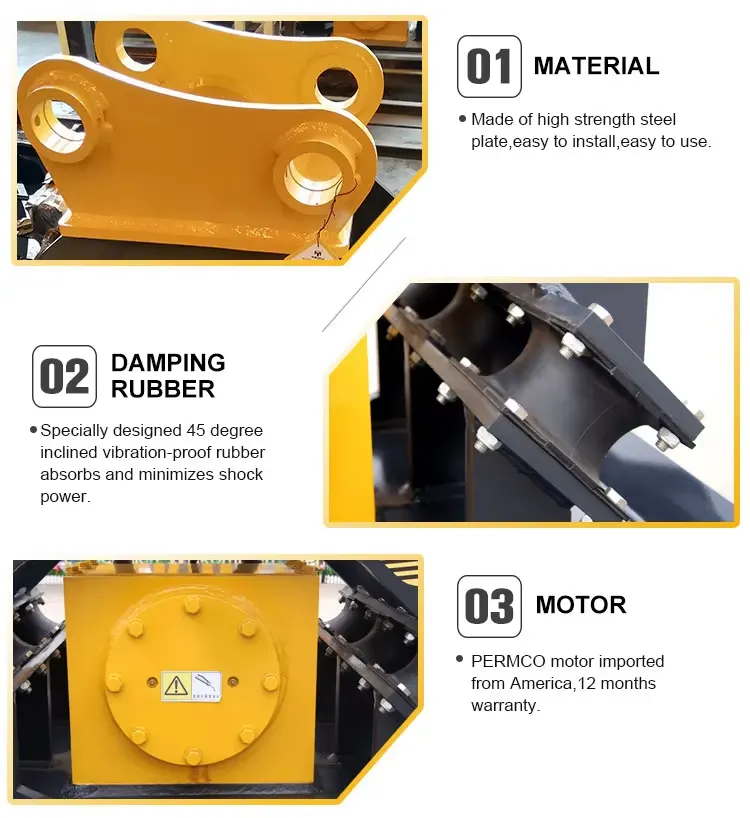
Primary wear items on a hydraulic plate compactor include the base plate, eccentric weight bearings, hydraulic motor, rubber isolation mounts and hydraulic hoses. Inspect the base plate regularly for cracking, bending or excessive wear on the contact surface, and replace it when flatness is compromised. Check the eccentric weight bearings for unusual noise or excessive play, and monitor the hydraulic motor for leaks or reduced performance. Rubber isolation mounts should be inspected for cracking or compression set, as degraded mounts reduce vibration transfer to the plate. Replacement base plates, bearing kits, motors and hose assemblies can be supplied for TGEC plate compactor models.

Dealer & Bulk Orders

TGEC supplies hydraulic plate compactors to equipment dealers, rental companies and civil contractors worldwide. Dealer pricing, volume supply and OEM private-label programs are available based on model selection, order quantity and target market requirements. Contact our sales team to discuss bulk ordering, custom configurations and long-term sourcing partnerships.

Request a Quote — Excavator Hydraulic Plate Compactor

Because this attachment runs on the auxiliary hydraulic circuit, we verify your machine's hydraulic capacity before quoting. To request a quotation, provide your excavator make and model, operating weight, auxiliary hydraulic flow and pressure, pin-to-pin spacing, pin diameter, coupler type, and the model you are interested in (from TG-VPC02 to TG-VPC10). Our team will confirm that your hydraulic circuit matches the plate compactor requirements and verify the mounting bracket. Quick-coupler compatibility must be specified at time of order.
Frequently Asked Questions

What is an excavator hydraulic plate compactor used for?+

An excavator hydraulic plate compactor is used to compact soil, gravel and aggregate through high-frequency vibration. It mounts to the excavator bucket linkage and connects to the auxiliary hydraulic circuit, allowing the operator to compact in areas that ride-on rollers cannot easily access. Common applications include road subbase preparation, foundation backfill, parking lot construction, embankment work and granular soil compaction on civil construction sites.

How does a hydraulic plate compactor work?+

A hydraulic plate compactor runs on the excavator's auxiliary hydraulic circuit. A hydraulic motor spins an eccentric weight inside the housing to produce high-frequency vertical vibration, typically 2000–2200 rpm. The vibration transfers through the housing into the steel base plate, which contacts the soil and rearranges soil particles to increase density. The excavator boom supplies downward pressure and positioning while the operator controls hydraulic flow.

What excavator size is suitable for a hydraulic plate compactor?+

TGEC hydraulic plate compactors are available for excavators ranging from 1.5 ton mini excavators up to 40 ton class machines. The TG-VPC02 fits 1.5–3 ton machines for small landscaping and utility work, while the TG-VPC10 handles 30–40 ton excavators for heavy civil and road construction projects. The critical matching factors are the excavator's auxiliary hydraulic flow and pressure, which must fall within the specified range for each model, plus the machine's operating weight and lift capacity. Simply matching tonnage is not sufficient.

What hydraulic information should be checked before installation?+

Before installing a hydraulic plate compactor, verify the excavator's auxiliary hydraulic flow rate in liters per minute (or GPM) and maximum working pressure in bar (or psi), as these must match the specified range for the selected model. Insufficient flow reduces vibration frequency and compaction force, while excessive pressure can damage the hydraulic motor and seals. Confirm whether the auxiliary circuit has a case drain line, as some motor configurations require it for proper cooling and backpressure management. Also check that the hydraulic quick-disconnect couplers are compatible and in good condition.

What mounting information is needed for an excavator plate compactor?+

To ensure proper mounting, provide the excavator's pin-to-pin spacing (distance between the bucket linkage pins), pin diameter, and coupler type (direct pin-on or quick coupler). Specify whether the machine uses a standard pin-grabber coupler, a hydraulic quick coupler, or a dedicated wedge-lock system, as each requires a different mounting bracket configuration. Confirm the distance from the pin centerline to the excavator stick face, as this affects the bracket geometry. Also note any auxiliary hydraulic line routing constraints or stick-mounted valve locations that could interfere with the compactor housing.

Can a plate compactor be used for trench and confined-area compaction?+

A plate compactor can be used for trench compaction when the trench width is sufficient to accommodate the base plate dimensions, which range from 800 mm to 1500 mm in length depending on the model. For narrow utility trenches under 600 mm wide, a compaction wheel is generally more suitable because its narrow drum profile can reach the trench bottom with side clearance. The plate compactor works well for wider trenches, trench shoulders, upper lift compaction and areas where the excavator can position the plate flat against the soil surface. In very deep or narrow trenches, the plate may not reach the bottom without tilting, which reduces compaction effectiveness.

What factors affect plate compactor performance on different soils?+

Plate compactor performance is primarily affected by soil type, moisture content, lift thickness and the compactor's impulse force. Granular soils such as sand and gravel respond best to high-frequency vibration, while cohesive clay soils require more static pressure and kneading action, making them less ideal for plate compactors. Optimal moisture content allows soil particles to rearrange under vibration; overly dry soil resists compaction while saturated soil can become unstable. Lift thickness should be matched to the compactor's impulse force, with larger models handling thicker lifts. The number of passes and forward speed also affect final density.

What wear parts should be inspected on a hydraulic plate compactor?+

The base plate is the most critical wear item, as it directly contacts the soil and can develop cracks, bends or excessive wear that reduce compaction uniformity. The eccentric weight bearings should be checked for unusual noise, grinding or excessive play, as bearing failure can cause damage to the housing. The hydraulic motor should be monitored for external leaks, reduced vibration output or unusual operating noise. Rubber isolation mounts between the housing and base plate should be inspected for cracking, tearing or compression set, as degraded mounts reduce vibration transfer efficiency. Hydraulic hoses and quick-disconnect couplers should also be checked regularly for abrasion, leaks and proper connection.

How do I select a plate compactor for my excavator?+

Start by confirming your excavator's auxiliary hydraulic flow and pressure, then identify which TG-VPC model falls within those specifications. Provide the excavator make and model, operating weight, pin-to-pin spacing, pin diameter and coupler type so we can verify mounting fit and safe lift capacity. Also note whether the auxiliary circuit has a case drain line, as this affects motor selection. Larger models such as the TG-VPC08 and TG-VPC10 require machines with sufficient operating weight and lift capacity at working reach. Our technical team can cross-reference your specifications against all five models to recommend the right configuration.
Please make sure to include your phone number with the country code (e.g., 86 for China, 1 for USA).