Welcome to the Official Website of TianGe Attachments.

Integrated Hydraulic Rock Drill & Splitter

Integrated Hydraulic Rock Drill & Splitter

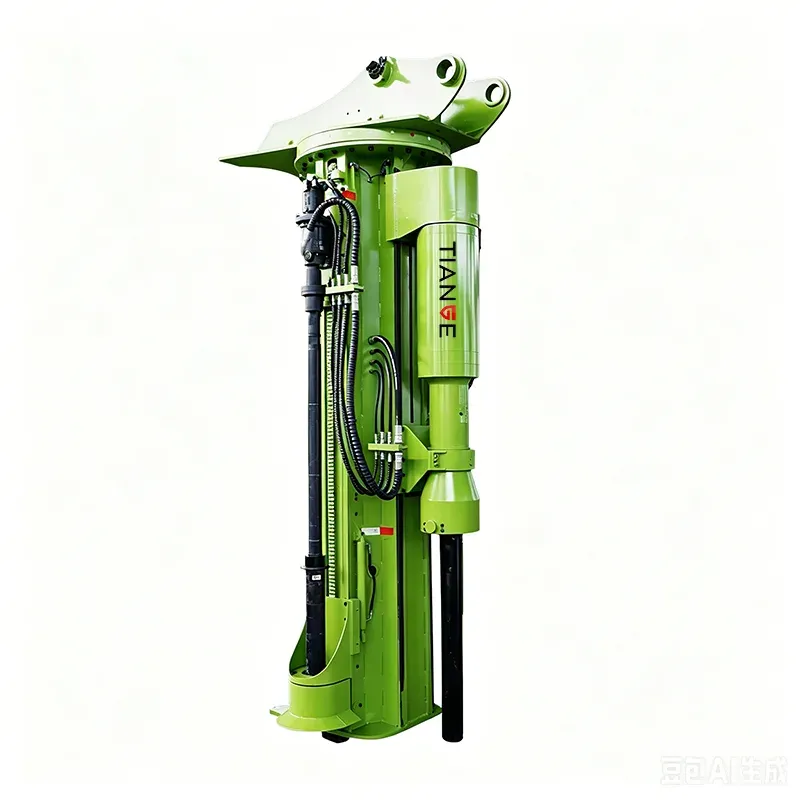
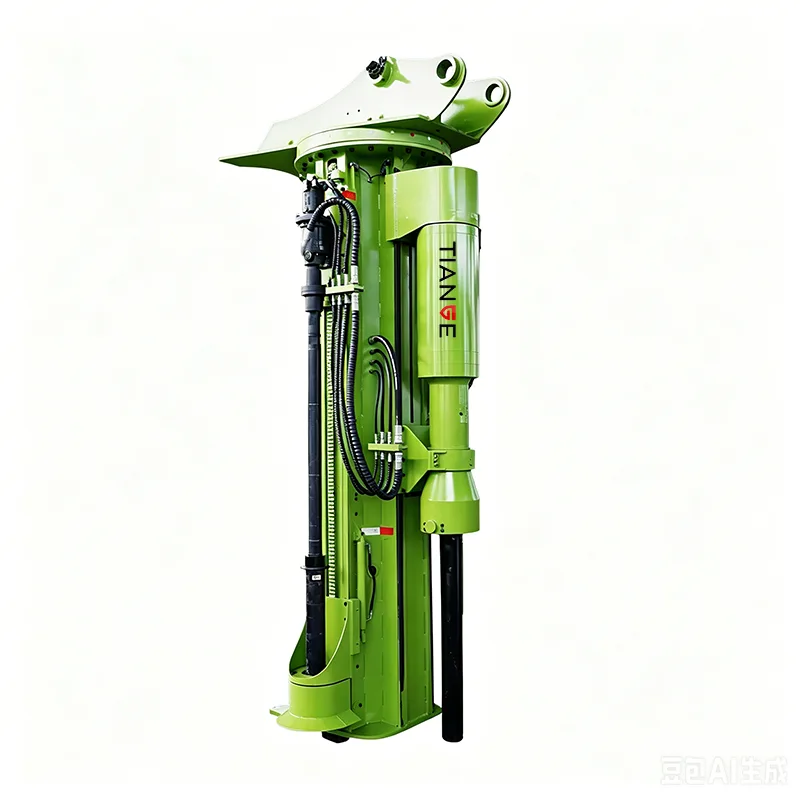
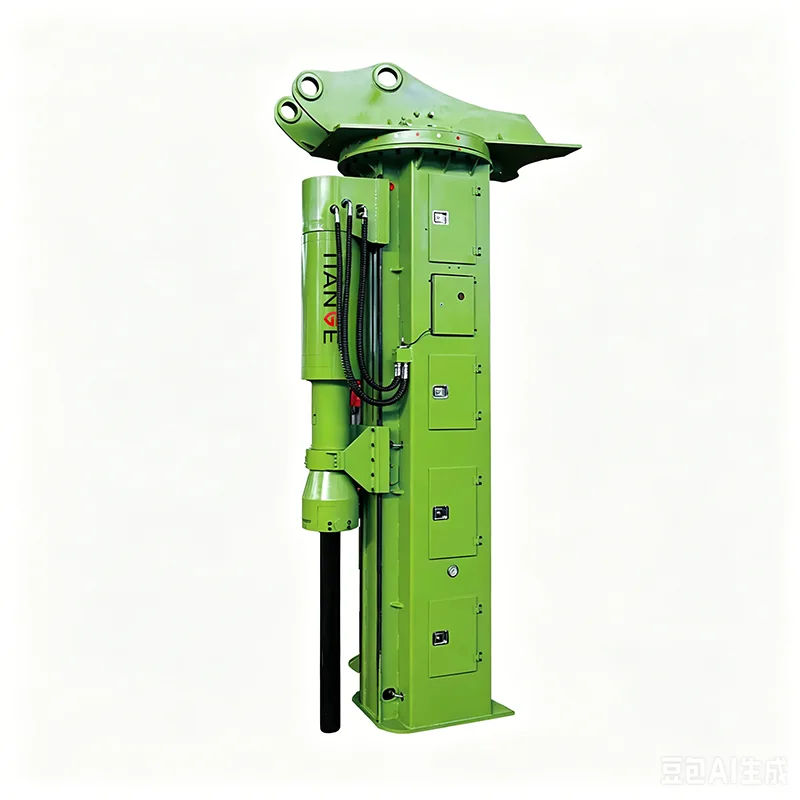
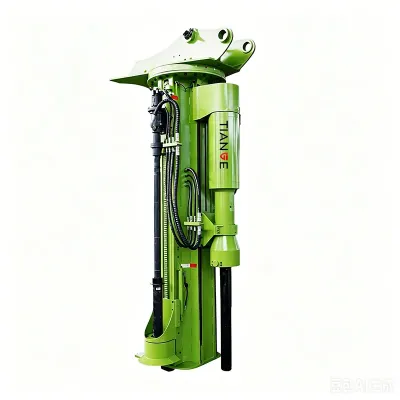
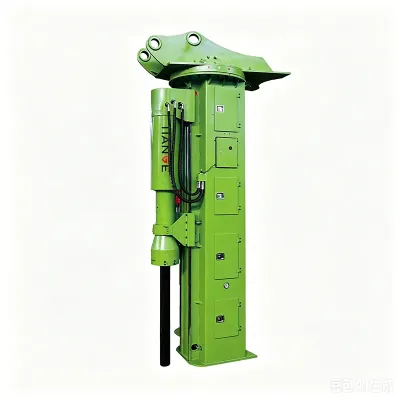
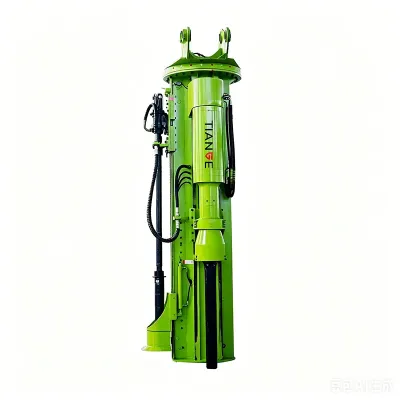
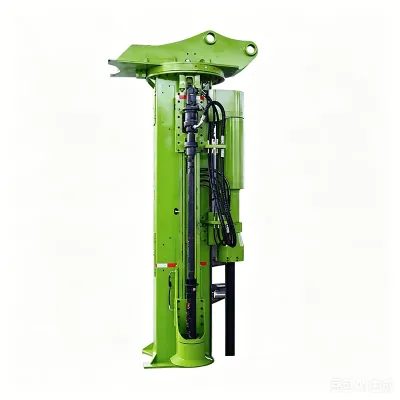
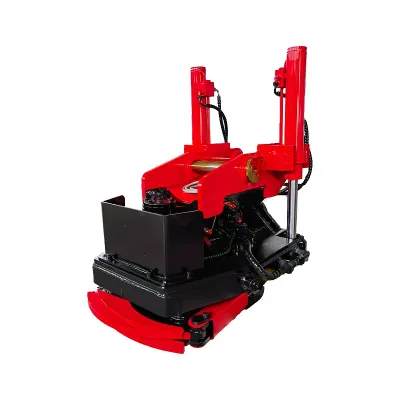
The TGEC Integrated Hydraulic Rock Drill & Splitter combines rock drilling and mechanical splitting into a single excavator-mounted attachment. Three models cover 20 to 50 ton excavators with drilling diameters from 115 to 155 mm, dual 360-degree rotation, wireless remote control and built-in dust removal for quarrying, mining, tunneling and non-blasting rock excavation.
Product Name: Rock Drill & Splitter Attachment / Hydraulic Rock Drilling and Splitting Machine / Excavator Rock Drill Splitter / Integrated Rock Drill Splitter Unit / Drill-Splitter Combo / Excavator-Mounted 2-in-1 Drilling & Splitting Attachment
Type: Drill-splitter combo
After-sales Service: Provided
Warranty: 1 Year
Customization: Available
Shipping Cost: Negotiate with us about shipping cost and estimated delivery time.
Get a quote
Overview
FAQ

Product Overview

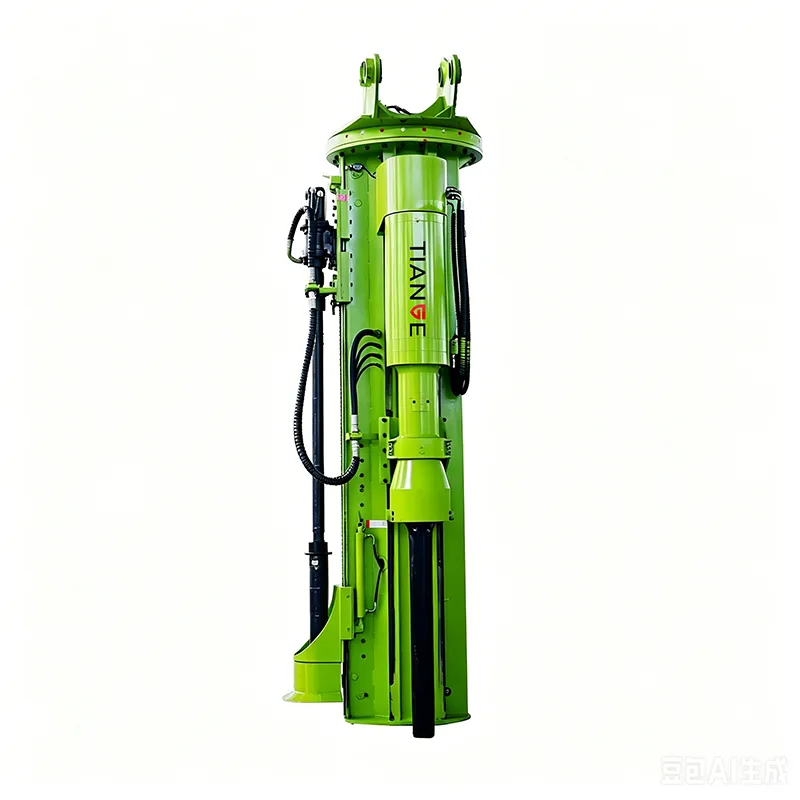
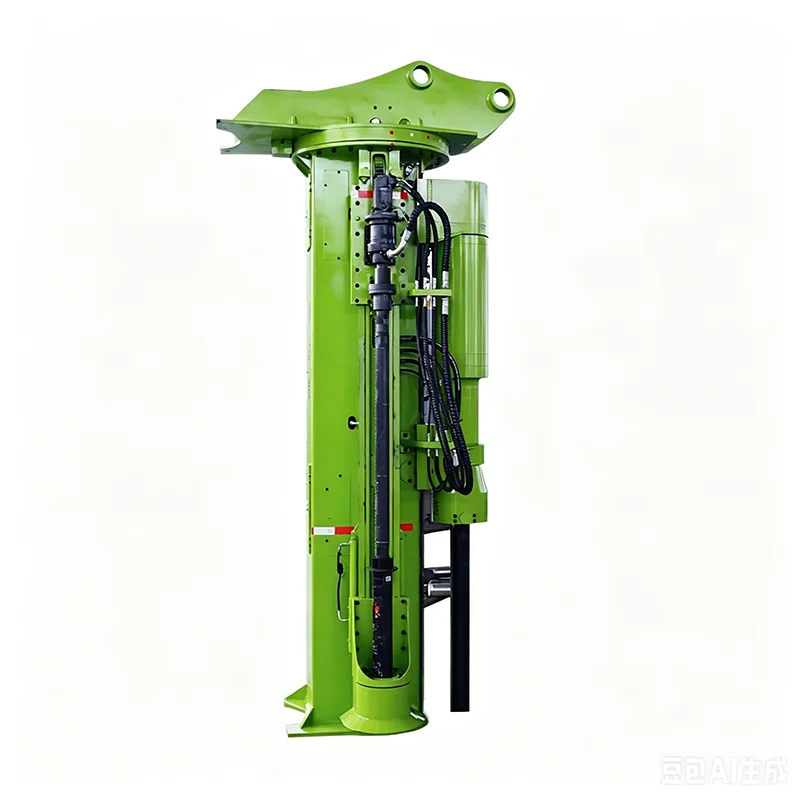
In traditional hard‑rock work, you’d need a drill rig to open the hole and then a separate splitter to crack the material. The TGEC integrated unit merges those two jobs onto one excavator—no switching machines, no wasted time. A single operator, working from a wireless remote, positions the drill, bores the hole, swings the splitter head into place, and drives the wedge to break the rock along a clean, controlled line.

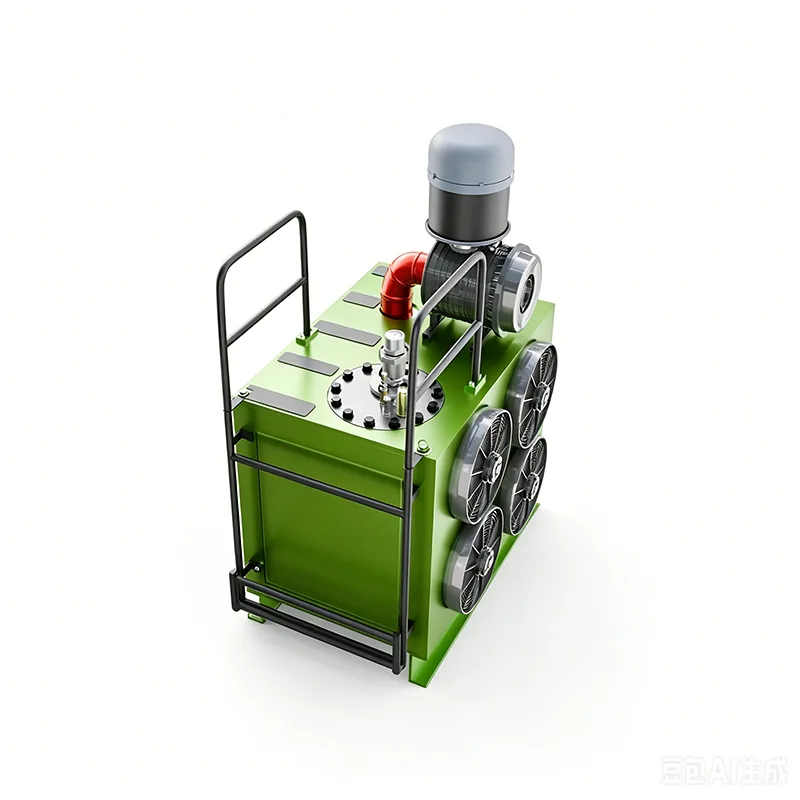
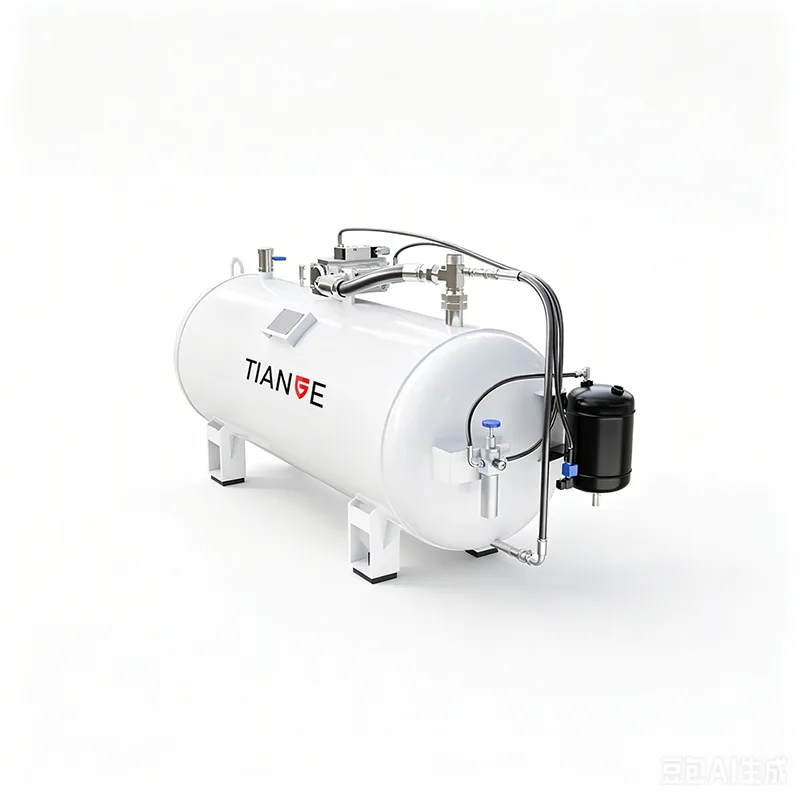
The attachment replaces the bucket and runs off the auxiliary hydraulic circuit. An onboard full‑hydraulic air compressor delivers air for dust control and hole cleaning, while a load‑sensing electro‑hydraulic system automatically adjusts drill feed, rotation speed, and splitting force. Both the main frame and the splitter head rotate a full 360 degrees without limit, so you can tackle vertical walls, overhead surfaces, and sloped faces without moving the carrier. The dust suppression system uses air‑pressure balanced jet technology to capture dust at the source with no added power draw. As part of the TGEC excavator rock drill and splitter family, three sizes cover the full mid‑to‑large excavator spectrum.
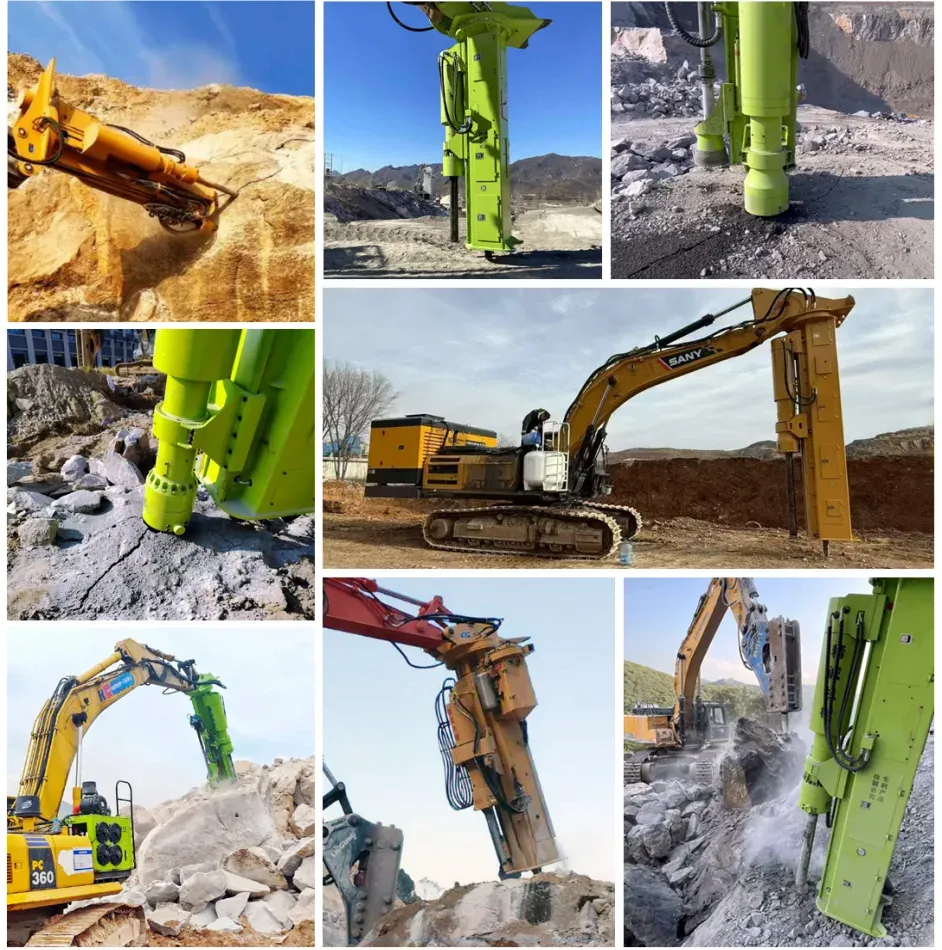
TGEC Integrated Hydraulic Rock Drill & Splitter mounted on excavator, combining drilling and rock splitting in one attachment for quarrying and mining

Available Configurations & Models

Three models are available for excavators from 20 to 50 tons. All dimensions and performance data are shown in metric units with imperial equivalents in parentheses.

ParameterTG-RDS115TG-RDS130TG-RDS152
Compatible Excavator Class20 t (22 ton)30–36 t (33–40 ton)30–50 t (33–55 ton)
Host ModelDP–280DP–300DP–320
Overall Length × Width × Height4.0 × 1.6 × 1.7 m (13.1 × 5.2 × 5.6 ft)4.2 × 1.6 × 1.8 m (13.8 × 5.2 × 5.9 ft)4.8 × 1.7 × 2.2 m (15.7 × 5.6 × 7.2 ft)
Total Weight3.2 t (3.5 ton / 7,055 lb)4.1 t (4.5 ton / 9,039 lb)4.85 t (5.3 ton / 10,692 lb)
Drilling Hole Diameter115 mm (4.5 in)132 mm (5.2 in)155 mm (6.1 in)
Maximum Drilling Depth1.4 m (4.6 ft)1.6 m (5.2 ft)1.95 m (6.4 ft)
Drilling Speed0.8 m/min (2.6 ft/min)0.8 m/min (2.6 ft/min)0.8 m/min (2.6 ft/min)
Rated Hydraulic Flow210 L/min (55 gpm)240 L/min (63 gpm)280 L/min (74 gpm)
Air Compressor Saturation Flow240 L/min (63 gpm)300 L/min (79 gpm)400 L/min (106 gpm)
Max Air Compressor Displacement15 m³/min (530 cfm)17 m³/min (600 cfm)21 m³/min (742 cfm)
Rated Thrust3,200 kg (31.4 kN / 7,055 lbf)3,800 kg (37.3 kN / 8,378 lbf)6,000 kg (58.8 kN / 13,228 lbf)
Splitting Cycle Time8 s8 s10 s
Wedge Length1,050 mm (41.3 in)1,200 mm (47.2 in)1,500 mm (59.1 in)
Wireless Remote ControlStandardStandardStandard
Main Frame 360° RotationStandardStandardStandard
Splitter Head 360° RotationStandardStandardStandard
Adjustable Frame HeightStandardStandardStandard
Non-Destructive Dust RemovalStandardStandardStandard
Automatic Displacement CompensationStandardStandardStandard
Air Compressor BufferStandardStandardStandard

Table data is for reference only. Actual specifications may vary based on the final configuration. Please contact the TianGe technical team for details.

Series-Wide Technical Highlights

  • Integrated drill‑and‑split design lets one excavator do both jobs, eliminating the need for separate drilling and splitting equipment.

  • Unrestricted 360‑degree rotation on both the main frame and splitter head means you can drill and split on vertical, overhead, and angled surfaces without repositioning the machine.

  • Wireless remote control enables a single operator to run the excavator, drill, and air compressor from a safe distance, reducing exposure to debris.

  • Non‑destructive dust removal uses air‑pressure balanced jet technology to capture dust at the source with no extra energy consumption.

  • Automatic displacement compensation adjusts splitting force continuously during the wedge stroke, maintaining steady pressure as the rock fractures.

  • Rolled integrated reinforced frame with adjustable height adapts to various working heights and ground conditions across all three models.

Excavator Compatibility Guidance

TGEC integrated rock drill and splitter models are sized for excavators from 20 to 50 tons. The TG-RDS115 is built for 20‑ton carriers, the TG-RDS130 fits 30‑ to 36‑ton machines, and the TG-RDS152 handles 30‑ to 50‑ton excavators. Every unit needs an auxiliary hydraulic circuit that can deliver adequate flow and pressure to run the drill, splitter, and onboard air compressor simultaneously. Required flow ranges from 210 to 280 L/min depending on the model, while air compressor displacement falls between 15 and 21 m³/min.

Final fit depends on the excavator's auxiliary hydraulic capacity, mounting bracket geometry, and pin dimensions. The machine's lift capacity at the working reach must accommodate the attachment weight (3.2 to 4.85 tons) plus the expected drilling and splitting loads. When placing an order, provide the excavator make and model, operating weight, auxiliary hydraulic flow and pressure, pin‑to‑pin spacing, and pin diameter. The TGEC engineering team will confirm the correct model and supply a custom mounting bracket matched to your machine. If you use a quick coupler, we can also design the bracket to fit that interface. For a complete selection guide, see How to Choose an Excavator Rock Drill and Splitter for Hard Rock Excavation.

Typical Applications

  • Quarrying and dimension stone: Drill and split large blocks in granite, marble and limestone quarries without blasting, preserving stone grain quality and reducing waste from explosive fracture.

  • Mining and underground excavation: Break hard ore and rock in tunnel headings where blasting is restricted by ventilation, ground control or proximity to existing structures.

  • Tunneling and shaft sinking: Process rock in confined environments where breaker vibration and noise must be minimized, and where controlled fracture direction is critical for tunnel profile.

  • Demolition and foundation work: Split reinforced rock, concrete foundations and bedrock during building demolition, basement excavation and site preparation in urban areas.

  • Non-blasting rock excavation: Process hard rock near pipelines, utilities, buildings and environmentally sensitive zones where blasting is prohibited or heavily restricted.

  • Road and railway construction: Split rock cuts, trench rock and slope stabilization material in right-of-way construction where controlled breaking reduces flyrock and vibration.

For a comparison of drilling and splitting with hydraulic breaking, see Rock Drill and Splitter vs. Hydraulic Breaker: Which Method Fits the Job?.

Working Principle

The integrated drill‑splitter runs through a straightforward four‑step sequence: position and drill the hole to depth while onboard air clears cuttings, retract and rotate the main frame 180 degrees to bring the splitter head into line, insert the wedge and apply hydraulic force to expand the counter‑wedges and break the rock, then retract and move on to the next hole. An automatic displacement compensation valve keeps splitting pressure steady as the rock fractures, and dual 360‑degree rotation lets you work vertical, overhead, and angled faces without repositioning the excavator. For a more detailed walkthrough of the full sequence, see How Does an Excavator Rock Drill and Splitter Work?.

Wear Parts & Service Support

The main wear components are the drill steel and bit, the splitter wedge and counter‑wedges, the pivot pins and bushings at the rotation joints, and the hydraulic hoses that flex across the rotating frame. Inspect the drill steel and bit after each shift for wear, cracking, or thread damage. Check wedges regularly for chipping and deformation—worn wedges reduce splitting efficiency and can cause uneven fracture. Grease the rotation bearings according to the maintenance schedule and inspect hoses for abrasion or leaks. The onboard air compressor needs periodic filter changes and oil level checks, and the dust removal nozzles should be cleaned regularly to maintain effective suppression. With routine care, the system delivers dependable performance in the most demanding rock conditions.

Dealer & Bulk Orders

TGEC supplies integrated rock drill and splitter systems directly to equipment dealers, mining contractors, quarry operators, and qualified OEM partners with factory‑direct production. Dealer and bulk‑supply programs can be arranged based on model selection, order volume, machine requirements, and project specifications. OEM and private‑label options are also available—we can accommodate custom paint, branding, and packaging subject to production feasibility. Custom mounting brackets, frame height adjustments, and region‑specific hydraulic connection configurations can be developed for particular excavator brands and market needs. Contact our OEM sales team with your configuration requirements, target quantity, and market details to discuss volume pricing, lead times, and supply terms.

Request a Quote — Integrated Hydraulic Rock Drill & Splitter

Tell us your excavator make and model, operating weight, auxiliary hydraulic flow and pressure, pin spacing and pin diameter, mounting or coupler type, preferred model (TG-RDS115, TG-RDS130 or TG-RDS152), primary application (quarrying, mining, tunneling, demolition, non-blasting excavation), rock type and typical hardness, and the quantity you need. Our team will confirm the right model and mounting bracket, verify the drilling diameter and wedge length for your rock conditions, and send you a quote based on your specs and delivery terms.

Dealer and OEM inquiries: Contact TGEC to discuss volume supply, custom configurations, private-label requirements and long-term sourcing programs for integrated rock drill and splitter systems.
Frequently Asked Questions

What is an integrated hydraulic rock drill and splitter?+

An integrated hydraulic rock drill and splitter is a single excavator-mounted attachment that performs both rock drilling and mechanical rock splitting in one unit. It first drills a hole into the rock using a hydraulic drill, then rotates a splitter head into alignment and drives a wedge into the drilled hole to fracture the rock with controlled mechanical force. Unlike separate drilling and splitting equipment that requires two machines or repositioning, the integrated system completes both operations on one excavator, reducing equipment count, labor and cycle time for hard-rock processing in quarrying, mining, tunneling and non-blasting excavation.

How does an excavator rock drill and splitter work?+

The system operates in a four-step sequence. First, the operator positions the drill head and bores a hole to the required depth, with on-board compressed air clearing cuttings and suppressing dust. Second, the drill retracts and the main frame rotates to align the splitter head with the hole. Third, the splitter wedge inserts into the hole and hydraulic force drives the wedge, expanding counter-wedges to fracture the rock. Fourth, the wedge retracts and the unit repositions for the next hole. The automatic displacement compensation valve maintains consistent splitting force as the rock fractures, and dual 360-degree rotation allows work on any face angle without repositioning the excavator.

What is the difference between an integrated rock drill and splitter and a standalone rock splitter?+

A standalone rock splitter only performs the splitting function and requires pre-drilled holes from a separate drilling machine, which means two pieces of equipment, two operators and the time to move between drill and splitter operations. An integrated rock drill and splitter combines both functions on one excavator, so a single operator drills the hole and splits the rock in one continuous sequence without changing equipment. The integrated unit also includes an on-board air compressor for dust removal and cuttings clearing, while a standalone splitter relies on a separately drilled hole that may have been prepared with different equipment and tolerances.

Can one excavator perform both drilling and rock splitting with this attachment?+

Yes. The integrated attachment is designed so that one excavator performs both the drilling and splitting operations. The unit mounts to the excavator boom in place of the bucket and uses the auxiliary hydraulic circuit to power the drill, splitter and on-board air compressor. A single operator using wireless remote control positions the drill, bores the hole, then rotates the splitter head into alignment and drives the wedge to split the rock. There is no need to switch attachments, move to a second machine, or hand off the work between operators.

What type of rock is an integrated drill and splitter designed to process?+

The integrated drill and splitter is designed to process hard and medium-hard rock types including granite, basalt, limestone, marble, sandstone, quartzite and other competent rock formations that are difficult or expensive to break with hydraulic breakers alone. It is particularly effective in rock where controlled fracture direction is important, such as dimension stone quarrying where preserving the grain and block shape matters, and in tunneling where the fracture profile must follow the designed tunnel outline. The system can also process reinforced concrete and bedrock in demolition and foundation work. Very soft rock or highly fractured material may not require drilling and splitting, and a breaker or bucket may be more economical.

Is an integrated rock drill and splitter suitable for non-blasting rock excavation?+

Yes. Non-blasting rock excavation is one of the primary applications for the integrated drill and splitter. In urban areas, near pipelines and utilities, adjacent to existing structures, and in environmentally sensitive zones where blasting is prohibited or heavily restricted, the system provides a controlled alternative that fractures rock mechanically without explosives, flyrock, ground vibration or air blast. The wireless remote control also allows the operator to stand at a safe distance from the rock face, further improving safety in confined or sensitive work areas. The system produces less noise and vibration than a hydraulic breaker for equivalent rock-breaking production, making it suitable for work near residential areas and noise-sensitive sites.

How is an integrated rock drill and splitter mounted to an excavator?+

The unit mounts to the excavator boom in place of the bucket, using a custom mounting bracket matched to the excavator pin spacing, pin diameter and linkage geometry. The bracket connects to both the boom pin and the bucket linkage, and the auxiliary hydraulic hoses connect to the unit hydraulic manifold to supply flow for the drill, splitter and air compressor. Installation involves removing the bucket, aligning the bracket with the boom and linkage, installing the pins, and connecting the hydraulic hoses. The unit can be configured for mechanical or hydraulic quick-coupler compatibility. When ordering, provide the excavator make and model, operating weight, pin-to-pin spacing, pin diameter, stick width and auxiliary hydraulic specifications so the correct bracket is supplied.

What excavator information should I provide when requesting a rock drill and splitter?+

When requesting a rock drill and splitter, provide the excavator make and model, operating weight in tons, auxiliary hydraulic flow in L/min and pressure in bar, pin-to-pin spacing at the boom-to-bucket connection, pin diameter, stick width, and whether the machine uses a mechanical or hydraulic quick coupler. Also specify the primary application (quarrying, mining, tunneling, demolition, non-blasting excavation), the rock type and approximate hardness, the required drilling diameter and depth, and the quantity you need. This information allows the TGEC team to confirm the correct model (TG-RDS115, TG-RDS130 or TG-RDS152), verify hydraulic compatibility, and supply the correct mounting bracket for your excavator.

Can the rock drill and splitter be configured for different excavator applications?+

Yes. The system can be configured for different excavator models and applications through custom mounting brackets, quick-coupler interfaces, frame height adjustments and regional hydraulic connection configurations. The three base models (TG-RDS115, TG-RDS130, TG-RDS152) cover 20 to 50 ton excavators, and each can be fitted with a bracket matched to your specific machine. For specialized applications such as underwater work, high-altitude operation or extreme temperature environments, additional configuration options can be evaluated. The adjustable frame height also allows the unit to accommodate different working heights and terrain conditions. Contact the TGEC technical team with your specific application requirements to review available configurations.

Can TianGe provide OEM rock drill and splitter solutions?+

Yes. TGEC offers OEM and private-label programs for integrated rock drill and splitter systems, serving equipment dealers, mining contractors, quarry operators and attachment distributors. OEM customers can configure units with their own brand name, color scheme, packaging and documentation, with flexible minimum order quantities and competitive volume pricing. Custom mounting brackets, frame configurations and regional hydraulic connections can be developed for specific markets or excavator brands. All OEM units undergo the same quality control and testing as TGEC-branded systems. Contact our OEM sales team with your company details, target market, estimated annual volume and configuration requirements to receive a customized OEM proposal.

What information is needed to quote an integrated rock drill and splitter?+

To provide an accurate quotation, we need the excavator make and model, operating weight, auxiliary hydraulic flow and pressure, pin-to-pin spacing and pin diameter, mounting or coupler type, the preferred model (TG-RDS115, TG-RDS130 or TG-RDS152) or your required drilling diameter and depth, the primary application and rock type, the quantity you need, and your destination country for shipping and export documentation. If you are unsure which model fits your excavator, our technical team can recommend the optimal configuration based on your carrier specifications and application requirements. Dealer and OEM inquiries should also include company details, target market and estimated volume for volume pricing.

How should I confirm compatibility before ordering an integrated rock drill and splitter?+

Before ordering, confirm that your excavator operating weight falls within the model range (20 tons for TG-RDS115, 30 to 36 tons for TG-RDS130, 30 to 50 tons for TG-RDS152), that the auxiliary hydraulic circuit provides the required flow (210, 240 or 280 L/min respectively) and sufficient pressure, and that the excavator lift capacity at the working reach can handle the attachment weight (3.2 to 4.85 tons) plus the expected drilling and splitting loads. Verify the pin-to-pin spacing, pin diameter and stick width for the mounting bracket, and confirm whether a quick coupler is in use. Provide all of this information to the TGEC technical team, who will perform a formal compatibility check and confirm the correct model, bracket and any required hydraulic adjustments before production.
Please make sure to include your phone number with the country code (e.g., 86 for China, 1 for USA).