Welcome to the Official Website of TianGe Attachments.

vibratory pile driver

vibratory pile driver

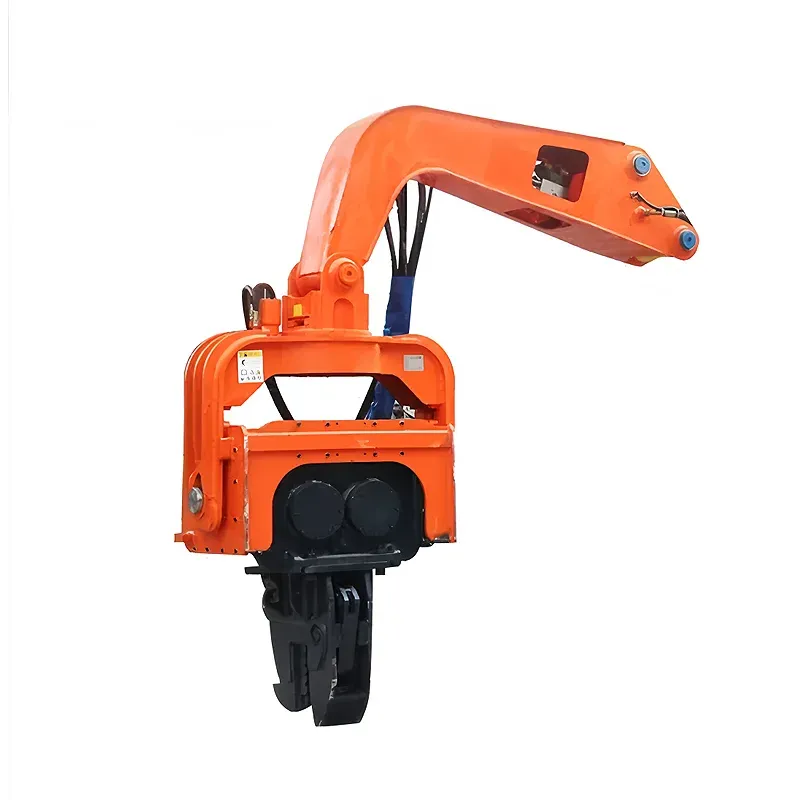
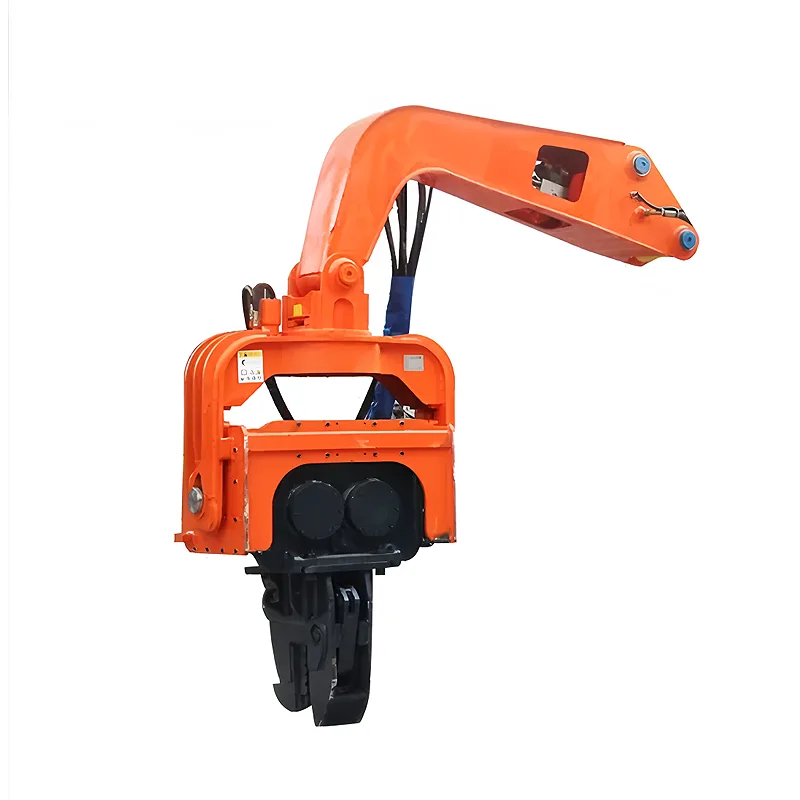
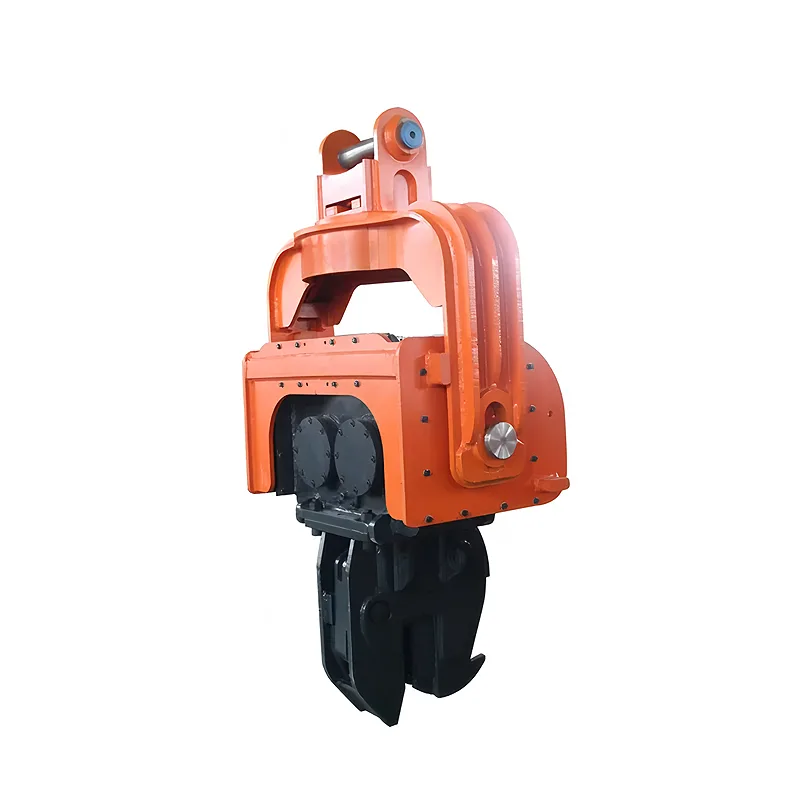
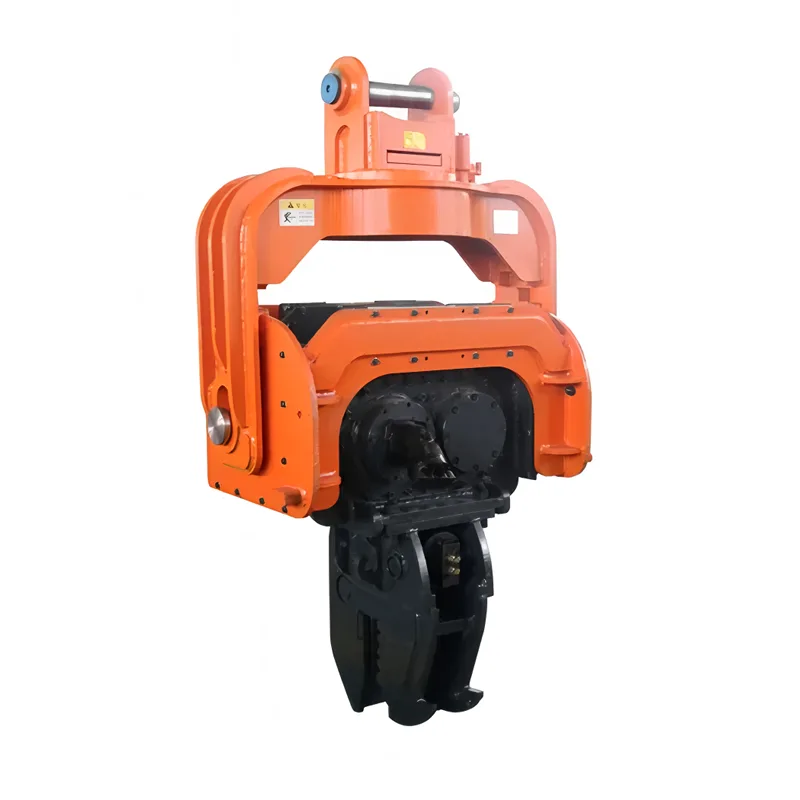
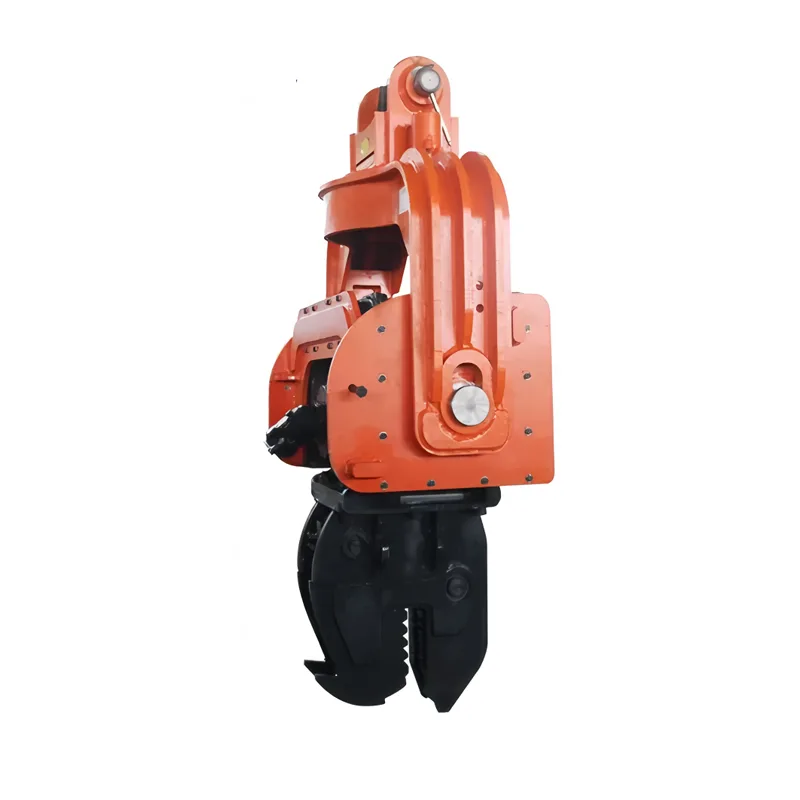
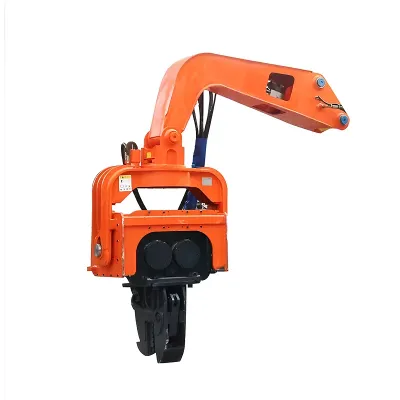
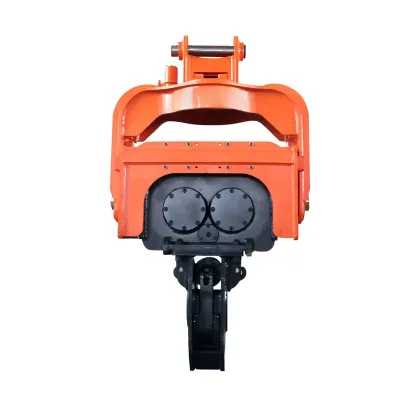
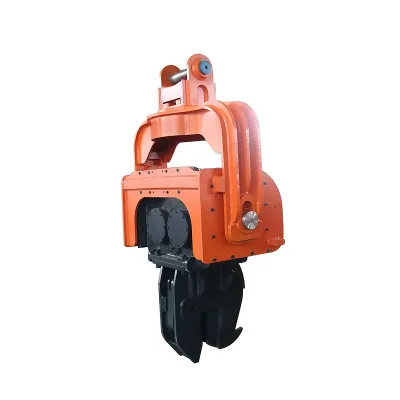
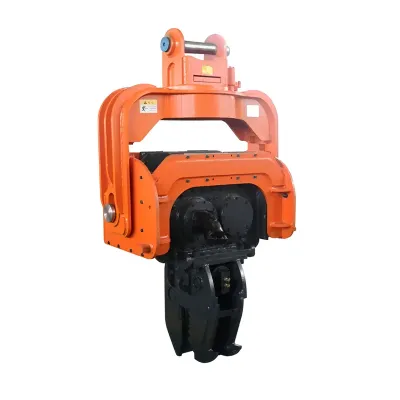
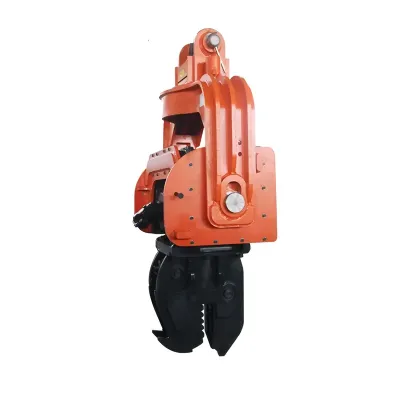
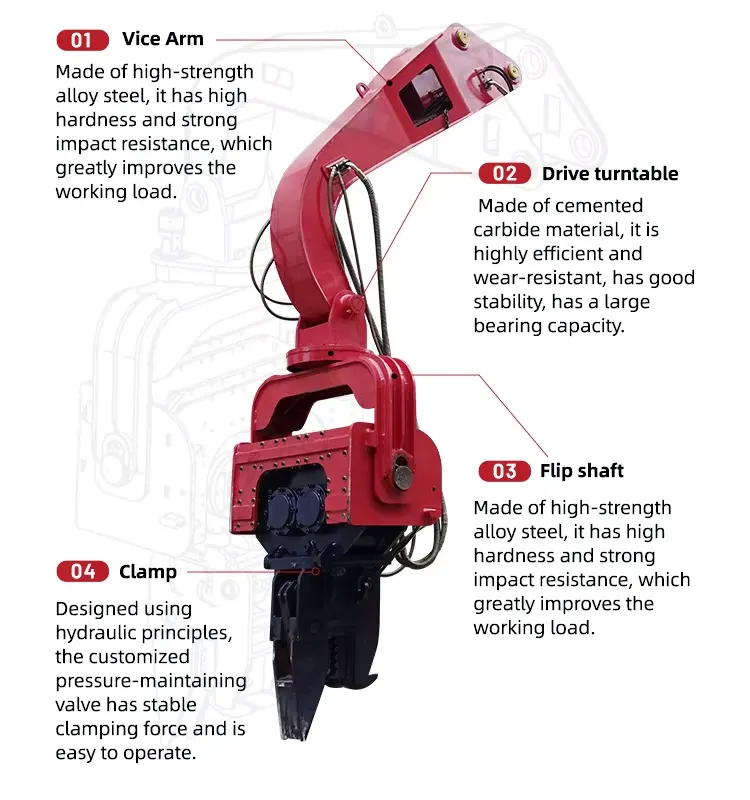
The TGEC vibratory pile driver is a hydraulic excavator-mounted vibro hammer that uses high-frequency vertical vibration to drive and extract steel sheet piles, H-piles, tubular piles and pipe sections for foundation, shoring and marine construction work.
Product Name: Vibro hammer / Vibratory pile hammer / Pile extractor / Excavator mounted vibro hammer / Vibratory sheet pile driver / Pile hammer
Type: Pile Hammers
After-sales Service: Provided
Warranty: 1 Year
Customization: Available
Shipping Cost: Negotiate with us about shipping cost and estimated delivery time.
Get a quote
Overview
FAQ

Product Overview

An excavator vibratory pile driver — often called a vibro hammer or vibratory pile hammer — is a hydraulic attachment that hooks onto the excavator boom and uses counter-rotating eccentric weights to deliver vertical vibration straight to the pile head. That vibration momentarily liquefies the adjacent soil and cuts down skin friction, so the pile sinks under the combined weight of the attachment and pile itself, or pulls free when the boom lifts during extraction. For many soil types, this method outruns impact hammers and generates far less ground vibration than diesel rigs. It's a go-to choice for sheet pile walls, cofferdams, foundation piles, and marine bulkheads. The same unit typically handles both driving and extraction, making it equally useful for temporary shoring and permanent foundations.

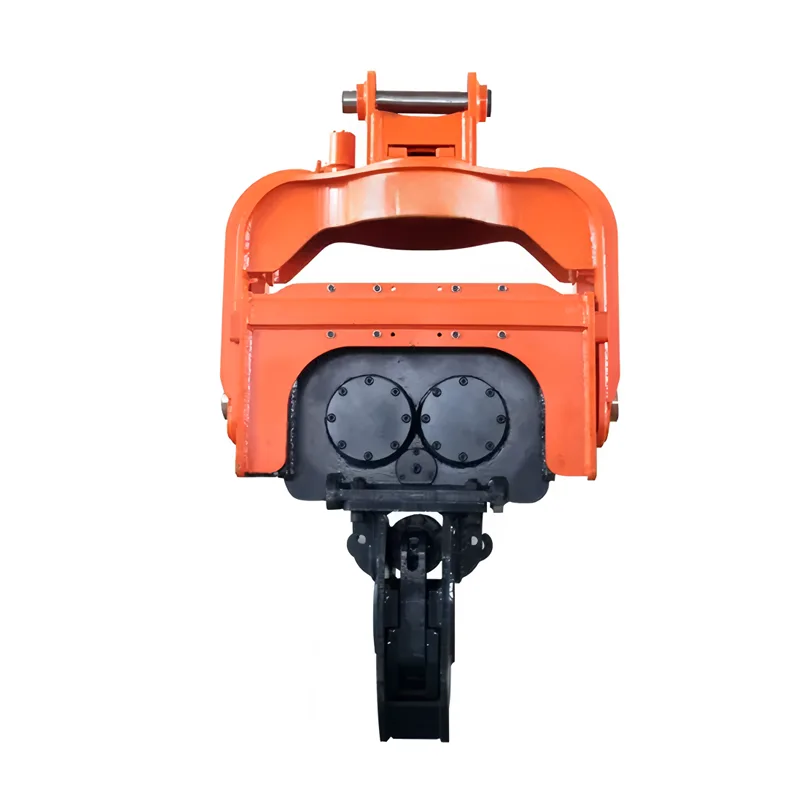
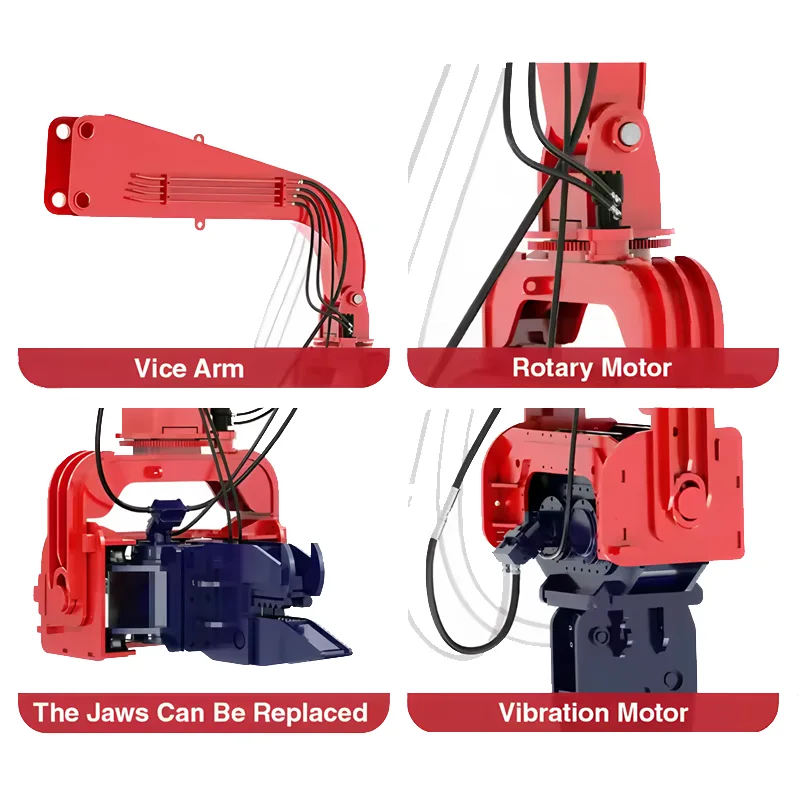
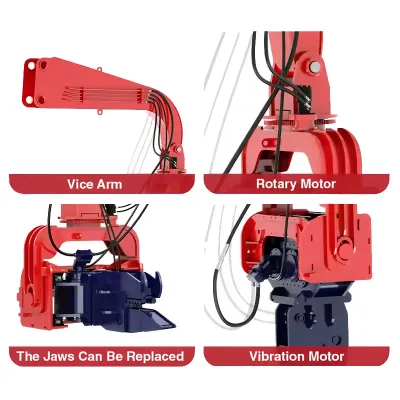
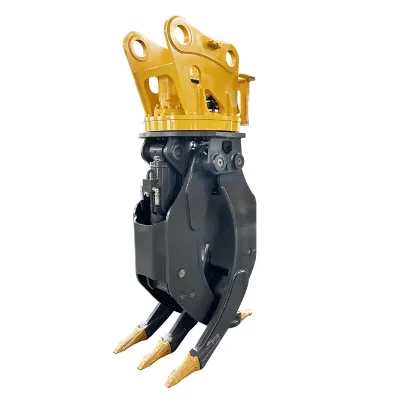
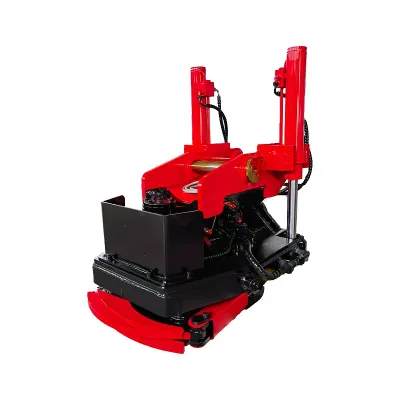
TGEC offers five vibratory pile driver models that cover excavators from 12 to 65 tons, with centrifugal force ranging from 172 to 750 kN and operating weights between 1560 and 3650 kg. Every model comes with a rugged vibratory housing, a high-performance hydraulic motor, a top clamp or chuck for gripping the pile, and a suspension system that shields the excavator boom from vibration. For tight spots or low overhead where a top-grip hammer won't fit, the side-grip pile driver offers a different clamping approach. Both product lines are included in the full excavator pile drivers range.
TGEC excavator-mounted vibratory pile driver performing sheet-pile driving on construction jobsite

Technical Specifications

The table below lists confirmed specs for all five vibratory pile driver models. Choosing the right one depends on your excavator's operating weight, available auxiliary hydraulic flow, pile size and weight, and the soil conditions you're working in.

ParameterTG-VP120TG-VP180TG-VP250TG-VP300TG-VP380
Compatible Excavator Class12–17 t (13.2–18.7 ton)18–25 t (19.8–27.5 ton)30–40 t (33–44 ton)40–50 t (44–55 ton)40–65 t (44–71.5 ton)
Eccentric Moment32 Nm (23.6 lb·ft)36 Nm (26.6 lb·ft)50 Nm (36.9 lb·ft)65 Nm (47.9 lb·ft)85 Nm (62.7 lb·ft)
Centrifugal Force172 kN (38,700 lbf)265 kN (59,600 lbf)420 kN (94,400 lbf)580 kN (130,400 lbf)750 kN (168,600 lbf)
Working Pressure300 bar (4350 psi)300 bar (4350 psi)320 bar (4640 psi)320 bar (4640 psi)320 bar (4640 psi)
Rated Hydraulic Flow120 L/min (31.7 GPM)155 L/min (41.0 GPM)168 L/min (44.4 GPM)210 L/min (55.5 GPM)255 L/min (67.4 GPM)
Attachment Weight1560 kg (3439 lb)2300 kg (5071 lb)3300 kg (7275 lb)3550 kg (7826 lb)3650 kg (8047 lb)

Table data is for reference only. Actual specifications may vary based on the final configuration. Please contact the TianGe technical team for details.

How It Works

The vibratory pile driver ties into the excavator's auxiliary hydraulic circuit, which sends pressurized oil to a hydraulic motor that spins two eccentric weights in opposite directions inside the vibratory housing. Those counter-rotating weights cancel out horizontal forces and generate a clean vertical vibration that travels through the clamp and into the pile top. As that vibration hits the pile, it temporarily reduces soil friction along the shaft and tip, letting the pile settle under the static weight of the attachment and pile — or come back out when the boom lifts while vibration keeps running. From the cab, the operator controls vibration start/stop, clamping force, and vertical positioning, while the boom and crowd functions keep the pile lined up.

Application Scenarios

  • Steel sheet pile installation for permanent retaining walls, cofferdams, flood barriers and basement excavation shoring.

  • Sheet pile extraction for temporary shoring removal, cofferdam decommissioning and reusable pile recovery.

  • H-pile and wide-flange beam driving for building foundations, bridge abutments and structural support piles.

  • Tubular and pipe pile driving for marine bulkheads, quay walls, pier foundations and small waterfront structures.

  • Combination wall installation using sheet piles paired with tubular or H-pile king posts for deep retaining structures.

  • Foundation remediation and underpinning work where vibration driving is preferred over impact hammer noise.

  • Temporary earth retention for pipeline trenches, utility cuts and excavation support in urban environments.

  • Beachfront and riverbank stabilization using sheet pile cut-off walls and scour protection piles.

Installation & Mounting

The vibratory pile driver attaches to the excavator boom through either a pin-on bracket or a quick coupler adapter, with a suspension system sitting between the boom head and the vibratory housing to keep vibration away from the carrier. Before you install, confirm the excavator make and model, operating weight, pin-to-pin spacing, pin diameter, coupler type, and available auxiliary hydraulic flow and pressure. The attachment needs a dedicated high-flow auxiliary circuit for the vibratory motor, and if your model has hydraulic clamping, a separate circuit for that function. Our technical team checks compatibility and supplies the right mounting bracket, hose kit, pressure settings, and any counterweight recommendations needed for your particular excavator setup.

Wear & Service

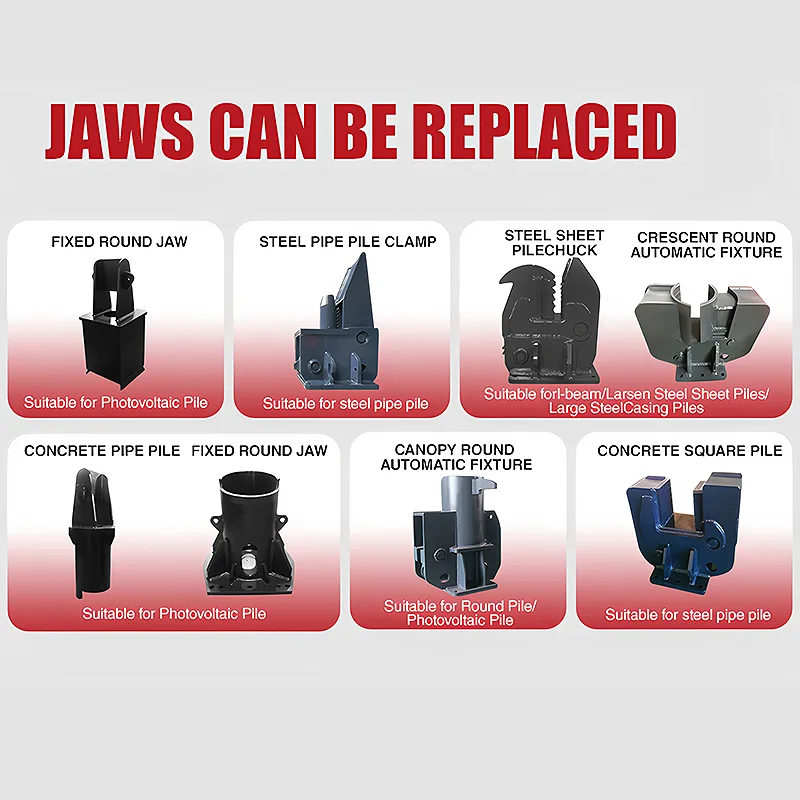
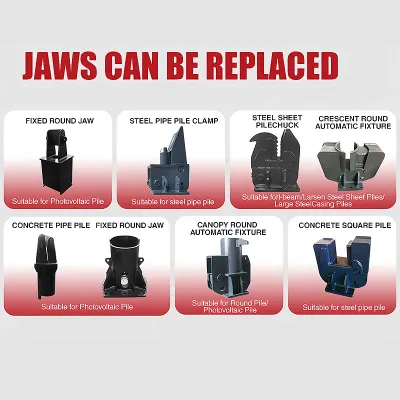
The main wear items on a vibratory pile driver are the clamp jaws or chuck inserts, clamp pins and bushings, eccentric weight bearings, hydraulic motor, vibration isolation rubbers, and high-pressure hydraulic hoses. Inspect the clamp jaws before every shift for wear, cracks, or loss of gripping surface, and swap them out if the pile slips during driving or extraction. Check clamp pins and bushings for play, grease all lube points per the maintenance schedule, and look over the vibration isolation rubbers for cracking or compression set. Keep an ear on the hydraulic motor and bearing housing for odd noises, overheating, or oil leaks, and examine hoses for abrasion and leaks near the vibratory unit. Genuine replacement jaw sets, bearings, isolation rubbers, and seal kits are available for all TG-VP models.

Dealer & Bulk Orders

TGEC supplies vibratory pile drivers and vibro hammers to equipment dealers, foundation contractors, rental companies, and marine construction firms through factory-direct OEM and private-label programs. Bulk orders can be configured with custom mounting brackets, clamp profiles, branding, and packaging to match dealer or distributor needs. Reach out to our OEM sales team with your target models, estimated quantities, and market specs to discuss volume pricing, lead times, and supply terms.

Request a Quote

To get a quote, send us your excavator make and model, operating weight, auxiliary hydraulic flow and pressure, pin-to-pin spacing and pin diameter, coupler type, the pile types and sizes you plan to drive or extract, and which model you're interested in (TG-VP120, TG-VP180, TG-VP250, TG-VP300 or TG-VP380). Our team will verify compatibility and forward a detailed quotation with pricing and delivery lead time.
Frequently Asked Questions

What is an excavator vibratory pile driver?+

An excavator vibratory pile driver is a hydraulic attachment, also called a vibro hammer or vibratory pile hammer, that mounts to the excavator boom and uses high-frequency vertical vibration to drive piles into the ground or extract them. It grips the top of the pile through a clamp or chuck and transfers vibration from counter-rotating eccentric weights into the pile, reducing soil friction and allowing penetration or extraction under boom force. It is commonly used for sheet piles, H-piles and tubular piles in foundation and marine construction.

How does an excavator-mounted vibratory pile driver work?+

The attachment is powered by the excavator auxiliary hydraulic circuit, which drives a hydraulic motor connected to two eccentric weights rotating in opposite directions. The counter-rotating weights produce a pure vertical vibration that travels through the clamp into the pile head. This vibration temporarily reduces soil friction around the pile, allowing it to sink under the weight of the attachment and pile during driving, or to be pulled out when the boom lifts while vibration continues. The operator controls vibration, clamping and positioning from the cab.

What types of piles can a vibratory pile driver be used for?+

Vibratory pile drivers are commonly used with steel sheet piles of various profiles, H-piles and wide-flange beams, rectangular hollow sections, circular tubular piles and pipe piles. They can also handle combination wall systems that pair sheet piles with tubular or H-pile king posts. The suitability depends on the pile weight, section dimensions, clamp compatibility and soil conditions. Very heavy or large-diameter piles may require a higher-force model, and non-steel piles such as concrete or timber are generally not suitable for vibratory driving.

Can a vibratory pile driver be used for sheet pile installation?+

Yes, sheet pile installation is one of the most common applications for a vibratory pile driver. The attachment clamps the top of the sheet pile panel and uses vertical vibration to reduce soil friction, allowing the panels to penetrate efficiently and interlock with adjacent sheets. Vibratory driving is faster and produces less noise than impact hammer methods for many soil types, making it suitable for urban sheet pile walls, cofferdams, flood barriers and basement shoring. The same attachment can later extract the sheets when temporary shoring is removed.

Can a vibratory pile driver be used for pile extraction?+

Yes, a vibratory pile driver can extract piles by gripping the pile head, activating vibration to break the soil friction bond, and lifting with the excavator boom while vibration continues. This makes the attachment versatile for both permanent installation and temporary shoring removal, such as extracting sheet piles from cofferdams or trench support after construction is complete. Extraction performance depends on the pile length, soil type, embedment depth and the excavator lifting capacity. Longer or more deeply embedded piles may require a higher-force model or assistance from additional equipment.

What excavator factors should be checked before selecting a vibratory pile driver?+

Before selecting a model, confirm the excavator operating weight falls within the compatible carrier class, since each TG-VP model is rated for a specific tonnage range. Check that the auxiliary hydraulic circuit can deliver the required flow and pressure, because insufficient flow reduces vibration amplitude and driving performance. Evaluate the boom lifting capacity at the working radius with the attachment weight plus pile weight, and verify the counterweight configuration can handle the load. Also confirm the cab has proportional auxiliary controls, the hydraulic cooling system supports continuous high-flow operation, and the mounting interface matches the pin geometry or quick coupler.

What hydraulic requirements should be reviewed before installation?+

Review the required hydraulic flow and pressure for the selected model against the excavator auxiliary circuit output, because the vibratory motor needs a specific flow range to achieve rated vibration frequency and centrifugal force. Confirm the circuit has sufficient capacity for continuous operation without overheating, and check that the hydraulic oil type, viscosity and filtration rating match the attachment specifications. Verify the number of auxiliary functions available, since models with hydraulic clamping require a separate circuit for the clamp in addition to the vibratory motor. Check that hose routings avoid high-heat areas and pinch points, and that the return line can handle the flow without backpressure.

What mounting interface should be checked before fitting a pile driver?+

Check the excavator boom head geometry, including pin-to-pin spacing, pin diameter, boom plate width and the distance between stick and link pins, to ensure the mounting bracket or coupler adapter fits correctly. If a quick coupler is installed, confirm the coupler brand, model and wedge dimensions, because adapter plates vary by manufacturer. Verify that the boom and stick can accommodate the attachment weight plus dynamic loads without exceeding the machine rated lifting capacity. Also check that the mounting bracket includes a vibration isolation system between the boom head and the vibratory housing to protect the excavator structure from transmitted vibration.

Can a vibratory pile driver be used with a mini excavator?+

Yes, smaller vibratory pile driver models can be used with mini and compact excavators, provided the machine operating weight, auxiliary hydraulic flow and lifting capacity meet the minimum requirements for the selected model. The TG-VP120 is compatible with excavators from 12 to 17 tons, which covers many compact and mid-size machines used for utility work, small foundations and light sheet piling. For smaller mini excavators below 12 tons, a lighter and lower-flow attachment may be required, and the pile size and depth will be limited by the machine capacity. Always confirm compatibility with the technical team before selecting a model for a mini excavator.

What should be inspected before operating a vibratory pile driver?+

Before each operation, inspect the clamp jaws or chuck for wear, cracks and secure mounting, and verify that the clamping mechanism opens and closes smoothly. Check all hydraulic hoses and fittings for leaks, abrasion and secure connections, especially near the vibratory housing where movement is greatest. Inspect the vibratory housing and motor for oil leaks, and check that the vibration isolation rubbers are intact and not compressed or cracked. Verify that all grease points have been lubricated, that mounting pins and bolts are torqued to specification, and that the pile is properly aligned and seated in the clamp before starting vibration. Also confirm the excavator hydraulic oil level and temperature are within normal range.

Which wear components require regular inspection?+

The most frequently replaced wear components are the clamp jaw inserts or chuck teeth, which grip the pile and wear down with repeated use. Clamp pins and bushings also wear over time and should be checked for excessive play. The eccentric weight bearings inside the vibratory housing are critical wear items that require periodic inspection for noise, roughness or oil contamination. Hydraulic hoses, particularly those near the moving vibratory unit, should be inspected for abrasion and cracking. The vibration isolation rubbers and hydraulic motor should be checked for compression set, leaks and reduced performance.

What factors affect vibratory pile driver performance on different jobsites?+

Performance is primarily affected by soil type and density, since granular soils such as sand and gravel respond well to vibration while cohesive clays and hard glacial tills may require higher force or pre-drilling. Groundwater level and soil saturation also influence driving resistance, with saturated sands generally being easier to vibrate. Pile factors include section size, weight, length, tip configuration and interlock friction for sheet piles. Equipment factors include the excavator hydraulic flow and pressure, boom lifting capacity, attachment weight and centrifugal force. Site conditions such as overhead clearance, working radius, slope and access also affect how efficiently the operator can position and drive the pile.
Please make sure to include your phone number with the country code (e.g., 86 for China, 1 for USA).