Welcome to the Official Website of TianGe Attachments.

Skid Steer Salt & Sand Spreader

Skid Steer Salt & Sand Spreader

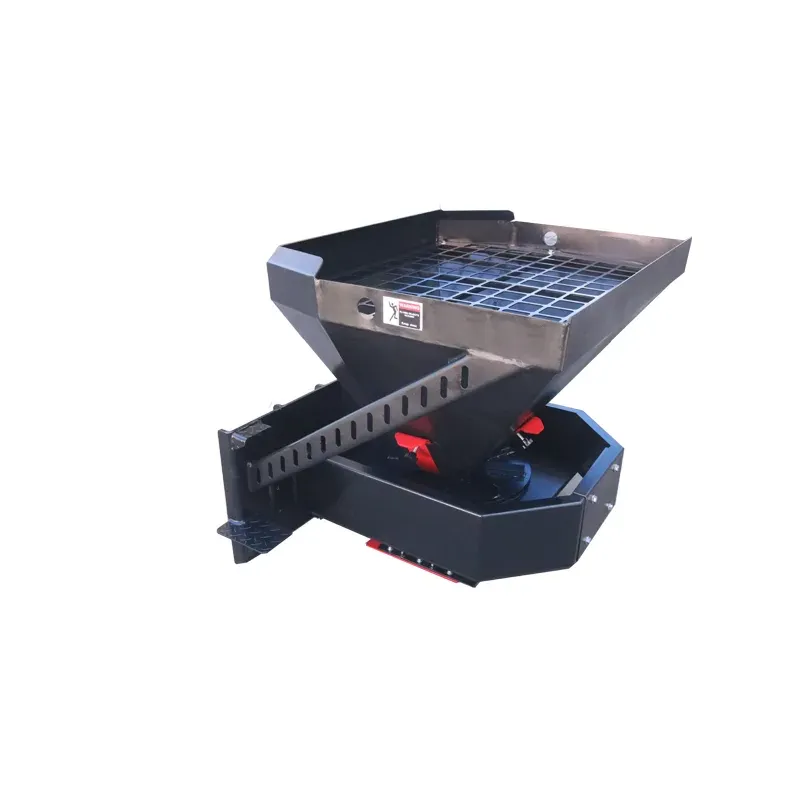
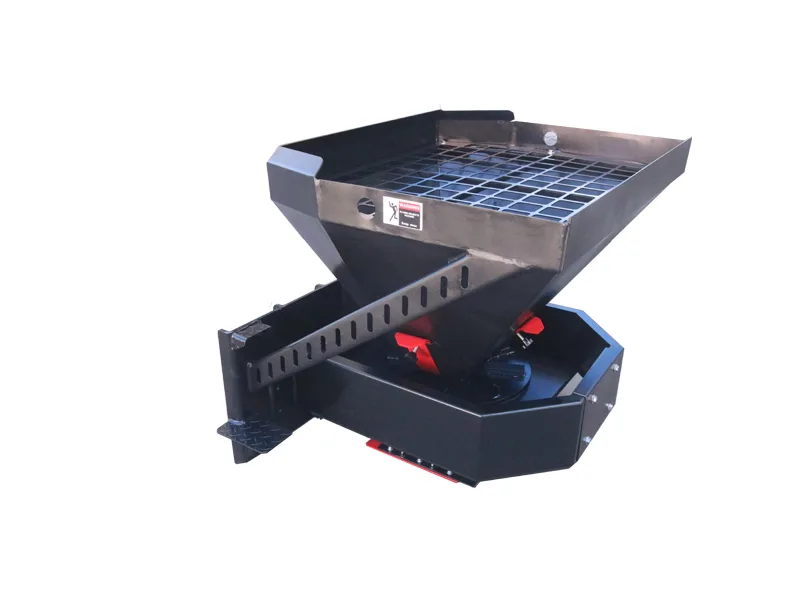
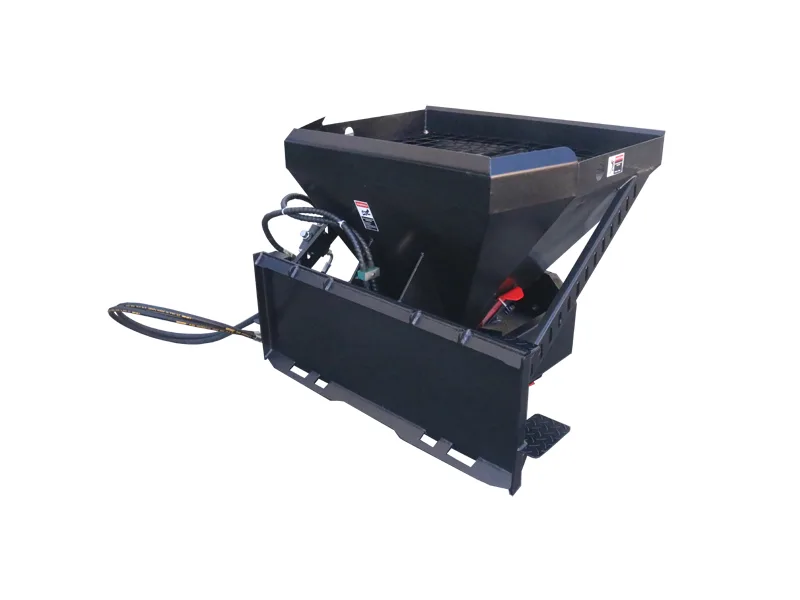
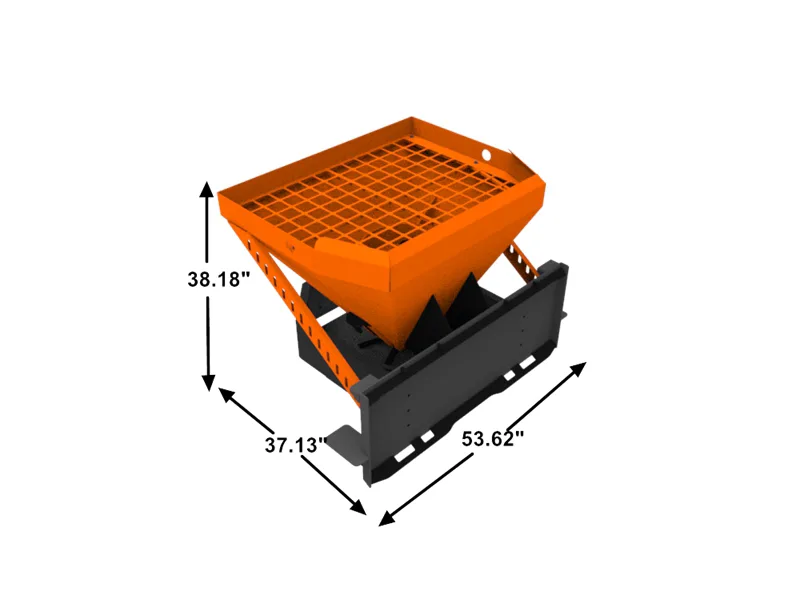
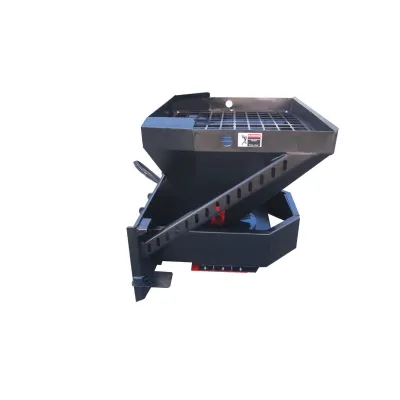
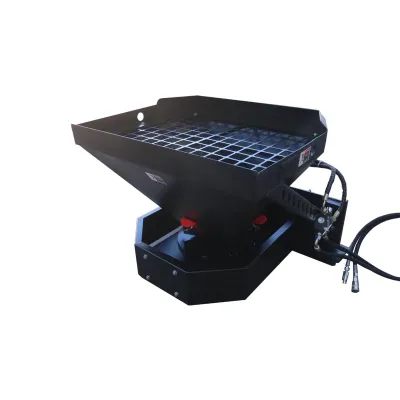
The TGEC skid steer salt and sand spreader packs a 0.33 m³ hopper, adjusts from 1.5 m to 6 m spread width, and runs on hydraulic drive. Built with a 3 mm steel hopper, it handles rock salt, sand, ice melt, calcium chloride, and abrasives — for de-icing and anti-icing on parking lots, walkways, and roads.
Product Name: Salt Spreader / Skid Steer Salt Spreader / Sand Spreader / Hydraulic Salt Spreader / Ice Melt Spreader / Material Spreader / Skid Steer Spreader Attachment
Type: Snow Attachments
After-sales Service: Provided
Warranty: 1 Year
Customization: Available
Shipping Cost: Negotiate with us about shipping cost and estimated delivery time.
Get a quote
Overview
FAQ

Product Overview

Winter pavement maintenance demands reliable material distribution. The TGEC spreader mounts via universal quick-attach, ties into the auxiliary hydraulics, and puts down a consistent layer of de-icing material across parking lots, access roads, or narrow walkways. The 0.33 m³ hopper reduces refill stops, while the adjustable spread width (1.5 m to 6 m) lets you match the application rate to the surface and conditions. Pair it with a snow blower or pusher from the TGEC snow lineup for a complete winter maintenance setup on one carrier.

Technical Specifications

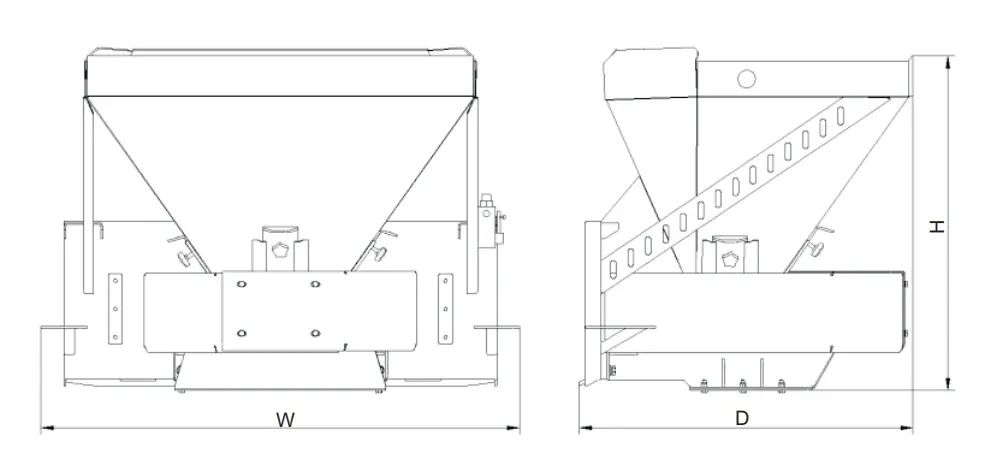
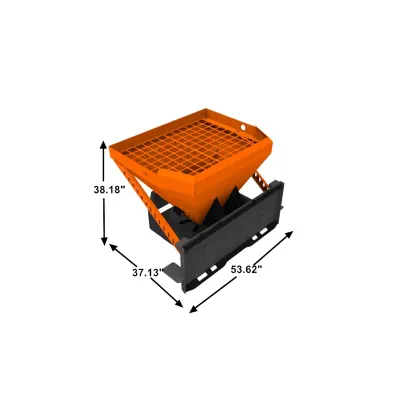
ParameterTG-HS8-MP1140
ModelTG-HS8-MP1140
Hopper Capacity0.33 cubic meter (11.7 cubic foot)
Spread Width1.5 to 6 m (4.9 to 19.7 ft), adjustable
Hopper Material3 mm steel
Hydraulic Flow60 L/min (15.9 GPM)
Operating Pressure16 MPa (2320 PSI)
Mounting InterfaceMP1140 universal skid-steer quick-attach

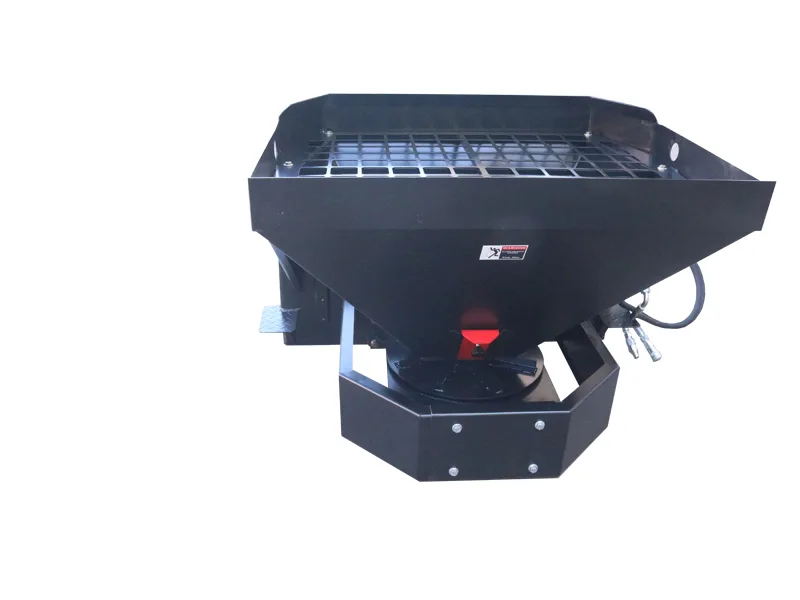
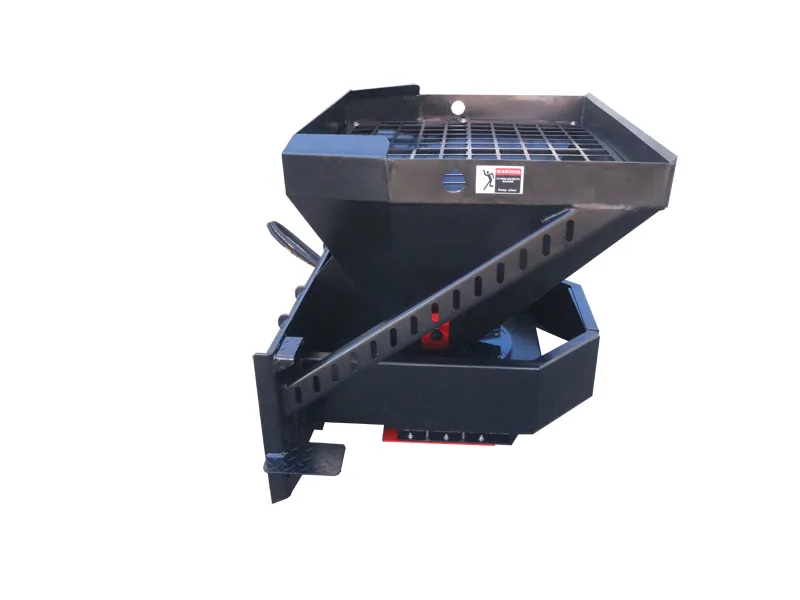
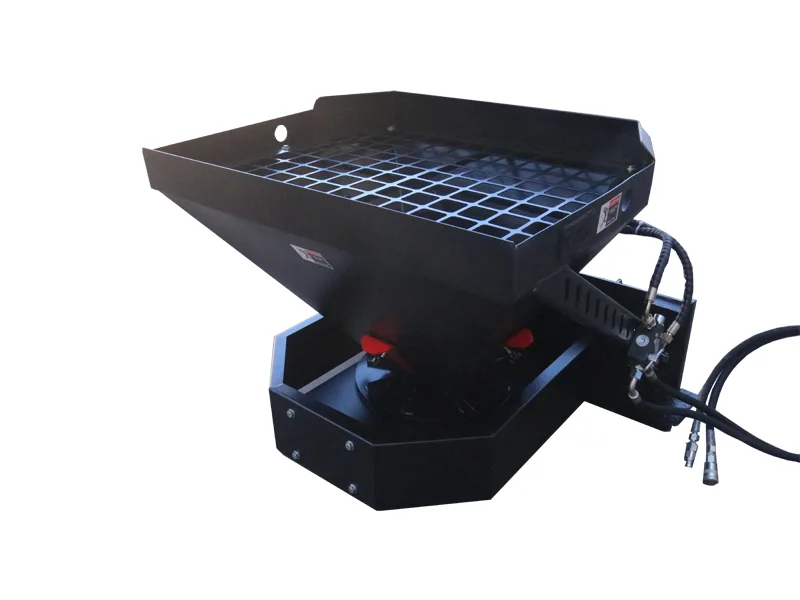
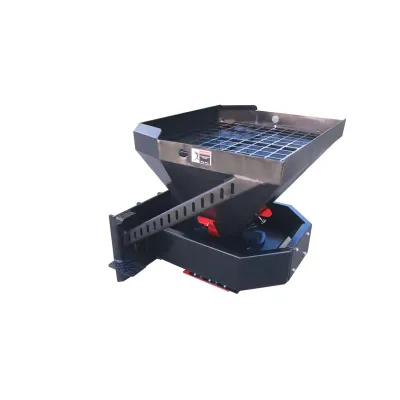
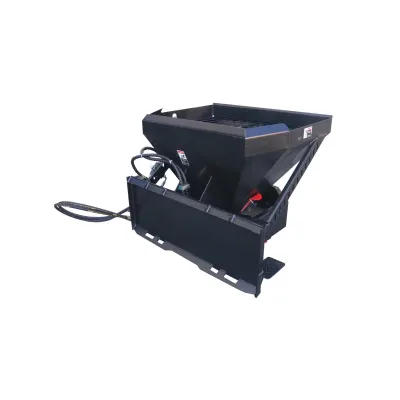
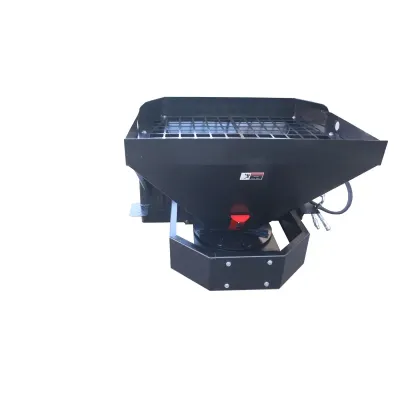
TGEC Skid Steer Salt Spreader – Hopper and Spinner Assembly

Table data is for reference only. Actual specifications may vary based on the final configuration. Please contact the TianGe technical team for details.

How It Works

Material loads into the 3 mm steel hopper, then moves via a conveyor to the spinner at the rear. The spinner distributes the material evenly across the selected width — from 1.5 m up to 6 m. The operator manages material flow and spread width using the auxiliary hydraulic controls. For consistent coverage, maintain a steady forward speed.

Application Scenarios

  • Commercial parking lot de-icing: Apply rock salt or ice melt to large paved areas after snow removal to prevent ice formation.

  • Anti-icing before storms: Apply a light layer before a forecasted storm to prevent snow and ice from bonding to pavement.

  • Walkway treatment: Use the narrow 1.5 m spread setting for sidewalks, walkways and pedestrian access routes.

  • Loading dock access: Apply sand or abrasives to maintain safe traction on loading docks, ramps and warehouse entrances.

  • Municipal contracts: Treat parking areas, access roads and common areas for residential and commercial property accounts.

  • Rental fleet services: Offer de-icing and anti-icing alongside snow removal for complete winter maintenance contracts.

Installation & Mounting

The salt spreader attaches via the universal quick-attach plate. Align the plate, lock the levers and connect the auxiliary hydraulic hoses. The spreader requires one hydraulic circuit for the conveyor and spinner. Before operation, verify auxiliary flow is approximately 60 L/min and pressure matches 16 MPa. Check all connections for leaks. Fill the hopper and test the conveyor and spinner before beginning application.

Wear & Service

Primary wear and corrosion items are the hopper, conveyor, spinner, hydraulic hoses, pivot points and quick-attach plate. Because de-icing materials are corrosive, rinse all components with clean water after each use. Inspect the conveyor for wear and replace as needed. Check the spinner for balanced rotation. Inspect hoses for abrasion or leaks and replace damaged hoses. Grease all pivot points and keep the quick-attach plate clean. Genuine replacement parts are available for the TG-HS8.

OEM & Bulk Supply

TGEC supplies salt and sand spreaders to equipment dealers, winter-maintenance contractors, rental companies and municipal fleets through OEM and bulk-supply programs. Standard configurations are produced with consistent hopper capacities, spread widths and mounting interfaces. For qualified production runs, TGEC can review custom requirements such as modified hopper capacities, alternative spread widths, custom conveyor designs and branding. Dealers can combine spreaders with other TGEC snow attachments to simplify sourcing and shipping.

Parking Lots, Walkways, or Roads — What's Your Primary Surface for Spreading?

We'll need your skid steer model, auxiliary flow and pressure, the material you plan to spread, and your typical surface type. We'll confirm fitment, recommend the right hopper and spread-width setup, and reply with a factory-direct quote and estimated ship date.
Frequently Asked Questions

What type of skid steer can operate a salt spreader?+

Salt spreaders fit skid steers and compact track loaders equipped with a universal quick-attach plate and auxiliary hydraulics. The TG-HS8 requires approximately 60 L/min (15.9 GPM) auxiliary flow at 16 MPa (2320 PSI). The carrier must be capable of supplying these hydraulic ratings. Compact machines with lower flow may produce slower conveyor and spinner speed, reducing spread uniformity. Always verify that your carrier's auxiliary flow and pressure match the attachment specifications.

How do I match a salt spreader to my skid steer?+

To match a salt spreader to your skid steer, check the auxiliary hydraulic flow and pressure ratings in your machine's operator manual. The TG-HS8 requires 60 L/min flow and 16 MPa pressure. If your machine can provide approximately 60 L/min at 16 MPa, the spreader can be considered for that carrier. Also verify that the machine's rated operating capacity can handle the weight of the spreader plus a full hopper of material. The MP1140 interface follows the universal quick-attach configuration commonly used on skid steers from major manufacturers. Verify the carrier interface and hydraulic requirements before ordering.

Can a skid steer salt spreader handle both salt and sand?+

Yes. The TG-HS8 spreader handles a range of materials including rock salt, sand, ice melt, calcium chloride, magnesium chloride and abrasives. The conveyor and spinner are designed to distribute both granular salt and coarser sand evenly. When switching between materials, clean the hopper and conveyor to prevent contamination or clogging. Very fine materials may require adjusted flow settings, while coarse sand may require higher flow to maintain consistent distribution.

What hydraulic requirements should be checked before installation?+

Before installing a salt spreader, verify that your skid steer has auxiliary hydraulics with sufficient flow and pressure. The TG-HS8 requires 60 L/min (15.9 GPM) flow at 16 MPa (2320 PSI). Check that the auxiliary circuit has the correct hose couplings and that the hoses are in good condition. Inspect the hydraulic system for leaks or contamination, and verify that the auxiliary control valve operates smoothly. If your machine does not have auxiliary hydraulics, they must be installed before using the spreader.

How does hopper capacity affect salt spreading performance?+

Hopper capacity determines how much material the spreader can hold before refilling. The 0.33 cubic meter (11.7 cubic foot) hopper of the TG-HS8 holds enough material for typical commercial parking lot applications without frequent refilling. A larger hopper reduces refill frequency but adds weight and may require a larger carrier. A smaller hopper is lighter but requires more frequent stops to refill. Match the hopper capacity to your typical job size and the carrier's operating capacity.

How is spreading width adjusted?+

The TG-HS8 spreader features an adjustable spread width from 1.5 m to 6 m (4.9 to 19.7 ft). The operator adjusts the width using the hydraulic controls or a mechanical adjustment on the spinner deflector, depending on the configuration. Narrower widths (1.5 to 3 m) are suitable for walkways, sidewalks and narrow access routes. Wider widths (3 to 6 m) cover large parking lots, access roads and open areas. Adjust the width based on the area being treated to avoid wasting material on non-target surfaces.

What materials are suitable for use in a salt spreader?+

The TG-HS8 spreader handles rock salt, solar salt, sand, ice melt blends, calcium chloride, magnesium chloride and abrasives such as crushed stone or cinders. Granular materials with consistent particle size spread most evenly. Avoid using materials with large clumps, foreign objects or excessive moisture, which can clog the conveyor or spinner. When using calcium chloride or other corrosive materials, rinse the hopper and components thoroughly after each use to prevent accelerated corrosion.

What mounting system is used for a skid steer salt spreader?+

The TG-HS8 uses the MP1140 universal skid-steer quick-attach mounting interface, which follows the universal quick-attach configuration commonly used on skid steers from major manufacturers. Verify the carrier interface and hydraulic requirements before ordering. To mount, align the plate with the carrier interface, engage the lower hooks, tilt back to seat the upper pins and lock the engagement levers. Connect the auxiliary hydraulic hoses and verify all connections are secure before operation.

How should the spreader be cleaned after using de-icing materials?+

After each use, empty any remaining material from the hopper and rinse the entire spreader with clean water to remove salt and de-icing residue. Pay special attention to the hopper interior, conveyor, spinner, hydraulic fittings and quick-attach plate, where corrosive residue can accumulate. Allow the spreader to dry completely before storage. Periodically inspect all metal components for signs of corrosion and touch up any paint damage. Proper cleaning after each use significantly extends the life of the spreader.

Which components are most exposed to wear and corrosion?+

The components most exposed to wear and corrosion are the hopper interior, conveyor belt or chain, spinner blades, hydraulic hoses and fittings, pivot points and the quick-attach plate. De-icing materials are highly corrosive and accelerate metal degradation if not cleaned promptly. The conveyor and spinner experience mechanical wear from moving abrasive materials. Hydraulic fittings are vulnerable to corrosion at connection points. Regular cleaning, inspection and replacement of worn components are essential to maintain performance and prevent failure.

How should the hydraulic system and spreading mechanism be inspected?+

Before each use, inspect hydraulic hoses for abrasion, cracks, bulges or leaks at fittings, and replace damaged hoses immediately. Check that all hydraulic connections are tight and secure. Test the conveyor and spinner operation with a small amount of material to verify smooth, consistent movement. Inspect the conveyor for wear, stretching or damage, and check the spinner for balanced rotation. Verify that the spread width adjustment functions correctly. Grease all pivot points per the maintenance schedule. If any component shows abnormal noise, vibration or reduced performance, stop and inspect before continuing.

What operating conditions should be considered when selecting a salt spreader?+

Key operating conditions include the typical area size to treat (small walkways vs. large parking lots), the type of material to spread (rock salt, sand, ice melt, calcium chloride), the required application rate for the climate and weather conditions, and the frequency of use. Also consider whether the spreader will be used for anti-icing (light application before storms) or de-icing (heavier application after ice formation), the available refill locations, and the skid steer's hydraulic capacity. Match the hopper capacity and spread width range to your typical job requirements.
Please make sure to include your phone number with the country code (e.g., 86 for China, 1 for USA).