Welcome to the Official Website of TianGe Attachments.

Skid Steer Snow Blower

Skid Steer Snow Blower

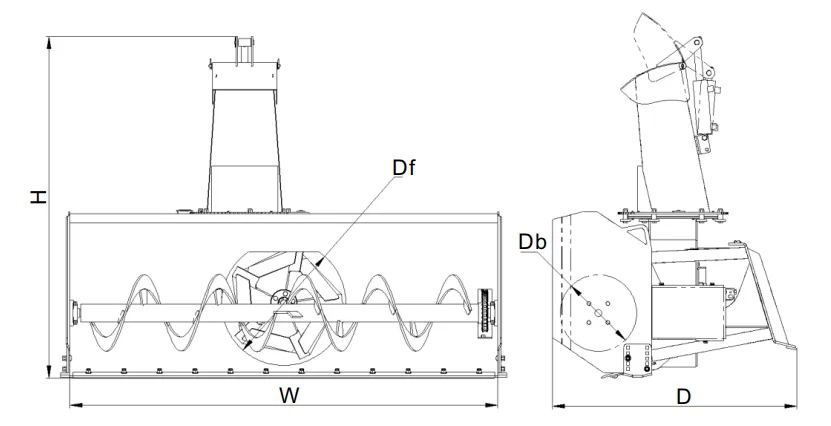
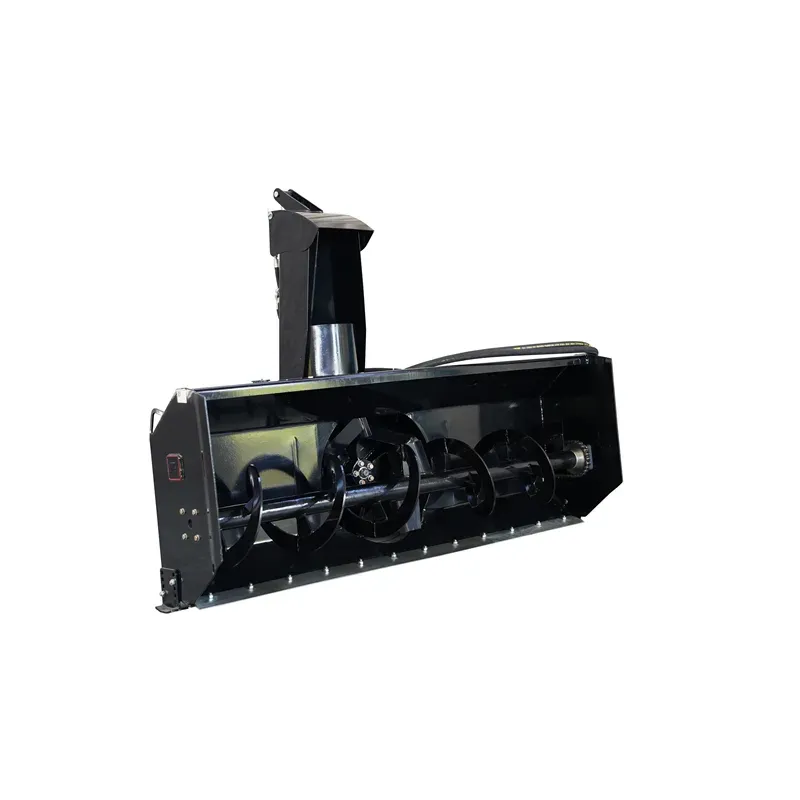
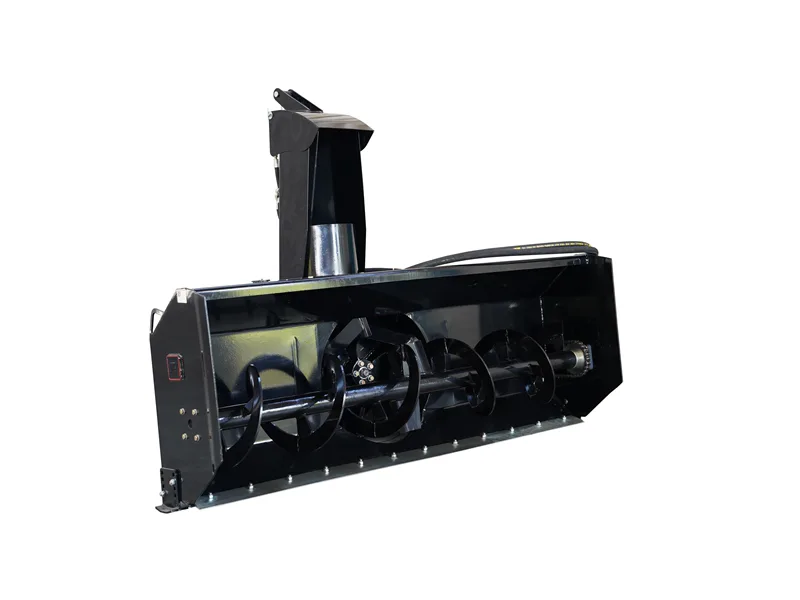
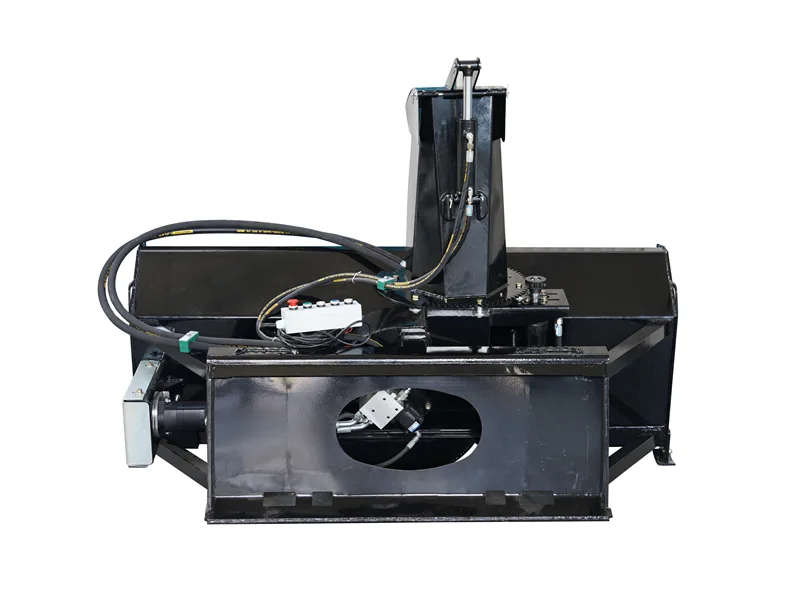
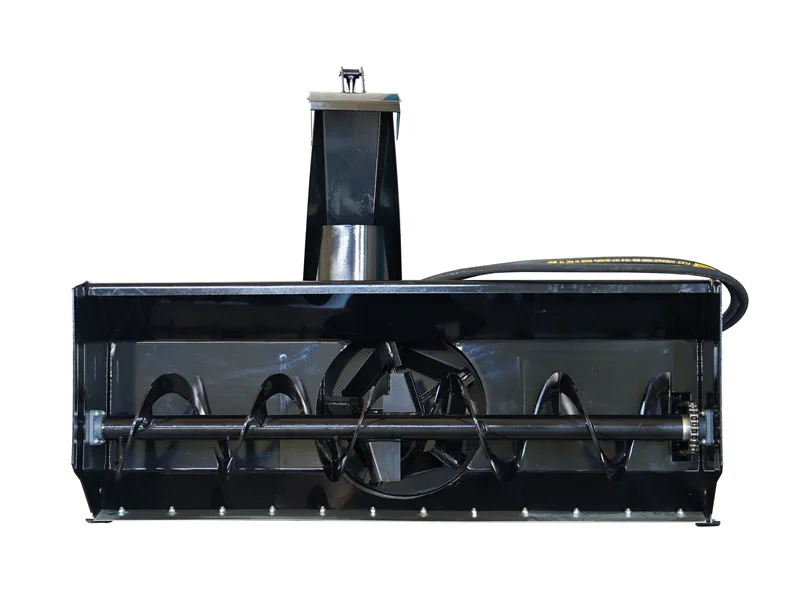
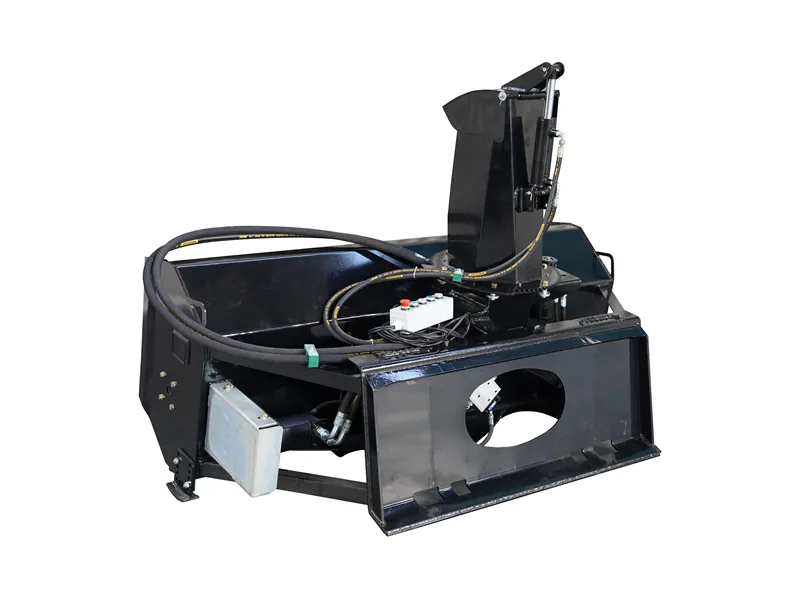
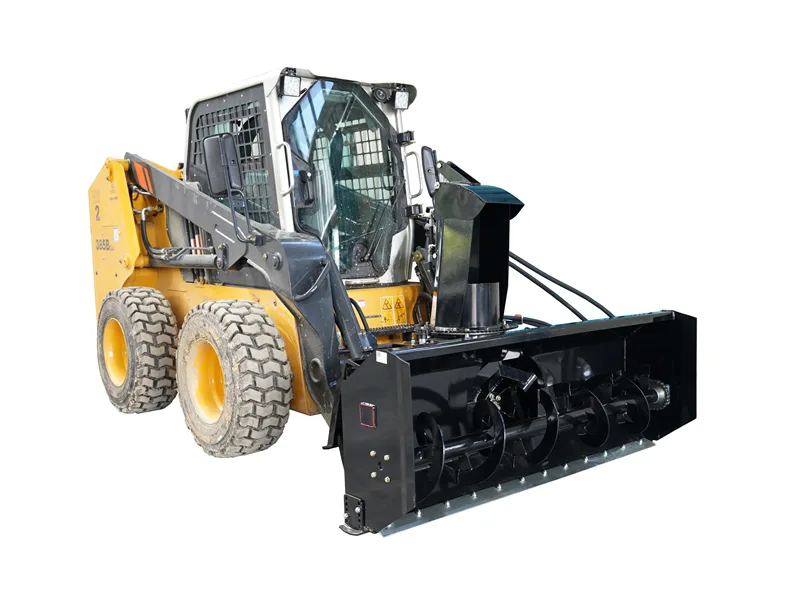
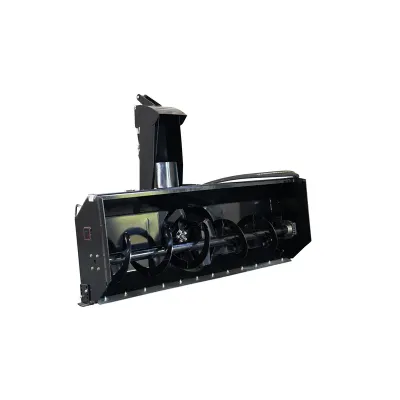
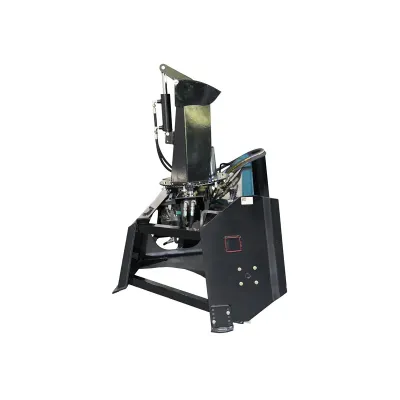
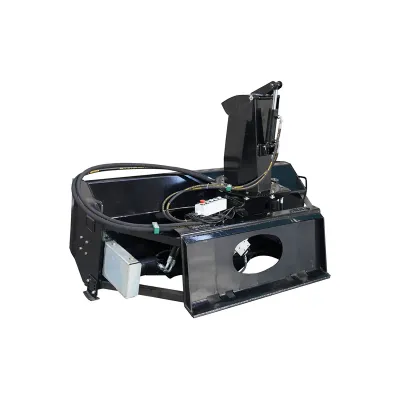
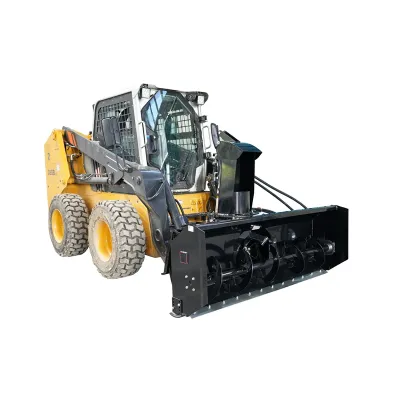
The TGEC skid steer snow blower cuts a 72 in path, pulls snow in with a 330 mm auger, and throws it through a 508 mm five-blade impeller. The 270-degree hydraulic chute puts the snow exactly where you want it. Needs 15 to 23 GPM auxiliary flow. Built for deep snow on parking lots, long driveways, and commercial sites.
Product Name: Snow Blower / Skid Steer Snow Blower / Hydraulic Snow Blower / Snow Thrower / Snow Blower Attachment
Type: Snow Attachments
After-sales Service: Provided
Warranty: 1 Year
Customization: Available
Shipping Cost: Negotiate with us about shipping cost and estimated delivery time.
Get a quote
Overview
FAQ

Product Overview

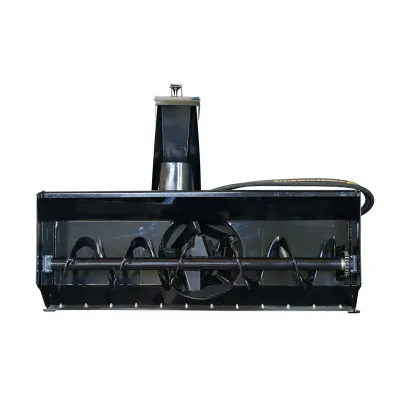
Deep snow calls for more than a plow. The TGEC skid steer snow blower uses a two-stage snow-clearing system to collect, process, and throw snow well clear of the working surface. The first-stage auger (330 mm) pulls snow into the housing, and the second-stage impeller (508 mm, five-blade) accelerates it up and out through the discharge chute. The two-stage design is suited to heavy, wet, or packed snow conditions where a single-stage unit may be less effective.

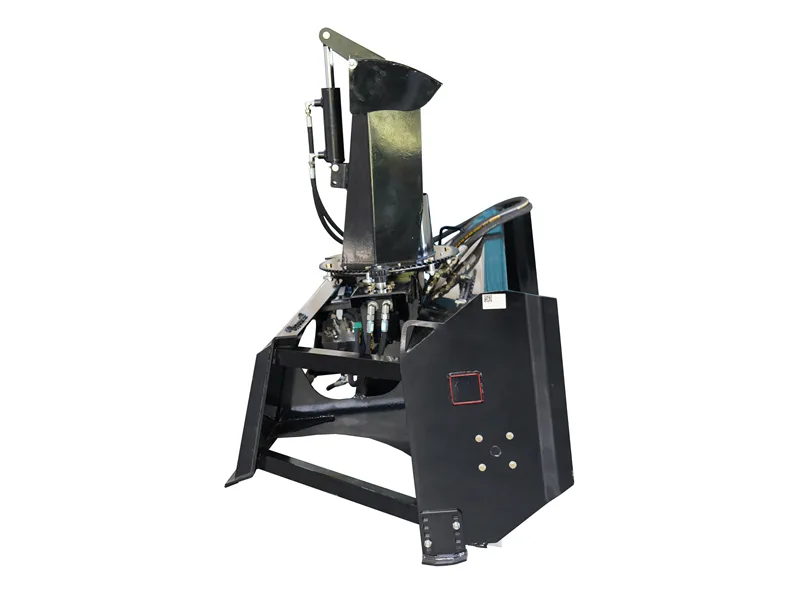
The 72 in cutting width covers a broad swath, and the 270-degree hydraulic chute rotation lets the operator direct the stream without stopping or repositioning. It mounts via universal quick-attach and pairs naturally with a snow pusher for fleets that need both pushing and blowing capabilities. For machine matching, see the skid steer snow blower selection guide and the hydraulic requirements overview.

Technical Specifications

ParameterTG-SB72(72IN)-MP1220
ModelTG-SB72(72IN)-MP1220
Working Width1830 mm (72 in)
Auger Diameter330 mm (13 in)
Impeller Diameter508 mm (20 in), 5 blades
Chute Rotation270 degrees hydraulic
Required Hydraulic Flow57 to 87 L/min (15 to 23 GPM)
Operating Pressure172 to 241 bar (2500 to 3500 PSI)
Mounting InterfaceMP1220 universal skid-steer quick-attach

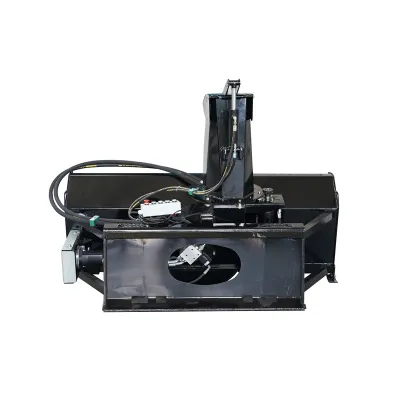
TGEC Skid Steer Snow Blower – Two-Stage Auger and Impeller Assembly

Table data is for reference only. Actual specifications may vary based on the final configuration. Please contact the TianGe technical team for details.

How It Works

Auxiliary hydraulics drive the auger, impeller, and chute rotation. Engage the circuit, and the auger spins to pull snow from the ground into the impeller housing. The five-blade impeller throws it upward and outward through the chute. The operator adjusts the chute direction hydraulically — 270 degrees of rotation — to aim the snow stream toward a pile, a ditch, or any clear zone. Keep a steady forward speed, and the 72 in width clears a continuous path without leaving ridges.

Application Scenarios

  • Commercial parking lots: Clear deep snow from large paved areas, throwing it to designated piles without leaving windrows.

  • Driveway clearing: Handle long driveways and deep accumulation where a plow would leave blocking windrows.

  • Loading dock access: Maintain clear routes during heavy snowfall by blowing snow away from doors and ramps.

  • Municipal contracts: Clear sidewalks, parking areas and access roads where snow must be moved a significant distance.

  • Rental fleet services: Offer deep-snow blowing alongside plows and pushers for complete snow-removal coverage.

Installation & Mounting

Mounting is straightforward: align the universal quick-attach plate with the carrier, engage the lower hooks, tilt back to seat the upper pins, and lock the levers. Connect the auxiliary hydraulic hoses — the blower needs two circuits, one for the auger/impeller drive and one for chute rotation. Before engaging the auger, verify that flow is within 15 to 23 GPM and pressure is between 2500 and 3500 PSI. Check all fittings for leaks and make sure hoses are routed clear of pinch points.

Wear & Service

Pay close attention to the auger blades, impeller blades, chute rotation mechanism, hydraulic hoses, pivot pins, and the quick-attach plate. Inspect blades for bending, cracking, or edge wear — worn blades reduce snow intake and throwing distance. Check chute rotation for smooth movement and lubricate pivot points regularly. Examine hydraulic hoses for abrasion, bulges, or leaks at the fittings and replace any damaged hose immediately. Keep the quick-attach plate clean and free of ice buildup. Genuine replacement parts are available for the TG-SB72.

OEM & Bulk Supply

TGEC supplies snow blowers to dealers, winter-maintenance contractors, rental operations, and municipal fleets through OEM and bulk programs. Standard units ship with consistent cutting widths, hydraulic components, and mounting interfaces. For larger production runs, TGEC can review modifications such as alternative mounting plates, custom chute designs, different cutting widths, or branded finishes. Dealers can bundle snow blowers with pushers and spreaders in mixed orders to simplify logistics and reduce per-unit freight costs.

Deep Snow, Long Drives, or Tight Lots — Where Will You Be Blowing?

We'll need your skid steer model, auxiliary flow and pressure, and a sense of your typical snow depth and area size. Also let us know whether you're working parking lots, long driveways, or municipal routes. We'll confirm compatibility, recommend the right chute and width configuration, and get back with a factory-direct quote and estimated ship date.
Frequently Asked Questions

What type of skid steers can use a snow blower attachment?+

Skid steer snow blowers fit skid steers and compact track loaders equipped with a universal quick-attach plate and auxiliary hydraulics. The TG-SB72 requires 15 to 23 GPM auxiliary flow, which should be verified against the carrier's specifications before operation. Compact machines with lower flow may struggle to drive the auger and impeller effectively. Always verify that your carrier's auxiliary flow and pressure match the attachment specifications before operation.

How do I match a snow blower to my skid steer hydraulic flow?+

Check your skid steer operator manual or specification sheet for the auxiliary hydraulic flow rating, measured in GPM or L/min. The TG-SB72 requires 15 to 23 GPM (57 to 87 L/min). If your machine's flow falls within this range, the blower will operate correctly. Machines with flow below 15 GPM will produce slow auger and impeller speed, reducing snow-throwing distance and clogging risk. Machines supplying more than the specified hydraulic flow may require flow control to prevent excessive motor speed. Follow the attachment's hydraulic requirements before operation.

What is the difference between standard-flow and high-flow snow blowers?+

Standard-flow snow blowers are designed for auxiliary circuits delivering 15 to 23 GPM, which covers most mid-frame skid steers. High-flow configurations are intended for carriers with higher auxiliary flow requirements, providing faster auger and impeller speed for higher throughput in deep or heavy snow. The TG-SB72 is configured for standard-flow operation. Using a standard-flow blower on a high-flow machine without regulation can over-speed the hydraulic motor and cause premature wear.

Is a two-stage snow blower suitable for skid steer applications?+

Yes. Two-stage snow blowers are well suited for skid steer applications because they handle deep, heavy and packed snow more effectively than single-stage designs. The first-stage auger collects snow and feeds it to the second-stage impeller, which accelerates it through the chute for greater throwing distance. This design reduces clogging and allows the skid steer to maintain forward momentum in deep snow. The TG-SB72 uses a two-stage configuration with a 330 mm auger and 508 mm five-blade impeller.

What type of snow is a skid steer snow blower designed to handle?+

Skid steer snow blowers handle a wide range of snow types, including light powder, wet heavy snow, packed snow and moderately icy accumulation. The two-stage design with a 330 mm auger and 508 mm impeller processes most snow conditions effectively. Very wet, slushy snow may reduce throwing distance, and solid ice or deeply frozen pack may require pre-breaking with a plow or pusher before blowing. Maintain steady forward speed to keep the auger fed without overloading the impeller.

What quick-attach system is used to mount a snow blower?+

The TG-SB72 uses the MP1220 universal skid-steer quick-attach mounting interface, which matches the universal quick-attach system standard on most major skid steer brands. Verify your machine's mounting interface and hydraulic requirements before ordering. To mount, align the quick-attach plate with the carrier interface, engage the lower hooks, tilt back to seat the upper pins and lock the engagement levers. Always verify that the pins are fully seated and that hydraulic connections are secure before operating.

How should the snow blower be maintained during the operating season?+

Follow a regular maintenance schedule throughout the snow season. Before each use, inspect auger and impeller blades for damage, check hydraulic hoses for leaks and verify that all bolts and fasteners are tight. Grease all pivot points and the chute rotation mechanism according to the manufacturer-recommended maintenance schedule. Keep the auger and impeller housing clear of ice buildup, which can cause imbalance and reduce performance. After each storm, clean the blower thoroughly and inspect for any damage that may have occurred during operation.

What factors should be checked before operating a snow blower on a skid steer?+

Before operating, verify that the quick-attach plate is fully engaged and the locking levers are secured. Check that all hydraulic hoses are connected correctly, have no leaks or abrasions and are not pinched between the attachment and lift arms. Confirm that the auxiliary hydraulic flow is within the 15 to 23 GPM range and that the system pressure matches the 2500 to 3500 PSI specification. Inspect the auger and impeller for damage or ice buildup. Test the chute rotation function before engaging the auger. Clear the work area of obstacles and ensure all personnel are outside the snow discharge path.
Please make sure to include your phone number with the country code (e.g., 86 for China, 1 for USA).