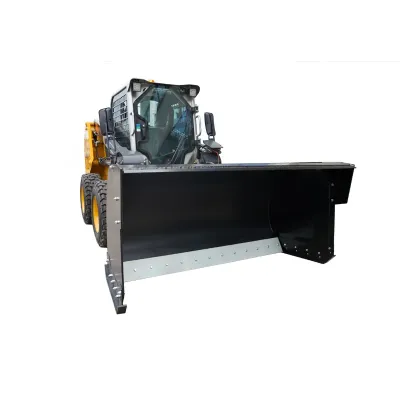
Welcome to the Official Website of TianGe Attachments.

Skid Steer Trip Edge Snow Pusher

Skid Steer Trip Edge Snow Pusher

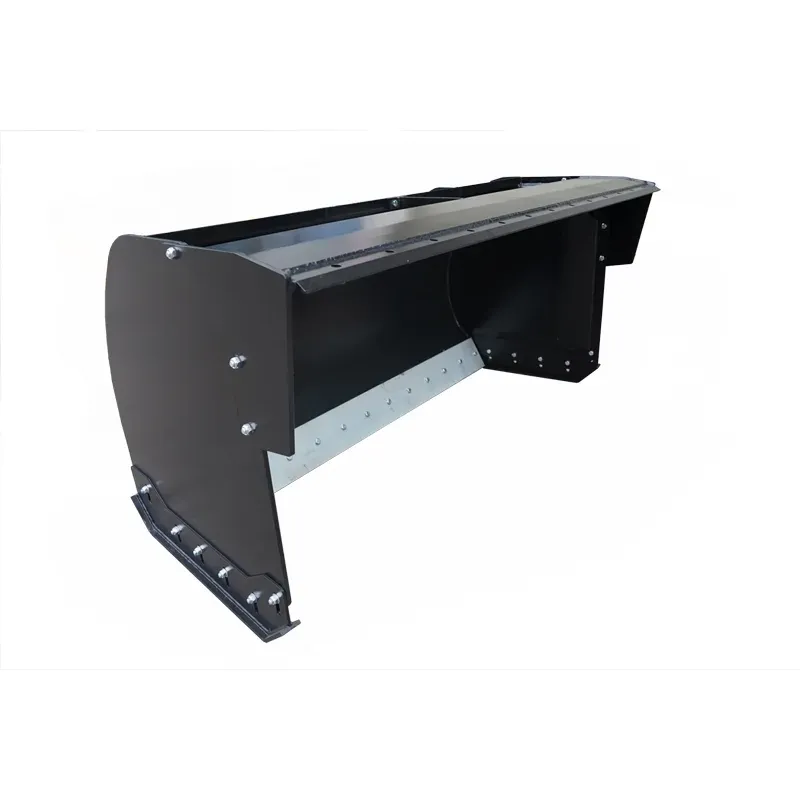
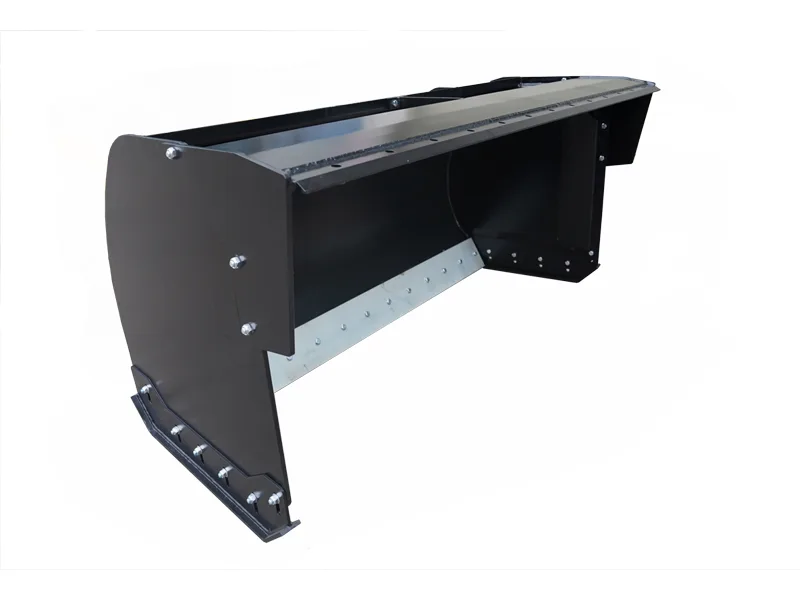
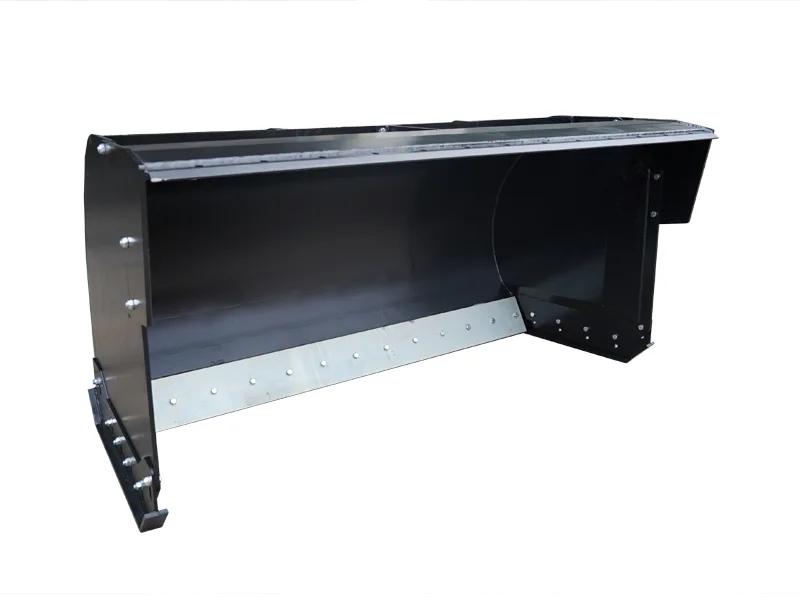
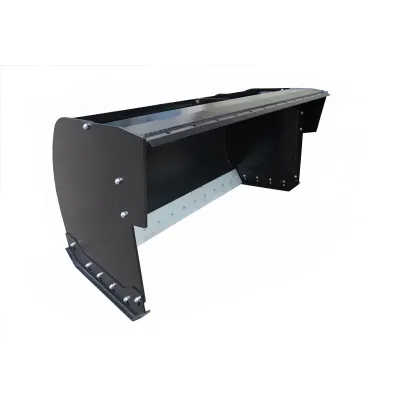
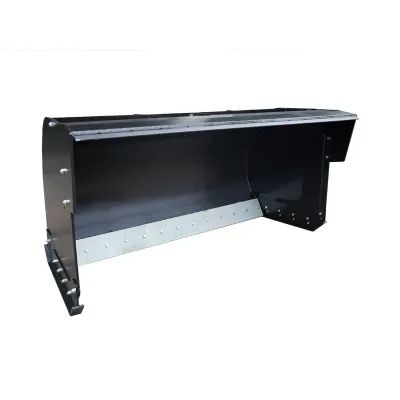
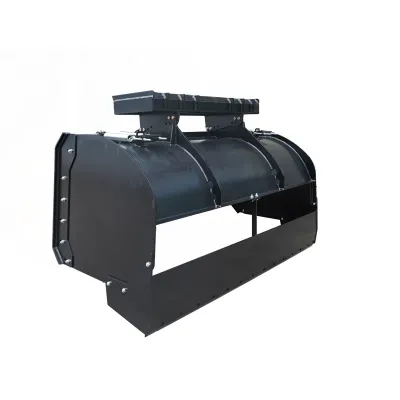
The TGEC trip edge snow pusher comes in 84 in, 96 in, or 108 in widths, with 1050 mm side plates and a spring-loaded trip edge that rides over obstacles. No hydraulics needed — just mount and push. Built for containment-style snow moving on parking lots and commercial sites.
Product Name: Snow Pusher / Skid Steer Snow Pusher / Trip Edge Snow Pusher / Containment Pusher / Snow Box / Push Blade / Snow Plow Pusher / Box Plow / Containment Plow / Push Box
Type: Snow Attachments
After-sales Service: Provided
Warranty: 1 Year
Customization: Available
Shipping Cost: Negotiate with us about shipping cost and estimated delivery time.
Get a quote
Overview
FAQ

Product Overview

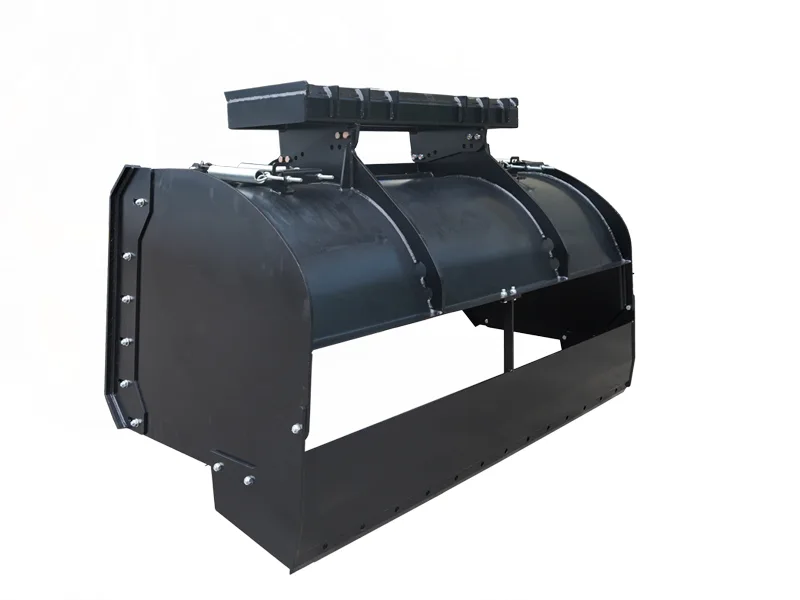
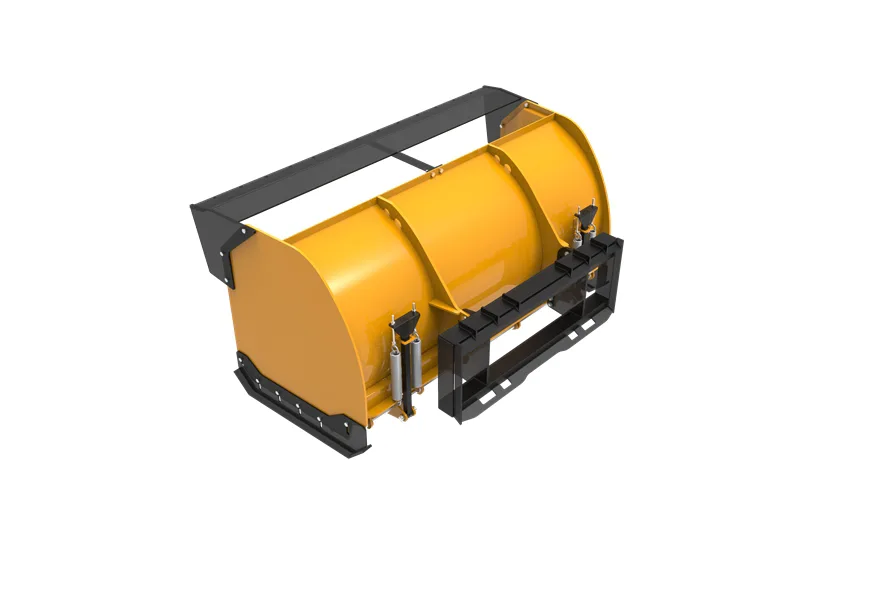
A snow pusher moves snow differently than a blower or a standard plow. Instead of throwing snow or angling it to the side, the pusher traps it inside a box with tall side plates and pushes the whole load forward. That means no windrows to re-handle, fewer passes, and clean stacking at the edge of the lot. The TGEC pusher uses a spring-loaded trip edge that compresses when it hits a manhole cover or expansion joint, then returns to position — helping the cutting edge ride over obstacles and reduce contact with the pavement.

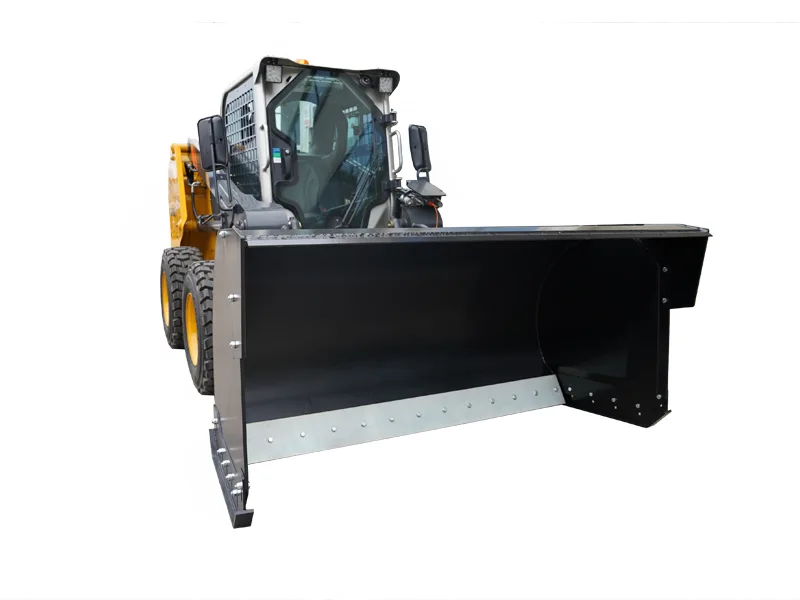
Three widths cover different machine sizes and job footprints: 84 in for compact and mid-frame skid steers, 96 in and 108 in for larger machines handling big commercial lots. All share the same 1050 mm side plate height and 910 mm depth, so snow stays contained even in deep accumulation. The pusher works alongside a snow blower in mixed fleets, and the passive design means no hydraulic circuits to manage. For width selection, see the snow pusher sizing guide.

Technical Specifications

ParameterTG-TESP2130(84IN)-MP1220TG-TESP2440(96IN)-MP1220TG-TESP2740(108IN)-MP1220
Working Width2130 mm (84 in)2440 mm (96 in)2740 mm (108 in)
Side Plate Height1050 mm (41.3 in)1050 mm (41.3 in)1050 mm (41.3 in)
Front-to-Back Depth910 mm (35.8 in)910 mm (35.8 in)910 mm (35.8 in)
Cutting EdgeTrip edge, spring-loadedTrip edge, spring-loadedTrip edge, spring-loaded
Mounting InterfaceMP1220 universal skid-steer quick-attachMP1220 universal skid-steer quick-attachMP1220 universal skid-steer quick-attach

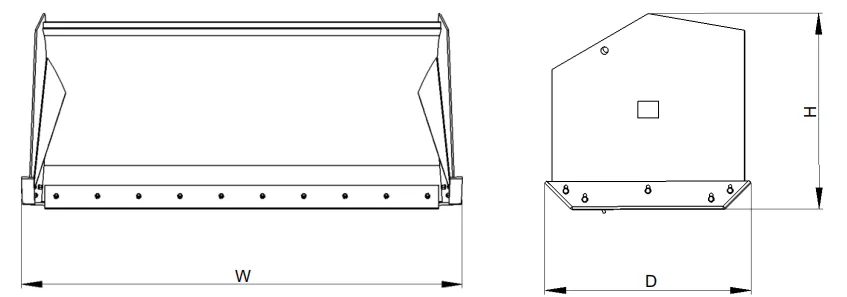
TGEC Skid Steer Trip Edge Snow Pusher – Side Plate and Cutting Edge Assembly

Table data is for reference only. Actual specifications may vary based on the final configuration. Please contact the TianGe technical team for details.

How It Works

The pusher uses the skid steer's forward momentum and down pressure — no hydraulics required. Lower the attachment until the cutting edge meets the ground, then drive forward. Snow enters the open front and fills the box, contained by the 1050 mm side plates. When the box is full, drive to the stacking area and lift to dump the load. The trip edge does its work automatically: springs compress when the edge hits an obstacle, letting the cutting edge ride over obstacles with reduced risk of scraping the surface, then return to position once clear.

Application Scenarios

  • Commercial parking lots: Push large snow volumes to designated stacking areas in fewer passes, reducing re-handling.

  • Large open areas: Use 96 in or 108 in widths to cover expansive parking lots, warehouse yards and industrial properties.

  • Snow stacking: High side plates contain snow within the box, allowing large, compact piles without spillage.

  • Back-dragging: Pull snow from curbs, building walls and fence lines where forward pushing cannot reach.

  • Uneven pavement: Spring-loaded trip edge rides over manhole covers, expansion joints and uneven surfaces with reduced risk of damage.

  • Rental fleet services: Fast, low-maintenance snow pushing for contractors needing maximum area coverage per pass.

Installation & Mounting

Mounting is quick because there are no hydraulic hoses to connect. Align the universal quick-attach plate with the carrier, engage the lower hooks, tilt back to seat the upper pins, and lock the levers. Before pushing, verify the pins are fully seated and the pusher sits level on the ground. If equipped with skid shoes, adjust them to set the cutting edge clearance for the surface — lower for smooth pavement, higher for gravel or uneven ground.

Wear & Service

The cutting edge takes the most wear, followed by skid shoes, trip springs, and pivot pins. Inspect the cutting edge regularly — replace it when worn to the point that ground contact becomes uneven. Check skid shoes for wear and adjust or replace as needed. Look over the trip springs for corrosion or broken coils, and grease all pivot points per the maintenance schedule. Keep the quick-attach plate clean and free of ice buildup. Genuine replacement parts are available for all TG-TESP models.

OEM & Bulk Supply

TGEC supplies trip edge snow pushers to dealers, contractors, rental companies and municipal fleets through OEM and bulk-supply programs. Standard configurations use consistent side plate heights, trip edge designs and mounting interfaces. For qualified runs, TGEC can review custom widths, alternative side plate heights, custom cutting edge profiles and branding. Dealers can combine pushers with other TGEC snow attachments to simplify sourcing and shipping.

84", 96", or 108" — Which Snow Pusher Width Fits Your Skid Steer and Job Site?

We'll need your machine model and operating weight, plus the typical snow depth and the size of the areas you clear. Let us know whether you're working smooth pavement or uneven ground — that affects how we set up the trip edge and skid shoes. We'll confirm the right width, check fitment, and reply with a factory-direct quote and estimated ship date.
Frequently Asked Questions

What type of skid steer is suitable for a snow pusher?+

Snow pushers fit skid steers and compact track loaders equipped with a universal quick-attach plate. Because the pusher is passive and requires no hydraulics, compatibility depends primarily on the machine's operating weight and rated operating capacity. The 84 in model suits compact and mid-frame machines, while the 96 in and 108 in models require mid-frame to larger skid steers with sufficient weight and traction to push heavy snow loads. Track loaders provide excellent traction in snowy conditions.

How do I choose the correct snow pusher width?+

Choose the pusher width based on your skid steer size, the typical area to clear and the snow depth. A wider pusher covers more area per pass but requires a larger, heavier machine to push heavy snow loads. Compact skid steers generally handle the 84 in model, mid-frame machines can use 84 in or 96 in, and larger skid steers can handle the 108 in width. Also consider the maneuverability needed for the site: tighter spaces may require a narrower pusher.

What is the difference between a snow pusher and a box plow?+

Snow pusher and box plow are interchangeable terms for the same type of attachment. Both describe a containment-style plow with high side plates that holds snow within the box as the machine pushes forward. Other terms include containment plow, push box and snow box. The key design features are the open-front box, high side plates, cutting edge and quick-attach mounting. The TG-TESP series uses a spring-loaded trip edge for obstacle clearance.

Can a skid steer snow pusher be used for back-dragging?+

Yes. Snow pushers can be used for back-dragging by positioning the pusher with the cutting edge on the ground and pulling the skid steer backward. This is useful for removing snow from areas where forward pushing cannot reach, such as along curbs, building walls, fence lines and loading docks. The operator should use slow, steady reverse speed and avoid abrupt movements that could damage the pusher or the surface. Back-dragging works best with the cutting edge set to the appropriate height for the surface.

What are skid shoes used for on a snow pusher?+

Skid shoes are adjustable metal shoes mounted on the sides or rear of the pusher that control the cutting edge height above the ground. By adjusting the skid shoe height, the operator sets how deeply the cutting edge contacts the surface. On smooth pavement, the shoes can be set low for close cutting. On gravel or uneven surfaces, the shoes are raised to prevent the cutting edge from scraping or catching on the surface. Skid shoes also protect the pusher frame from wear when sliding along the ground.

How does snow depth affect snow pusher performance?+

Snow depth affects the volume and weight of snow the pusher must move. In light snow (under 15 cm), even a wide pusher can move quickly with minimal resistance. In deep snow (30 cm or more), the volume contained within the box increases significantly, requiring more machine power and slower forward speed. Very deep or heavy wet snow may require multiple passes or a narrower pusher to avoid overloading the skid steer. The 1050 mm side plate height contains deep snow without spillage.

Can a snow pusher be used on tracked skid steers?+

Yes. Snow pushers work well on compact track loaders because tracks provide excellent flotation and traction in snowy and icy conditions. The low ground pressure of tracked machines reduces the risk of getting stuck in deep snow, and the improved traction allows the pusher to move heavier snow loads. Track loaders also provide stable lifting and pushing performance on uneven or sloped surfaces. The universal quick-attach mounting fits most track loader brands.

Can a snow pusher be used with tire-equipped skid steers?+

Yes. Wheeled skid steers can use snow pushers effectively, especially when equipped with snow tires or tire chains for improved traction. Standard tires may slip on icy or compacted snow, reducing pushing efficiency. For best performance with wheeled machines, use the 84 in or 96 in width to keep snow loads manageable, and consider adding tire chains or snow tires for winter operation. Ensure the machine has sufficient operating weight and rated capacity for the chosen pusher width.

What mounting system is required for a skid steer snow pusher?+

The TG-TESP snow pushers use the MP1220 universal skid-steer quick-attach mounting interface, compatible with the universal quick-attach system standard on most major skid steer brands including Bobcat, Caterpillar, John Deere, Case, New Holland and Kubota. Because the pusher is passive, no hydraulic connections are needed. To mount, align the plate, engage the lower hooks, tilt back to seat the upper pins and lock the levers. Always verify pins are fully seated before operation.

Which wear components should be inspected regularly?+

The primary wear components are the cutting edge, skid shoes, trip springs, pivot pins and quick-attach plate. Inspect the cutting edge for excessive wear that reduces ground contact. Check skid shoes for wear and adjust or replace as needed. Examine trip springs for corrosion, fatigue or broken coils. Inspect pivot pins for play and the quick-attach plate for bending or cracking. Also check all bolts and fasteners for tightness. replace worn components promptly to maintain performance and prevent further damage.

How should skid shoes and cutting edges be maintained?+

Skid shoes should be inspected before each use and adjusted to the correct height for the surface being cleared. On smooth pavement, set the shoes low for close cutting; on gravel or uneven surfaces, raise them to prevent scraping. replace skid shoes when they are worn to the point that they no longer provide adequate height adjustment. Cutting edges should be inspected for wear and replaced when they no longer contact the ground evenly or when worn through. Keep cutting edge bolts tight and replace any damaged or missing bolts immediately.

What operating conditions should be considered when selecting a snow pusher?+

Key operating conditions include the typical snow depth and type (light powder vs. wet heavy snow), the size and layout of the area to clear, the surface type (smooth pavement vs. gravel or uneven ground), and the presence of obstacles such as manhole covers, expansion joints and curbs. Also consider whether back-dragging will be needed, whether the site requires tight maneuvering, and whether the skid steer is wheeled or tracked. Match the pusher width to the machine size and the site requirements, and use the trip edge feature on obstacle-rich surfaces.
Please make sure to include your phone number with the country code (e.g., 86 for China, 1 for USA).