Product Overview
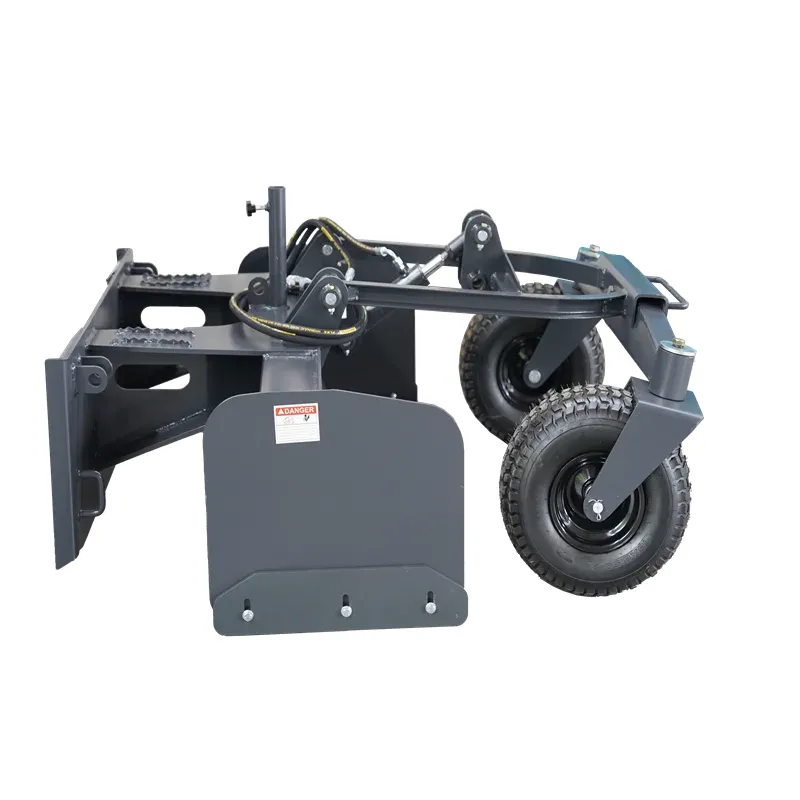
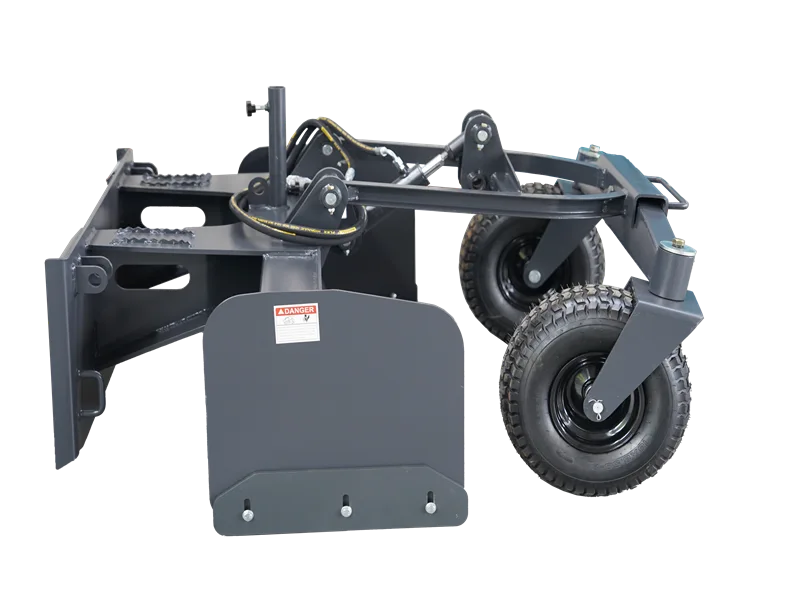
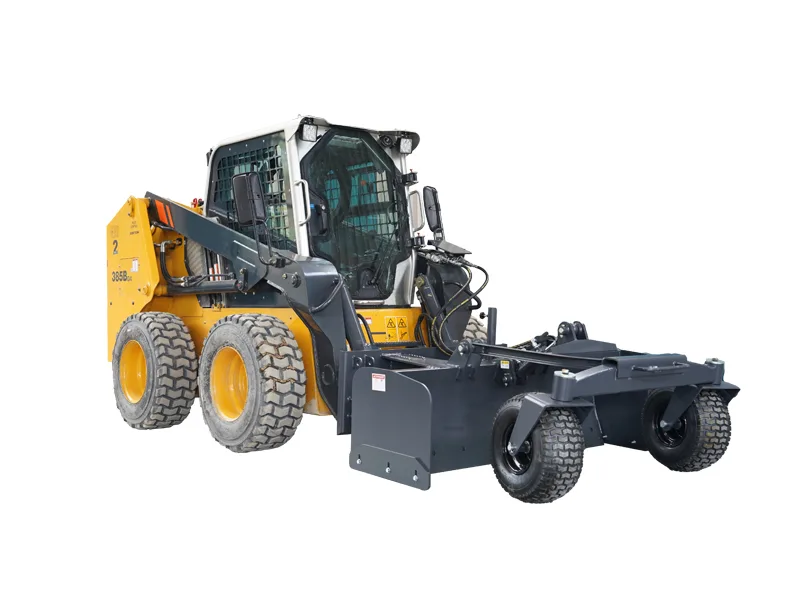
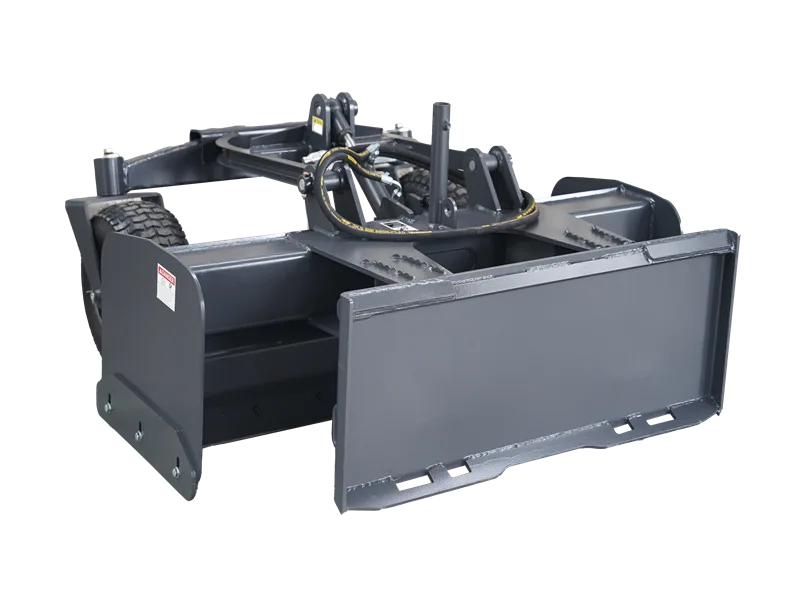
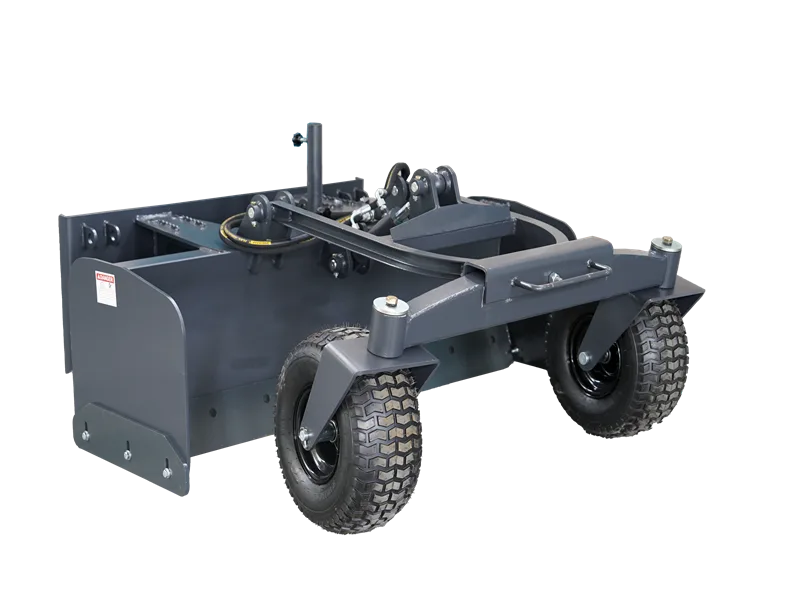
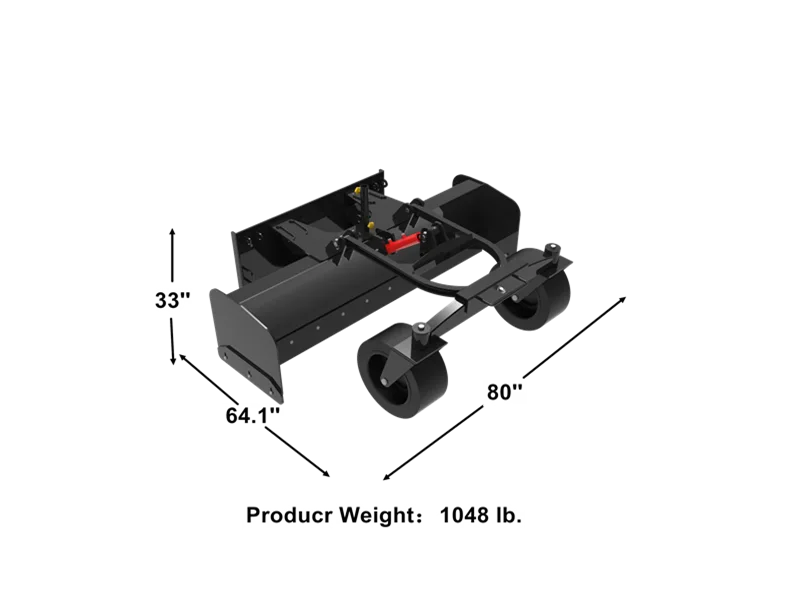
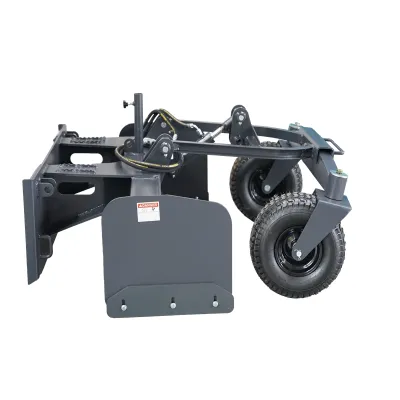
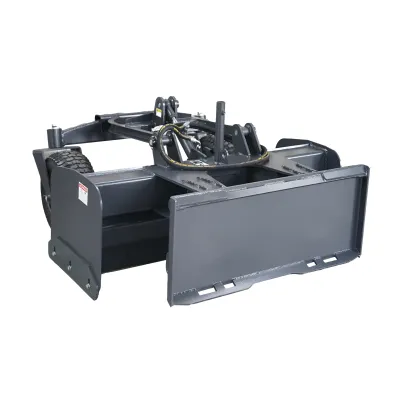
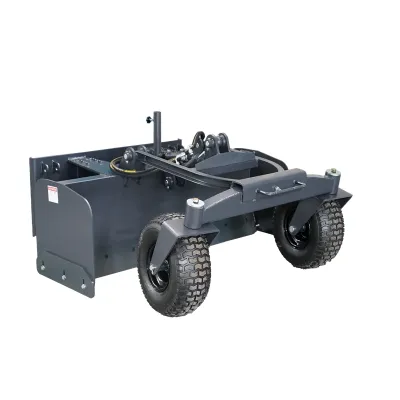
The TG-GD2030 is a ground-grading attachment that mounts to the universal quick-attach plate on skid steers and compact track loaders. It offers an 80-inch (2030 mm) working width, a box frame with front and rear cutting edges, and hydraulic gauge wheels for depth management. This box blade handles residential lot grading, building pad preparation, gravel driveway resurfacing, backfilling, and agricultural lane maintenance.
Each unit ships with a universal quick-attach frame (MP1220) and weighs 476.65 kg, designed for skid steers and compact track loaders with sufficient rated operating capacity. The box design combines the material containment of a scraper with the leveling capability of a land plane, making it a practical grading tool for contractors, landscapers, and equipment dealers. As a direct manufacturer, TGEC supplies this blade to dealers and contractors worldwide with factory-direct pricing and custom configuration options.
Technical Specifications
| Specification Item | TG-GD2030(80IN)-MP1220 |
|---|---|
| Model | TG-GD2030(80IN)-MP1220 |
| Working Width | 80" (2030 mm) |
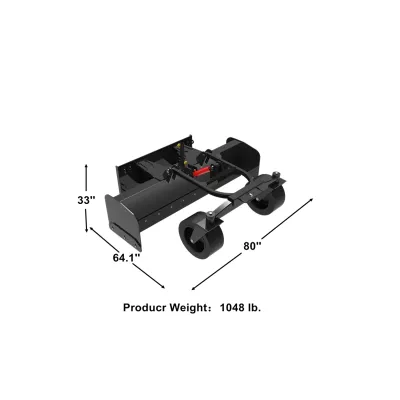
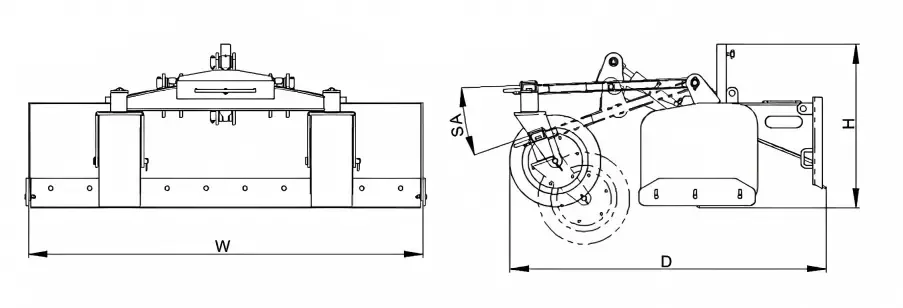
| Dimension (L × W × H) | 2054 × 1629 × 839 mm (80.9 × 64.1 × 33.0 in) |
| Weight | 476.65 kg (1050.9 lb) |
| Mounting System | Universal Quick Attach (MP1220) |
Specifications are subject to change without notice. Contact TGEC for the latest technical data and custom configuration options.
How It Works
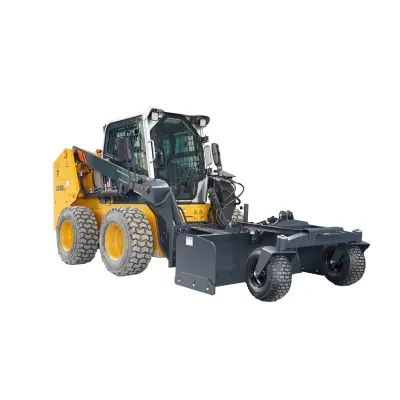
The box blade mounts to the skid steer's universal quick-attach plate, using the loader arms to control cutting depth and angle. The box frame holds material between the front and rear cutting edges, allowing the operator to scrape, carry, and redistribute soil or gravel. Hydraulic gauge wheels (where fitted) maintain a consistent cutting height for uniform finish grading and are connected through the loader's auxiliary hydraulic system. The operator controls the attachment through the loader arm controls.
Installation & Mounting
Align the box blade's universal quick-attach plate with the skid steer's interface, lower the loader arms to engage the pins, and secure the latch. For units with hydraulic gauge wheels, connect the auxiliary hoses to the skid steer's quick-disconnect couplers. Cycle the hydraulic controls slowly to verify smooth gauge-wheel adjustment before starting work.
Application Scenarios
Land leveling and finish grading for residential lots, building pads, and landscaping projects.
Gravel driveway maintenance, resurfacing, and pothole repair with controlled material redistribution.
Backfilling and spreading soil around foundations, trenches, and utility installations.
Agricultural lane maintenance, feedlot cleaning, and field preparation.
Construction site prep including grading, leveling, and material spreading.
Snow and light material pushing in winter months.
Wear & Service
Regular inspection of wear components extends the box blade's service life. Key wear items include the front and rear cutting edges, which wear from soil and rock contact; scarifier teeth (where equipped), which wear from breaking compacted ground; and pivot pins and bushings at the gauge wheel and mounting joints. Replace cutting edges when worn to maintain grading efficiency, and check scarifier teeth for excessive wear that reduces penetration. Hydraulic hoses and fittings (where equipped) should be inspected for cracks, abrasion, and leaks, and replaced if damaged.
Dealer & Bulk Orders
TGEC supplies the skid steer box blade to equipment dealers and distributors worldwide. OEM and private-label programs are available for qualified partners, including custom paint colors, nameplates, packaging, and configuration modifications. Custom jobs are subject to engineering review and production feasibility. Contact the OEM sales team with your branding specifications, target configurations, and estimated annual volume to discuss supply terms. For the full blade lineup and category information, visit the skid steer blades hub. To learn about grading techniques, read our guide on how to level land with a skid steer. For attachment selection guidance, see how to choose a skid steer land plane. To compare grading attachment types, read skid steer land plane vs box grader.
Request a Quote
Tell us about your grading project—what type of ground you're working on (soil, gravel, compacted clay), the required finish quality, and your skid steer model and rated capacity. Also let us know if you prefer hydraulic gauge wheels for depth control or scarifier teeth for breaking hard surfaces. With that information, we'll check compatibility, suggest the best cutting-edge configuration, and return a quotation with pricing and delivery timeline tailored to your job.