Product Overview
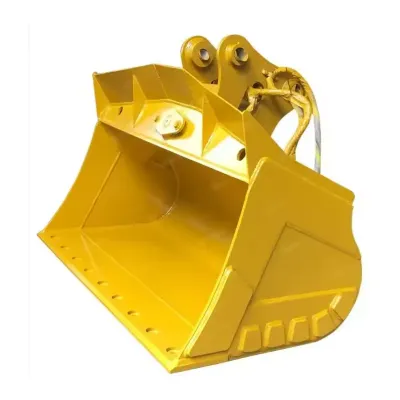
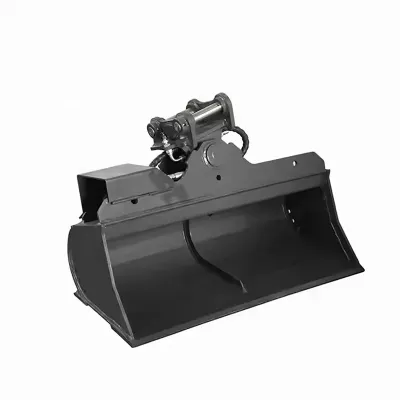
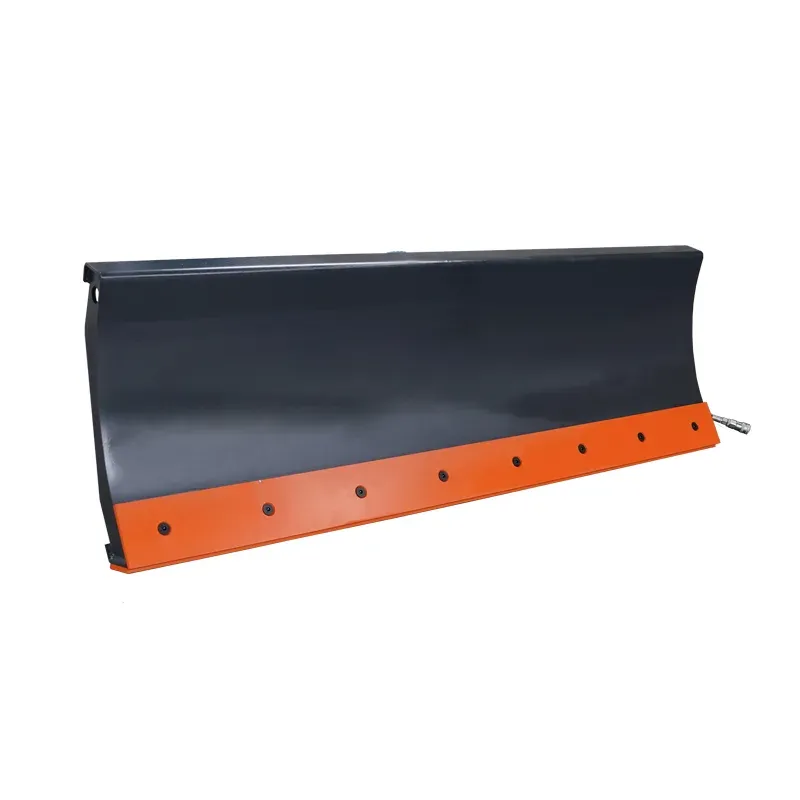
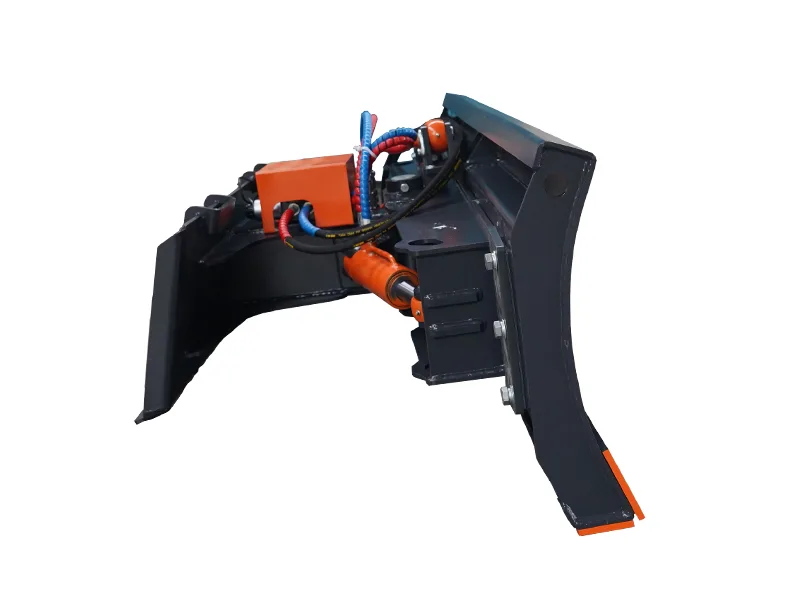
A standard angle blade only pivots left and right — it can windrow material and push straight, but it cannot conform to sloped ground or maintain a consistent cutting angle on uneven terrain. The TGEC tilting dozer blade solves this limitation with a dual-hydraulic design: one cylinder controls ±30° of angle rotation (left/right), and a second cylinder controls ±10° of tilt (side-to-side pitch). The blade provides six-way positioning through its hydraulic angle and tilt functions combined with the skid steer's lift and bucket-control functions, letting the operator maintain full cutting edge contact on side slopes, crowned roads, ditch banks, and irregular ground that would leave a standard blade scraping high on one side and floating on the other.
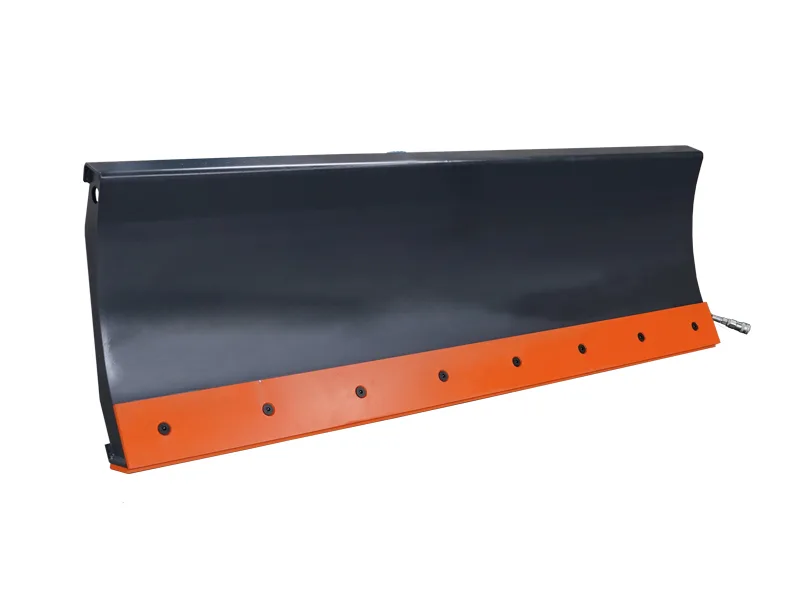
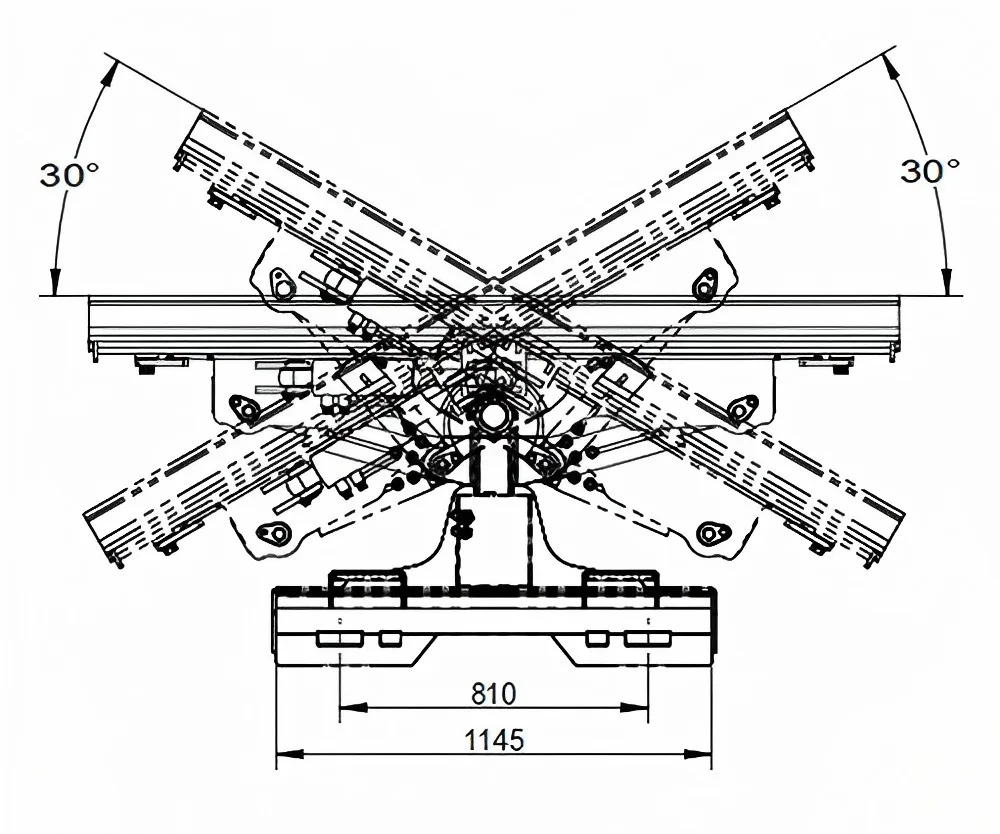
Built for larger-frame skid steers and compact track loaders, the 84-inch tilting blade weighs 583 kg and features a reinforced moldboard with a heavy-duty tilt hinge mechanism that withstands the twisting forces generated when grading on slopes. The 1845 mm width at full 30° angle turn maintains effective coverage even when windrowing. Operating pressure ranges 16–21 MPa, compatible with standard auxiliary hydraulics on most larger-frame machines. The MP1220 universal quick-attach interface is designed for compatible skid steer and compact track loader mounting systems. Custom mounting brackets may be available for other machine configurations. Contact TGEC with your machine make, model, and mounting dimensions for evaluation.
Specifications
| Parameter | Value |
|---|---|
| Model | TG-TDB2130(84IN)-MP1220 |
| Working Width | 2130 mm / 84" |
| Width at 30° Angle Turn | 1845 mm |
| Dimensions (L × W × H) | 2130 × 973 × 704 mm |
| Max Hydraulic Angle | ±30° (Left / Right) |
| Max Hydraulic Tilt | ±10° (Side to Side) |
| Operating Pressure | 16 – 21 MPa |
| Mounting Type | MP1220 Universal Quick-Attach |
| Product Weight | 583 kg |
Key Features
Dual-Hydraulic Six-Way Operation
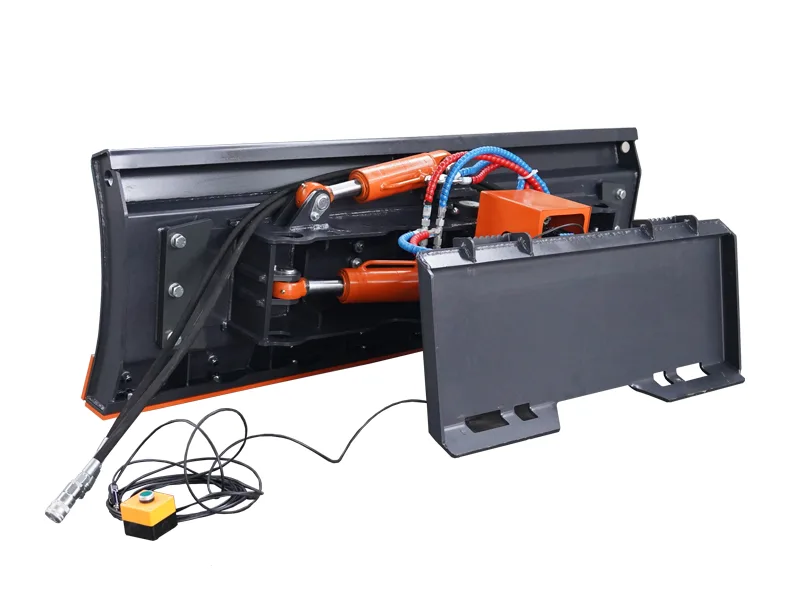
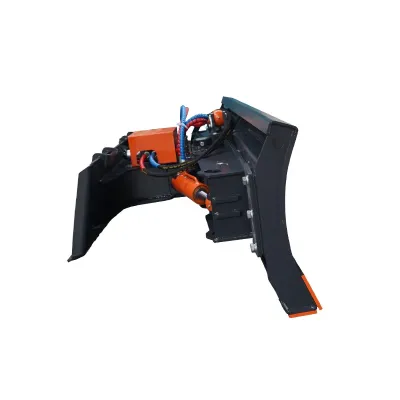
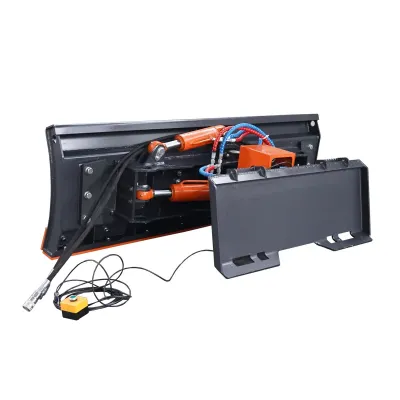
Two independent hydraulic cylinders deliver ±30° angle rotation and ±10° side tilt — both controlled from the cab via auxiliary hydraulics. The six-way positioning combines blade angle, blade tilt, machine lift, and machine bucket control, letting the operator conform the blade to terrain profiles without repositioning the skid steer.
Heavy-Duty Tilt Hinge Mechanism
The tilt function operates through a reinforced hinge assembly with oversized pivot pins and bushings, designed to withstand the twisting and side-loading forces generated when grading on slopes. The 583 kg frame provides the mass needed to maintain cutting edge contact on hard ground without bouncing.
1845 mm Effective Width at Full Angle
Even when rotated to the full 30° angle for windrowing, the blade maintains an effective cutting width of 1845 mm — ensuring consistent coverage per pass whether pushing straight or angled to the side.
Reinforced Curved Moldboard
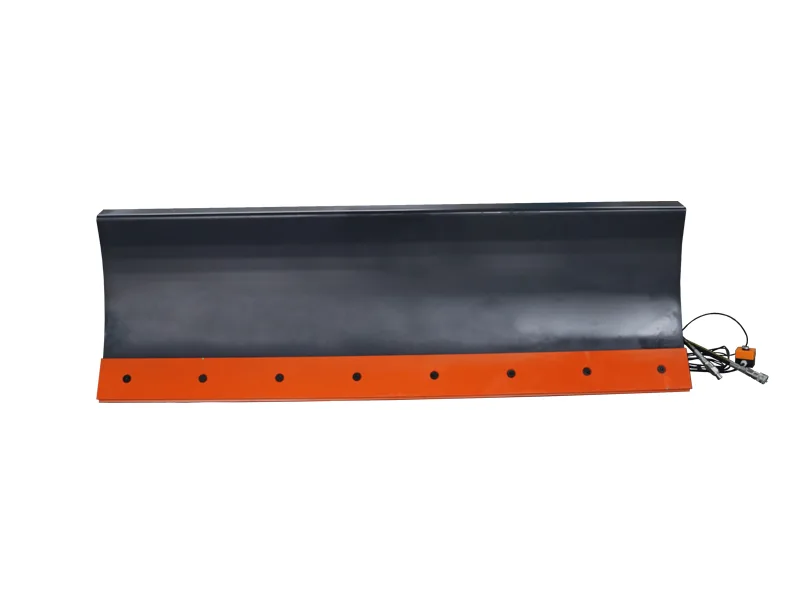
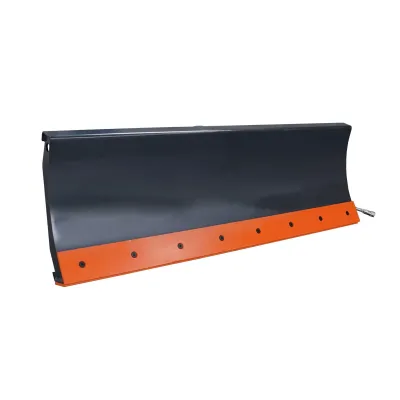
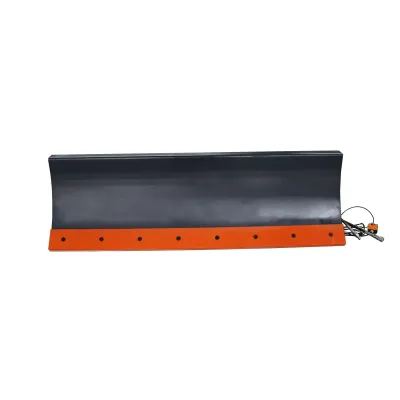
The curved blade face rolls material forward rather than dragging it, reducing resistance and allowing larger volumes per pass. Vertical and horizontal reinforcing ribs behind the cutting edge resist twisting under heavy loads, especially important when the tilt function places uneven stress on the blade.
MP1220 Universal Mounting with Custom Options
The standard MP1220 quick-attach plate is designed for compatible skid steer and compact track loader mounting systems. Confirm your machine model and mounting configuration with TGEC before ordering. Custom mounting brackets may be available for other machine configurations — contact TGEC with your machine make, model, and mounting dimensions for evaluation.
How It Works
The tilting dozer blade mounts to the skid steer's loader arms via the MP1220 quick-attach plate and connects to the machine's auxiliary hydraulic circuit. Two hydraulic cylinders control the blade's orientation: the angle cylinder pivots the entire blade assembly ±30° around a central vertical axis, directing material to the left or right for windrowing and slope grading; the tilt cylinder rotates the blade ±10° around a horizontal axis running front-to-back, raising or lowering one side of the cutting edge relative to the other. When grading on a side slope, the operator tilts the blade so the cutting edge remains parallel to the slope — maintaining full contact across the entire 84-inch width instead of scraping high on the uphill side and floating on the downhill side. The loader arms control blade height, and the skid steer's standard bucket tilt function adjusts the cutting edge pitch for scraping or carrying. All functions are controlled from the cab — no manual pin adjustment, no leaving the seat to reconfigure the blade between passes.
Compatibility
The TGEC tilting dozer blade uses the MP1220 universal quick-attach interface, designed for compatible skid steer and compact track loader mounting systems. The 583 kg attachment requires a skid steer or CTL with sufficient rated operating capacity and lift capacity for the attachment and intended application. Confirm machine capacity and hydraulic requirements before ordering. The dual-hydraulic design requires two auxiliary circuits (one for angle, one for tilt) — if your machine has only one auxiliary circuit, a diverter valve can be installed to switch between angle and tilt functions from the cab. Operating pressure 16–21 MPa. Custom mounting brackets may be available for other machine configurations — provide your machine make, model, and mounting dimensions for evaluation.
Applications
Slope & embankment grading: Tilt function maintains cutting edge contact on side slopes, ditch banks, and road embankments where a standard angle blade may not maintain full edge contact
Crowned road & driveway maintenance: Angle and tilt combined let the operator shape and maintain road crowns for proper drainage, repairing washouts and reshaping surfaces
Precision finish grading: Six-way adjustment allows the operator to match the blade to terrain profiles, helping maintain more consistent blade contact on irregular ground
Trench backfilling on slopes: Tilt function directs backfill material into sloped trenches and helps maintain consistent fill depth across uneven ground
Landscape contouring: Shaping berms, swales, and drainage features with precise angle and tilt control — for golf courses, parks, and residential landscaping
Snow removal on sloped lots: Angle windrows snow while tilt helps maintain edge contact on sloped parking lots and driveways, reducing scraping and missed patches
Farm lane & barnyard maintenance: Grading gravel lanes, reshaping barnyard drainage, and maintaining feed alley surfaces on uneven farm terrain
Tilting Blade vs. Standard Angle Blade
| Application | Standard Angle Blade | Tilting Dozer Blade |
|---|---|---|
| Flat grading | Suitable | Suitable |
| Side slopes | Limited by blade angle | Hydraulic tilt available |
| Ditch banks | Limited | Hydraulic tilt helps maintain edge contact |
| Crowned roads | Limited | Angle + tilt adjustment |
| Uneven terrain | Limited | Angle + tilt adjustment |
Wear Parts & Service Support
Replacement components available for the tilting dozer blade include cutting edges, bolt-on skid shoes, angle and tilt pivot pins and bushings, hydraulic hoses with flat-faced couplers, angle and tilt hydraulic cylinders, and seal kits for both cylinders. The dual-cylinder design means two sets of hydraulic components to maintain — we recommend stocking seal kits and hoses for both cylinders. Contact TGEC for parts availability and lead times for your specific replacement needs.
Request a Quote
Tell us your skid steer or CTL make and model, operating weight, rated operating capacity, number of auxiliary hydraulic circuits, and the grading applications you handle most. Our team will review mounting and hydraulic compatibility for the 84-inch tilting dozer blade and send you a factory-direct quotation with lead time and delivery terms. Dealer and volume inquiries are welcome — reach out to discuss sample orders, container pricing, and custom branding options.