Welcome to the Official Website of TianGe Attachments.

Skid Steer Disc Mulcher

Skid Steer Disc Mulcher

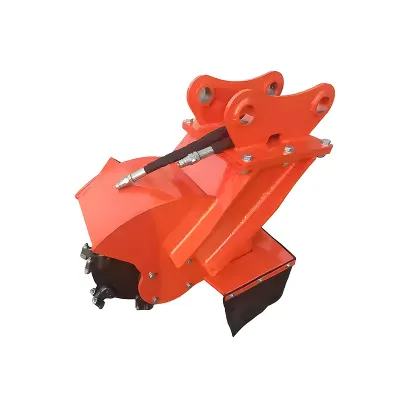
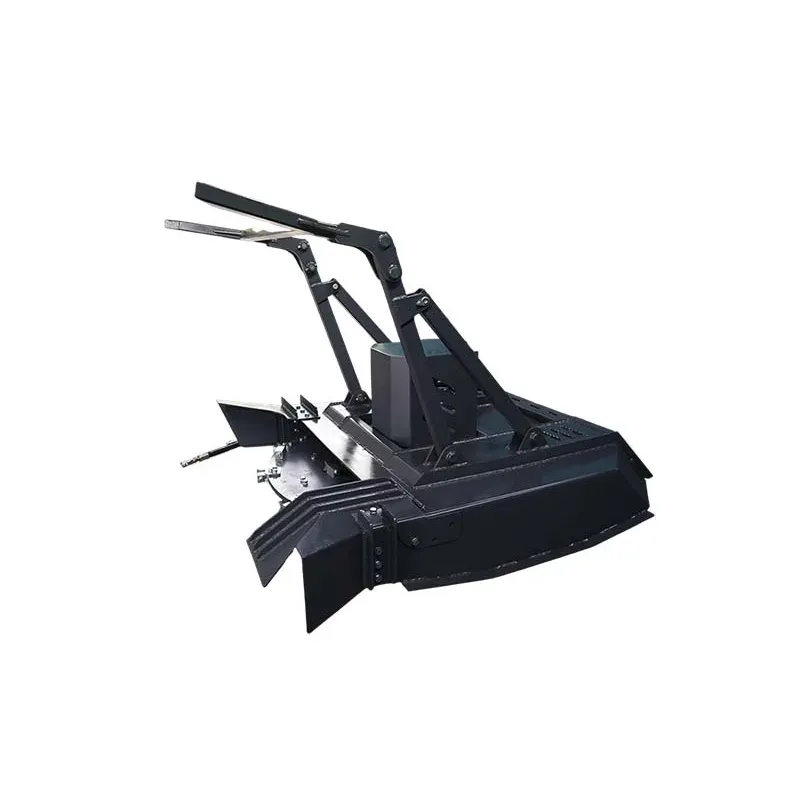
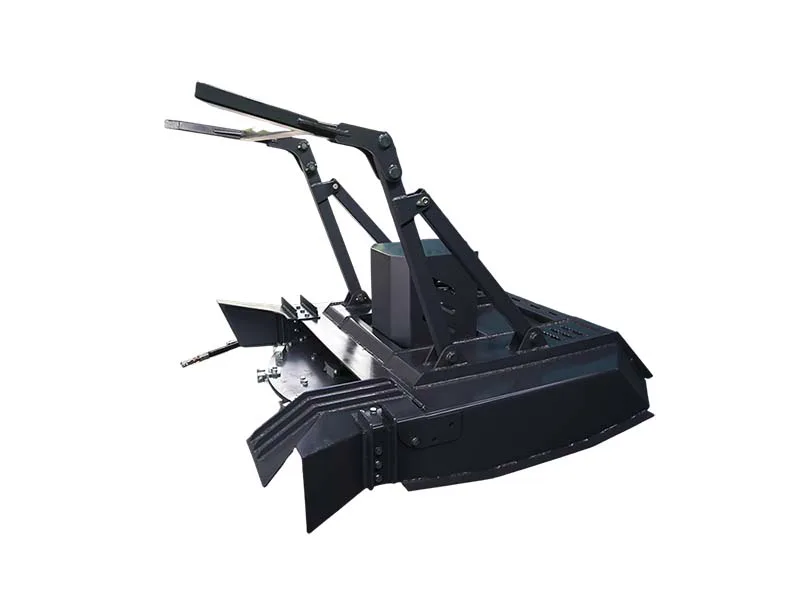
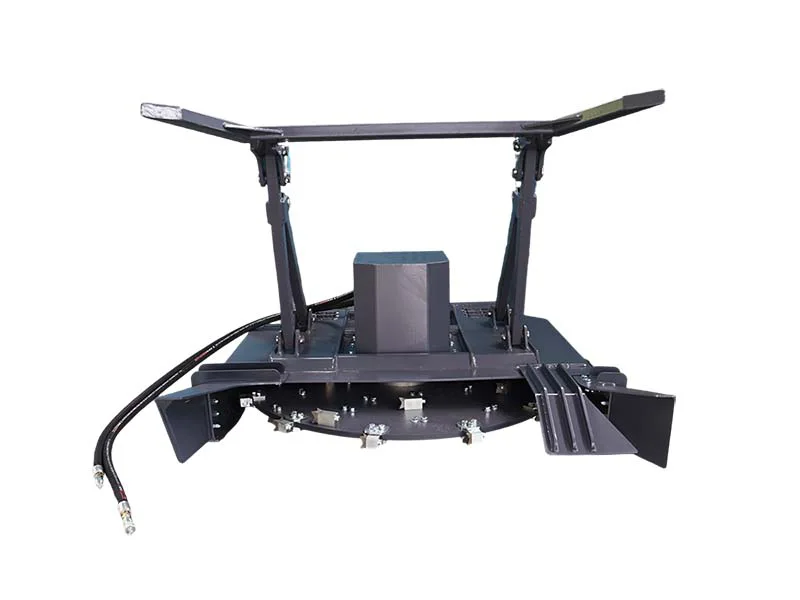
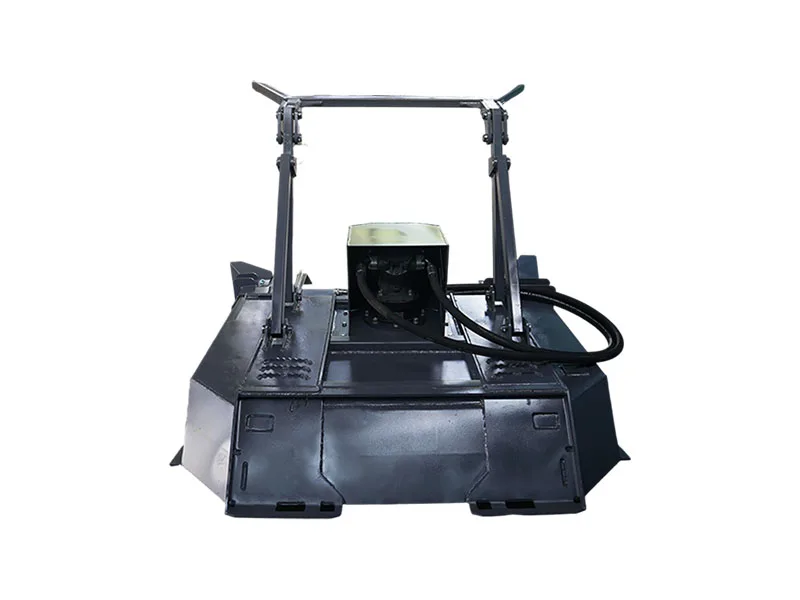
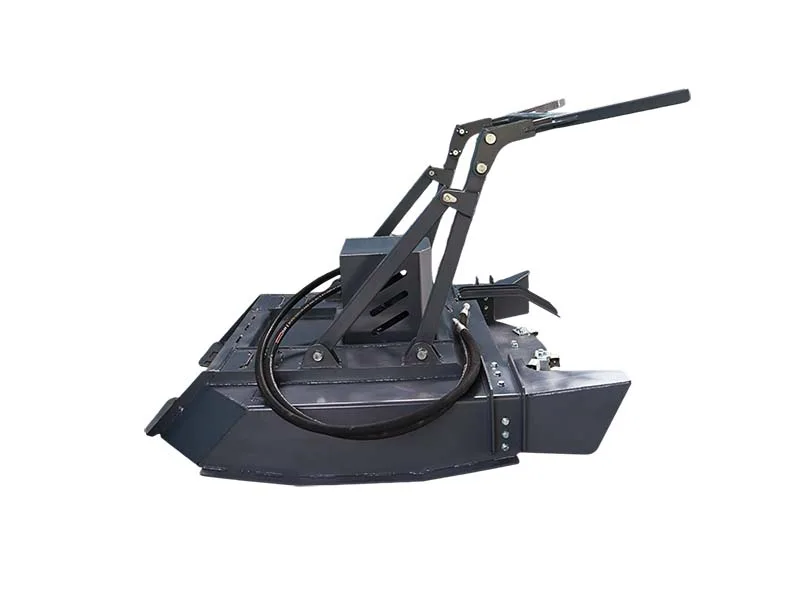
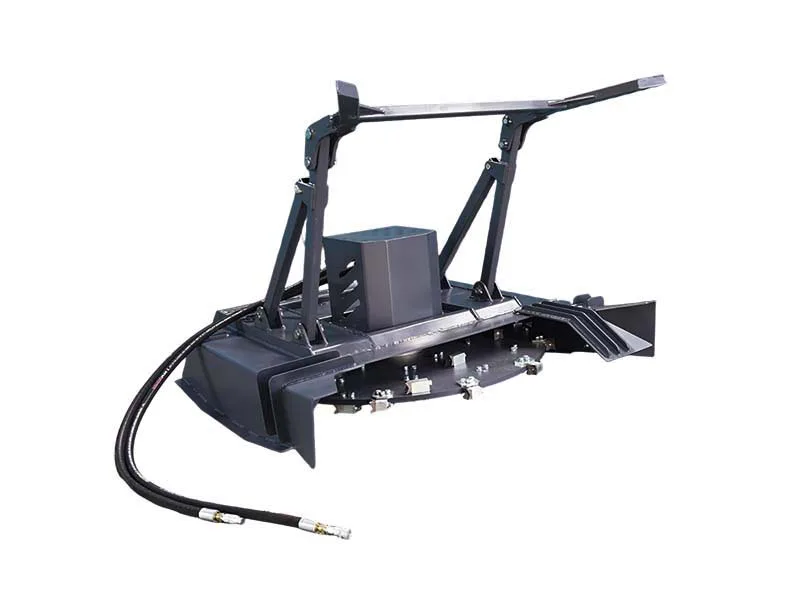
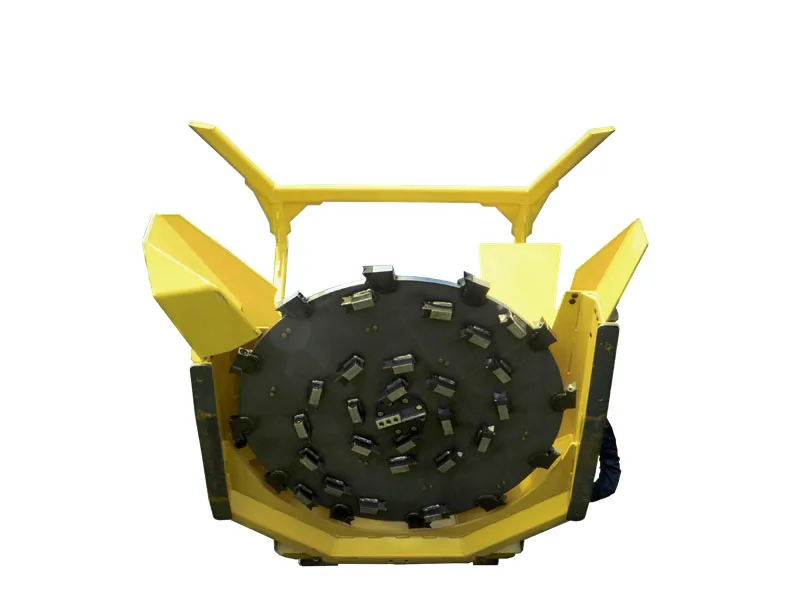
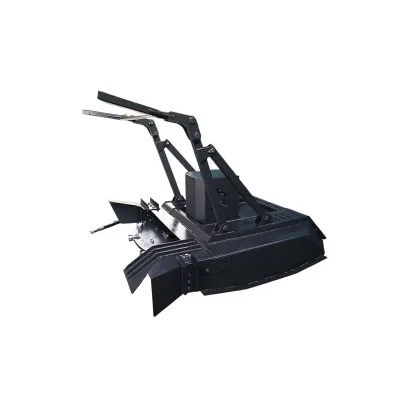
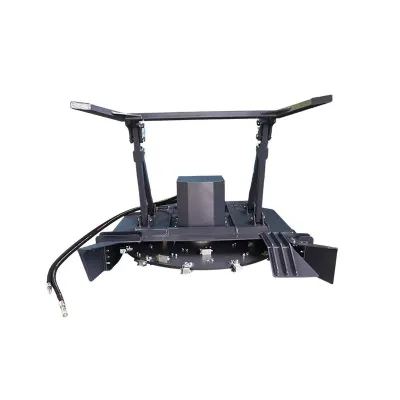
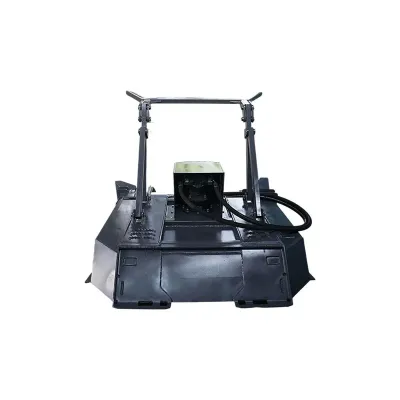
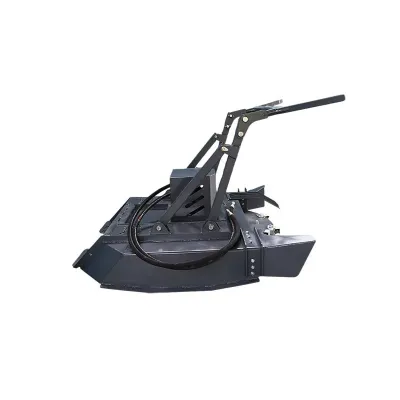
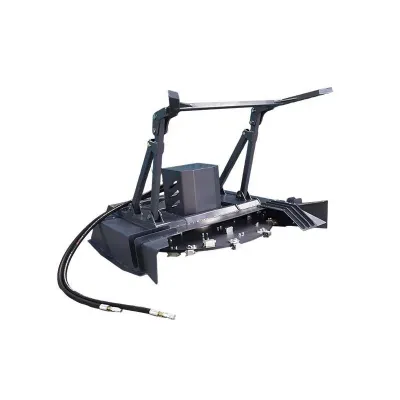
TGEC TG-DM1830 skid steer disc mulcher with heavy rotary disc and flywheel energy storage. 1830 mm total width, 1520 mm working width, 1153 kg, 130-200 L/min high-flow, 25 MPa. For high-production land clearing, standing timber and right-of-way work.
Product Name: Disc Mulcher / Skid Steer Disc Mulcher / Rotary Mulcher / Forestry Disc Mulcher / Disc Mulcher Attachment
Type: Mulchers
After-sales Service: Provided
Warranty: 1 Year
Customization: Available
Shipping Cost: Negotiate with us about shipping cost and estimated delivery time.
Get a quote
Overview
FAQ

Product Overview

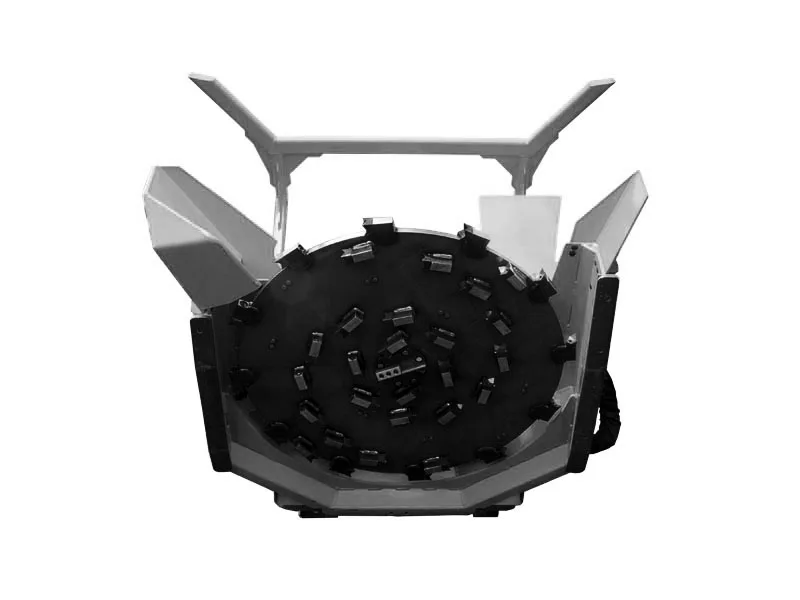
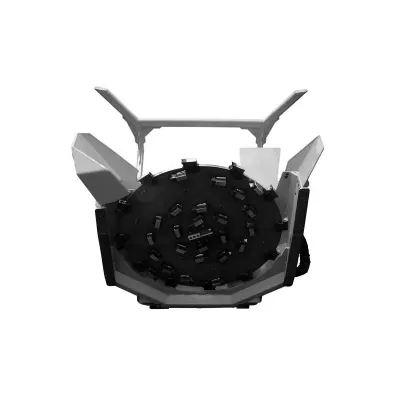
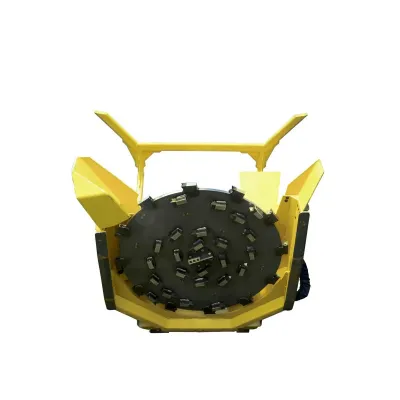
A disc mulcher uses a heavy rotary disc for cutting woody vegetation and is suited to production land clearing and right-of-way work. The TG-DM1830 uses a heavy steel disc with carbide teeth that spins at high speed, with flywheel energy storage that helps maintain disc rotational energy when cutting dense vegetation. It mounts via universal quick-attach and requires a high-flow auxiliary circuit. The resulting material size and finish can differ from drum-style mulchers.

The TG-DM1830 measures 1830 mm (72.0 in) total width with a 1520 mm (59.8 in) working width, weighs 1153 kg (2542 lb), and requires 130 to 200 L/min (34 to 53 GPM) at 25 MPa (3626 psi). The rotary disc design uses flywheel inertia to help maintain disc rotational energy when cutting dense vegetation. Within the skid steer mulchers product family, this disc model pairs with the skid steer forestry mulcher — which uses a drum rotor for finer mulch — giving operators a choice between speed and finish quality. For help matching hydraulics, see our hydraulic flow guide.

Technical Specifications

ParameterValue
ModelTG-DM1830
Total Width1830 mm (72.0 in)
Working Width1520 mm (59.8 in)
Attachment Weight1153 kg (2542 lb)
Rated Hydraulic Flow130–200 L/min (34–53 GPM)
Max Working Pressure25 MPa (3626 psi)
Disc DesignRotary disc (flywheel energy storage)
Mounting TypeUniversal Quick-Attach

Table data is for reference only. Actual specifications may vary based on the final configuration. Please contact the TianGe technical team for details.
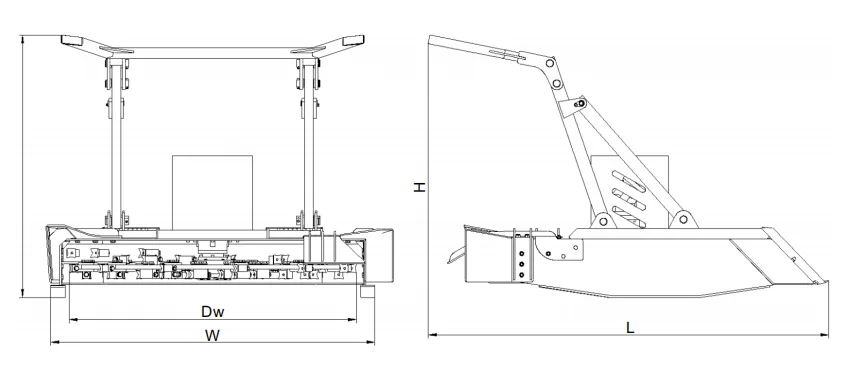
TGEC Skid Steer Disc Mulcher – Rotary Cutting Head with Flywheel Design

How It Works

High-pressure hydraulic fluid from the skid steer's auxiliary circuit drives a motor that spins a heavy steel disc. The disc's mass creates flywheel effect — once up to speed, it stores rotational energy that helps it power through thick brush and trees without losing momentum. Cutting teeth mounted around the disc perimeter strike and sever vegetation as the disc rotates. The operator controls engagement speed through the auxiliary flow and positions the disc using the skid steer's boom and tilt.

Application Scenarios

  • High-production land clearing: Rapidly cut and mulch trees and brush on large development sites, highway projects, and industrial clearing jobs.

  • Right-of-way and pipeline clearing: Clear wide swaths along utility corridors, pipeline routes, and transmission line access roads.

  • Standing timber reduction: Cut and process small-to-medium standing trees in woodlots and overgrown property.

  • Farm and ranch clearing: Remove fence-line brush, clear overgrown pasture, and open new fields for grazing.

  • Vegetation and fuel-load reduction: reduce brush and small-tree density in applicable land-management projects.

Installation & Mounting

The disc mulcher connects to the skid steer via the universal quick-attach plate — align the receiver, lock the levers, and connect the high-flow auxiliary hoses. Before operation, confirm that the carrier's auxiliary hydraulic system meets the TG-DM1830 flow and pressure requirements and that its rated operating capacity is suitable for the 1153 kg attachment. After connecting the hydraulic lines, check the system for leaks and verify proper motor operation according to the manufacturer's procedures.

Wear & Service

The main wear items are the disc teeth, the disc itself, the hydraulic motor, bearings, hoses, and the quick-attach latches. Check the teeth before each shift for wear, cracks, or missing carbide — replace individual teeth as needed. After hitting rocks or debris, inspect the disc for cracks, warping, or elongated tooth mounting holes. Listen for unusual noise from the motor or bearings, and check hoses for chafing or leaks. Grease all pivot points and bearings on schedule. The disc stores significant rotational energy. Allow it to come to a complete stop before inspection or maintenance. Genuine replacement parts are available.

OEM & Bulk Supply

TGEC supplies disc mulchers to equipment dealers, land clearing contractors, rental fleets, and OEM partners on factory-direct terms. Volume pricing and private-label branding are available for qualified orders. Custom configurations — modified tooth patterns, adjusted disc dimensions, alternative mounting plates, custom hydraulic settings — can be reviewed for production runs.

High-Volume Land Clearing or Right-of-Way Work — What's Your Primary Job?

If you know your skid steer make and model and high-flow hydraulic specs, you're most of the way there. Add your operating weight, ROC, and the vegetation type you handle most — brush, small trees, or standing timber — and we'll do the rest: confirm the right disc mulcher configuration, check compatibility, and send pricing with estimated delivery timing.
Frequently Asked Questions

What type of vegetation is a skid steer disc mulcher designed to cut?+

A disc mulcher is designed for cutting woody vegetation such as brush, saplings and standing trees. The heavy rotary disc with flywheel energy storage helps maintain cutting momentum through dense woody material. Actual material size and cutting performance depend on vegetation type, carrier hydraulic performance, operating conditions and site conditions.

How does a disc mulcher cut trees and brush?+

A disc mulcher uses a heavy steel disc with cutting teeth around its perimeter, spun at high speed by a hydraulic motor powered by the skid steer's high-flow circuit. The disc's mass creates flywheel energy storage that keeps it spinning when teeth engage thick vegetation, helping maintain rotational momentum under changing cutting loads. The teeth strike and sever brush and tree trunks as the operator moves the disc into the material. Unlike a drum mulcher, which shreds through a cylindrical rotor, the disc mulcher cuts with a wide, flat rotating surface. The two designs use different cutting mechanisms and can produce different throughput and material finishes depending on the application.

What hydraulic flow is required for a disc mulcher?+

The TG-DM1830 is rated for 130–200 L/min (34–53 GPM) hydraulic flow at a maximum working pressure of 25 MPa (3626 psi). The carrier must meet the required hydraulic specifications before operation. Insufficient flow may result in slow disc acceleration, reduced flywheel energy and poor cutting in thick vegetation.

What skid steer horsepower is suitable for a disc mulcher?+

The appropriate carrier should be selected based on the required 130–200 L/min hydraulic flow, 25 MPa maximum working pressure, attachment weight and the carrier manufacturer's rated operating capacity. Always verify your machine's high-flow specs against the TG-DM1830 requirements before purchase.

What is the difference between a disc and drum mulcher?+

A disc mulcher uses a flat rotary disc with cutting teeth around the perimeter, while a drum mulcher uses a cylindrical rotor. Their cutting mechanisms, material processing and resulting finish differ, so the appropriate design depends on the vegetation and desired application.

What types of teeth or cutters are used on a disc mulcher?+

The disc uses carbide teeth mounted around its perimeter. These teeth are designed for impact cutting of woody vegetation and are individually replaceable, so you can swap damaged or worn teeth without replacing the whole disc.

How do I choose the correct disc mulcher width?+

The TG-DM1830 has a total width of 1830 mm and a working width of 1520 mm. Selection should consider the carrier's operating capacity, hydraulic specifications and available working space.

Is a disc mulcher suitable for high-production land clearing?+

The disc design is suited to production-oriented land clearing where throughput is an important consideration. The flywheel effect helps maintain disc rotational energy through thick brush and standing timber. For large clearing projects, highway jobs, pipeline right-of-way, and commercial site development, the disc mulcher's cutting width and rotational energy support production clearing work.

How is a disc mulcher mounted to a skid steer?+

The disc mulcher mounts through the universal skid-steer quick-attach interface and connects to the carrier's high-flow auxiliary circuit. Follow the carrier and attachment manufacturer's procedures for mounting, hydraulic connection, operation and removal. Verify that the quick-attach system is fully locked before operation.

How should disc mulcher teeth be inspected and replaced?+

Inspect teeth before each shift for wear, cracking, bending, or missing carbide tips. Worn or damaged teeth cut poorly, stall more often, and stress the disc and motor. Because the disc stores a lot of energy, always let it stop completely and disconnect hydraulic power before inspection or replacement. Individual teeth are replaceable — remove the mounting bolts, install a new genuine tooth, and torque to spec. Check the tooth mounting holes in the disc for elongation or cracking, which can indicate impact with rocks or debris.

What maintenance should be performed on a disc mulcher?+

Regular maintenance includes: inspecting cutting teeth before each shift and replacing worn or damaged ones; checking the disc for cracks, warping, or elongated mounting holes after impacts; inspecting the hydraulic motor and shaft seal for leaks; checking drive bearings for noise or play; greasing all pivot and bearing points per schedule; inspecting hoses for abrasion, cracks, or leaks; checking the quick-attach plate and latches for wear; cleaning the disc housing after use to prevent corrosion and imbalance. Always let the disc stop completely before any maintenance.

What working conditions should be evaluated before using a disc mulcher?+

Before operating, survey the site for rocks, concrete, metal debris, fence posts, and stumps that can damage teeth or the disc. Evaluate tree size and density — the TG-DM1830 handles brush and small-to-medium trees but may struggle on very large timber. Check ground conditions: steep slopes, wet soil, or soft ground can affect carrier stability with the 1153 kg (2542 lb) front-mounted attachment. Ensure adequate clearance from structures, power lines, and desirable trees — the wide disc has a larger cutting footprint than a drum. Follow the carrier and attachment manufacturer's safety requirements and applicable site safety procedures. Clear bystanders and establish a safe operating radius, as the disc can throw debris.
Please make sure to include your phone number with the country code (e.g., 86 for China, 1 for USA).