Welcome to the Official Website of TianGe Attachments.

Skid Steer Tree Shear

Skid Steer Tree Shear

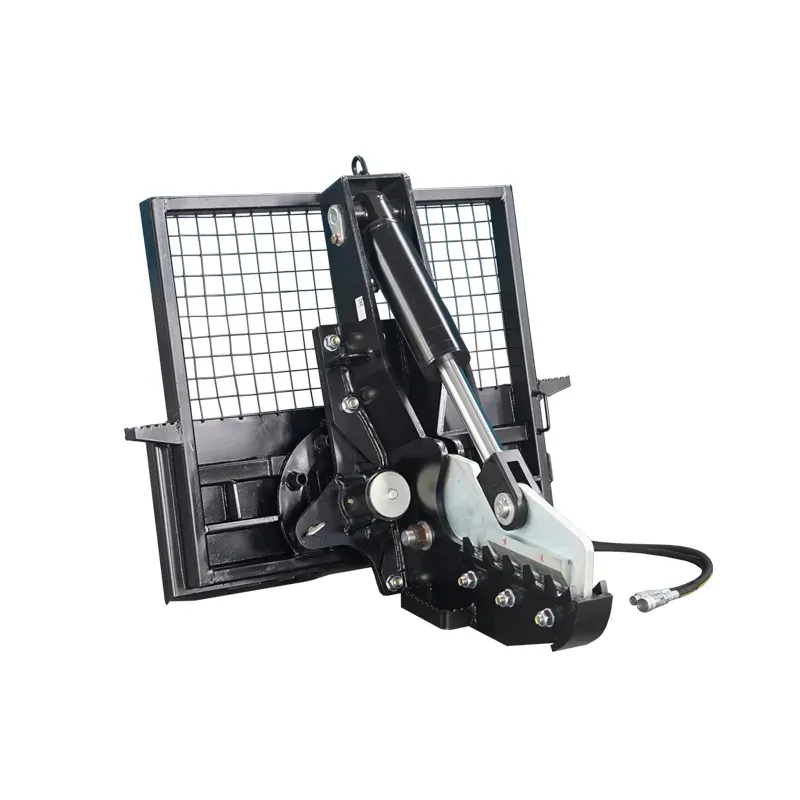
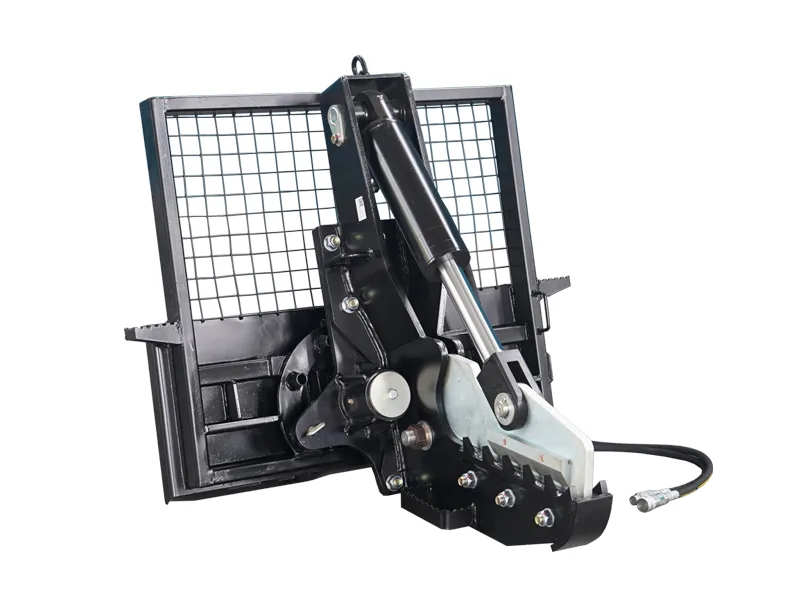
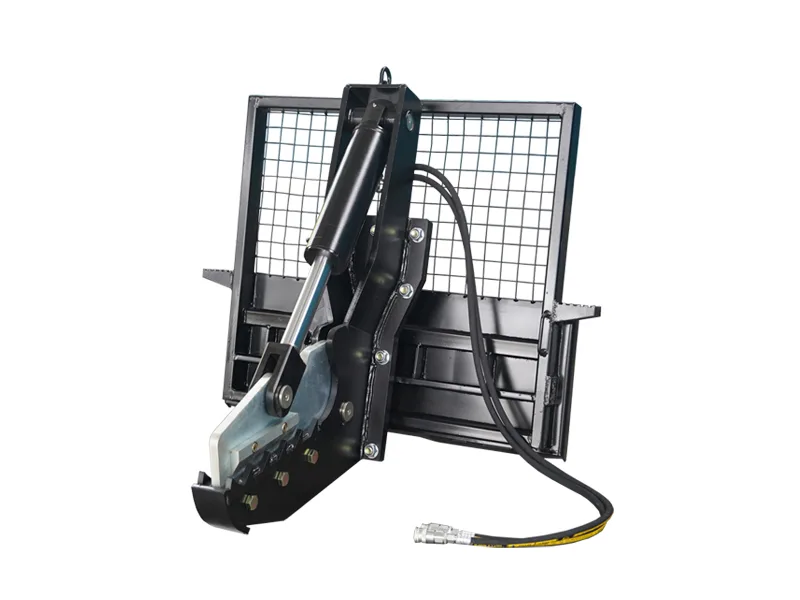
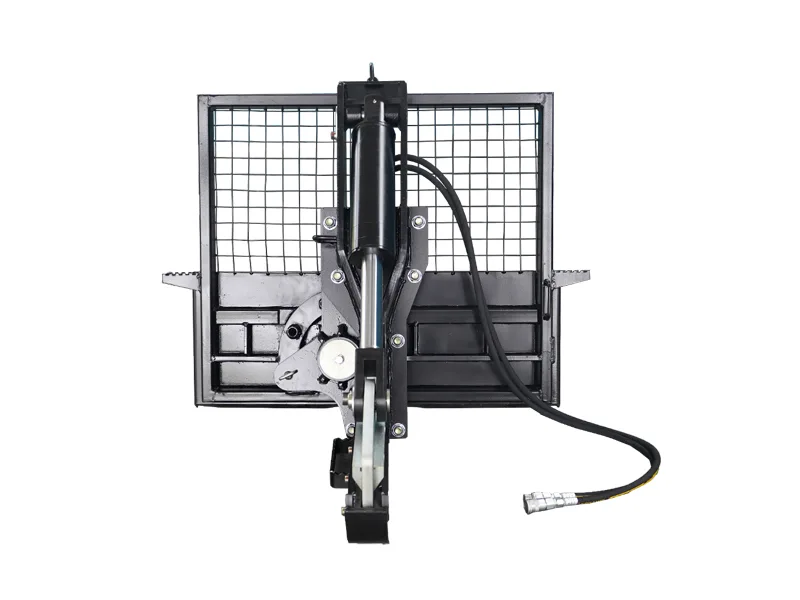
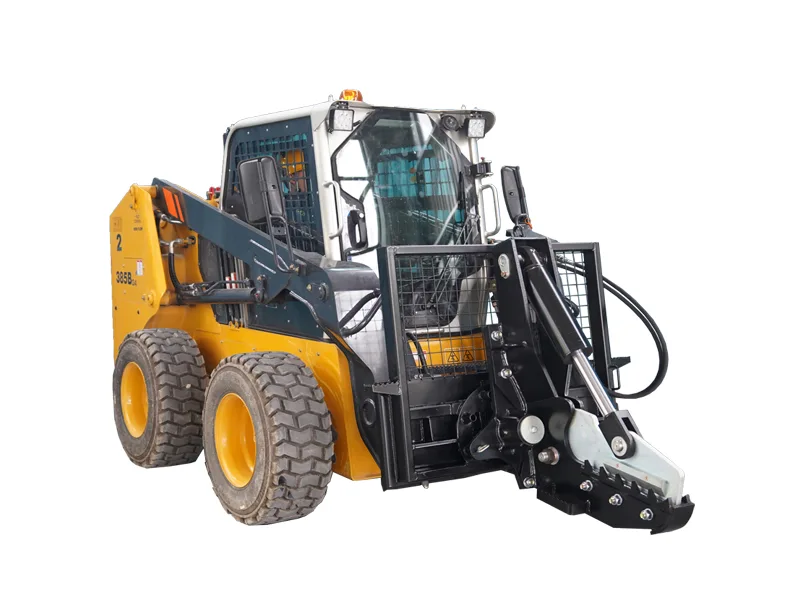
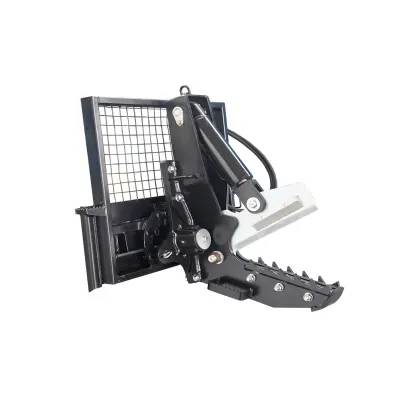
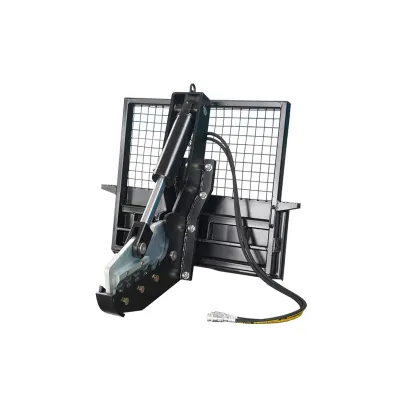
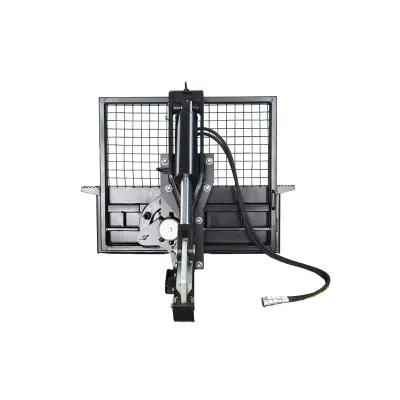
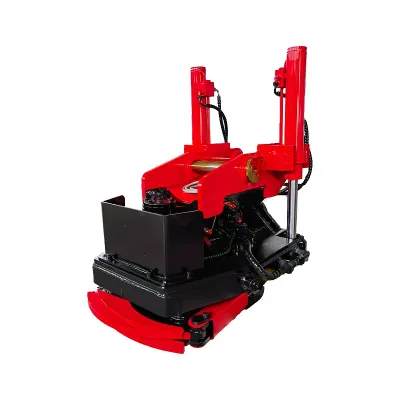
TG-TS1240 (49IN)-MP1220 skid steer tree shear with 300 mm (11.8 in) maximum cut diameter, 30-ton cutting force, AR400 heat-treated blade, ±90° hydraulic rotation, and universal quick-attach mounting for land clearing and vegetation management.
Product Name: Tree Shear / Hydraulic Tree Shear / Tree Cutting Attachment / Tree Cutter / Tree Cutting Shear / Tree Felling Attachment
Type: Tree Shears
After-sales Service: Provided
Warranty: 1 Year
Customization: Available
Shipping Cost: Negotiate with us about shipping cost and estimated delivery time.
Get a quote
Overview
FAQ

Product Overview

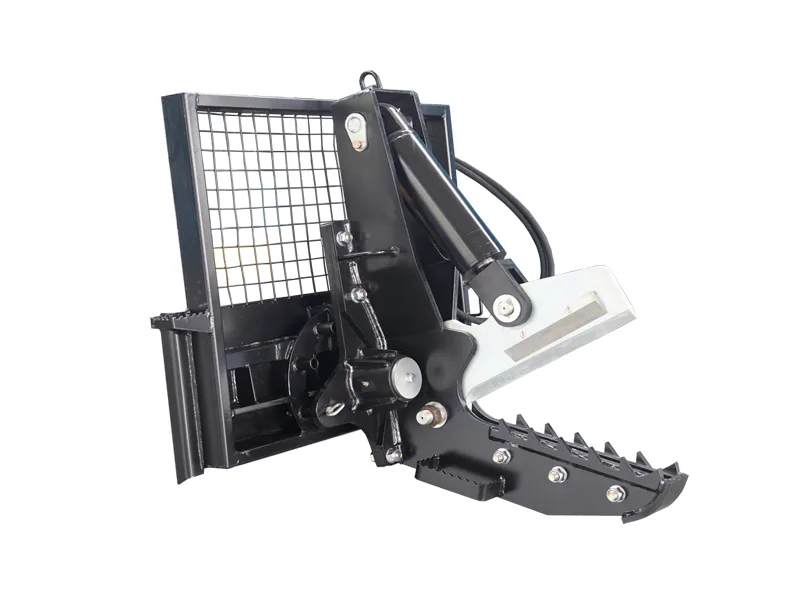
The TGEC skid steer tree shear is a hydraulic cutting attachment built for clean, controlled felling of standing trees and removal of large limbs. Its heavy-duty cutter frame and AR400 heat-treated blade deliver 30 tons of cutting force at 3,000 PSI, slicing through hardwood and softwood up to 300 mm (11.8 in) in diameter. The attachment mounts to a standard universal quick-attach plate and connects with flat-faced hydraulic couplers for a leak-free, low-maintenance setup.

Model TG-TS1240 (49IN)-MP1220 features ±90° hydraulic rotation that allows the operator to angle the cutter for precise cuts on leaning trees, limbs over structures, or trees in tight spaces. The rotating function is controlled through a second auxiliary hydraulic circuit, while the cutting blade operates on the primary auxiliary circuit. Built with a 341 kg (753 lb) all-steel frame and sealed pivot points, this tree shear handles daily commercial use in land clearing, right-of-way maintenance, and site preparation. Browse the full Skid Steer Tree Shears category for manufacturer and supply information.

Technical Specifications

ParameterTG-TS1240 (49IN)-MP1220
ModelTG-TS1240 (49IN)-MP1220
Max Cut Diameter300 mm (11.8 in)
Cutting Force30 tons @ 3,000 PSI
Rotation Angle±90° hydraulic
Blade MaterialAR400 heat-treated steel
Weight341 kg (753 lb)
Dimensions (H × W × D)1220 × 1025 × 1388 mm (48.0 × 40.4 × 54.6 in)
Mounting SystemUniversal quick-attach + flat-faced couplers

Table data is for reference only. Actual specifications may vary based on the final configuration. Please contact the TianGe technical team for details.
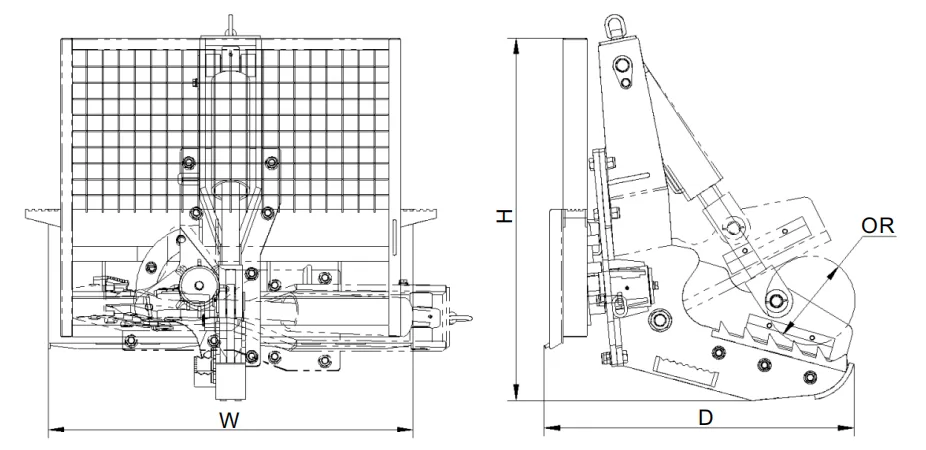
TGEC Skid Steer Tree Shear – 300mm Cut Diameter with ±90° Hydraulic Rotation

How It Works

The skid steer tree shear operates on the machine's auxiliary hydraulic system. When the operator engages the primary auxiliary circuit, hydraulic fluid flows to the cutter cylinder, driving the movable blade toward the fixed blade in a powerful guillotine motion. The AR400 heat-treated blade concentrates 30 tons of force across the cutting edge, slicing through tree trunks and limbs cleanly without splintering or tearing. The cutter frame guides the blade through a precise arc, ensuring the cut remains square and controlled even under full load.

The optional ±90° hydraulic rotation is powered by a separate hydraulic motor controlled through the second auxiliary circuit. The operator rotates the entire cutter head left or right to align the blade with leaning trees, overhead limbs, or trees positioned at angles to the machine. This rotational capability is especially valuable in right-of-way work, where trees and limbs grow at irregular angles, and in tight spaces where maneuvering the skid steer itself is impractical. Once the cut is complete, the operator releases the auxiliary control, the cylinder retracts the blade, and the felled tree can be pushed, stacked, or loaded with the skid steer's bucket or a separate grapple attachment.

Application Scenarios

  • Land clearing and lot preparation for residential and commercial construction

  • Right-of-way maintenance for power lines, pipelines, and roadways

  • Vegetation management for parks, golf courses, and municipal properties

  • Storm damage cleanup and fallen tree removal

  • Fence line clearing and property boundary maintenance

  • Orchard and vineyard removal for renovation or replanting

  • Forestry thinning and selective tree harvesting

Installation & Mounting

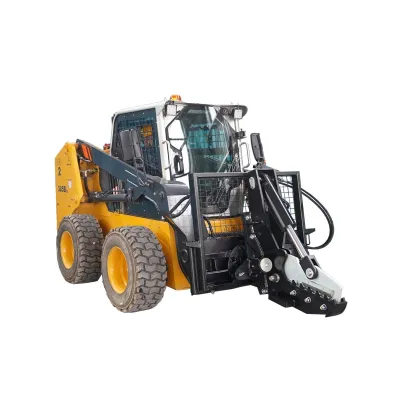
The TG-TS1240 tree shear mounts to a standard universal quick-attach plate without adapters. Align the attachment with the quick-attach plate, engage the locking pins, and connect the primary hydraulic couplers for the cutter cylinder. If using the ±90° rotation function, connect the secondary hydraulic couplers to the second auxiliary circuit. Verify that all couplers are fully seated and free of debris before operating. Cycle the cutter blade open and closed several times at low engine speed to purge air from the hydraulic circuit and confirm smooth operation. For machines with only one auxiliary circuit, the rotation function can be disabled by capping the secondary ports, though rotational positioning will not be available.

Wear & Service

The primary wear component on a tree shear is the AR400 cutting blade, which dulls over time from contact with dirt, rock, and hardwood. Inspect the blade edge before each shift, and sharpen or replace it when the edge becomes rounded or nicked. A dull blade requires more cutting force, increases stress on the hydraulic cylinder and frame, and produces ragged cuts that can split tree trunks. Check the blade gap between the movable and fixed blades regularly; excessive gap causes the blade to pinch or bind rather than shear cleanly. Lubricate all pivot pins and the rotation bearing daily with a high-quality grease rated for heavy loads. Inspect hydraulic hoses for abrasion near the cutter frame and rotation mechanism, and replace any hose that shows signs of wear, cracking, or leakage. For operators selecting a tree shear for their specific machine, our tree shear selection guide covers the key factors to evaluate. For compact and mini skid steer compatibility, see our mini skid steer sizing guide.

OEM & Bulk Supply

TianGe supplies the skid steer tree shear as a standard model and supports OEM customization including private-label branding, custom paint colors, alternative mounting plates, modified blade profiles, and single or dual hydraulic circuit configurations. Dealer and distributor bulk orders ship in consolidated containers with volume pricing, and each unit undergoes pre-shipment inspection including hydraulic pressure testing, blade gap verification, and rotation function testing. Custom blade profiles are available for specialized applications such as precision orchard removal or heavy-duty forestry work.

What's Your Primary Clearing Job — Land, Right-of-Way, or Orchard Removal? And What's Your Skid Steer Model?

Give us your machine model, auxiliary flow and pressure, and the typical tree sizes you're cutting. We'll cross-check the specs against the TG-TS1240 (49IN)-MP1220, confirm whether the ±90° rotation works with your auxiliary setup, and send over pricing and estimated availability.
Frequently Asked Questions

What types of trees can a skid steer tree shear cut?+

The TGEC tree shear is designed to cut standing trees and large limbs up to 300 mm (11.8 in) in diameter. It handles both hardwood and softwood species, including oak, maple, pine, cedar, poplar, and eucalyptus. The 30-ton cutting force and AR400 blade deliver clean cuts through green wood and seasoned wood. For trees larger than the maximum cut diameter, operators can make a series of plunge cuts or use a felling saw to reduce the trunk size before shearing. The attachment also cuts large limbs, brush, and small diameter multi-stem trees in a single pass.

What skid steer size is suitable for a tree shear?+

The TG-TS1240 tree shear is compatible with mid-frame and large-frame skid steers that have a rated operating capacity of at least 900 kg (2,000 lb) and standard auxiliary hydraulics. The attachment weighs 341 kg (753 lb), and the dynamic forces of cutting add additional load, so the machine should have sufficient capacity to handle the attachment at full lift height. Machines in the 60 to 80 horsepower range with standard or high-flow auxiliary circuits are ideal. Very compact or mini skid steers may not have the hydraulic flow, operating capacity, or physical size to operate this attachment effectively; operators of mini machines should consult the sizing guide for compatibility guidance.

How do hydraulic flow and pressure affect tree shear performance?+

The tree shear's cutting force is directly related to hydraulic system pressure. The attachment delivers 30 tons of cutting force at 3,000 PSI system pressure; lower pressure reduces cutting force and may cause the blade to stall on dense hardwood or large diameter trees. Hydraulic flow determines the speed at which the blade opens and closes. Standard-flow auxiliary circuits (typically 60 to 80 L/min) provide adequate blade speed for most cutting operations. High-flow machines can cycle the blade faster, increasing productivity in high-volume clearing work, but operators should ensure the system pressure does not exceed the attachment's rated maximum. The ±90° rotation function requires a second auxiliary circuit with sufficient flow to rotate the cutter head smoothly under load.

How do I match a tree shear to my skid steer?+

Start by verifying your skid steer's rated operating capacity, which should exceed the attachment's 341 kg (753 lb) weight plus the dynamic cutting forces. Check the auxiliary hydraulic system: confirm the system pressure (target 3,000 PSI for full cutting force), the auxiliary flow rate, and whether the machine has one or two auxiliary circuits. The cutter blade requires one circuit, and the ±90° rotation requires a second circuit. Verify that the universal quick-attach plate is compatible and in good condition. Measure the machine's auxiliary coupler type to ensure compatibility with the flat-faced couplers on the attachment. Finally, consider the machine's physical size and lift height relative to the attachment's 1,220 mm height and the tree sizes you intend to cut. If any specification falls short, consider a smaller attachment or a larger skid steer.

What attachment interface is used to mount a tree shear to a skid steer?+

The TG-TS1240 tree shear uses the universal quick-attach mounting system, which is the industry standard interface widely used on modern skid steer loaders. The attachment's mounting frame includes two quick-attach lugs that engage with the skid steer's mounting plate, and two spring-loaded locking pins secure the attachment in place. The operator can mount and dismount the attachment from the cab without leaving the seat. Hydraulic connections use flat-faced couplers, which provide a clean, leak-free connection and minimize fluid loss and contamination when disconnecting. For skid steers with non-standard mounting interfaces, TianGe can supply custom adapter plates through its OEM program.

How is a skid steer tree shear mounted and connected?+

To mount the tree shear, position the skid steer in front of the attachment, tilt the mounting plate forward, and drive forward until the quick-attach lugs engage the attachment's mounting frame. Roll the mounting plate back to lift the attachment, then engage the locking pins to secure it. Lower the attachment to the ground and connect the primary hydraulic couplers for the cutter cylinder, wiping both male and female couplers clean before connecting to prevent contamination. If using the rotation function, connect the secondary couplers to the second auxiliary circuit. Start the engine and cycle the cutter blade open and closed several times at low speed to purge air from the system and confirm smooth operation. Check for hydraulic leaks at all connections before beginning work. To dismount, lower the attachment to stable ground, release the locking pins, disconnect the hydraulic couplers (capping both ends to prevent contamination), and drive the skid steer forward away from the attachment.

What is the difference between a tree shear and a tree cutter?+

In the skid steer attachment industry, the terms tree shear and tree cutter are often used interchangeably to describe the same type of hydraulic cutting attachment. Both refer to a guillotine-style cutter that uses a movable blade and fixed blade to shear through tree trunks and limbs. Some manufacturers use tree cutter to describe attachments with a different blade geometry or cutting mechanism, but in most cases the terms describe functionally equivalent equipment. The TGEC attachment is marketed as a Skid Steer Tree Shear and also covers the tree cutter and tree cutting attachment search intents, as these terms refer to the same product category. When comparing attachments, evaluate the actual specifications—maximum cut diameter, cutting force, blade material, rotation capability, and mounting system—rather than relying on the product name alone.

Can a tree shear cut standing trees and tree limbs?+

Yes. The tree shear is designed to cut both standing trees and overhanging limbs. For standing trees, position the cutter at the base of the trunk, engage the blade to make a clean cut, and use the skid steer's forward motion or the attachment's rotation to guide the felled tree in the desired direction. For tree limbs, use the ±90° hydraulic rotation to angle the cutter head upward or sideways to reach limbs at various heights and angles. The rotation function is particularly valuable for limb removal, as it allows the operator to align the blade with the limb without repositioning the entire skid steer. Always assess the tree's lean, surrounding obstacles, and overhead hazards before cutting, and ensure the felled tree or severed limb has a clear fall path.

What factors determine the cutting capacity of a tree shear?+

The maximum cut diameter of 300 mm (11.8 in) is the primary capacity specification, but actual cutting performance depends on several factors. Wood density is the most significant variable: dense hardwoods like oak and hickory require more cutting force than softwoods like pine and cedar, and very dense or frozen wood may reduce the effective maximum diameter. Blade sharpness directly affects cutting efficiency; a dull blade requires significantly more force and may stall on wood that a sharp blade cuts easily. Hydraulic system pressure determines the actual cutting force delivered—full 30-ton force requires 3,000 PSI, and lower pressure reduces capacity. Blade condition and gap between the movable and fixed blades also affect clean cutting; excessive gap causes pinching and binding rather than shearing. Tree species, moisture content, and whether the wood is green or seasoned all influence the real-world cutting capacity for any given attachment.

Can a skid steer tree shear be configured for rotating operation?+

Yes. The TG-TS1240 tree shear comes standard with ±90° hydraulic rotation, allowing the entire cutter head to rotate left or right for precise blade positioning. The rotation is powered by a dedicated hydraulic motor and requires a second auxiliary hydraulic circuit on the skid steer. Operators control the rotation from the cab using the second auxiliary control, typically a foot pedal or hand switch. The rotation function is especially useful for cutting leaning trees, reaching overhead limbs, working in tight spaces where the skid steer cannot be repositioned, and aligning the blade with trees at irregular angles. For skid steers with only one auxiliary circuit, the rotation function can be disabled by capping the secondary hydraulic ports, though the attachment will then operate as a fixed-position cutter.

What wear parts should be inspected on a tree shear?+

The primary wear parts on a tree shear are the AR400 cutting blade, the fixed blade or cutting bar, the pivot pins and bushings, the hydraulic cylinder seals, and the rotation bearing and gear mechanism. Inspect the cutting blade before each shift for dullness, nicks, cracks, and excessive wear. A blade with a rounded or nicked edge should be sharpened or replaced. Check the fixed blade for wear and ensure the gap between movable and fixed blades remains within the manufacturer's specification. Inspect pivot pins for wear and ensure all grease points are properly lubricated. Check hydraulic cylinder rods for scoring or pitting, and inspect cylinder seals for signs of external leakage. For the rotation mechanism, inspect the rotation bearing for play or roughness, check the gear teeth for wear, and ensure the rotation motor mounts are tight. Hydraulic hoses should be inspected for abrasion, cracking, and leaks, particularly near pivot points and the rotation mechanism.

How should a skid steer tree shear be maintained?+

A consistent maintenance schedule keeps the tree shear operating at peak performance and extends its service life. Daily maintenance includes greasing all pivot pins and the rotation bearing with a high-quality, high-load grease, inspecting the blade edge for sharpness, checking hydraulic hoses and connections for leaks, and verifying that all mounting bolts and fasteners are tight. Weekly or every 40 operating hours, inspect the blade gap and adjust if necessary, check the pivot pins for wear, and inspect the rotation mechanism for smooth operation and excessive play. Every 100 operating hours, inspect the hydraulic cylinder for rod scoring and seal leakage, check the rotation motor mounting and gear teeth, and inspect the cutter frame for cracks or structural damage, particularly at weld joints. Sharpen or replace the cutting blade when the edge becomes rounded or nicked; a sharp blade reduces stress on the hydraulic system and produces cleaner cuts. When storing the attachment for extended periods, clean it thoroughly, lubricate all grease points, coat the blade with a rust inhibitor, cap all hydraulic couplers, and store it in a dry, covered location. Follow the manufacturer's maintenance manual for model-specific service intervals and procedures.
Please make sure to include your phone number with the country code (e.g., 86 for China, 1 for USA).