Welcome to the Official Website of TianGe Attachments.

Skid Steer Concrete Mixer Bucket

Skid Steer Concrete Mixer Bucket

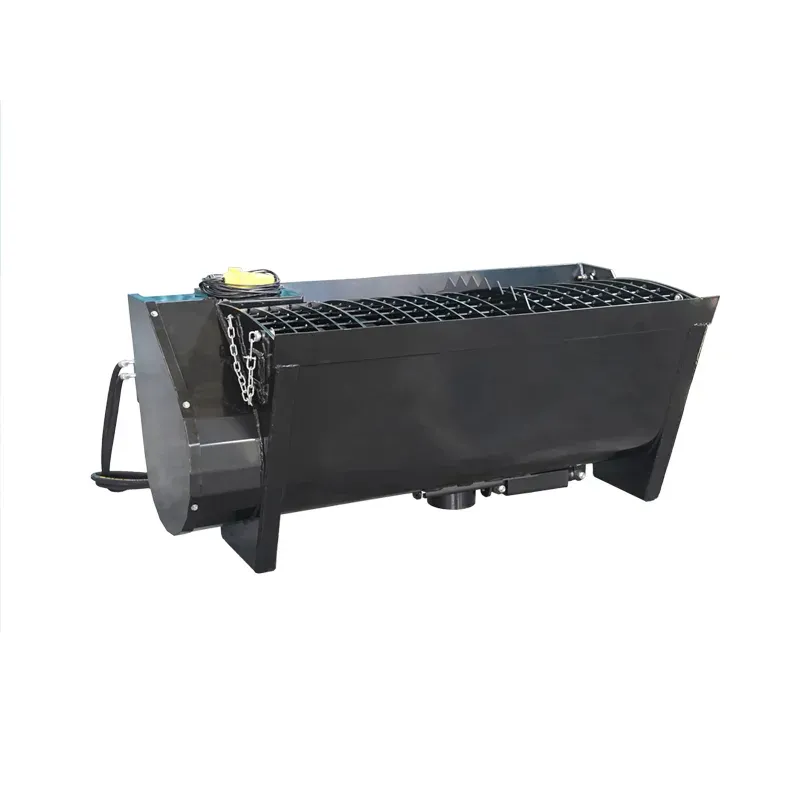
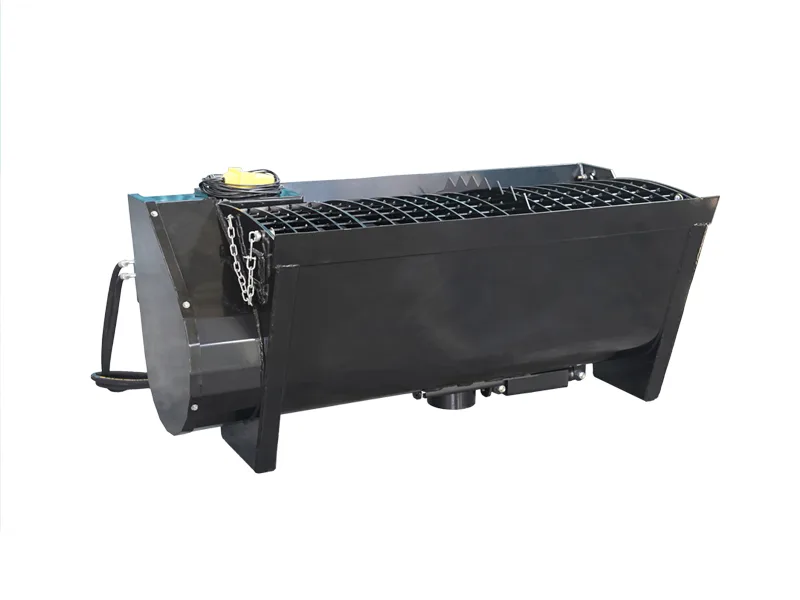
TGEC skid steer concrete mixer bucket with 200-450 L rated capacity and 250-550 L maximum capacity, 80 L/min hydraulic flow and 14 MPa pressure, with universal quick-attach for on-site concrete, mortar and cement mixing.
Product Name: Concrete mixing bucket / Cement mixer bucket / Mixing bucket / Mortar mixer bucket
Type: Buckets
After-sales Service: Provided
Warranty: 1 Year
Customization: Available
Shipping Cost: Negotiate with us about shipping cost and estimated delivery time.
Get a quote
Overview
FAQ

Product Overview

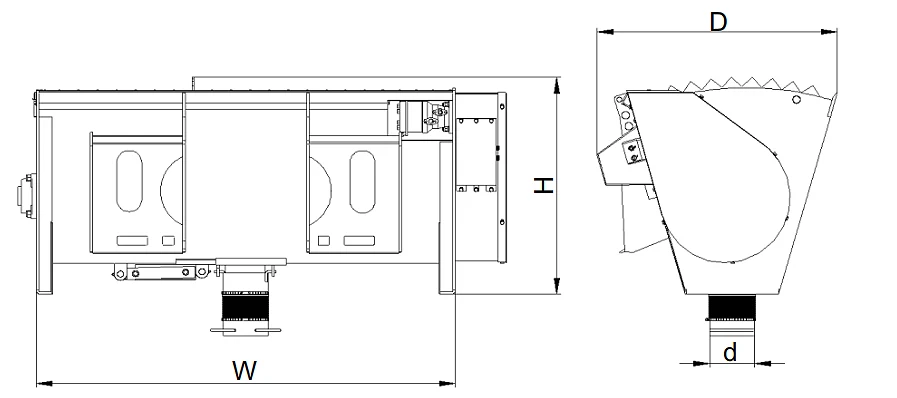
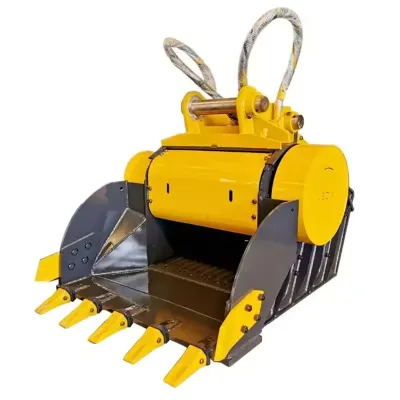
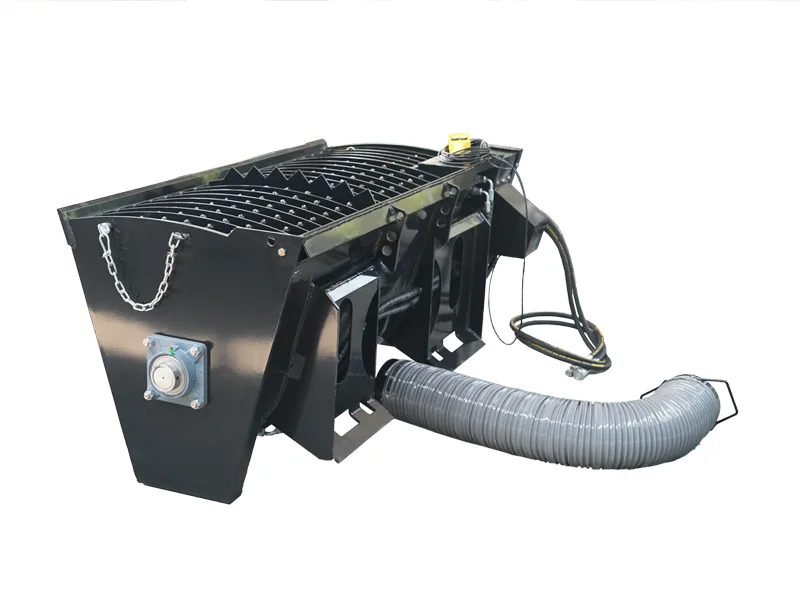
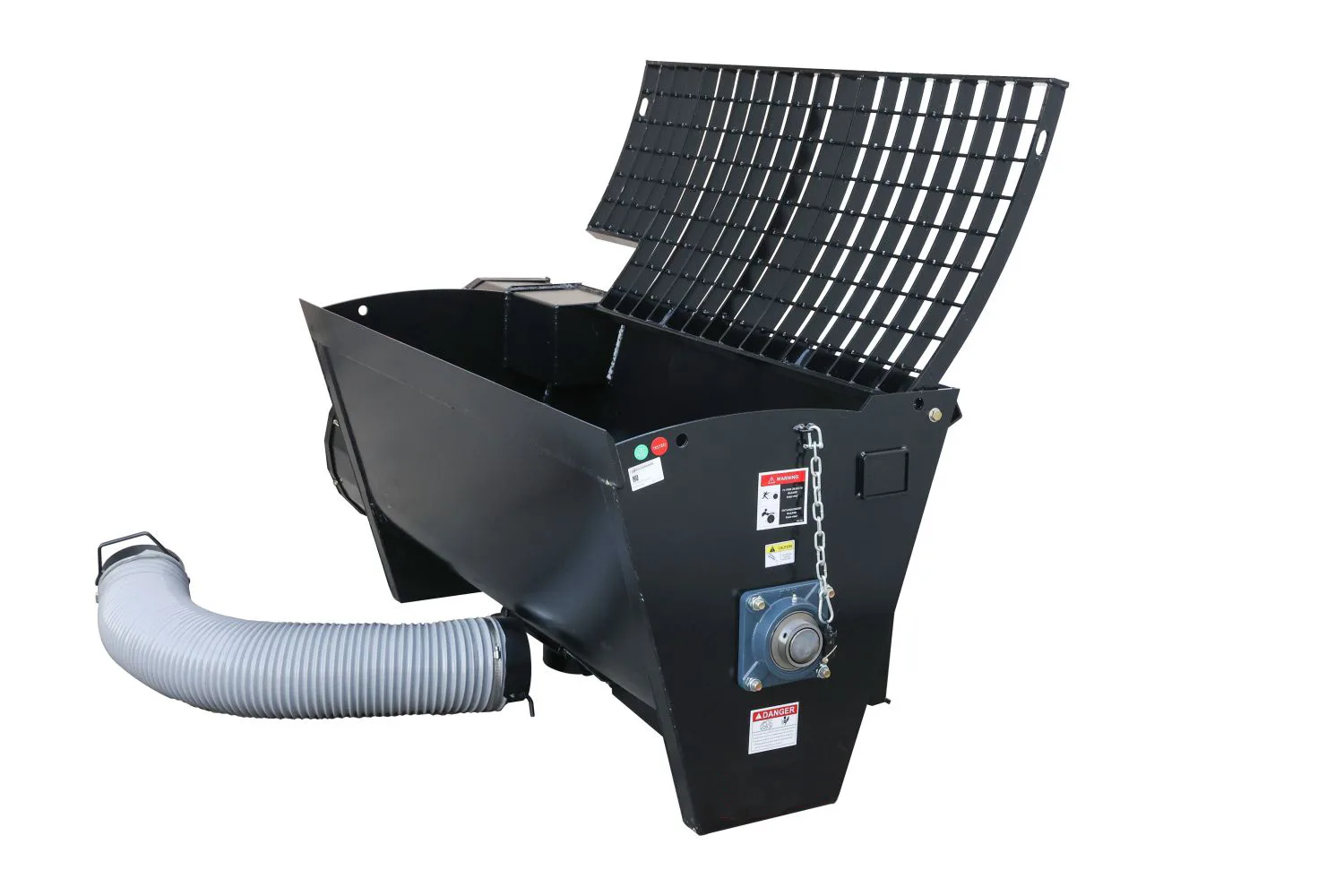
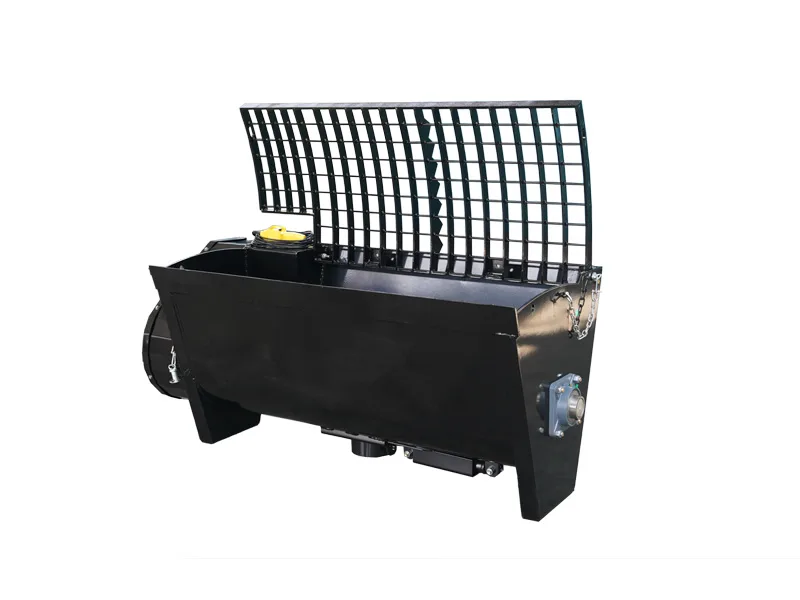
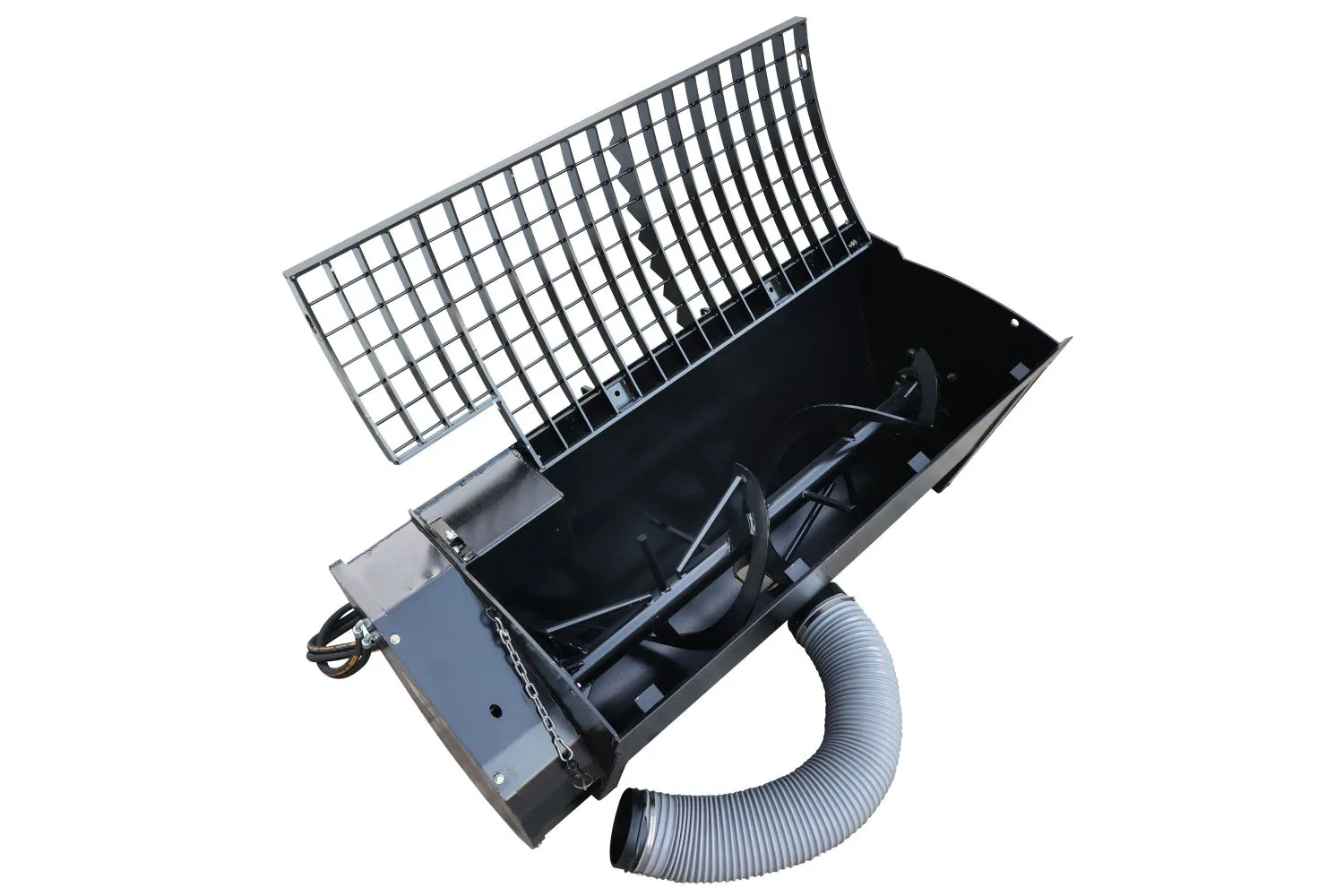
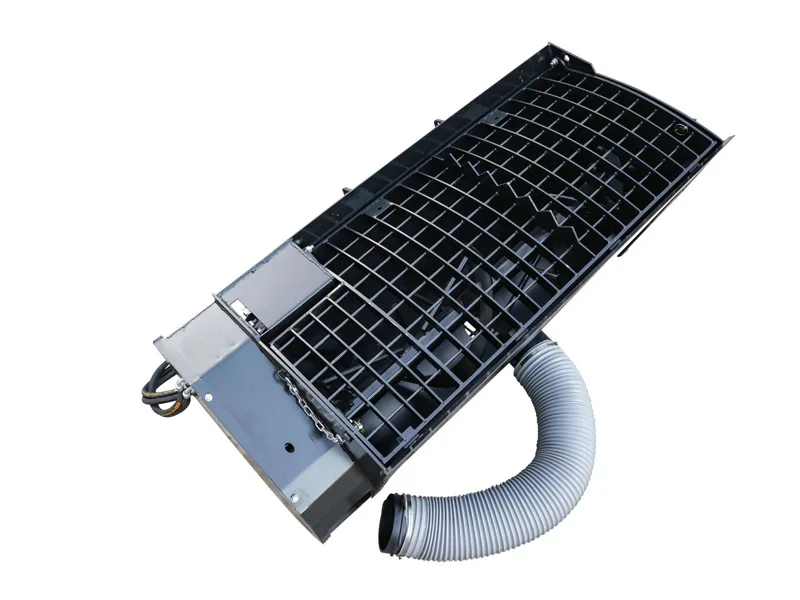
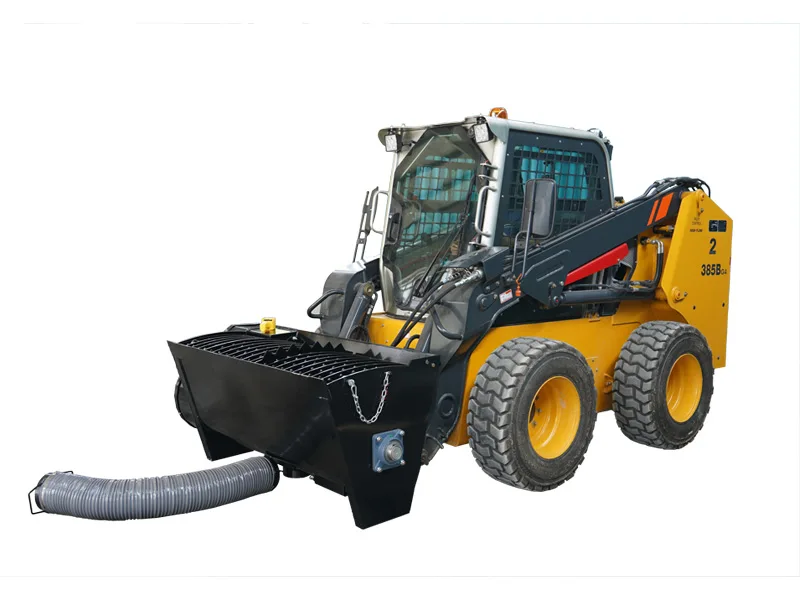
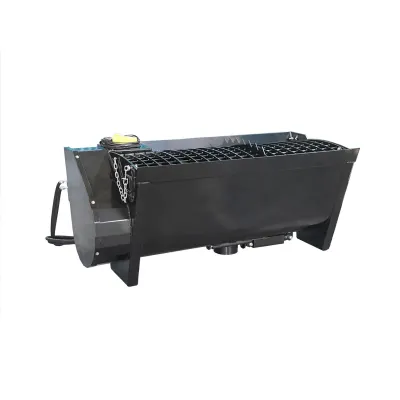
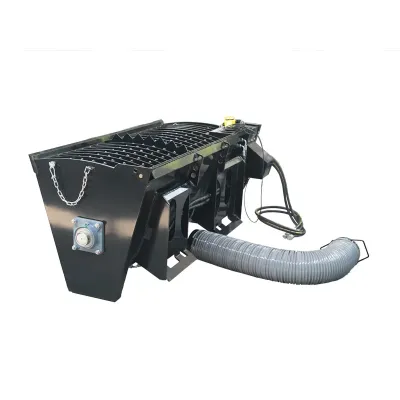
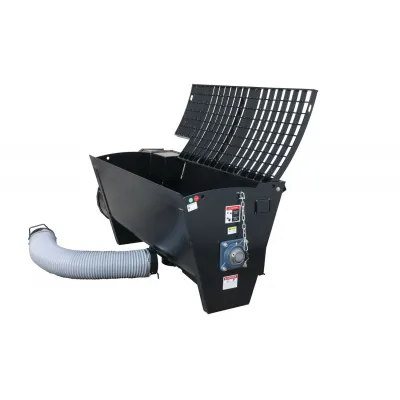
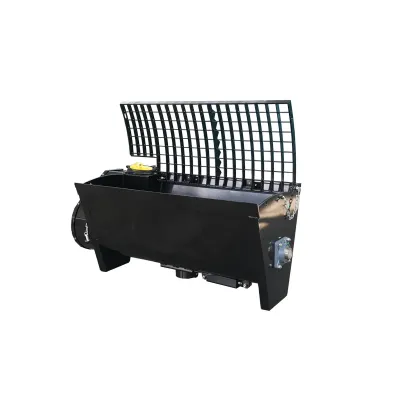
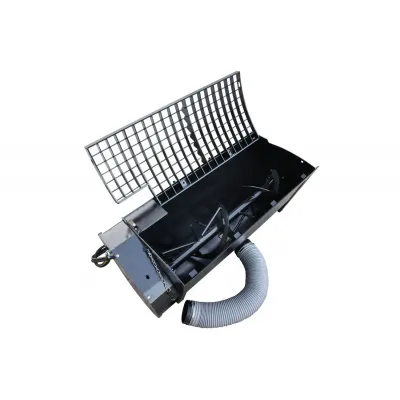
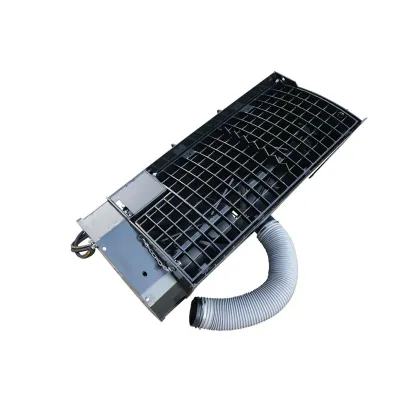
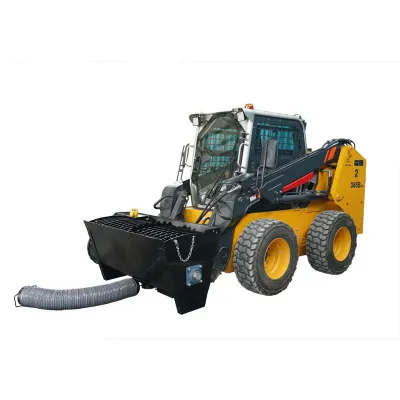
The TGEC skid steer concrete mixer bucket is a self-contained hydraulic mixing attachment that transforms a skid steer loader into a mobile concrete mixer for on-site pouring. Designed for small to medium concrete jobs where a transit mixer cannot access or is impractical, the mixer bucket mounts via the universal quick-attach interface and uses the skid steer's auxiliary hydraulic circuit to power the internal mixing auger. Operators load dry cement, sand, aggregate and water directly into the bucket, mix on-site, and discharge through the controlled bottom gate.

Available in five models with rated capacities from 200 L to 450 L and maximum capacities from 250 L to 550 L, the mixer bucket handles concrete weights from 600 kg to 1320 kg at maximum capacity. All models require 80 L/min auxiliary hydraulic flow at 14 MPa operating pressure and mount via the MP910 or MP1140 universal quick-attach interface. Unit weights range from 324 kg to 502 kg depending on capacity. The mixer bucket is ideal for fence posts, footings, slabs, patch repairs and remote construction sites where ready-mix delivery is limited or costly.

Specifications

ModelBucket WidthOverall WidthOil FlowOil PressureUnit WeightRated CapacityMax CapacityConcrete Weight @ Max
TG-CMB250-MP9101100 mm / 43.3"1240 mm / 48.8"80 L/min / 21.1 gpm14 MPa / 2030 psi324 kg / 714 lb200 L / 7.1 ft³250 L / 8.8 ft³600 kg / 1323 lb
TG-CMB280-MP11401200 mm / 47.2"1340 mm / 52.8"80 L/min / 21.1 gpm14 MPa / 2030 psi337 kg / 743 lb220 L / 7.8 ft³280 L / 9.9 ft³660 kg / 1455 lb
TG-CMB330-MP11401450 mm / 57.1"1590 mm / 62.6"80 L/min / 21.1 gpm14 MPa / 2030 psi360 kg / 794 lb275 L / 9.7 ft³330 L / 11.7 ft³792 kg / 1746 lb
TG-CMB400-MP11401650 mm / 65.0"1790 mm / 70.5"80 L/min / 21.1 gpm14 MPa / 2030 psi377 kg / 831 lb320 L / 11.3 ft³400 L / 14.1 ft³960 kg / 2116 lb
TG-CMB550-MP11401650 mm / 65.0"1790 mm / 70.5"80 L/min / 21.1 gpm14 MPa / 2030 psi502 kg / 1107 lb450 L / 15.9 ft³550 L / 19.4 ft³1320 kg / 2910 lb

TGEC Skid Steer Concrete Mixer Bucket – Self Loading Mixer

Applications

  • Fence and sign post installation: Mixing and pouring concrete for fence posts, sign bases and pole footings in residential, agricultural and commercial settings.

  • Footings and foundations: On-site mixing for small building footings, deck supports, pergola bases and foundation repairs where transit mixer access is limited.

  • Slabs and flatwork: Pouring small slabs, sidewalks, patios and garage floors for residential and light commercial projects.

  • Remote and inaccessible sites: Concrete mixing at remote job sites, mountain locations, backyard projects and indoor renovations where ready-mix trucks cannot reach.

  • Patch repairs and maintenance: Small-batch mixing for concrete repairs, pothole filling, curb repairs and infrastructure maintenance.

  • Mortar and grout mixing: Mixing mortar for masonry work, grout for tile and stone, and other cement-based materials on construction sites.

OEM & Bulk Supply

TGEC supplies concrete mixer buckets to equipment dealers, rental fleets, contractors and concrete specialists globally, with volume pricing for bulk orders. Standard units ship with universal quick-attach frames, hydraulic hose kits and mixing auger assemblies. Mixed orders combining mixer buckets with other TGEC skid steer attachments simplify international shipping and consolidate sourcing for dealers carrying multiple product lines.

Custom configurations are available on qualified production orders, including modified mounting frames for non-standard quick-attach interfaces, adjusted hydraulic flow settings for specific carrier models, custom capacity sizes and private-label branding with paint color, nameplates and packaging. Custom jobs are subject to engineering review and production feasibility. Contact the OEM sales team with your target configurations, estimated annual volume and technical specifications to discuss supply terms.

Pouring Fence Posts, Footings, or Slabs — Where's Your Next Job?

We'll need your machine specs, preferred batch size, and whether you're mixing standard concrete or mortar. Also mention if you work in remote spots where truck access is limited. We'll confirm the right CMB model, check hydraulic fit, and get back with a quote and shipping estimate.
Frequently Asked Questions

What is a concrete mixer bucket used for?+

A concrete mixer bucket is a skid steer attachment that mixes concrete, mortar and cement on-site using the machine's auxiliary hydraulic circuit. It allows operators to load dry cement, sand, aggregate and water directly into the bucket, mix thoroughly, and discharge through a controlled bottom gate. This eliminates the need for a separate concrete mixer or transit mixer for small jobs, making it ideal for fence posts, footings, slabs, patch repairs and remote construction sites where ready-mix delivery is limited or costly.

What type of concrete mix can be handled by a mixer bucket?+

A concrete mixer bucket can handle standard concrete mixes (cement, sand, aggregate and water), mortar mixes (cement and sand for masonry), grout mixes, and other cement-based materials. The internal mixing auger provides thorough blending for most standard mix designs. The mixer bucket is designed for normal-weight concrete; lightweight and specialty mixes may require adjusted mixing times and water ratios.

What skid steer size is suitable for a concrete mixer bucket?+

Concrete mixer buckets require skid steers with sufficient lift capacity to handle the attachment weight plus the weight of wet concrete. The smallest model (TG-CMB250) weighs 324 kg empty and holds up to 600 kg of concrete, while the largest (TG-CMB550) weighs 502 kg empty and holds up to 1320 kg of concrete. Select the mixer bucket based on the skid steer's rated operating capacity, attachment weight, maximum concrete load, hydraulic flow and lift requirements. Confirm the complete load and machine-specific compatibility before operation. All models require 80 L/min auxiliary hydraulic flow at 14 MPa.

How should mixer bucket capacity be matched to the machine?+

Mixer bucket capacity should be matched to the skid steer's rated operating capacity (ROC), considering both the empty attachment weight and the maximum concrete weight. Calculate the total load: attachment weight + concrete weight at maximum capacity. For example, the TG-CMB550 weighs 502 kg empty and holds 1320 kg of concrete, totaling 1822 kg. The skid steer's ROC should comfortably exceed this total load at the attachment's load center. Smaller machines should use 250L or 280L models, while larger machines can handle 330L, 400L or 550L models. Also consider the machine's hydraulic flow (80 L/min required) and lift height for discharge.

What hydraulic requirements should be checked?+

Before using a concrete mixer bucket, verify that your skid steer has auxiliary hydraulic flow of at least 80 L/min (21.1 gpm) and operating pressure up to 14 MPa (2030 psi). Check that the auxiliary hydraulic couplers are clean and compatible with the bucket's hose kit fittings. Ensure the hydraulic fluid level is adequate for continuous mixing operation, as the mixing auger draws continuous hydraulic flow. Also verify that the skid steer's auxiliary control circuit can provide continuous flow for extended mixing cycles, and that the hydraulic cooling system can handle continuous auxiliary load without overheating.

How is the mixer bucket mounted to a skid steer?+

TGEC concrete mixer buckets use MP910 or MP1140 quick-attach interfaces depending on the model. Compatibility should be confirmed according to the skid steer or compact track loader interface and hydraulic requirements. The operator drives the skid steer to the bucket, engages the quick-attach locking levers, and connects the auxiliary hydraulic hoses to the skid steer's couplers. The quick-attach system allows quick mounting and dismounting without leaving the cab. Custom mounting frames are available for qualified production orders.

How does the mixing mechanism work?+

The concrete mixer bucket uses a hydraulic motor-driven internal mixing auger that rotates within the bucket to blend cement, sand, aggregate and water. The operator loads dry materials into the bucket using the skid steer's lift and tilt functions, adds water, then activates the auxiliary hydraulic circuit to power the mixing auger. Mixing time varies by batch size and mix design. Once mixed, the operator tilts the bucket and opens the bottom discharge gate to pour the concrete. The continuous hydraulic rotation ensures thorough blending and prevents material segregation.

How is mixed concrete discharged from the bucket?+

Mixed concrete is discharged from the mixer bucket through a controlled bottom gate or by tilting the bucket forward, depending on the model design. The operator positions the skid steer at the pour location, raises the bucket to the desired height, and activates the discharge mechanism. The bottom gate design allows controlled flow for precise pouring into forms, footings and post holes, while the tilt-discharge method is suitable for larger pours and slab work. The operator controls the discharge rate by adjusting the gate opening or bucket tilt angle. After discharge, any remaining concrete should be cleaned immediately to prevent hardening.

What operating conditions can affect mixing performance?+

Several operating conditions affect mixing performance: ambient temperature (cold weather slows hydration and may require heated water or admixtures; hot weather accelerates setting and may require ice or retarders), material moisture content (wet sand and aggregate require adjusted water ratios), mix design (stiff mixes with low water content require longer mixing times; fluid mixes mix faster), batch size (partial batches may mix unevenly if the auger is not fully engaged), and hydraulic flow (insufficient flow reduces auger speed and mixing efficiency). Always follow the concrete mix design specifications and adjust water content based on actual material moisture.

What components require regular inspection?+

Regular inspection of a concrete mixer bucket should cover: hydraulic hoses for cuts, abrasion, cracks or leaks; hydraulic motor and fittings for leaks and proper mounting; mixing auger for wear, bending and proper attachment to the drive shaft; discharge gate for proper operation and wear; bucket shell and welds for cracks or deformation from concrete weight and pressure; the quick-attach mounting frame for wear and proper locking; hydraulic hose connections for leaks; and the interior of the bucket for concrete buildup that can affect mixing capacity. Inspect before each use and perform detailed periodic inspections according to operating conditions.

How should the mixer bucket be cleaned after use?+

Clean the mixer bucket immediately after each use before concrete hardens. Discharge all remaining concrete, then fill the bucket partially with water and run the mixing auger to loosen residue. Discharge the wash water (dispose of properly according to local regulations—do not discharge onto soil or storm drains). Use a high-pressure washer to remove remaining concrete from the bucket interior, auger, discharge gate and exterior. Pay special attention to the mixing auger and discharge gate mechanism, where concrete buildup can affect operation. For hardened concrete, use a concrete dissolver or mechanical chipping, but avoid damaging the auger or bucket shell. After cleaning, lubricate all pivot points and inspect for wear.

What wear parts typically require maintenance?+

The primary wear parts on a concrete mixer bucket include: the mixing auger (subject to abrasion from aggregate and may require replacement after extended use), the discharge gate and gate frame (wear from concrete flow and may need resurfacing or replacement), hydraulic hoses (inspect regularly for wear, abrasion and leaks and replace at signs of damage), hydraulic motor seals (may leak after extended use and require seal kit replacement), and the bucket cutting edge or bottom wear plate (abrasion from loading and discharge). Keep genuine replacement parts on hand for critical components to minimize downtime. Follow the manufacturer's maintenance schedule for lubrication, inspection and component replacement.
Please make sure to include your phone number with the country code (e.g., 86 for China, 1 for USA).