Welcome to the Official Website of TianGe Attachments.

Excavator Rotary Concrete Pulverizer

Excavator Rotary Concrete Pulverizer

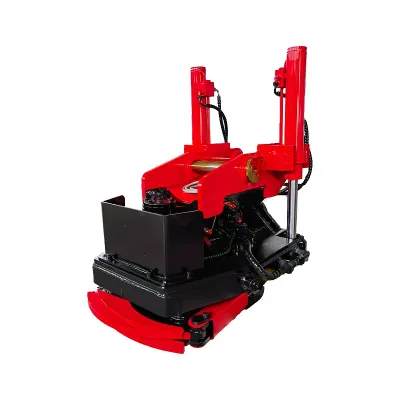
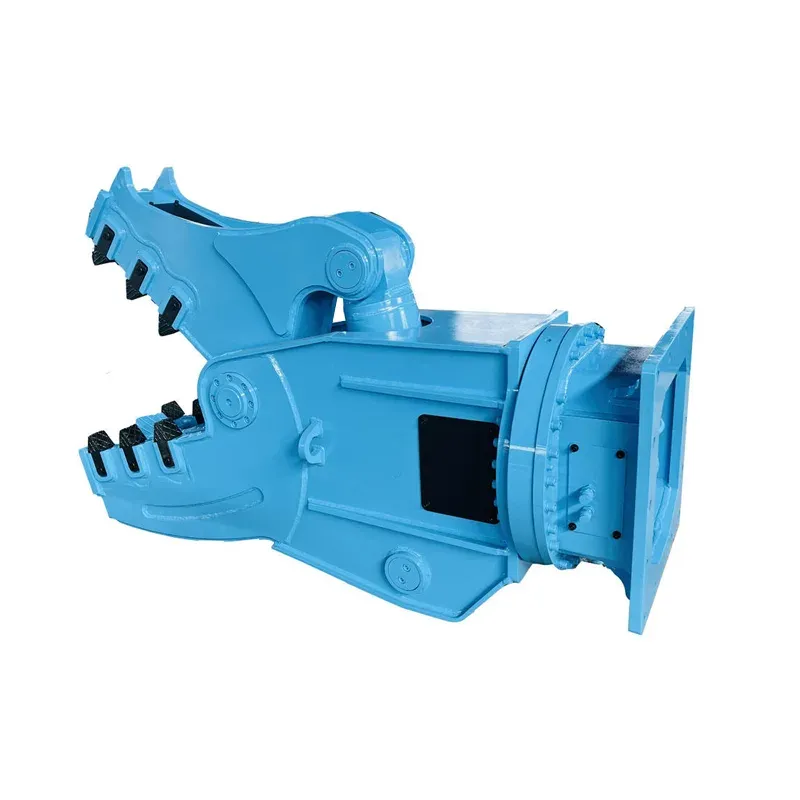
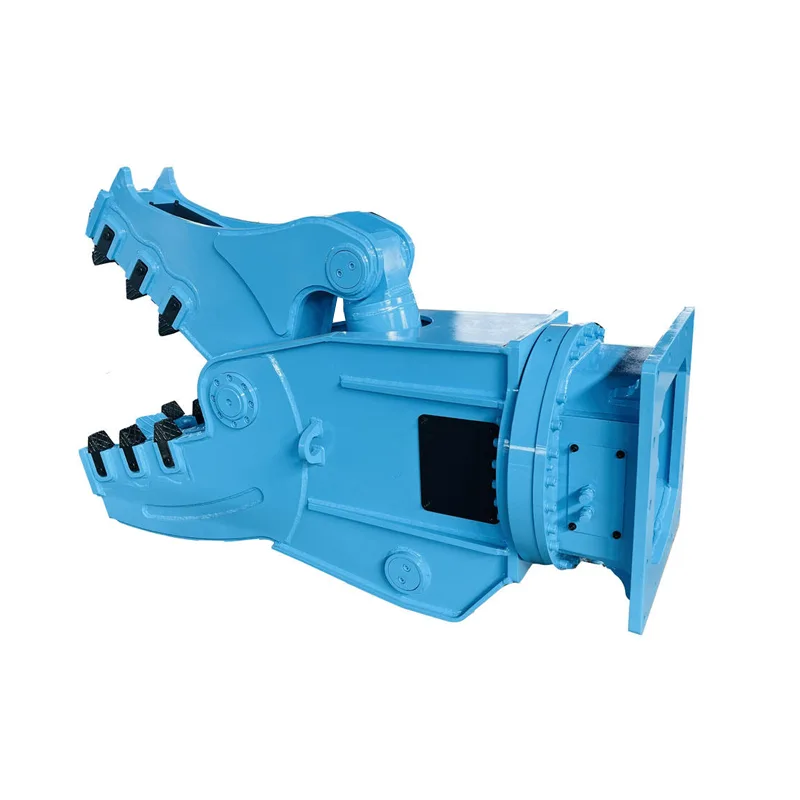
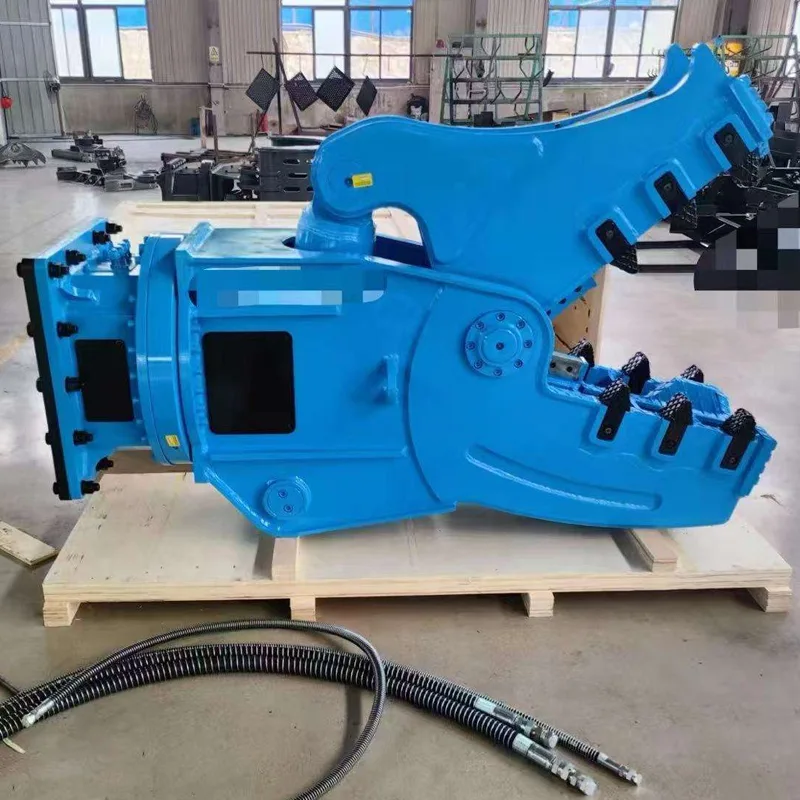
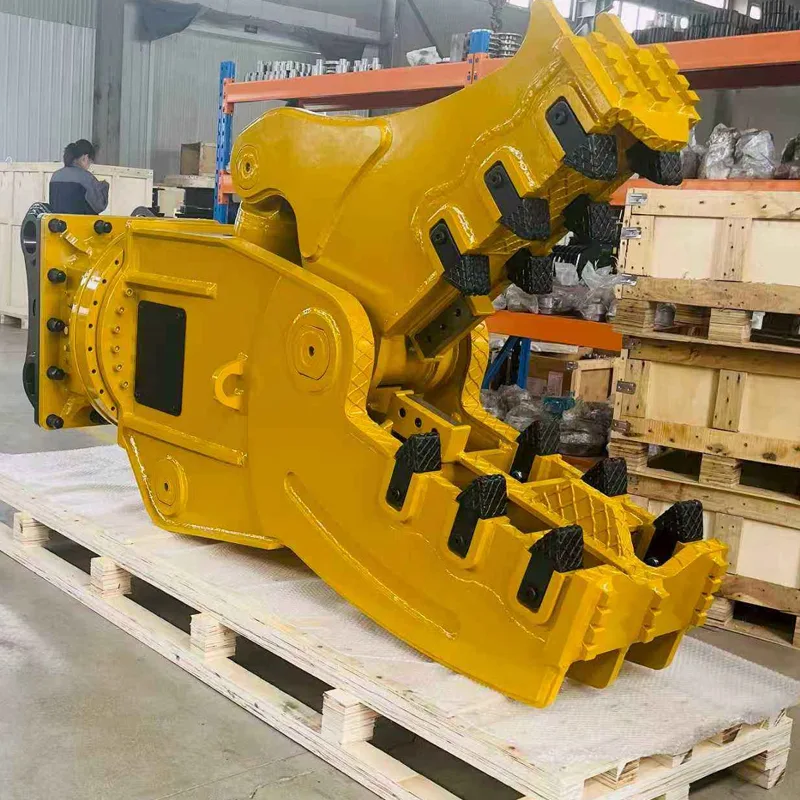
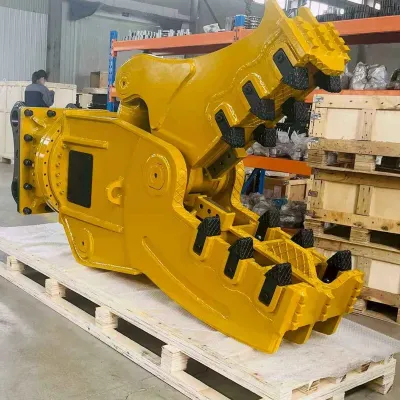
The TGEC excavator rotary concrete pulverizer is a hydraulic demolition attachment with 360-degree hydraulic rotation, designed for selective demolition, reinforced concrete processing, and rebar separation on urban demolition sites. Four models cover 7 to 25 ton excavators, with multiple jaw and tooth configurations for different demolition requirements.
Product Name: Rotary Concrete Pulverizer / Rotary Excavator Pulverizer / Rotating Concrete Pulverizer / Hydraulic Rotary Pulverizer / Rotary Demolition Pulverizer / Rotating Demolition Pulverizer
Type: Pulverizers
After-sales Service: Provided
Warranty: 1 Year
Customization: Available
Shipping Cost: Negotiate with us about shipping cost and estimated delivery time.
Get a quote
Overview
FAQ

Product Overview

The rotary pulverizer uses hydraulic functions for both jaw operation and rotation — the jaw cylinder opens and closes the jaws, while the rotation motor hydraulically rotates the pulverizer head through 360°. This allows the operator to position the jaws for overhead, side-angle, and other difficult-access demolition while reducing the need to reposition the excavator. Replaceable teeth and cutting blades fracture concrete and shear rebar simultaneously.

Rotary models are suited to selective demolition, interior stripping, bridge work, and tight-access jobs. Hydraulic rotation can reduce carrier repositioning in confined spaces and difficult-access demolition. Jaw options include A-series teeth for general concrete and C-series for heavily reinforced structures. Part of the TGEC excavator pulverizers line — the rotary configuration is suited to precision positioning and angular demolition, while the fixed configuration is suited to high-volume secondary concrete reduction. For high-volume secondary concrete reduction, see our excavator concrete pulverizer.

Available Configurations & Models

Key specs for TGEC rotary concrete pulverizer models are listed below. Always verify excavator weight, hydraulic supply for both jaw and rotation functions, and arm mounting dimensions. Custom brackets available.

Specification TG-RP10R TG-RP15R TG-RP20R TG-RP25R
Compatible Excavator Class 7–10 t (7.7–11 ton) 10–15 t (11–16.5 ton) 15–20 t (16.5–22 ton) 20–25 t (22–27.5 ton)
Attachment Weight 350 kg (772 lb) 520 kg (1146 lb) 780 kg (1720 lb) 1050 kg (2315 lb)
Jaw Opening 320 mm (12.6 in) 400 mm (15.7 in) 480 mm (18.9 in) 560 mm (22.0 in)
Crushing Force 450 kN (101,000 lbf) 680 kN (153,000 lbf) 950 kN (214,000 lbf) 1250 kN (281,000 lbf)
Hydraulic Flow 40–60 L/min (10.6–15.9 gpm) 50–80 L/min (13.2–21.1 gpm) 70–110 L/min (18.5–29.1 gpm) 90–140 L/min (23.8–37.0 gpm)
Rotation 360° hydraulic 360° hydraulic 360° hydraulic 360° hydraulic
Tooth Type A-series / C-series A-series / C-series A-series / C-series / SP-series A-series / C-series / SP-series

Values are representative; final figures depend on jaw and bracket configuration. Hydraulic flow figures are configuration-specific and should be confirmed for both jaw and rotation functions. Contact TianGe engineering for model-specific confirmation.

Series-Wide Technical Highlights

  • 360° hydraulic rotation — Positions the jaws for difficult-access and angular demolition.

  • Jaw and rotation functions — Hydraulic functions control both crushing and rotation.

  • Replaceable teeth and cutter blades — A-series for general concrete processing, C-series for reinforced concrete and rebar cutting, or SP-series with bolt-on teeth.

  • Ideal for selective demolition, interior work, bridge and infrastructure demolition, and confined spaces.

  • Custom mounting brackets available for non-standard pin patterns and quick couplers.

Excavator Compatibility Guidance

Four rotary models cover 7–25 t excavators. Besides operating weight, verify: (1) auxiliary hydraulic flow and pressure — both jaw and rotation functions need adequate supply; (2) arm pin diameter, center distance, and width — custom brackets available; (3) lift capacity at working radius — rotary models weigh more than fixed equivalents. TG-RP10R covers 7–10 t, TG-RP15R covers 10–15 t, TG-RP20R covers 15–20 t, and TG-RP25R covers 20–25 t. Machines near model boundaries should be checked against hydraulic flow, pressure, lift capacity, attachment weight, and the intended demolition application. Technical team confirms fitment by excavator model.

Typical Applications

  • Selective building demolition — crush specific columns, beams, slabs without damaging adjacent areas.

  • Interior demolition — confined spaces, basements, urban sites where carrier slewing is limited.

  • Bridge and infrastructure demolition — overhead and angular crushing of decks, girders, barriers.

  • Reinforced concrete processing — fracture concrete and shear rebar in one operation.

  • Confined-space demolition — rotation enables jaw positioning where carrier movement is limited.

  • Angular and overhead demolition — position jaws for cuts that a fixed pulverizer cannot approach.

Working Principle

The operator first uses the rotation motor to orient the jaw assembly at the required angle, then activates the jaw cylinder to close the jaws around the concrete element. Jaw teeth fracture the concrete while cutter blades shear embedded rebar, separating steel from concrete in a single pass. After the crush, the operator can rotate to the next position. Both the jaw and rotation functions require sufficient hydraulic flow from the excavator's auxiliary system.

Wear Parts & Service Support

Primary wear items: jaw teeth, cutting blades, tooth adapters, pivot pins, cylinder seals. Inspect wear parts and hydraulic components according to the recommended maintenance schedule for the specific model; replace worn teeth and blades promptly. Rotation motor and hydraulic swivel need periodic checks for smooth operation and leaks. TGEC supplies replacement teeth, cutting blades, pins, seals, and other service parts for the rotary pulverizer series. Contact TGEC with the model and serial number for availability and pricing.

Dealer & Bulk Orders

TGEC supplies rotary concrete pulverizers under OEM and private-label programs. Volume pricing, long-term agreements, custom branding, and consolidated shipping with fixed pulverizers and other attachments available. Custom pin sizes, bracket offsets, jaw profiles, and coupler interfaces supported. Contact OEM team with volume estimates and target configurations.

Request a Quote — TGEC Rotary Concrete Pulverizer

Provide excavator make/model, hydraulic flow and pressure for both jaw and rotation functions, and your demolition application — selective interior stripping, bridge work, heavily reinforced concrete, or secondary reduction. We'll confirm the correct rotary pulverizer model and jaw configuration, verify mounting and hydraulic compatibility, and return a quote with bracket specs, lead time, and shipping.

Dealer and bulk inquiries welcome — contact sales for factory-direct pricing.
Frequently Asked Questions

What is an excavator rotary concrete pulverizer used for?+

An excavator rotary concrete pulverizer is a hydraulic demolition attachment that crushes concrete and separates rebar using jaw action combined with 360-degree hydraulic rotation. It is used for selective building demolition, interior stripping, bridge work, reinforced concrete processing, and confined-space demolition. The hydraulic rotation allows the operator to reposition the jaws for different working angles and difficult-access demolition while reducing the need to reposition the excavator, making it ideal for precision demolition and tight-access work.

How does a rotary concrete pulverizer work?+

A rotary pulverizer uses two hydraulic functions: a jaw cylinder that opens and closes the crushing jaws, and a rotation motor that rotates the pulverizer head 360 degrees. The operator first rotates the jaws into position around a concrete element, then closes the jaw to crush. Jaw teeth crush the concrete while cutting blades shear embedded rebar, separating steel from concrete in a single operation. Hydraulic rotation enables overhead, side-angle, and other difficult-access approaches.

When is a rotary pulverizer preferred over a fixed pulverizer?+

A rotary pulverizer is preferred when angular positioning, difficult access, or selective demolition makes hydraulic rotation useful — including interior demolition, bridge work, selective structural cutting, and confined spaces. A fixed pulverizer is generally suited to high-volume secondary reduction and concrete recycling where rotation is not required. The rotary model requires hydraulic supply for both jaw and rotation functions, while the fixed model requires hydraulic supply for the jaw function only.

Can a rotary pulverizer process reinforced concrete?+

Yes. Rotary pulverizers handle reinforced concrete, including structural columns, beams, slabs, and bridge girders. The jaw teeth crush the concrete while cutting blades shear embedded rebar, separating steel from concrete in one operation. For heavily reinforced concrete, C-series jaws are available for applications requiring increased rebar-cutting capability. Final jaw selection should be confirmed based on the concrete section and reinforcement. Match the model's crushing force and jaw opening to the concrete element size and reinforcement density on the job.

Can a rotary pulverizer separate rebar from concrete?+

Yes. Rebar separation is a primary function of a rotary pulverizer. As the jaws crush concrete, cutting blades on the jaw edges shear embedded rebar, allowing steel to be separated from the crushed material. The separated rebar can then be collected for recycling, while the crushed concrete can be further processed or screened. This allows concrete reduction and rebar cutting to be performed in the same attachment, in a single pass.

What excavator factors should be checked before mounting a rotary pulverizer?+

Before mounting a rotary pulverizer, check: (1) operating weight class to select the correct model; (2) auxiliary hydraulic flow and pressure for both jaw and rotation functions; (3) arm pin diameter, center distance, and arm width for bracket compatibility; and (4) lift capacity with the added pulverizer weight at the working radius. If using a quick coupler, verify compatibility with the coupler interface.

Does a rotary pulverizer require hydraulic supply for rotation?+

Yes. The rotary configuration requires hydraulic supply for both the jaw cylinder and the rotation function. Required flow and pressure should be checked against the excavator's auxiliary hydraulic system before ordering.

Can a rotary pulverizer be used for secondary demolition?+

Yes. Rotary pulverizers can reduce oversized concrete chunks after primary breaking with a hydraulic breaker. The rotation capability is useful when processing debris piles at various angles. However, for high-volume secondary reduction at a recycling yard where material is brought to the machine, a fixed pulverizer is generally the more practical choice due to its simpler configuration and lower attachment weight.

What wear parts should be inspected on a rotary pulverizer?+

Key wear components on a rotary pulverizer include: (1) jaw teeth — the primary wear item, replace when worn beyond specification; (2) cutting blades — inspect for wear and cracking on the cutting edge; (3) tooth adapters — check for wear, looseness, or cracking; (4) pivot pins and bushings — inspect for wear and ensure proper greasing; (5) rotation motor and hydraulic swivel — check for smooth operation and leaks; and (6) hydraulic hoses — inspect for abrasion, cracking, and leaks, especially hoses that flex during rotation.

How should the jaws and teeth of a rotary pulverizer be maintained?+

Jaw teeth and cutting blades should be inspected regularly for wear, cracking, and looseness. Replace teeth when they reach the specified wear limit, as excessive wear can reduce crushing performance and increase stress on the jaw frame. Cutting blades should be replaced when the cutting edge is worn or damaged. Tooth adapters should be inspected for wear, looseness, or cracking and repaired or replaced as required. Inspect the rotation motor, hydraulic swivel, pivot points, and hoses according to the recommended maintenance schedule for the specific model. Keep spare teeth, blades, and pins on hand for quick field replacement.
Please make sure to include your phone number with the country code (e.g., 86 for China, 1 for USA).