Welcome to the Official Website of TianGe Attachments.

Excavator Concrete Pulverizer

Excavator Concrete Pulverizer

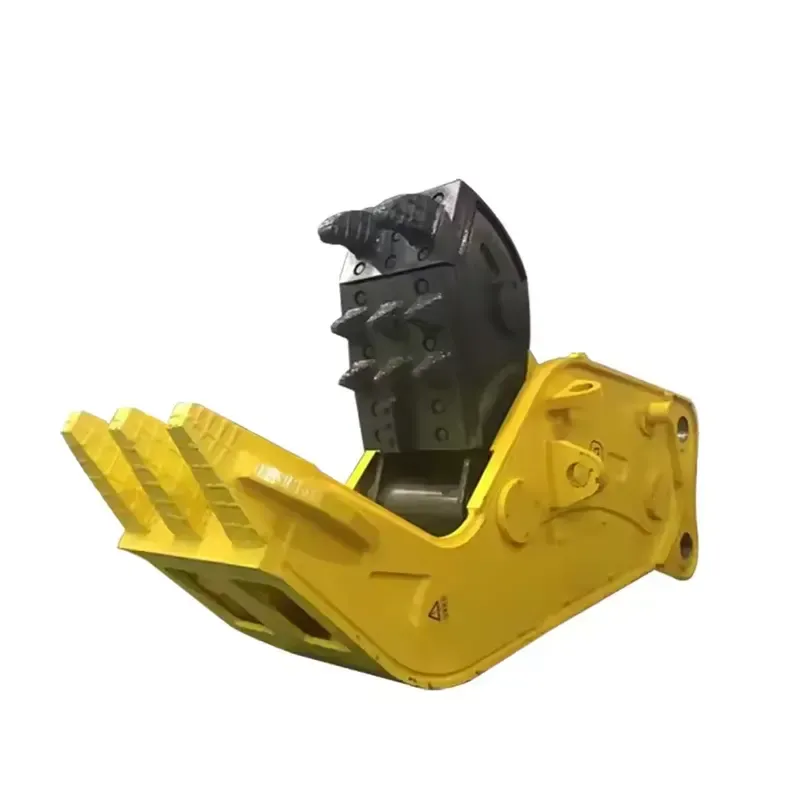
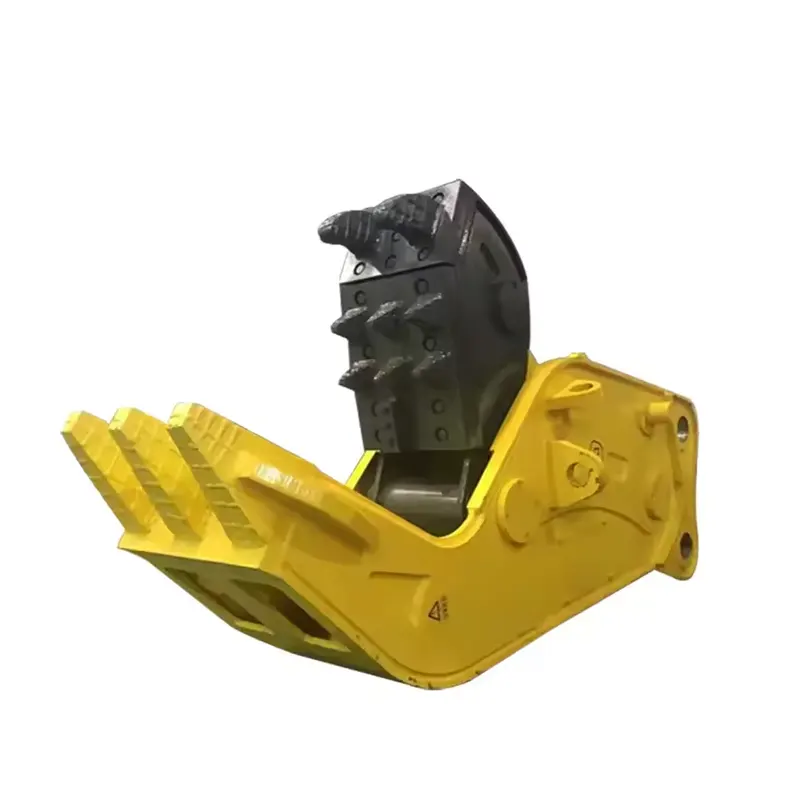
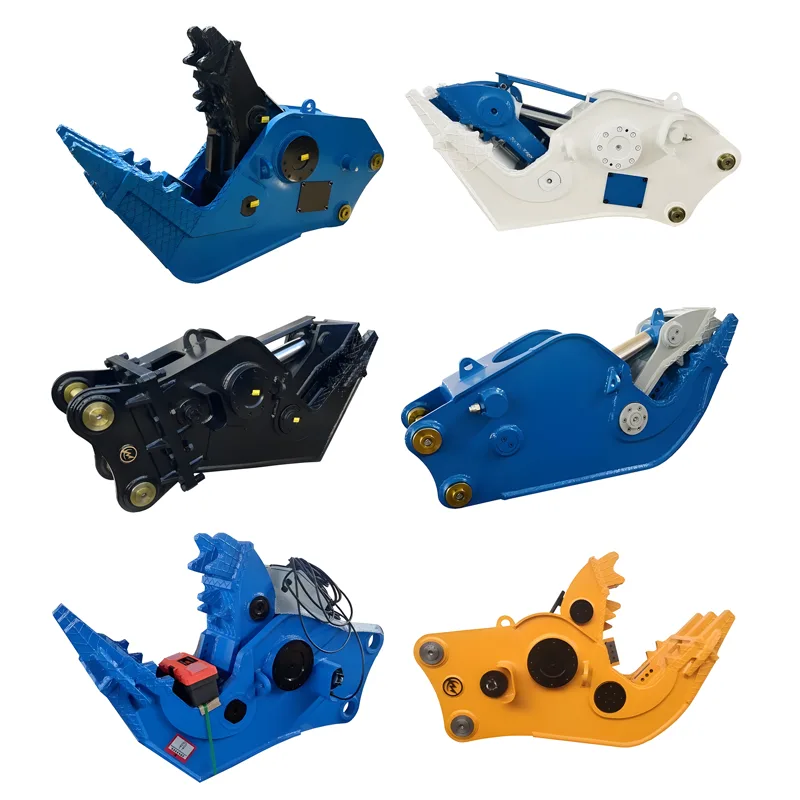
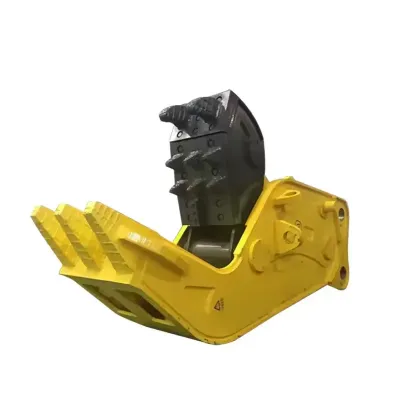
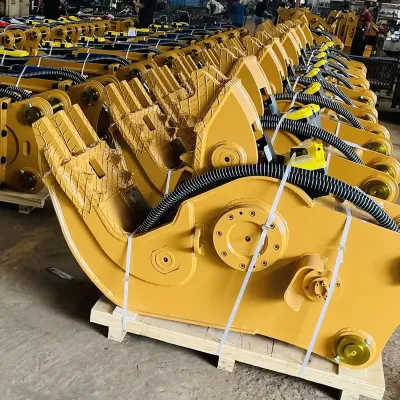
The TGEC excavator concrete pulverizer is a non-rotating hydraulic demolition attachment built for high-volume secondary concrete crushing, rebar separation, and concrete recycling. Four models cover 7 to 25 ton excavators, with three jaw configuration options — A-series for general concrete processing, C-series for reinforced concrete and rebar cutting, and SP-series with bolt-on replaceable teeth.
Product Name: Fixed Concrete Pulverizer / Fixed Excavator Pulverizer / Non-Rotating Concrete Pulverizer / Fixed Hydraulic Pulverizer / Secondary Demolition Pulverizer / Concrete Demolition Pulverizer
Type: Pulverizers
After-sales Service: Provided
Warranty: 1 Year
Customization: Available
Shipping Cost: Negotiate with us about shipping cost and estimated delivery time.
Get a quote
Overview
FAQ

Product Overview

The fixed pulverizer mounts to the excavator arm and uses hydraulic power to operate the jaw cylinder. The fixed configuration uses no rotation motor, keeping the design simple and focused on direct crushing work. It is designed for repeated crushing cycles where material is brought to the machine or approached directly.

Replaceable teeth and cutting blades fracture concrete and shear rebar in one action. Jaw options: A-series (general concrete processing), C-series (reinforced concrete and rebar cutting), SP-series (bolt-on replaceable tooth configuration). Part of the TGEC excavator pulverizers line — the fixed configuration is suited to high-volume secondary concrete reduction, while the rotary configuration is suited to precision positioning and angular demolition. For angular demolition and difficult-access work, see our excavator rotary concrete pulverizer.

Available Configurations & Models

Key specs below. Always verify excavator weight, hydraulic flow, and arm mounting dimensions. Custom brackets available.

Specification TG-FP10 TG-FP15 TG-FP20 TG-FP25
Compatible Excavator Class 7–10 t (7.7–11 ton) 10–15 t (11–16.5 ton) 15–20 t (16.5–22 ton) 20–25 t (22–27.5 ton)
Attachment Weight 280 kg (617 lb) 430 kg (948 lb) 650 kg (1433 lb) 880 kg (1940 lb)
Jaw Opening 340 mm (13.4 in) 420 mm (16.5 in) 500 mm (19.7 in) 580 mm (22.8 in)
Crushing Force 520 kN (117,000 lbf) 760 kN (171,000 lbf) 1050 kN (236,000 lbf) 1380 kN (310,000 lbf)
Hydraulic Flow Required 40–60 L/min (10.6–15.9 gpm) 50–80 L/min (13.2–21.1 gpm) 70–110 L/min (18.5–29.1 gpm) 90–140 L/min (23.8–37.0 gpm)
Rotation None (fixed) None (fixed) None (fixed) None (fixed)
Jaw Options A-series / C-series A-series / C-series A-series / C-series / SP-series A-series / C-series / SP-series

Values are representative; final figures depend on jaw and bracket configuration. Contact TianGe engineering for model-specific confirmation.

Series-Wide Technical Highlights

  • Non-rotating design — no rotation motor or swivel, keeping the attachment focused on direct crushing applications.

  • Replaceable teeth and cutter blades support routine wear-part replacement; SP-series bolt-on teeth are designed for field replacement without welding.

  • Hydraulic operation for the jaw cylinder supports a straightforward attachment setup.

  • Lightweight fixed configuration supports repeated crushing cycles and simplifies operation where rotation is not required.

  • Custom brackets available for non-standard arm pins and couplers.

Excavator Compatibility Guidance

Four models cover 7–25 t excavators — TG-FP10 (7–10 t), TG-FP15 (10–15 t), TG-FP20 (15–20 t), and TG-FP25 (20–25 t). Besides operating weight, verify arm pin diameter/spacing, the excavator's available auxiliary hydraulic flow and pressure, and lift capacity with added pulverizer weight. Custom brackets for non-standard interfaces. Technical team confirms fitment by excavator model.

Typical Applications

  • Secondary reduction — processing oversize chunks after primary breaking.

  • Concrete recycling — reducing concrete to a manageable size for further processing or screening, while recovering rebar.

  • Rebar separation — cutter blades shear rebar from crushed concrete.

  • Processing yards — high-volume concrete reduction where material is brought to the machine.

  • Building demolition — columns, beams, slabs with direct approach.

  • Site cleanup — reducing debris and separating rebar for disposal/recycling.

Working Principle

The hydraulic jaw cylinder opens and closes the jaws, generating crushing force at the tooth tips. The jaws crush concrete while cutter blades shear rebar. Because the pulverizer is fixed, the operator positions the carrier directly with the jaws working in the same plane as the excavator arm. Repeated jaw cycles reduce concrete to a manageable size while separating exposed rebar.

Wear Parts & Service Support

Primary wear items: jaw teeth, cutting blades, tooth adapters, pivot pins, hydraulic seals. Inspect regularly and replace worn teeth/blades. TGEC supplies replacement teeth, cutting blades, pins, seals, and other service parts for the fixed pulverizer series. Contact TGEC with the model and serial number for availability and pricing.

Dealer & Bulk Orders

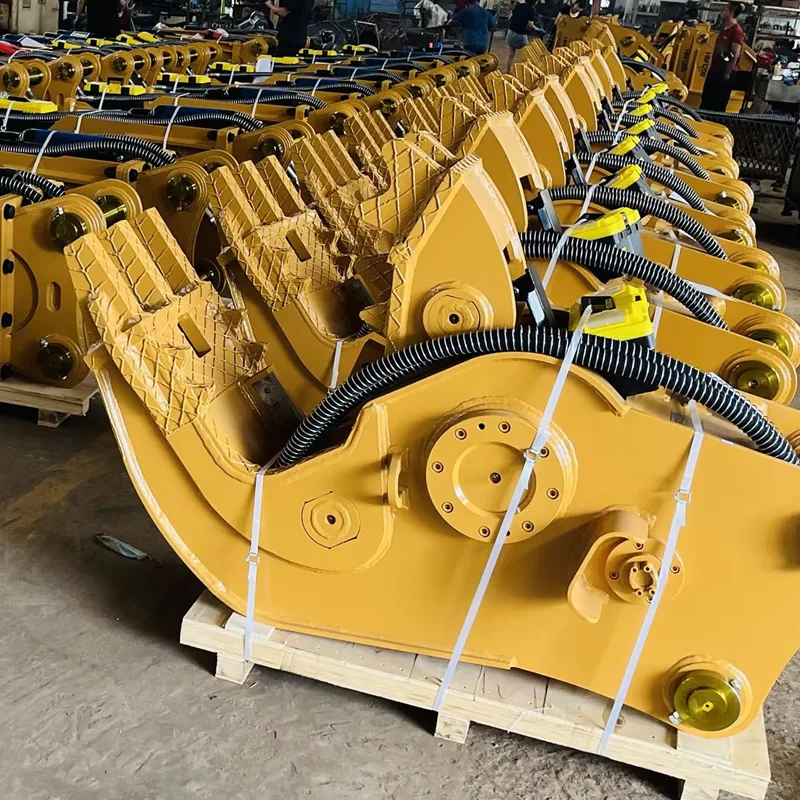
TGEC supplies fixed pulverizers under OEM and private-label programs. Volume pricing, long-term agreements, custom branding, and consolidated shipping with other attachments available. Custom pin sizes, bracket offsets, jaw profiles, coupler interfaces supported. Contact OEM team with volume estimates and target configurations.

Request a Quote — TGEC Concrete Pulverizer

Provide excavator make/model, hydraulic flow/pressure, and application (secondary reduction, recycling, or demolition). We'll confirm the correct model and jaw type, verify compatibility, and return a quote with bracket specs, lead time, and shipping.

Dealer and bulk inquiries welcome — contact sales for factory-direct pricing.
Frequently Asked Questions

What is an excavator concrete pulverizer used for?+

An excavator concrete pulverizer is a non-rotating hydraulic demolition attachment that crushes concrete and separates rebar using jaw action. It is used for secondary concrete reduction, concrete recycling, rebar recovery, and high-volume demolition processing. The fixed design — without a rotation motor — reduces system complexity and keeps the attachment focused on direct crushing applications. It is ideal for recycling yards, demolition site cleanup, and processing concrete debris where direct approach is possible.

How does a fixed pulverizer work during secondary demolition?+

During secondary demolition, the fixed pulverizer uses a hydraulic jaw cylinder to open and close the crushing jaws. The operator positions the jaws around an oversized concrete chunk and closes to crush it. The jaw teeth crush the concrete while cutter blades shear embedded rebar, separating steel from concrete. The process repeats until the material is reduced to loadable size. Because the pulverizer is fixed, the jaws operate in the same plane as the excavator arm.

When is a fixed pulverizer preferred over a rotating pulverizer?+

A fixed pulverizer is preferred for high-volume secondary reduction, concrete recycling, and processing yards where material is brought to the machine and angular access is not a constraint. The fixed design uses a simpler configuration without a rotation motor, making it suitable for applications where angular positioning is not required. A rotating pulverizer is preferred for selective demolition, interior work, bridge demolition, and confined spaces where 360-degree angular access is required.

Can a fixed pulverizer process reinforced concrete?+

Yes. Fixed pulverizers process reinforced concrete, including structural columns, beams, slabs, and industrial foundations. The jaw teeth crush the concrete while cutter blades shear embedded rebar, separating steel from concrete. For heavily reinforced concrete, C-series jaws are available for applications requiring increased rebar-cutting capability. Final jaw selection should be confirmed based on the concrete section and reinforcement. Match the model's crushing force and jaw opening to the largest element size and rebar density.

Can a fixed pulverizer separate rebar from concrete?+

Yes. Rebar separation is a core function of the fixed pulverizer. During the crush cycle, cutter blades mounted along the jaw edges slice through rebar exposed as the concrete breaks apart. The pulverizer separates concrete and exposed rebar during the crushing process, allowing the materials to be handled separately for recycling.

What excavator factors should be checked before installing a fixed pulverizer?+

Before installing a fixed pulverizer, check four key excavator factors: (1) operating weight class to select the correct model; (2) auxiliary hydraulic flow and pressure; (3) arm pin diameter, center distance, and arm width for mounting bracket compatibility; and (4) lift capacity with the added pulverizer weight at the working radius. If using a quick coupler, verify compatibility with the coupler interface.

What is the difference between a concrete pulverizer and a hydraulic breaker?+

A concrete pulverizer uses a jaw mechanism to crush concrete and shear embedded rebar in a controlled operation, allowing steel and concrete to be separated during processing. A hydraulic breaker delivers impact force to fracture concrete, but it is not designed to separate or cut rebar as part of the crushing process. Pulverizers are commonly used for secondary demolition, concrete recycling, and rebar recovery, while breakers are typically used for primary breaking of large concrete structures.

What concrete sizes can an excavator pulverizer process?+

Processing size depends on the pulverizer model, jaw opening, concrete section dimensions, reinforcement density, and material condition. The published jaw opening provides a reference for the jaw's opening capacity, but it should not be treated as a guaranteed maximum processing thickness. The actual processable size should be confirmed based on the specific excavator, jaw configuration, and demolition application. Heavily reinforced or unusually thick sections may require pre-breaking with a hydraulic hammer before pulverizer processing.

What wear parts should be inspected on a fixed pulverizer?+

On a fixed pulverizer, the wear inspection list covers: (1) jaw teeth — the leading wear item, replace once the profile is worn down or cracks appear; (2) cutter blades — check the cutting edge for rounding and chips; (3) tooth adapters — check for looseness, wear, or cracking; (4) pivot pins and bushings — inspect for wear and looseness; (5) jaw cylinder — inspect the rod for scoring and the gland for seepage; and (6) hydraulic hoses — check for chafing, cracks, and wet fittings.

How should fixed pulverizer teeth and jaws be maintained?+

Jaw teeth and cutting blades should be inspected regularly for wear, cracking, and looseness. Replace teeth when they reach the specified wear limit, as excessive tooth wear can reduce crushing performance and increase stress on the attachment. Replace cutting blades when the cutting edge becomes excessively rounded or damaged. Inspect tooth adapters, pivot points, hydraulic components, and hoses according to the recommended maintenance schedule for the specific model. SP-series bolt-on teeth allow field replacement without welding. Keep spare teeth, blades, and pins available for routine service.
Please make sure to include your phone number with the country code (e.g., 86 for China, 1 for USA).