Welcome to the Official Website of TianGe Attachments.

Skid Steer Forks with Grapple

Skid Steer Forks with Grapple

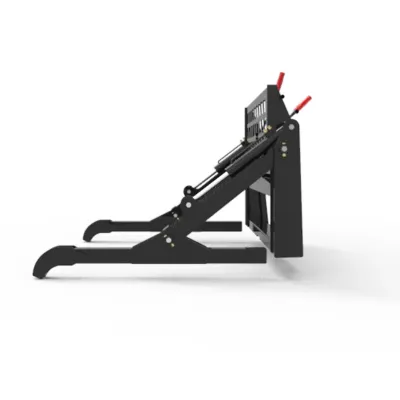
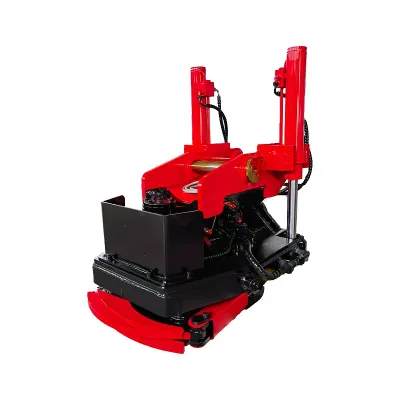
TGEC skid steer forks with grapple combine 1070–1220 mm pallet forks with a hydraulic grapple clamp for securing irregular loads. Models TG-FG1070 and TG-FG1220 deliver 1500–2000 kg lift capacity with adjustable tine spacing and universal quick-attach mounting.
Product Name: Grapple forks / Fork grapple / Pallet fork grapple / Grapple fork attachment
Type: Forks
After-sales Service: Provided
Warranty: 1 Year
Customization: Available
Shipping Cost: Negotiate with us about shipping cost and estimated delivery time.
Get a quote
Overview
FAQ

Product Overview

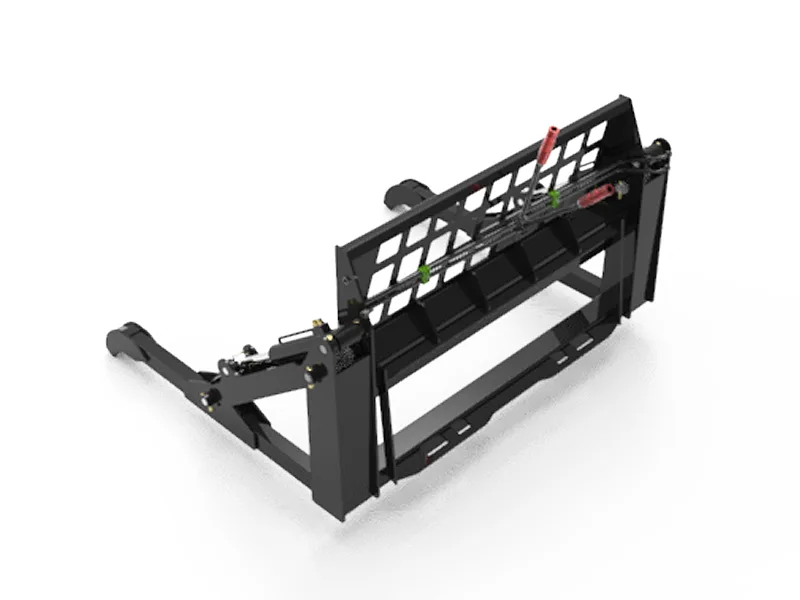
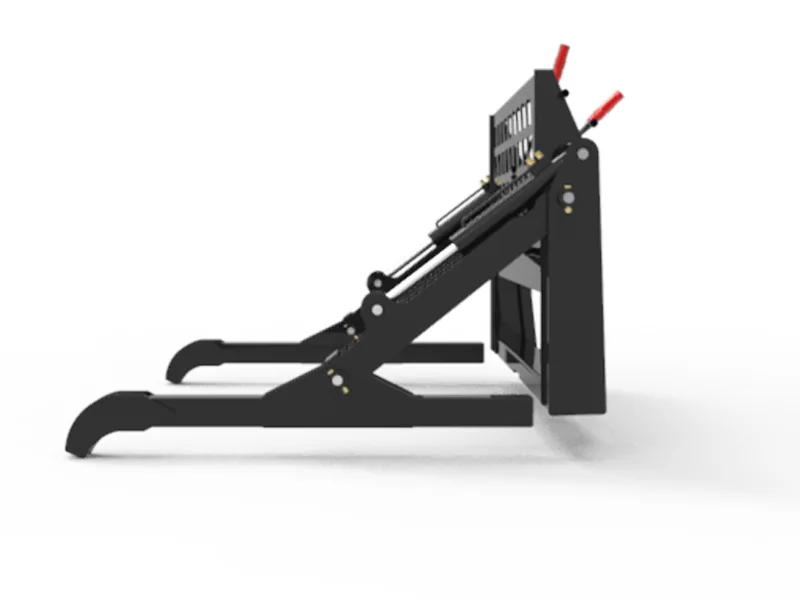
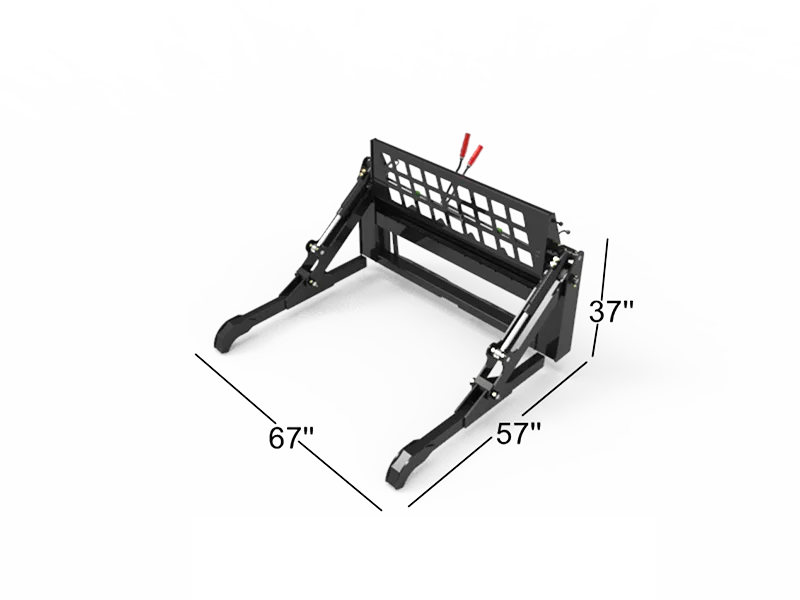
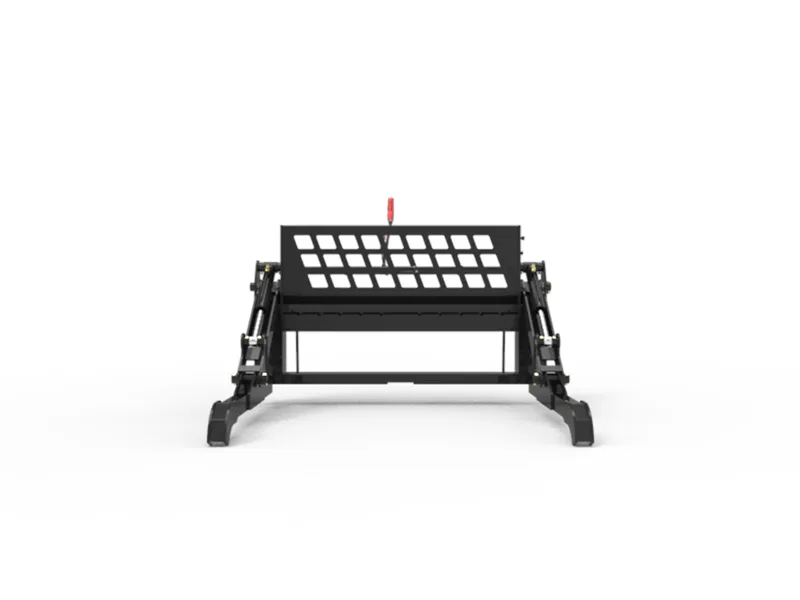
The TGEC skid steer forks with grapple merge standard pallet-fork functionality with a hydraulic grapple clamp that secures irregular, bulky, or slippery loads. The grapple cylinder opens and closes independently of the fork carriage, allowing the operator to clamp down on brush, debris, rocks, and mixed materials while the tines support the load from below. This dual-action design makes the attachment suitable for landscaping, site cleanup, recycling, and agricultural material handling where standard pallet forks alone cannot hold the load.

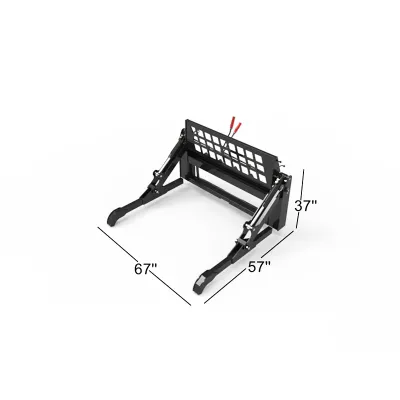
Two models cover common skid steer sizes. The TG-FG1070 offers 1070 mm (42 in) forks with 1500 kg (3307 lb) lift capacity, while the TG-FG1220 extends to 1220 mm (48 in) forks with 2000 kg (4409 lb) capacity. Both share adjustable tine spacing from 300 to 900 mm (11.8–35.4 in) and a grapple opening of 0 to 900 mm (0–35.4 in). As part of the broader skid steer fork attachments line, this configuration sits alongside the hydraulic pallet forks for operators who need clamping force rather than side-shift positioning.

Technical Specifications

ParameterTG-FG1070TG-FG1220
Fork Length1070 mm (42 in)1220 mm (48 in)
Fork Width120 mm (4.7 in)120 mm (4.7 in)
Tine Spacing300–900 mm (11.8–35.4 in)300–900 mm (11.8–35.4 in)
Grapple Opening0–900 mm (0–35.4 in)0–900 mm (0–35.4 in)
Cylinder Size38 × 203 mm (1.5 × 8 in)38 × 203 mm (1.5 × 8 in)
Rated Lift Capacity1500 kg (3307 lb)2000 kg (4409 lb)
Attachment Weight165 kg (364 lb)195 kg (430 lb)
Mounting InterfaceUniversal skid steer quick-attachUniversal skid steer quick-attach

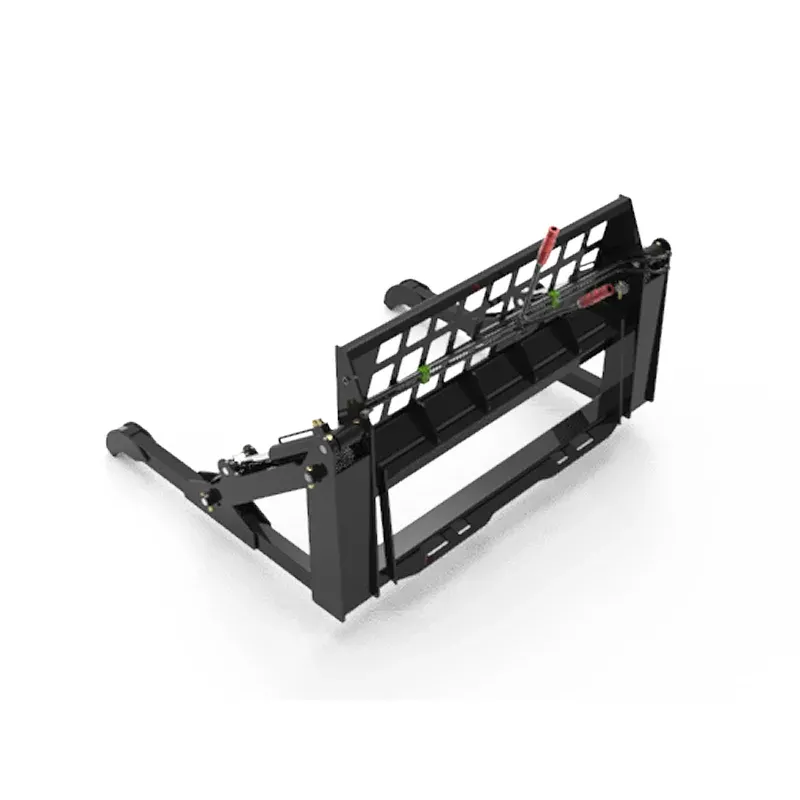
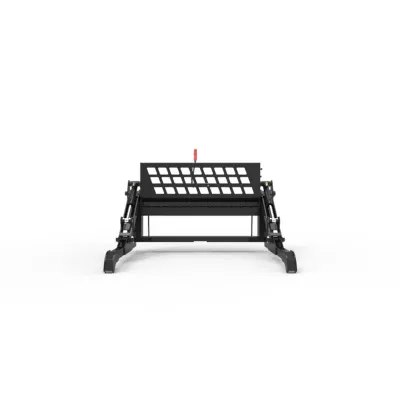
TGEC Two-Cylinder Pipe and Pallet Fork Grapple for Skid Steer with hydraulic clamp and adjustable tines

Table data is for reference only. Actual specifications may vary based on the final configuration. Please contact the TianGe technical team for details.

How It Works

The grapple fork uses the skid steer auxiliary hydraulic circuit to power a cylinder that opens and closes the upper grapple arm. Pressurized fluid extends the cylinder to clamp the grapple onto the load, while the fork tines support it from below. The operator controls grapple opening and closing from the cab, adjusting force based on load type. Once clamped, the assembly can lift, carry, and dump irregular materials that would shift off standard forks.

Application Scenarios

  • Landscaping site cleanup: Lift and carry brush piles, tree trimmings, sod, and landscape debris without material spilling off the forks.

  • Construction debris handling: Move broken concrete, lumber scraps, drywall, and mixed demolition waste with the grapple holding everything in place.

  • Rock and boulder moving: Clamp irregularly shaped rocks and boulders for landscape placement or site clearing.

  • Recycling and scrap sorting: Grab mixed recyclables, cardboard bales, and scrap metal in salvage yards and recycling facilities.

  • Agricultural waste management: Handle manure piles, bedding straw, and farm debris where the grapple prevents material from sliding off.

  • Palletized and irregular mixed loads: Carry standard pallets when the grapple is open, then clamp down for non-palletized loads on the same job.

Installation & Mounting

The grapple fork attaches to any skid steer with a universal quick-attach plate. The operator aligns the plate, locks the levers, and connects the auxiliary hydraulic hoses. Before operation, confirm the carrier's auxiliary flow and pressure meet requirements, and verify that the machine's rated operating capacity accounts for attachment weight plus load. Check hose routing for pinching or abrasion before each use.

Wear & Service

Primary wear items include the fork tines, grapple arm pivot pins, hydraulic cylinder seals, and hoses. Inspect tines for bending or cracking at the heel, and check pivot pins for excessive play.Replace cylinder seals if leakage appears, and inspect hoses for abrasion or cracks. Grease all pivot points per the maintenance schedule, and keep the quick-attach plate clean for a secure connection. Genuine replacement parts are available for both models.

OEM & Bulk Supply

TGEC supplies grapple fork attachments to dealers, rental fleets, and OEM partners under factory-direct terms. Volume pricing and private-label branding are available for qualified orders, and custom configurations — modified fork lengths, adjusted tine spacing, alternative mounting plates — can be reviewed for production runs. Dealers can combine orders with other TGEC skid steer attachments to consolidate sourcing.

42" or 48" — Which Fork Length Fits Your Skid Steer and Load?

We're looking for three things to get you the right grapple fork: your skid steer model, your ROC, and a quick description of what you handle most — brush, debris, rocks, or pallets. Send those over, we'll confirm compatibility, and reply with a quote and estimated shipping date. If you're between sizes, we'll note which option gives you the most flexibility for your usual work.
Frequently Asked Questions

What applications are skid steer forks with grapple designed for?+

Skid steer forks with grapple are designed for jobs that require both fork-style lifting and clamping force. Common applications include landscaping cleanup, construction debris handling, rock moving, recycling and scrap sorting, agricultural waste management, and mixed-load material handling. The grapple secures irregular or slippery loads that would fall off standard pallet forks, making the attachment versatile across construction, agricultural, and waste-management sites.

How does the grapple function work with pallet-style forks?+

The grapple is an upper clamp arm mounted above the fork tines, operated by a hydraulic cylinder connected to the skid steer auxiliary circuit. When the cylinder extends, the grapple arm rotates downward to press against the load sitting on the forks. The tines support the load from below while the grapple holds it from above, creating a secure grip on irregular materials. The operator controls opening and closing from the cab, adjusting pressure based on load type.

What materials can be handled with grapple forks?+

Grapple forks handle a wide range of materials including brush, tree trimmings, sod, lumber, broken concrete, rocks and boulders, scrap metal, cardboard, mixed recyclables, manure, bedding straw, and agricultural waste. They also carry standard palletized loads when the grapple is open. The attachment is best suited for irregular or bulky materials that are difficult to secure with forks alone, rather than fine or powdery materials that may fall through the tine gaps.

How does a grapple fork differ from standard pallet forks?+

Standard pallet forks have two fixed tines designed to slide under pallets and uniform loads, with no clamping mechanism. A grapple fork adds a hydraulic upper clamp that secures irregular, shifting, or non-palletized loads. This makes grapple forks more versatile for cleanup and debris work, while standard pallet forks — including hydraulic side-shift models — are more efficient for high-volume warehouse and pallet-handling operations where clamping is unnecessary.

What skid steer size is suitable for grapple forks?+

The TG-FG1070 suits compact and mid-frame skid steers with sufficient rated operating capacity to handle the 165 kg (364 lb) attachment plus the intended load. The TG-FG1220, at 195 kg (430 lb) and 2000 kg (4409 lb) capacity, pairs better with mid-to-large frame skid steers. The key factor is the machine's rated operating capacity — the combined weight of attachment and load must stay within the carrier's safe limit. Provide your machine model and ROC for a precise compatibility check.

What hydraulic requirements should be checked before installation?+

Before installing a grapple fork, confirm that the skid steer has an auxiliary hydraulic circuit with quick-disconnect couplers. Check that the auxiliary flow and pressure are within the range required to operate the grapple cylinder smoothly — insufficient flow causes slow grapple response, while excessive pressure can damage seals. Also verify that the carrier's hydraulic system can handle continuous auxiliary use during clamping cycles. Your machine's operator manual lists the auxiliary flow and pressure specifications.

How is a grapple fork mounted to a skid steer?+

The grapple fork uses a universal quick-attach plate that fits most skid steers and compact track loaders. The operator drives the machine's quick-attach plate into the attachment's receiver, lowers the locking levers to secure it, and connects the auxiliary hydraulic hoses to the machine's couplers. Once connected, cycle the grapple several times to remove air from the cylinder and check for leaks. Always confirm the quick-attach locks are fully engaged before lifting any load.

What fork length and frame configuration should be selected?+

Fork length depends on the typical load size. The 1070 mm (42 in) TG-FG1070 works well for standard pallets, brush piles, and general debris. The 1220 mm (48 in) TG-FG1220 provides more surface area for longer loads, larger bales, and bulkier debris, at the cost of slightly more attachment weight. Both models offer adjustable tine spacing from 300 to 900 mm (11.8–35.4 in), allowing the operator to set tine width based on load dimensions and material type.

Which wear components should be inspected regularly?+

Key wear components include the fork tines — check for bending, cracking, or excessive wear at the heel and tips — and the grapple arm pivot pins, which can develop play over time. Inspect the hydraulic cylinder rod and seals for pitting, scoring, or oil leakage, and check all hydraulic hoses for abrasion, cracks, or loose fittings. The quick-attach plate should be inspected for cracks or deformation, and all grease fittings should be clear and functional.

How should grapple forks be maintained during heavy material handling?+

During heavy use, grease the grapple pivot pins and quick-attach latch points daily or per the maintenance schedule. After each shift, inspect tines for damage, check hydraulic hoses for leaks or abrasion, and clean debris from the grapple hinge area to prevent binding. Avoid using the grapple as a pry bar or impact tool, as this can bend the arm or damage the cylinder. Periodically check tine spacing hardware and retorque mounting bolts to maintain structural integrity.
Please make sure to include your phone number with the country code (e.g., 86 for China, 1 for USA).