Welcome to the Official Website of TianGe Attachments.

Skid Steer Manure & Silage Grapple Fork

Skid Steer Manure & Silage Grapple Fork

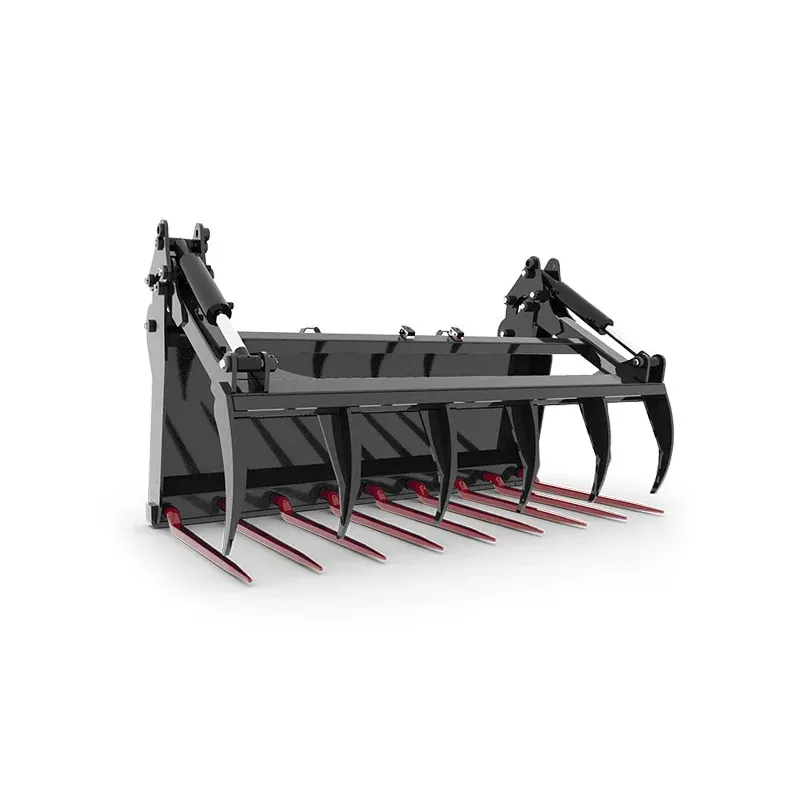
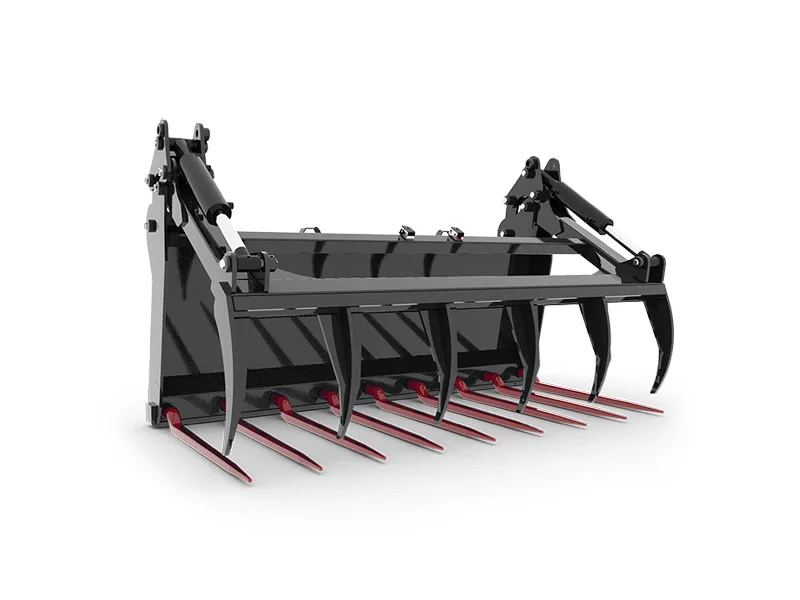
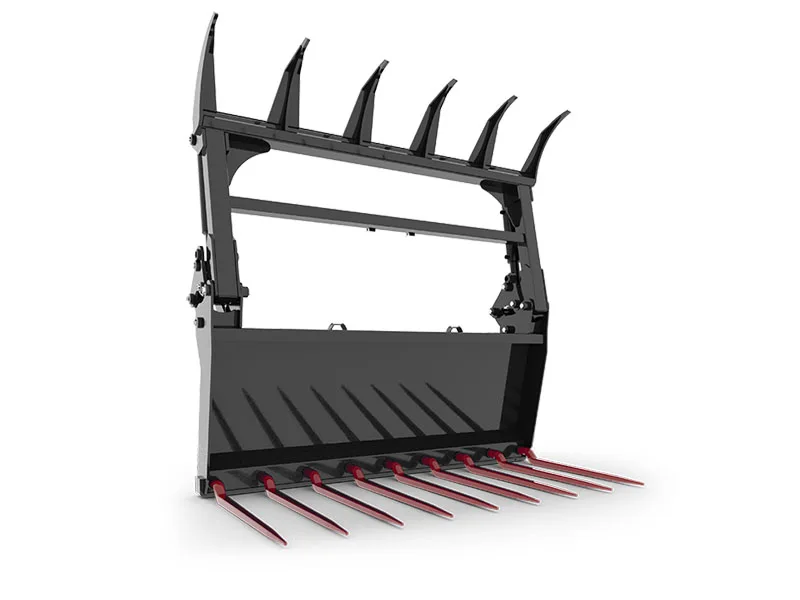
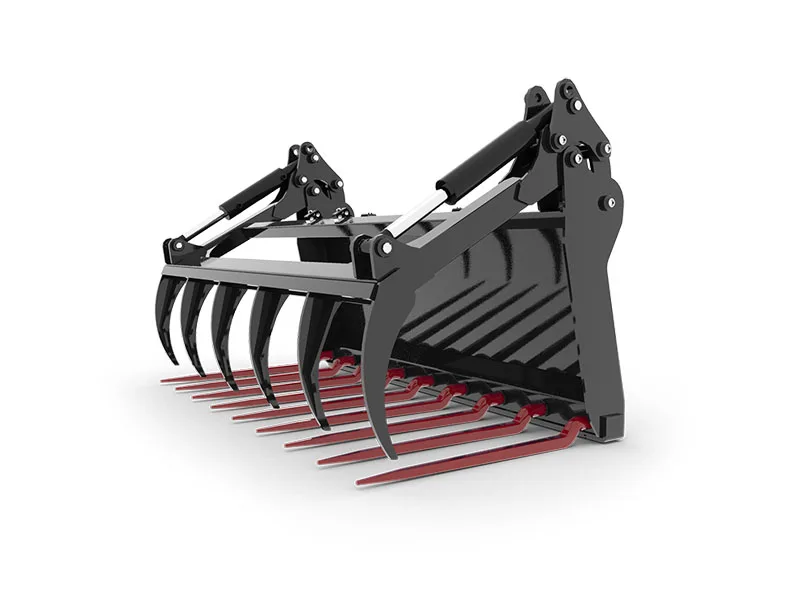
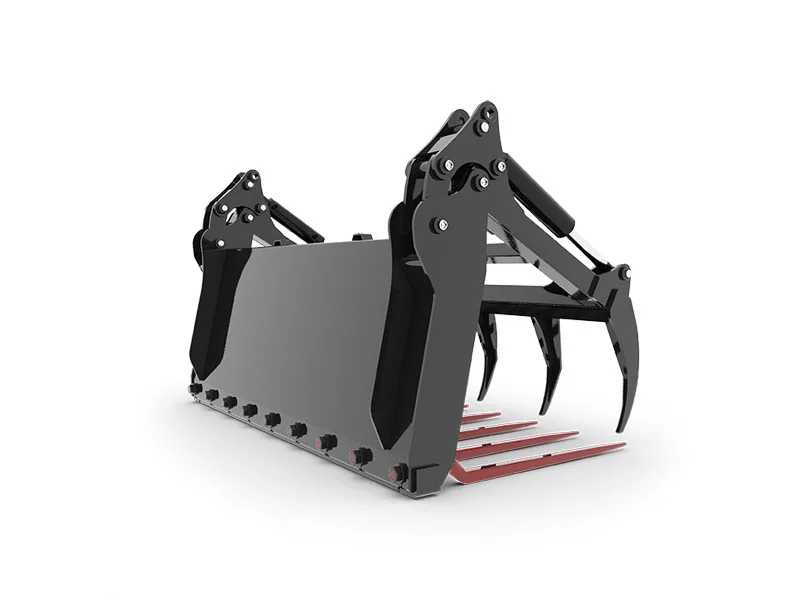
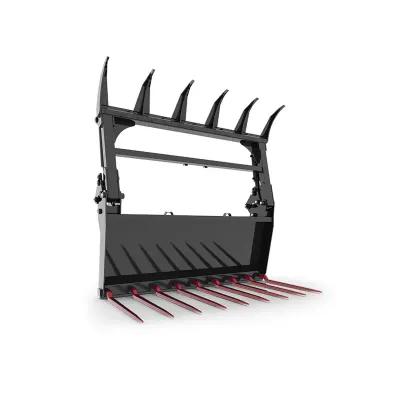
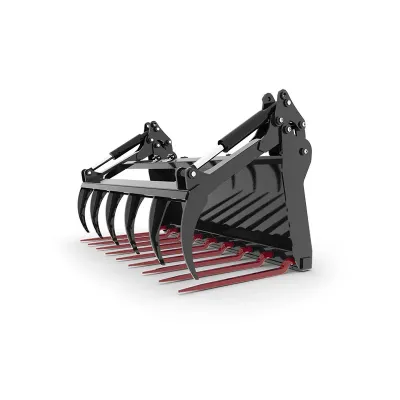
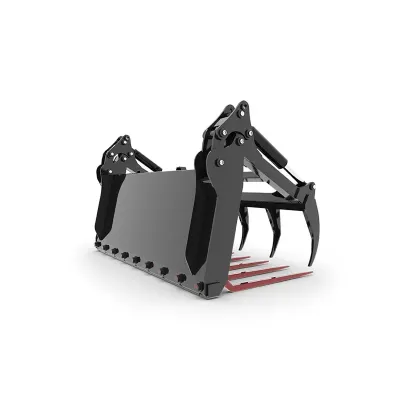
TGEC skid steer manure and silage grapple fork features an 11-tine open-bottom design, two hydraulic grapple cylinders, and a 1778 mm maximum opening. Model TG-MF2130GR1830(72IN)-MP1200, 498 kg, MP1200 universal quick-attach for manure, silage, and agricultural waste handling.
Product Name: Manure grapple fork / Silage grapple fork / Farm grapple fork / Open‑bottom manure fork / Hay grapple fork
Type: Forks
After-sales Service: Provided
Warranty: 1 Year
Customization: Available
Shipping Cost: Negotiate with us about shipping cost and estimated delivery time.
Get a quote
Overview
FAQ

Product Overview

The TGEC manure and silage grapple fork is purpose-built for agricultural material handling where loose, fibrous, or semi-liquid loads require both penetration and clamping. Its open-bottom tine design lets liquid drain while retaining solid material, suited for manure handling, silage processing, and bedding management. Two hydraulic grapple cylinders operate the upper grapple and clamp loose materials across the working width. The attachment mounts to a universal skid steer quick-attach plate and is designed for daily use in dairy operations, feedlots, composting facilities, and large farms.

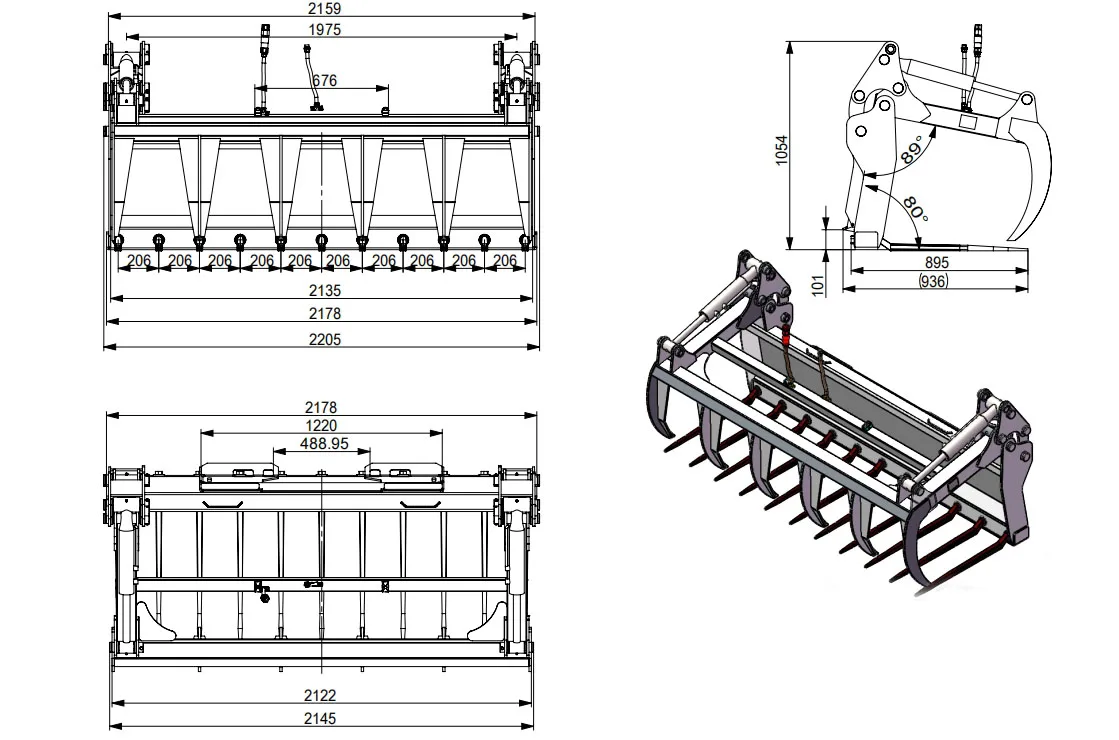
The TG-MF2130GR1830(72IN)-MP1200 features 11 tines at φ36 × 880 mm (1.4 × 34.6 in) with 206 mm (8.1 in) spacing, a maximum grapple opening of 1778 mm (70 in), and an overall weight of 498 kg (1099 lb). It uses the MP1200 universal skid steer quick-attach mounting interface. As an agricultural-specific configuration in the skid steer fork attachments line, it complements the general-purpose grapple fork attachment for operators who need an open-bottom design for farm materials. For help comparing fork types by application, see our guide on choosing the right skid steer forks.

Technical Specifications

ParameterValue
ModelTG-MF2130GR1830(72IN)-MP1200
Number of Tines11
Tine Dimensionφ36 × 880 mm (1.4 × 34.6 in)
Tine Gap / Spacing206 mm (8.1 in)
Maximum Grapple Opening1778 mm (70 in)
Hydraulic Cylinders2 dual-action hydraulic cylinders
Overall Unit Weight498 kg (1099 lb)
Mounting InterfaceMP1200 universal skid steer quick-attach

TGEC Skid Steer Manure Grapple Fork with dual cylinder open-bottom design for farm and silage handling

Table data is for reference only. Actual specifications may vary based on the final configuration. Please contact the TianGe technical team for details.

How It Works

The manure grapple fork uses two dual-action hydraulic cylinders to open and close the upper grapple arm independently of the fixed tine base. Pressurized fluid from the skid steer auxiliary circuit extends the cylinders to clamp the grapple onto the load, while the 11 curved tines penetrate and lift loose material from below. The open gaps between tines let liquid drain during lifting. The operator controls grapple opening and closing through the skid steer auxiliary hydraulic circuit.

Application Scenarios

  • Manure handling: Load and transport solid and semi-solid manure from barns, pens, and storage areas for spreading or composting.

  • Silage processing: Grab and move silage, haylage, and fermented feed from bunkers and piles.

  • Bedding management: Move straw, sawdust, sand, and recycled bedding material for barn stall maintenance and pen cleaning.

  • Compost turning and loading: Lift and turn compost piles, and load finished compost into spreaders or trucks.

  • Agricultural waste management: Handle crop residue, stalks, leaves, and other farm waste for disposal or recycling.

  • Feed lot operations: Move bulk feed ingredients, distillers grain, and wet byproducts in livestock feeding operations.

Installation & Mounting

The manure grapple fork attaches to the MP1200 universal skid steer quick-attach plate. The operator aligns the receiver, locks the levers, and connects the dual hydraulic hoses to the auxiliary circuit. Before operation, verify that the carrier's auxiliary hydraulic circuit provides the required flow and pressure to operate both cylinders. Consider the 498 kg attachment weight, planned payload, and the machine manufacturer's specifications when selecting the carrier. Cycle both cylinders several times to remove air and check for even clamping.

Wear & Service

Primary wear items include the tines, grapple arm pivot pins, hydraulic cylinder seals, and hoses. Inspect tines for bending, cracking, or wear at the tips and welds at the tine roots from abrasive manure and soil contact. Check both cylinders for rod damage or pitting, seal leakage, and even extension. Inspect hoses for abrasion from material or frame contact. Grease all pivot points per the schedule, and clean tine gaps and the hinge area regularly to prevent buildup and corrosion. Genuine replacement parts are available.

OEM & Bulk Supply

TGEC supplies manure and silage grapple forks direct from the factory to agricultural equipment dealers, farm cooperatives, rental fleets, and OEM partners. Volume pricing and private-label branding are available for qualified orders, and custom configurations — modified tine counts, adjusted spacing, alternative mounting plates — can be reviewed for production runs. Dealers can combine orders with other TGEC agricultural attachments to consolidate sourcing.

What's Your Primary Farm Material — Manure, Silage, or Bedding?

We're looking for three things to get you the right grapple: your skid steer model, your ROC, and a quick description of your typical load — manure, silage, straw, or compost. Send those over, we'll confirm compatibility, and reply with a quote and estimated shipping date. If you're between configurations, we can explain the technical differences based on your typical application.
Frequently Asked Questions

What is a skid steer manure and silage grapple fork used for?+

A skid steer manure and silage grapple fork is used to lift, carry, and load loose agricultural materials such as manure, silage, haylage, bedding straw, compost, and crop residue. Its open-bottom tine design penetrates loose piles while allowing liquid to drain, and the hydraulic grapple holds the load during transport. It is commonly used on dairy farms, feedlots, composting facilities, and large agricultural operations for daily material handling and waste management.

What materials can the grapple fork handle?+

The grapple fork handles a wide range of loose agricultural materials including solid and semi-solid manure, silage, haylage, fermented feed, straw, sawdust, sand bedding, compost, crop residue, stalks, leaves, and wet feed byproducts. It is particularly suited for fibrous, bulky, and loose agricultural materials. It is not intended for fine powdery materials that would pass through the tine gaps, or for heavy demolition work that could bend the tines.

How does an open-bottom design help with manure handling?+

The open-bottom design uses spaced tines rather than a solid bucket floor, allowing free liquid to drain during pickup and lifting. At the same time, the tines and grapple retain solid material. The gaps also make it easier to penetrate loose, matted piles and separate material.

Can this attachment be used for hay and silage?+

Yes. The grapple fork is well suited for handling silage, haylage, and fermented feed from bunkers and storage piles. The grapple clamps large volumes of forage, and the open-bottom tines allow excess moisture to drain. It can also handle loose hay and straw, though it is not designed as a dedicated bale spear for wrapped round bales. The two cylinders operate the grapple across the working width.

What skid steer sizes can use a manure grapple fork?+

The TG-MF2130GR1830(72IN)-MP1200 weighs 498 kg (1099 lb). Carrier selection should therefore take into account the attachment weight, planned load, ROC, and the machine manufacturer's specifications. Send us your skid steer make, model, and ROC so we can review the configuration.

What hydraulic requirements should be checked?+

The manure grapple fork uses two dual-action hydraulic cylinders. Check the specifications of your skid steer's auxiliary hydraulic circuit and ensure that flow and pressure are suitable for the two hydraulic cylinders.

How is the manure grapple fork mounted?+

The attachment uses the MP1200 universal skid steer quick-attach plate. The operator drives the machine's quick-attach plate into the attachment receiver, locks the mounting levers, and connects the dual hydraulic hoses to the auxiliary circuit. After connecting, test the grapple function slowly and check all hydraulic connections for leaks. Always confirm that the quick-attach locks are fully engaged before lifting any load.

What is the difference between a manure fork and a pallet fork?+

A pallet fork uses two long, flat tines designed to slide under pallets and uniform loads, with no clamping mechanism. A manure grapple fork uses 11 curved, spaced tines with an open-bottom design and a hydraulic grapple clamp, built to penetrate loose piles and secure irregular agricultural materials. Pallet forks are efficient for warehouse and construction material handling, while manure forks excel at loose, fibrous, and semi-liquid farm materials. Both attachments are designed for different applications.

What areas of the grapple should be inspected for wear?+

Key inspection areas include the tines — check for bending, cracking, and wear at the tips and welds at the tine roots from contact with manure and soil. Inspect both hydraulic cylinder rods for pitting, scoring, or seal leakage, and check cylinder mount pins for excessive play. Examine all hydraulic hoses for abrasion from material contact or grapple frame movement. Check the grapple arm pivot pins and bushings for wear, and inspect the quick-attach plate for cracks or deformation. The tine gaps should be kept clear of wrapped material that can cause corrosion.

How should attachment capacity be matched to the skid steer?+

When selecting a skid steer, consider the weight of the 498 kg attachment, the planned payload, the ROC, and the machine manufacturer's specifications. With wet or dense material, the load can be significantly higher. Therefore, check your machine's permissible operating load before use.
Please make sure to include your phone number with the country code (e.g., 86 for China, 1 for USA).