Welcome to the Official Website of TianGe Attachments.

Excavator rippers

Excavator rippers

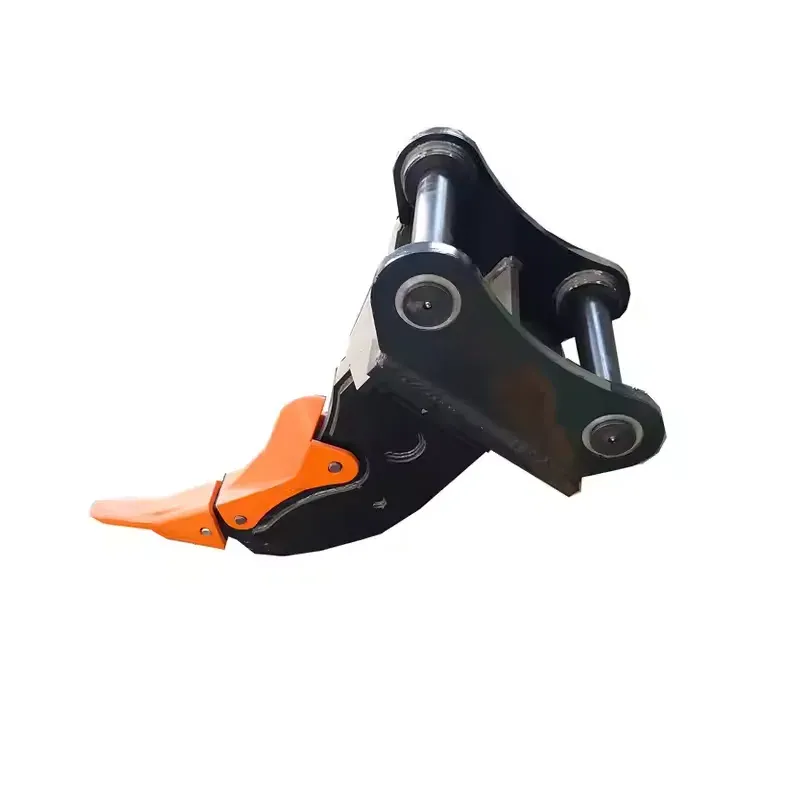
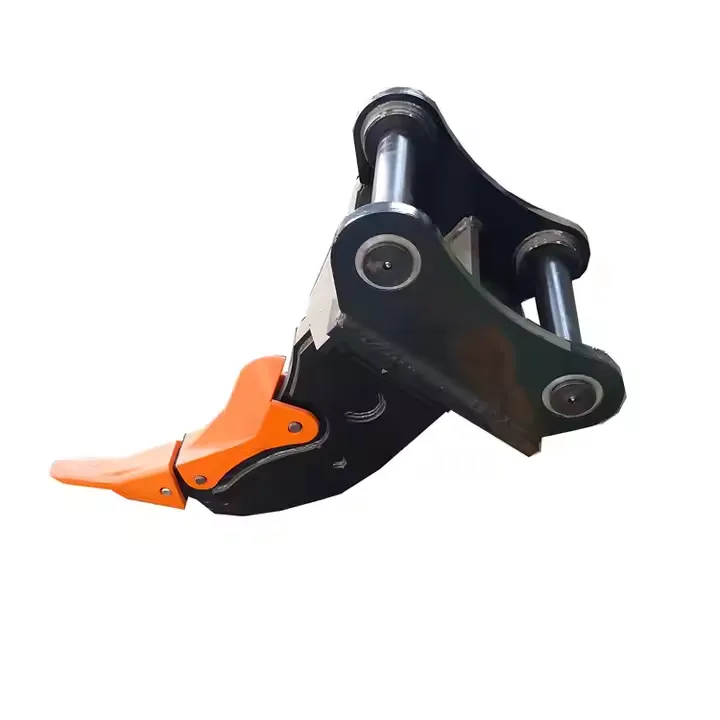
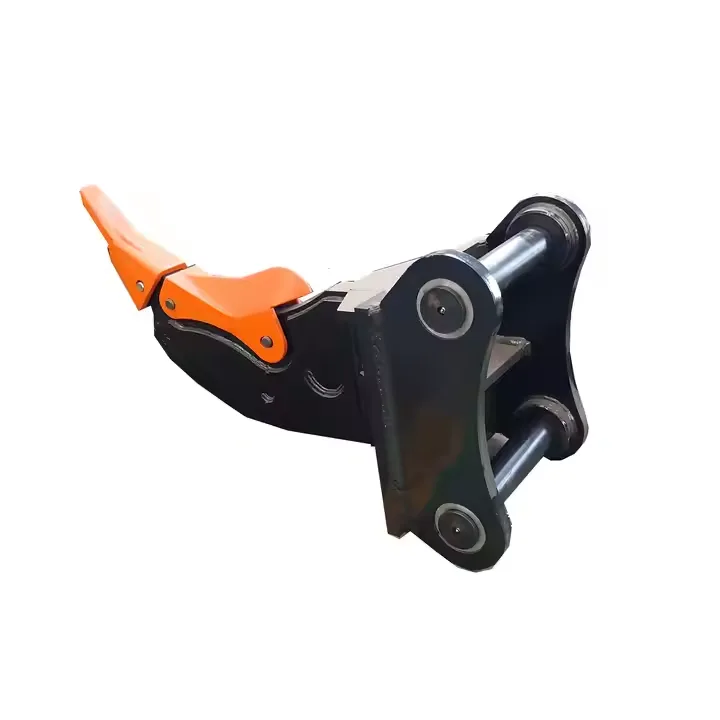
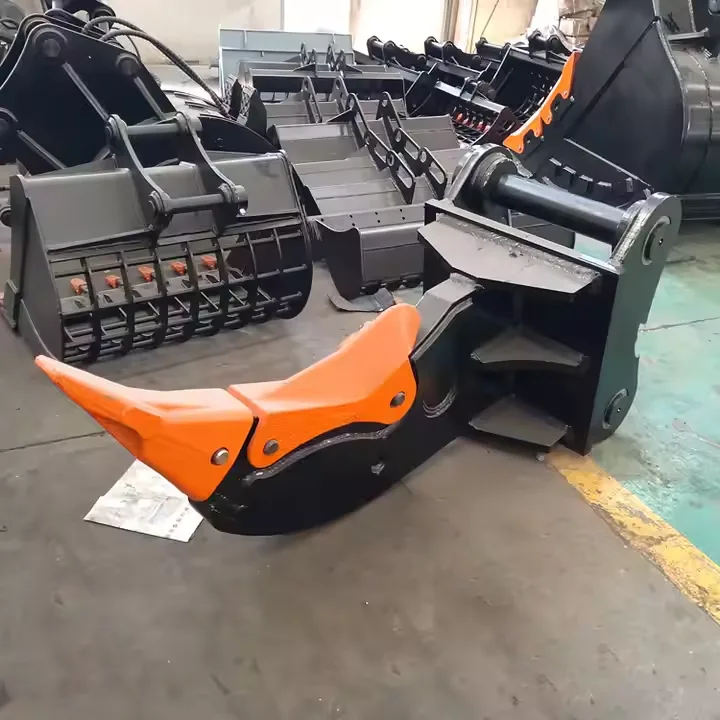
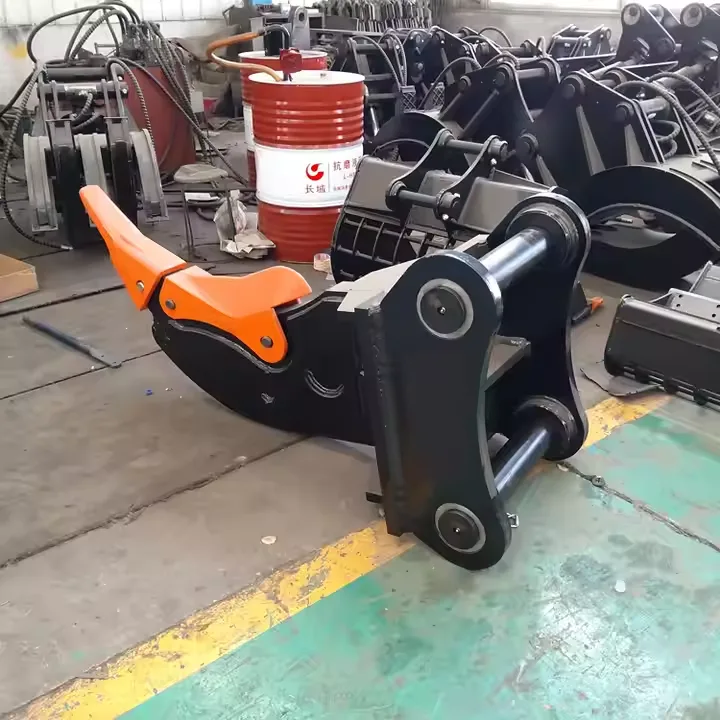
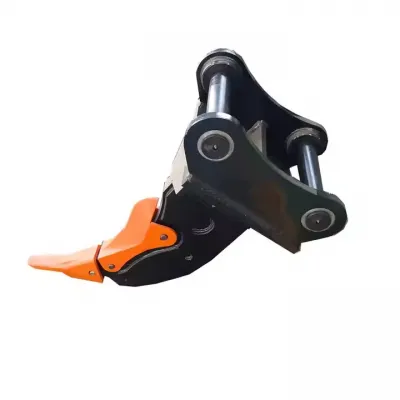
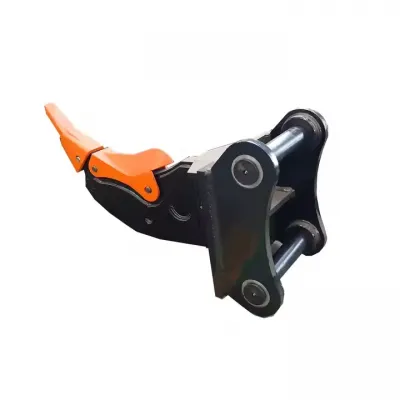
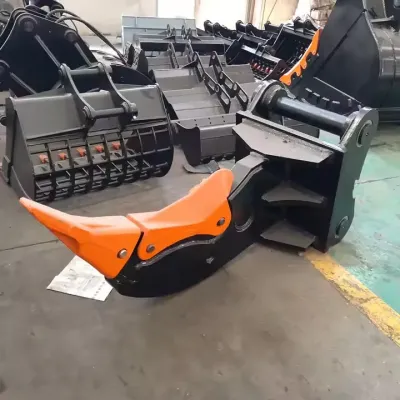
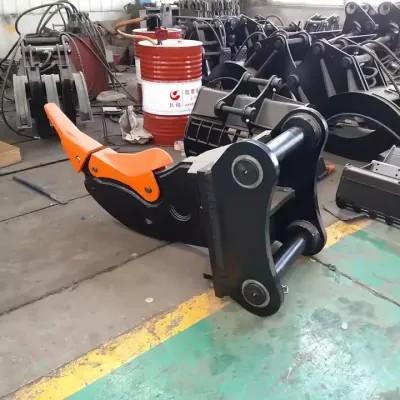
TGEC single-tooth ripper concentrates digging force for hard soil, frozen ground, compacted clay, and weathered rock. Mechanical or hydraulic actuation. 11 models cover 1–100 ton excavators.
Product Name: Ripper / Excavator Ripper / Rock Ripper / Frost Ripper / Root Ripper
Type: Rippers
After-sales Service: Provided
Warranty: 1 Year
Customization: Available
Shipping Cost: Negotiate with us about shipping cost and estimated delivery time.
Get a quote
Overview
FAQ

Product Overview

This attachment pins to the excavator arm in place of the bucket and turns the machine's curl and boom lift into a peeling, ripping action. The tooth bites into the ground, and the operator curls the arm to break the material loose in one smooth motion. Unlike a breaker that pounds the ground with impacts, the ripper uses the excavator's own force to shear and fracture the material — quieter, faster, and more efficient for continuous work along trenches, roadways, and building pads.

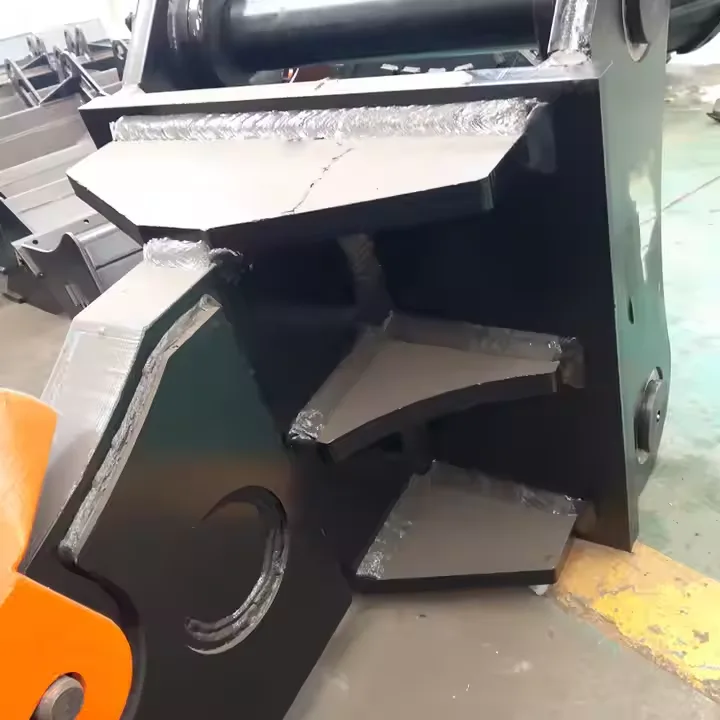
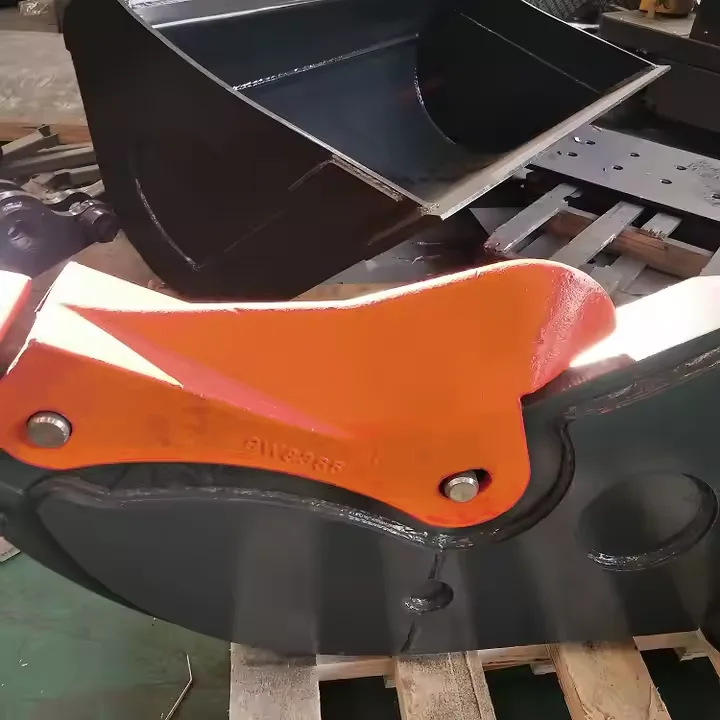
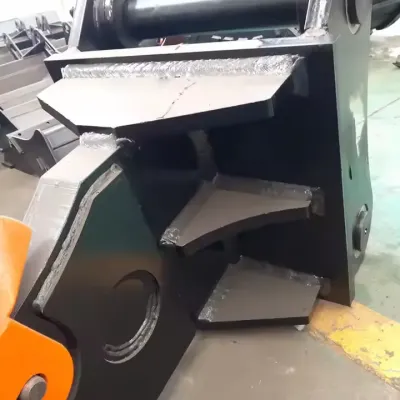
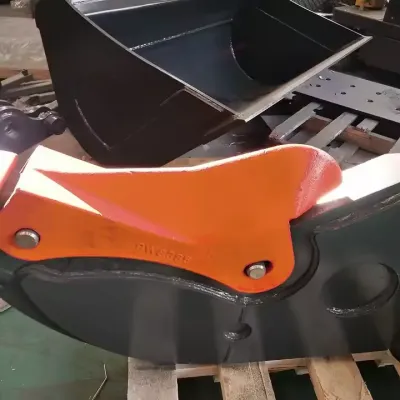
The single-tooth design is the industry standard because it puts all the force into one point. Multi-tooth rippers spread the load across several points, which hurts penetration in hard material. A single shank focuses everything into one sharp tooth, giving you maximum bite and adaptability across changing ground conditions. The shank is built from heavy-duty steel — Q345 for mini models, Q345+NM400 wear-resistant steel for 12-ton and up — with a replaceable tooth and adapter. This ripper is part of the TGEC excavator rippers lineup, covering everything from small landscaping jobs to heavy quarry work.

Technical Specifications

Key specs for TGEC single-tooth ripper models are listed below. Before you choose a model, verify your excavator weight, mounting dimensions, and the ground conditions you'll be working in. Custom brackets are available for non-standard interfaces.

ModelExcavator WeightShank LengthTooth TypeUnit Weight
TG-RPMINI1–3 t (1.1–3.3 ton)320 mm (12.6 in)J22045 kg (99 lb)
TG-RP203–6 t (3.3–6.6 ton)380 mm (15.0 in)J25055 kg (121 lb)
TG-RP304–8 t (4.4–8.8 ton)420 mm (16.5 in)J25060 kg (132 lb)
TG-RP505–8 t (5.5–8.8 ton)492 mm (19.4 in)J25065 kg (143 lb)
TG-RP808–12 t (8.8–13.2 ton)492 mm (19.4 in)J250135 kg (298 lb)
TG-RP12012–16 t (13.2–17.6 ton)760 mm (29.9 in)1U3352RC266 kg (586 lb)
TG-RP20018–23 t (19.8–25.4 ton)862 mm (33.9 in)D8 (4T5451)510 kg (1124 lb)
TG-RP25023–29 t (25.4–31.9 ton)862 mm (33.9 in)D8 (4T5451)620 kg (1367 lb)
TG-RP30030–40 t (33–44 ton)950 mm (37.4 in)D9850 kg (1874 lb)
TG-RP45040–60 t (44–66 ton)1050 mm (41.3 in)D91450 kg (3197 lb)
TG-RP85060–100 t (66–110 ton)1120 mm (44.1 in)D111970 kg (4343 lb)

Specifications are representative and may shift with the finalized tooth and bracket setup. Confirm model-specific details with TianGe engineering before ordering.

How It Works

This attachment uses the excavator's existing hydraulics — no extra circuits needed. The operator drops the tooth at the start of the rip, lowers the boom to penetrate, then curls the arm to drag the tooth through the material in a peeling action. The tooth breaks the ground as it travels, and the operator repeats the pass along the desired line. The boom lift and arm curl generate the ripping force, which depends on the excavator's hydraulic pressure and arm geometry. The ripper itself has no moving parts — it's a passive tool that relies entirely on the carrier's muscle.

In hard ground, a "stabbing" technique works well — drive the tooth vertically into the material with the boom, then curl the arm to pop it loose. In softer conditions, a continuous peeling motion along the surface is faster. Keep the tooth sharp for best penetration; a dull tooth requires more force and slows you down. The ripper can work in both forward and reverse, and the operator can adjust the attack angle by changing boom and arm positions. When working rock, follow the natural bedding planes — ripping across the grain is tougher and can cause the tooth to bounce.

Application Scenarios

  • Frozen ground excavation: The ripper cuts through frost layers so you can excavate and grade when the ground is otherwise too hard for a bucket.

  • Hard clay and hardpan: Dense clay and caliche hardpan yield to the ripper's peeling action, making follow-up digging faster and reducing wear on your bucket and machine.

  • Weathered rock and shale: Soft to medium rock — shale, sandstone, decomposed granite — can be ripped without drilling and blasting, saving time and money on road and site jobs.

  • Stump and root removal: The single tooth works around stumps and big roots, breaking them loose for extraction. The shank slips between roots to free the whole root ball.

  • Trenching and pipeline work: Rippers pre-fracture the ground ahead of the trenching bucket, boosting production and extending bucket life in tough soils.

  • Road construction: Rippers break up old asphalt and compacted base for recycling, and loosen subgrade for new pavement layers.

Installation & Mounting

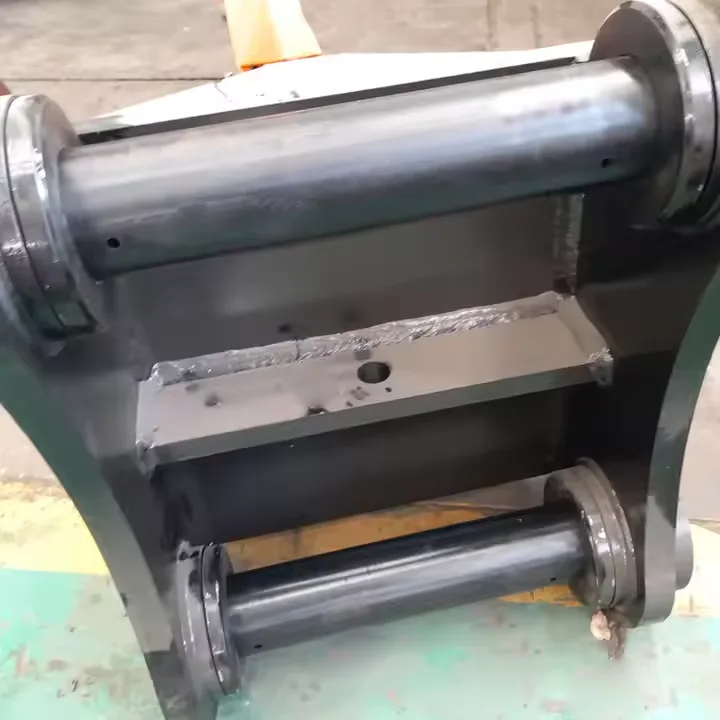
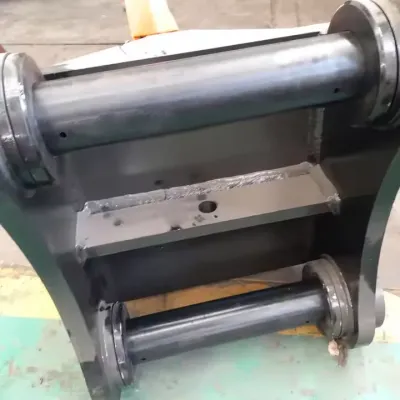
Mounting is straightforward — use the existing bucket pins or go through a quick coupler. No hydraulic hookups required; the ripper is a passive attachment that works off the excavator's arm and boom force. Before fitting, confirm that the bracket matches your arm's pin diameter, pin spacing, and width. Custom brackets are available for non-standard dimensions and coupler interfaces. The ripper is lighter than a bucket of comparable size, so it has less impact on lift capacity.

Installation is simple: pull the bucket pins, align the ripper bracket with the arm pin holes, insert the pins, and secure with retaining clips or bolts. If using a quick coupler, follow the coupler manufacturer's attachment procedure. Once mounted, check that all pins are locked in place and that the ripper moves freely through the full arm curl range. Grease the pivots before first use. Confirm that your excavator can safely handle the ripper's weight at your working radius — especially for large models on smaller carriers. No hydraulic connections mean you're ready to rip as soon as it's pinned on.

Wear & Service

The replaceable tooth takes the most abuse — check it daily. A worn tooth kills penetration and transfers extra stress to the shank and adapter. Swap it out when it's past the wear limit or if you see cracking. The adapter needs regular inspection for wear and cracking at the weld joint; have a qualified welder repair or replace it if damaged. The shank itself is heavy-duty steel built for longevity, but check it for cracks — especially around the mount point and adapter area.

Grease the mounting pins and bushings daily or every 8 hours, and pull them weekly to check for wear. Loose pins create play that stresses the bracket. If you're using a quick coupler, inspect the coupler pins and locking mechanism regularly. The ripper has no hydraulics, so there are no seals, hoses, or cylinders to worry about. Keep a spare tooth and adapter on hand for quick field changes. On large models — 30-ton and up — the tooth may need a sledgehammer or hydraulic press for removal; follow the manufacturer's recommended procedure.

Dealer & Bulk Orders

TGEC offers dealer pricing and volume discounts on single-tooth rippers to resellers, rental fleets, and distribution partners. Multi-unit orders can mix model sizes and tooth types, and we support custom paint, badging, and packaging for dealer programs. Combine ripper orders with other TGEC ground-engaging tools — buckets, rakes, quick couplers — to consolidate freight and simplify sourcing. Send your target SKUs, projected annual volume, and preferred tooth configurations to our dealer team for a tiered price sheet.

Request a Quote

Tell us your excavator make and model, what you're ripping — frozen ground, hard clay, hardpan, weathered rock, or stumps — and how deep you typically work. We'll confirm the right ripper model and tooth type, check mounting compatibility, and get back to you with a quote that includes bracket specs, lead time, and shipping details.
Frequently Asked Questions

What is an excavator ripper used for?+

An excavator ripper is a ground-engaging attachment that breaks loose hard or compacted material that a bucket cannot penetrate. It is used for frozen ground, hard clay, hardpan, caliche, weathered rock, shale, compacted fill, stump removal, and pre-loosening ground ahead of trenching or excavation. The ripper mounts to the excavator arm and uses the machine's breakout force to peel and shear the material, making it faster and quieter than a breaker for continuous ripping work.

How does an excavator ripper break hard ground?+

An excavator ripper breaks hard ground using the machine's arm curl and boom lift force. The operator positions the tooth at the start of the rip, lowers the boom to penetrate, then curls the arm to pull the tooth through the material in a peeling motion. The tooth concentrates the excavator's breakout force into a narrow point, shearing and breaking the ground loose as it moves. For very hard ground, a stabbing technique — driving the tooth vertically then curling — may be used. The ripper has no moving parts and relies entirely on the excavator's force.

What is a single-tooth ripper?+

A single-tooth ripper is an excavator attachment with one heavy-duty shank and one replaceable tooth, as opposed to a multi-tooth ripper with several shanks. The single-tooth design concentrates all of the excavator's breakout force into one point, maximizing penetration in hard ground. It is the standard configuration for excavator rippers because it delivers higher force per tooth and is more versatile across different ground conditions than multi-tooth designs. Single-tooth rippers are used for frozen ground, hard clay, rock, and stump removal.

What materials can an excavator ripper break?+

An excavator ripper can break frozen soil, hard clay, hardpan, caliche, compacted fill, weathered rock, shale, sandstone, decomposed granite, asphalt, and old road base. It can also loosen soil around tree stumps and large roots for extraction. The ripper is not designed for hard, intact rock such as granite or basalt — those materials require drilling and blasting. The ability to break a particular material depends on the excavator size, ripper model, tooth type, and the material's hardness and fracture characteristics.

Can an excavator ripper be used for frozen ground?+

Yes. Frozen ground is one of the most common applications for an excavator ripper. The ripper breaks through frost layers by penetrating the frozen surface and peeling it loose in sections. The tooth type and ripper model should be matched to the frost depth and soil type — mini excavators handle light frost with J-series teeth, while mid-size and large machines need D8/D9/D11 teeth for deep frost. A sharp tooth is essential for penetrating frozen ground; a worn tooth will bounce rather than penetrate.

Can an excavator ripper break rock?+

Yes, an excavator ripper can break weathered and soft rock such as shale, sandstone, decomposed granite, and limestone. The ripper works best when the rock has natural bedding planes or fractures — the tooth follows these planes to break the rock loose. For hard, intact rock such as granite or basalt, a ripper is generally not effective and drilling and blasting is required. Large excavators (30-ton class and above) with D9 or D11 rock teeth can handle more abrasive rock than smaller machines. Test with a shallow pass first — if the tooth bounces without penetrating, the rock may be too hard for ripping.

What excavator size is needed for a ripper attachment?+

The excavator size needed for a ripper depends on the ripper model, which is specified for a carrier weight range. TGEC rippers cover mini excavators from 1 ton through large machines of 100 tons, with eleven models grouped into ranges such as 1–3 t, 3–6 t, 8–12 t, 12–16 t, 18–23 t, 30–40 t, and 60–100 t. The excavator operating weight should fall within the specified range. Beyond weight, verify the arm mounting dimensions and the intended ground condition, which may require a heavier model than the weight class alone suggests.

How do I match a ripper to my excavator?+

To match a ripper to your excavator, check four factors: (1) operating weight class to select the correct ripper model range; (2) arm mounting dimensions — pin diameter, pin center distance, and arm width — for bracket compatibility; (3) intended ground condition, which determines the tooth type and whether a heavier model is needed; and (4) lift capacity with the added ripper weight at the working radius. If using a quick coupler, verify compatibility with the coupler interface. Provide the excavator model and arm dimensions to the supplier for a precise match.

What tooth types are available for excavator rippers?+

TGEC rippers use several tooth types matched to the excavator size and ground condition: J220/J250 mini teeth for 1–8 ton excavators in landscaping, utility work, and light frost; 1U3352RC general-purpose teeth for 8–16 ton machines in general construction and hard clay; D8 (4T5451) heavy-duty teeth for 18–29 ton machines in hard clay, hardpan, and moderate rock; D9 rock teeth for 30–60 ton machines in weathered rock and deep frost; and D11 heavy rock teeth for 60–100 ton machines in quarry overburden and hard rock. All teeth are replaceable and available as spare parts.

How should I maintain an excavator ripper?+

Routine ripper maintenance focuses on the wear components. Inspect the tooth daily — replace it when worn beyond the specified limit or when cracking appears. A worn tooth reduces penetration and stresses the shank. Check the tooth adapter for weld cracking and wear. Grease the mounting pins and bushings every shift or 8 hours. Inspect the shank for cracks, particularly at the mount point and adapter. If using a quick coupler, check the coupler pins and locking mechanism. The ripper has no hydraulic components, so there are no seals or hoses to service. Keep a spare tooth on hand for quick field replacement.

What wear parts should be replaced on a ripper?+

The primary wear parts on a ripper are the replaceable tooth and tooth adapter. The tooth is the point that contacts the ground and wears during ripping — replace it when worn beyond the manufacturer-specified limit. The adapter holds the tooth and should be inspected for wear and cracking at the weld joint, replaced or repaired as needed. Mounting pins and bushings are secondary wear items that should be replaced when worn or ovalized. The ripper shank itself is made from heavy-duty steel and is designed for long service life, but should be inspected for cracks. TGEC stocks all replacement wear parts for every ripper model.

Can a ripper be mounted with a quick coupler?+

Yes. A ripper can be mounted with a quick coupler, allowing fast attachment changes between the ripper, bucket, and other tools. The ripper bracket must be compatible with the coupler interface — custom brackets are fabricated for specific coupler brands. When using a coupler, verify that the combined weight of the coupler plus ripper stays within the excavator's lift capacity at the working radius. The coupler adds weight and may slightly reduce breakout force, so verify that the machine can still generate sufficient ripping force. Follow the coupler manufacturer's instructions for attachment and locking.
Please make sure to include your phone number with the country code (e.g., 86 for China, 1 for USA).