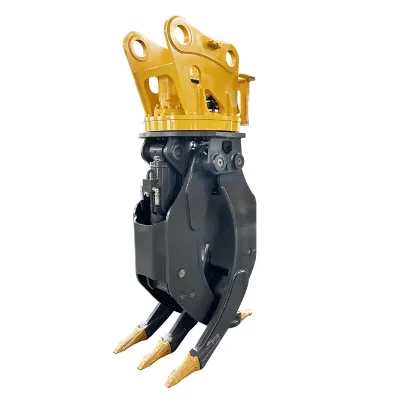
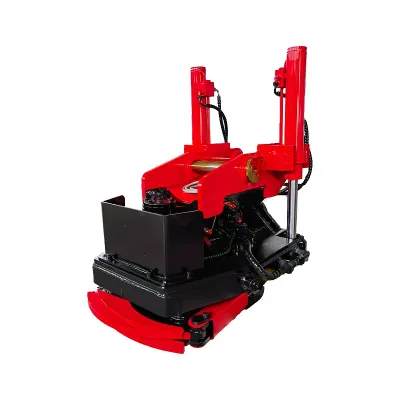
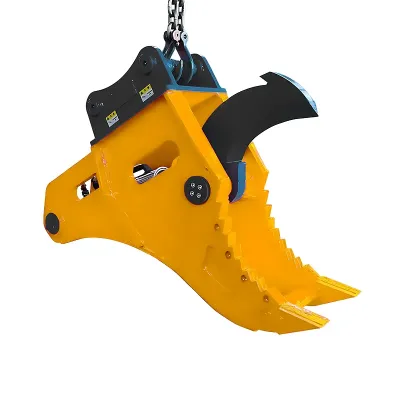
An excavator with a tree shear mounted on it is no longer just a digging machine—it becomes a specialized tool for forestry and vegetation management. Unlike a ground-based chainsaw operator, the excavator's shear lets the crew fell, cut, and move trees right from the cab. That means better productivity and a whole lot more safety for tree service and land-clearing jobs. This post covers where an excavator with a tree shear really shines, what it takes to set one up properly, and how to pick the right shear for your machine.
Where an Excavator With a Tree Shear Performs Best
The reach of the excavator combined with the cutting power of a hydraulic shear makes this setup especially effective in a few key areas. In forestry and selective logging, the excavator can reach deep into a stand and take out specific trees without banging up the ones you want to keep. For land clearing and site prep, the shear makes short work of clearing trees and brush to get the ground ready for construction or development. Right-of-way maintenance—whether for utilities, pipelines, or roads—is another natural fit, because the excavator can work right along the corridor and clear vegetation without a bunch of passes from different machines.
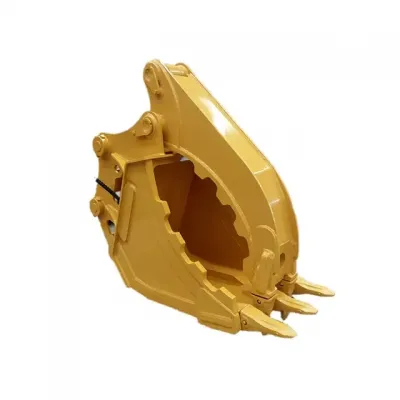
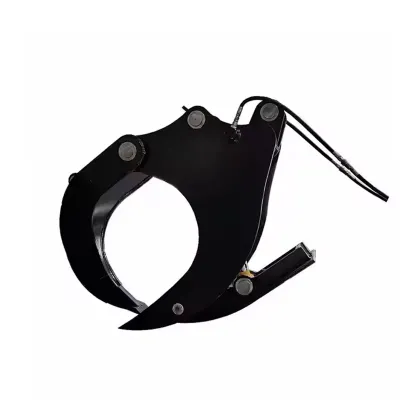
Municipalities and park departments put excavator tree shears to work removing hazardous trees, trimming branches that overhang walkways or roads, and keeping greenbelts tidy. After a storm, the shear is great for breaking down fallen trees and limbs to clear roads and public spaces. Tree service companies like these attachments for residential and commercial jobs, especially when there are multiple trees or bigger trunks that would eat up too much time with just a chainsaw. And if you add the grapple jaw, you can also grab and move the cut material, which makes the whole process that much smoother.
Excavator Setup Requirements
Before you start cutting, the excavator has to be set up right to deliver the hydraulic power and stability the shear needs. The first thing to check is whether your auxiliary hydraulic circuit can supply the flow and pressure the specific shear model calls for. Every TGEC tree shear has a defined flow range—for example, the TG-TS03 needs 40 to 95 L/min, while the TG-TS30 requires 120 to 220 L/min—and your excavator's auxiliary pump needs to fall within that window. You'll also want to set the relief valve pressure to match the shear's working pressure, which ranges from 60 to 350 bar depending on the model.
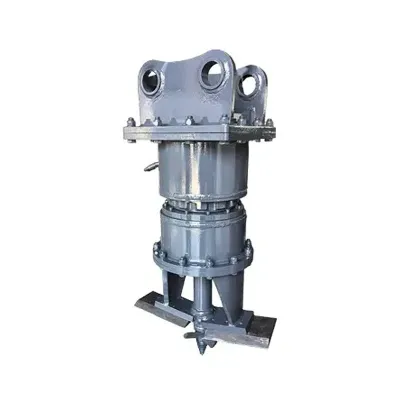
If you're going with a rotating or grapple configuration, you'll need extra auxiliary circuits. A rotating shear needs one circuit for the cutting cylinder and a second for the rotator. A grapple shear adds a third circuit for the clamping arm. Some excavators only have one auxiliary circuit, and in that case you can use a diverter valve to switch flow between cutting and rotation—but you can't use both functions at the same time. Before you order a rotating or grapple model, double-check that your excavator has enough auxiliary circuits or that you're okay with the diverter valve workaround.
Mounting and Bracket Considerations
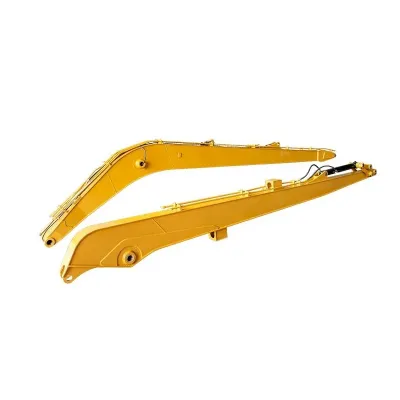
The tree shear mounts to the excavator boom where the bucket would go, using a custom bracket that's made to match your machine's pin-to-pin spacing, pin diameter, and stick width. Getting the fit right is critical—a bracket that's too loose lets the shear shift around while you're cutting, which hurts efficiency and beats up the pins and bushings. A bracket that doesn't match the geometry can put abnormal stress on the boom and stick and lead to structural issues down the road.
TGEC supplies mounting brackets for all the major excavator brands. When you order, you'll need to provide the excavator make, model, year, and pin dimensions. If your machine has a mechanical or hydraulic quick coupler, the bracket is configured to match the coupler interface rather than a direct pin-on mount. Quick couplers let you swap between the tree shear and a bucket or other attachments quickly, without pulling pins. But keep in mind that the coupler adds some weight and might slightly reduce breakout force, which is worth considering when you're matching the shear to your machine.
Operating Techniques for Best Results
Running an excavator with a tree shear effectively takes a little more than just knowing how to work the sticks. When you're felling a tree, position the shear at the base of the trunk and close the jaw with a steady motion, letting the blade do the work without forcing it. For trees that are near the rated cutting diameter, it can help to make a cut on the tension side of the trunk first, then finish the cut from the opposite side. If you have the grapple jaw, you can hold the trunk as it cuts to help control which way it falls.
When you're processing fallen logs, place the shear along the log where you want to cut and close the jaw. The curved blade gives you a slicing action that cuts cleanly through the wood. Try to avoid cutting through dirt, rocks, or any metal that might be embedded in the wood, since that can chip or dull the blade. For brush and smaller material, you can make several quick cuts to break it down into manageable pieces. Always keep the excavator stable while you're cutting, with the tracks or outriggers planted and the boom within a safe working radius.
Safety Considerations
Safety is absolutely critical when you're running an excavator with a tree shear. You've got a heavy machine and a powerful cutting attachment, and that combination comes with real risks. The operator should always wear the right personal protective equipment and make sure nobody is within the working radius of the excavator while it's running. When you're felling trees, plan a clear fall zone and make sure there are no structures, vehicles, or utilities in the way. The grapple jaw can help you control the direction, but you should always have an exit plan and be ready to move the excavator clear if the tree goes somewhere unexpected.
Hydraulic safety is also a big deal. The shear runs at high pressure, and a sudden release of fluid can cause serious injury. Before you do any maintenance, relieve the hydraulic pressure by cycling the controls with the engine off, then disconnect the lines following the manufacturer's procedure. Inspect hoses and fittings regularly for wear, cracking, or leaks, and replace anything that looks suspect right away. Never touch a hydraulic line under pressure with your bare hand—a pinhole leak can inject fluid into your skin and cause severe injury.
Maintenance for Long Service Life
A tree shear that's taken care of will perform better and last a lot longer than one that gets neglected. The single most important thing to keep an eye on is the cutting blade. Check it regularly for dullness, chips, or cracks. A sharp blade cuts cleanly and efficiently, putting less stress on the hydraulic system and the excavator boom. When it gets dull or damaged, replace it promptly to avoid secondary damage to the jaw and pivots. Pivot pins and bushings need to be greased on the manufacturer's schedule, especially on the grapple and rotation mechanisms where there's a lot of movement.
Don't forget about the hydraulic system. Check the cylinder rod for scratches or corrosion, because a damaged rod will tear up the seals and cause fluid leaks. Inspect hoses for abrasion, cracking, or loose fittings, and replace any hose that shows signs of wear. If you have a rotator, check that it runs smoothly and is properly lubricated. Also inspect the shear body and jaw arms periodically for cracks, bending, or stress marks, especially after heavy use or an impact. TGEC stocks a full range of replacement wear parts to keep your shear running at its best.
Choosing the Right Configuration
The right tree shear configuration depends on the size of your excavator, what you're using it for, and how you like to work. For mini excavators doing light brush work, a fixed standard shear like the TG-TS03 is often the best choice—it's lightweight and simple to run. For mid-size excavators in the 10 to 18 ton range that do a mix of forestry and land clearing, the TG-TS10 with optional rotation and grapple gives you versatility and good cutting capacity. For big excavators handling heavy timber, the TG-TS20 or TG-TS30 deliver the cutting diameter and power you need for larger trees.
When you're weighing your options, think about whether rotation is really necessary for your typical job sites. If you work mostly in open areas where it's easy to reposition the excavator, a fixed shear might be all you need. If you're in tight spots, along right-of-ways, or near structures, a rotating shear can make a big difference in maneuverability. The grapple jaw is worth considering if you need to control which way trees fall or handle and load cut material. For a complete look at available models and specs, check out the excavator tree shear product page, or get in touch with the TGEC technical team for a recommendation based on your excavator and application.