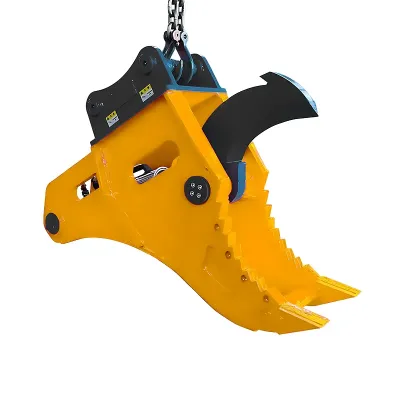
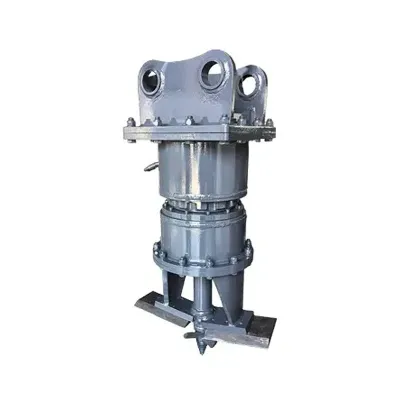
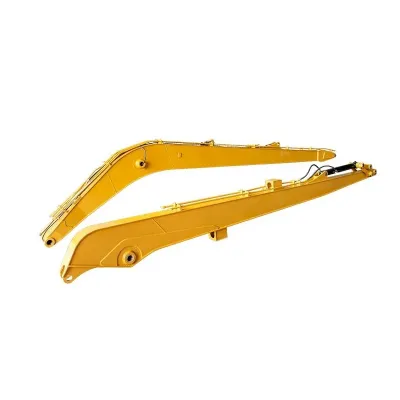
Buying an excavator grapple without checking the key specs is a common—and costly—mistake. A grapple that doesn't fit your machine, can't be powered by your hydraulic system, or has the wrong jaw design for your material will end up sitting in the yard while you pay for modifications or a replacement. This checklist walks you through the 12 most important things to verify before you commit. Go through each item, jot down the answers, and share them with your grapple supplier when you request a quote. The goal is simple: no surprises. No grapple that arrives and doesn't fit. No hydraulic system that can't run it. No jaw design that can't handle what you're throwing at it.
Carrier Specifications
1. Excavator Make, Model and Operating Weight
Write down the exact make, model, and operating weight of your excavator. This is where grapple sizing starts—manufacturers specify a compatible weight range for each model, and your machine's operating weight tells you whether a given grapple falls within that range. Don't just say "12-ton class"—give the full model number, because two machines with the same nominal weight can have different boom configurations, lift capacities, and hydraulic systems. If you plan to swap the grapple between multiple excavators, list all of them with their specs.
2. Lift Capacity at Working Reach
Pull up your excavator's lift chart and find the rated capacity at the reach and height you actually work at. Don't use the maximum lift rating—that's measured close in, near ground level. Use the numbers for your typical operating envelope. Add up the grapple weight and the expected material load, and make sure the total stays within that rated capacity. If it's over, you'll need a smaller grapple or you'll have to accept lighter loads. Also keep stability in mind during swinging—a heavy load at full reach can make the machine feel tippy even if it's technically within the rated lift.
3. Mounting Interface
Figure out whether your excavator uses a pin-on mount or a quick coupler. For pin-on, measure the pin spacing (distance between the boom pin and the bucket linkage pin), the pin diameter, and the width of the boom ear and linkage ear. For quick couplers, note the coupler make and model—different couplers have different interface dimensions, and the grapple bracket has to match exactly. Give these measurements to your supplier so they can build the right bracket. A bracket that doesn't match your pin spacing or coupler interface will need modification or fabrication before you can even use the grapple.
Hydraulic Compatibility
4. Auxiliary Circuit Availability
Check whether your excavator has auxiliary hydraulic circuits. If it does, note how many and whether they're single- or double-acting. A hydraulic grapple needs a double-acting circuit to power the cylinders (both extend and retract). For a rotary grapple, you'll also need a separate circuit for the rotator—some machines have two auxiliary circuits (one for the grapple, one for the rotator), while others have only one. If your machine has no auxiliary hydraulics, a mechanical grapple that runs off the bucket curl function is your practical option.
5. Auxiliary Flow Rate
Find your auxiliary circuit flow rate—check the machine spec sheet or contact your dealer with the serial number. Flow is measured in liters per minute (L/min) or gallons per minute (GPM). Compare this to the grapple's specified flow range. Your excavator's flow should fall within that range, ideally at or near the optimum. If flow is below the grapple minimum, the jaws will be slow and may not develop full clamping force. If it's above the maximum, cylinder speed could be too fast, causing shock loading and premature wear. Our hydraulic flow and compatibility article covers this in more detail.
6. Auxiliary Pressure and Case Drain
Note your auxiliary circuit's maximum working pressure (bar or PSI). The grapple's relief valve should be set slightly above this to allow full system pressure without frequent relief opening. Pass this pressure along to your supplier so they can set the relief valve correctly. If you're looking at a rotary grapple, confirm that your excavator has a case drain line—the rotator motor needs it to handle internal leakage. Without a case drain, the motor shaft seal can blow. If your machine doesn't have one, you'll need to add it or choose a fixed (non-rotating) grapple.
Grapple Configuration
7. Jaw Type for Your Material
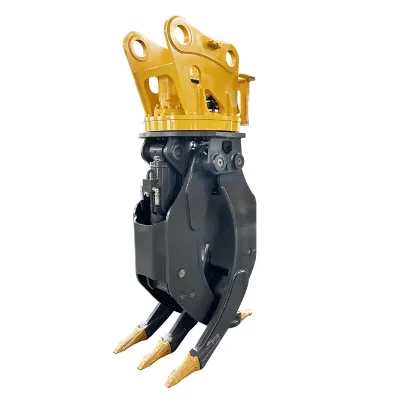
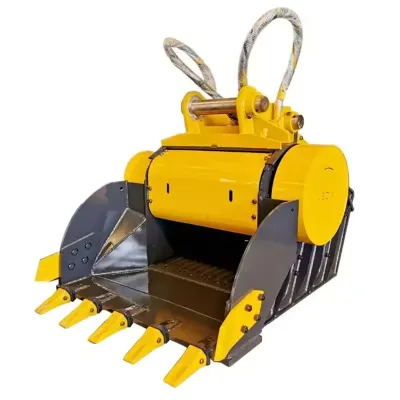
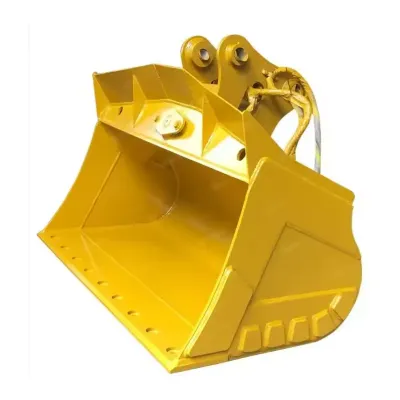
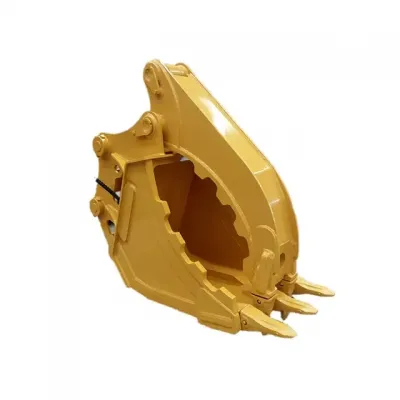
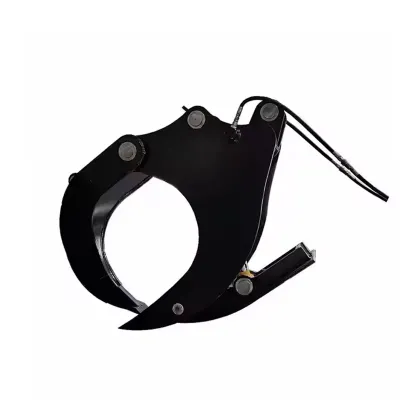
Identify your primary material and match it to the right jaw type. Multi-finger tines for scrap and irregular shapes. Solid jaw plates for demolition and crushing. Curved tines for logs and timber. Clamshell buckets for loose, flowing material. Wide-spaced rake teeth for rock and sifting. If you handle a mix, focus on the material you spend 60% or more of your time on and choose for that. A grapple that's supposed to do everything usually does nothing well—pick the configuration that handles your main material best and accept that secondary materials may be less efficient.
8. Rotary or Fixed
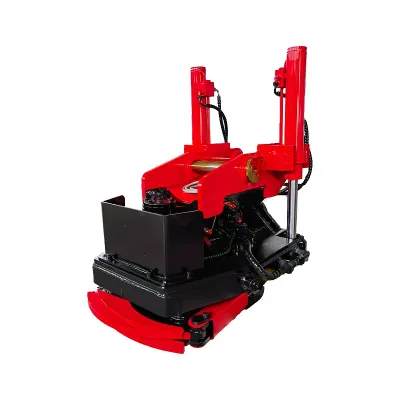
Decide whether you need 360-degree rotation. If you regularly load trucks, sort into bins, or place loads with precise orientation, a rotary grapple will cut cycle time and boost productivity. If you mostly pick and drop material in general areas without needing exact orientation, a fixed grapple is enough and costs less. Also factor in the hydraulic requirements—a rotary grapple needs a case drain and an extra circuit for the rotator, which not all excavators have. If you're on the fence, start with fixed and add rotation later if needed—though retrofitting a rotator after purchase involves hydraulic work and may not be cost-effective.
9. Jaw Opening and Width
Measure your typical material size and make sure the grapple's jaw opening comfortably exceeds it. The effective maximum material diameter is roughly 70 to 80% of the nominal jaw opening, because the jaw geometry reduces clearance at the contact points. Also consider jaw width relative to your material—a wider jaw handles bulkier loads but adds weight and can affect lateral stability. If you occasionally run into material larger than your opening, you'll have to cut it down or choose a bigger model. When you're between two sizes, go larger if your lift capacity allows—a slightly oversized grapple handles a wider range of material.
Mounting, Delivery and Support
10. Mounting Bracket Compatibility
Confirm that your grapple supplier can provide a mounting bracket that matches your excavator's pin dimensions or quick-coupler interface. Give them the pin spacing, pin diameter, ear width, and coupler model (if applicable) when you request a quote. The bracket should be made from appropriate-strength steel and include the correct linkage connections for the bucket curl function (for mechanical grapples) or the auxiliary hydraulic connections (for hydraulic grapples). If you use multiple excavators, ask if additional brackets can be supplied for each so you can swap the grapple between machines.
11. Delivery Time and Shipping Terms
Confirm production lead time and shipping method. Custom mounting brackets and specific configurations can take 2 to 4 weeks to produce, while standard models may ship from stock. Shipping from the manufacturer to your location adds transit time—check whether the price includes shipping or if it's extra. Ask about packaging (the grapple should be crated or palletized), insurance during transit, and what happens if it arrives damaged. If you need the grapple by a certain date, make that clear and confirm the supplier can meet your deadline.
12. Warranty and After-Sales Support
Review the warranty coverage—what's covered (structural frame, hydraulic cylinders, rotator, pivot pins), for how long, and under what conditions. Ask about parts availability—wear items like pivot pins, bushings, cylinder seals, and rotator bearings should be readily available from the supplier or from local hydraulic parts suppliers. If you're buying from an overseas manufacturer, confirm they can ship replacement parts internationally and what the lead time is. Also check whether they offer technical support for installation, troubleshooting, and maintenance—a supplier that sticks around after the sale is worth more than one that disappears. The multi-finger hydraulic scrap grapple and all TGEC grapple models include manufacturer warranty and parts support.
Final Pre-Purchase Verification
Before you place an order, run through all 12 points and make sure you have the information for each. If anything is uncertain—say, you're not sure of your auxiliary flow rate or you don't know your exact pin spacing—resolve it before you buy. A few minutes of verification now can save weeks of delays and modification costs later. Give all 12 points to your grapple supplier when you request a quote so they can verify compatibility and recommend the right model. The full TGEC excavator grapple range covers hydraulic and mechanical configurations for excavators from 1.7 to 50 tons. For a step-by-step selection framework beyond this checklist, see our excavator grapple selection guide.